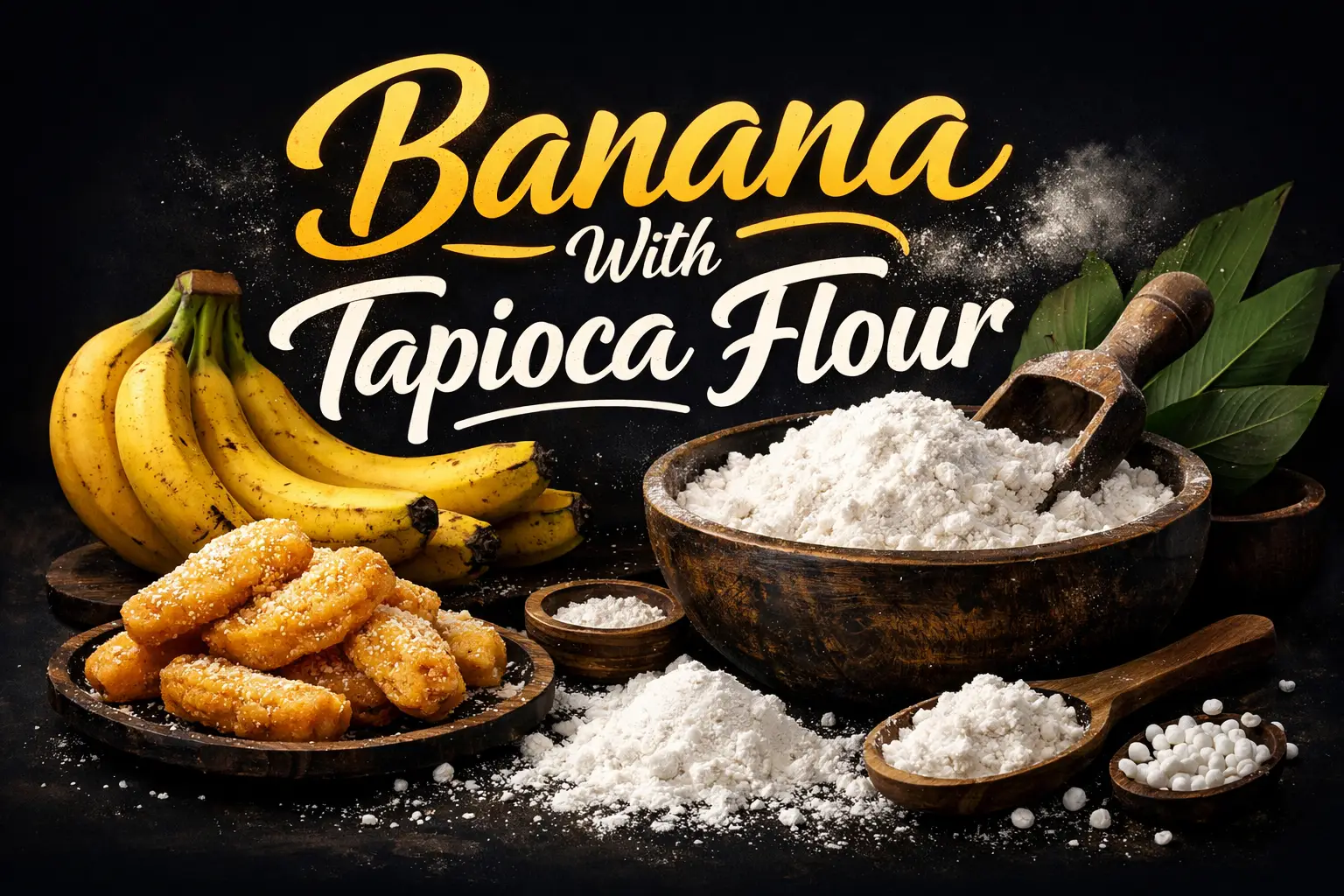
Banana with tapioca flour is a simple yet remarkably versatile combination that has gained popularity across various culinary traditions. From gluten-free baking to traditional Asian and Latin American desserts, the pairing of ripe bananas and tapioca flour creates a unique texture profile that is chewy, moist, and naturally sweet. Whether used in pancakes, fritters, dumplings, puddings, or breads, this ingredient duo offers both comfort and creativity.
This comprehensive guide explores banana with tapioca flour from every angle: its nutritional properties, culinary science, global influences, popular recipes, health considerations, preparation techniques, and modern adaptations. By the end, you will understand why this combination is celebrated in both traditional kitchens and contemporary gluten-free cooking.
Understanding Tapioca Flour
Tapioca flour, sometimes called tapioca starch, is derived from the cassava root. Cassava is a starchy tuber native to South America but widely cultivated in tropical regions including Southeast Asia and Africa.
Tapioca flour is:
- Naturally gluten-free
- Neutral in flavor
- Fine and powdery in texture
- Highly absorbent
- Known for creating chewiness
Unlike wheat flour, tapioca flour contains no gluten protein. Instead, it relies on starch properties to bind and thicken. When heated, tapioca starch gelatinizes, creating elasticity and a slightly stretchy texture that pairs beautifully with soft fruits like bananas.
Why Banana and Tapioca Flour Work So Well Together
The combination of banana and tapioca flour works due to complementary properties.
Bananas provide:
- Natural sweetness
- Moisture
- Binding ability
- Creamy texture
- Mild fruity flavor
Tapioca flour provides:
- Structure
- Elasticity
- Light crisp exterior when fried
- Chewy interior texture
When combined, mashed bananas add moisture and sweetness, reducing the need for added sugar, while tapioca flour gives structure without heaviness. This pairing is especially popular in gluten-free cooking because it does not require wheat flour to achieve desirable texture.
Nutritional Overview
Bananas
Bananas are rich in:
- Potassium
- Vitamin B6
- Vitamin C
- Dietary fiber
- Natural sugars
They provide quick energy and support muscle function.
Tapioca Flour
Tapioca flour is primarily composed of carbohydrates. It contains:
- Very little protein
- Minimal fat
- No gluten
- Easily digestible starch
While not particularly high in vitamins or minerals, tapioca flour is valued for its digestibility and allergy-friendly profile.
Together, banana and tapioca flour create a carbohydrate-rich dish suitable for energy replenishment.
Popular Banana and Tapioca Flour Recipes
This ingredient combination appears in various culinary traditions.
Banana Tapioca Pancakes
A simple batter made from mashed bananas, tapioca flour, eggs (optional), and a pinch of salt creates soft pancakes with a slightly chewy bite. These are popular in gluten-free households.
Banana Tapioca Fritters
In many tropical regions, sliced bananas are coated in a tapioca-based batter and deep-fried until golden brown. The outside becomes crisp while the inside remains soft and sweet.
Banana Tapioca Dumplings
In Southeast Asian cuisine, bananas are sometimes wrapped in tapioca dough and steamed, creating a tender, translucent dumpling.
Banana Tapioca Bread
Though different from traditional wheat banana bread, this variation is denser and chewier. Often blended with coconut milk, it creates a moist loaf with tropical flavor.
Banana Tapioca Pudding
Small tapioca pearls cooked in coconut milk with banana slices produce a comforting dessert with layered texture.
Gluten-Free Appeal
One of the biggest reasons banana with tapioca flour has grown in popularity is its role in gluten-free cooking. Many individuals with celiac disease or gluten sensitivity seek alternatives to wheat flour.
Tapioca flour is:
- Certified gluten-free
- Commonly used in gluten-free baking blends
- A thickening agent for soups and sauces
When paired with bananas, which naturally bind ingredients, it creates recipes that do not require xanthan gum or additional binders.
Texture Science: How Tapioca Changes the Dish
The starch in tapioca flour behaves differently than wheat flour.
When heated:
- It absorbs water rapidly.
- It thickens mixtures.
- It creates elasticity.
- It forms a glossy finish.
Banana puree contains water and natural sugars. When combined with tapioca flour and heated, the starch granules swell and gelatinize, creating the chewy texture often associated with tapioca-based desserts.
This is why banana-tapioca dishes often feel springy rather than crumbly.
Traditional Cultural Uses
Southeast Asia
In countries like Thailand and Vietnam, tapioca-based desserts frequently incorporate bananas and coconut milk.
South America
Cassava, the source of tapioca, originates in South America. Brazilian cuisine features tapioca crepes, sometimes filled with banana and cinnamon.
African Cuisine
Cassava flour is a staple in many African countries, and bananas are often paired with cassava-based preparations.
These cultural influences highlight how banana and tapioca flour naturally complement each other in tropical climates where both ingredients are abundant.
Step-by-Step Basic Banana Tapioca Pancake Recipe
Ingredients:
- 2 ripe bananas
- ½ cup tapioca flour
- 1 egg (optional)
- 1 tablespoon coconut oil
- Pinch of salt
Instructions:
- Mash bananas until smooth.
- Add tapioca flour and mix thoroughly.
- Add egg and salt, stirring until a smooth batter forms.
- Heat pan with coconut oil.
- Spoon batter onto pan and cook until golden.
- Flip carefully and cook other side.
The result is a slightly chewy, naturally sweet pancake perfect for breakfast.
Vegan and Egg-Free Options
Bananas themselves can act as binders. For egg-free recipes:
- Increase banana quantity slightly.
- Add a tablespoon of flaxseed meal mixed with water.
- Ensure batter consistency remains thick but pourable.
This makes banana tapioca dishes ideal for plant-based diets.
Health Considerations
While banana and tapioca flour dishes are gluten-free, they are still high in carbohydrates.
Benefits:
- Easy digestion
- Energy boost
- Naturally sweetened options
- Suitable for gluten-sensitive individuals
Limitations:
- Low protein content
- Low fiber if over-refined
- High glycemic potential
To improve nutritional balance:
- Add nuts or seeds.
- Incorporate chia or flax.
- Serve with yogurt or nut butter for protein.
Banana Ripeness Matters
The ripeness of bananas affects flavor and texture.
Overripe bananas:
- Sweeter
- Softer
- Easier to mash
- Better for baking
Less ripe bananas:
- Less sweet
- Firmer
- May require additional sweetener
Most banana tapioca recipes work best with overripe bananas.
Common Mistakes to Avoid
Too Much Tapioca Flour
Excess flour can make the dish overly gummy.
Undercooking
Tapioca flour must be fully cooked to eliminate raw starch taste.
Incorrect Batter Consistency
Too thick: results in dense texture.
Too thin: spreads too much and becomes sticky.
Balancing moisture is key.
Flavor Enhancements
Banana and tapioca flour provide a neutral base that pairs well with:
- Cinnamon
- Cardamom
- Vanilla extract
- Nutmeg
- Coconut milk
- Dark chocolate
- Honey or maple syrup
These additions elevate simple recipes into gourmet treats.
Storage and Shelf Life
Fresh banana-tapioca dishes are best consumed warm.
Storage tips:
- Refrigerate leftovers for up to 2 days.
- Reheat in a skillet for best texture.
- Avoid freezing pancakes as texture may change.
Pudding versions store well when sealed airtight.
Modern Adaptations and Fusion Ideas
Contemporary chefs have experimented with:
- Banana tapioca waffles
- Air-fried fritters
- Tapioca-banana energy bites
- Banana tapioca crepes with peanut filling
- Protein-enhanced banana tapioca muffins
The gluten-free movement has inspired creative reinterpretations of traditional recipes.
Comparing Tapioca Flour to Other Gluten-Free Flours
Compared to almond flour:
- Tapioca is lighter.
- Less nutty flavor.
- More elastic texture.
Compared to rice flour:
- Tapioca creates more chewiness.
- Rice flour is drier and more crumbly.
Compared to coconut flour:
- Tapioca absorbs less liquid.
- Coconut flour requires more eggs.
For banana recipes, tapioca flour often provides a softer result.
Energy and Fitness Applications
Banana and tapioca combinations are sometimes used as pre-workout snacks because:
- Bananas offer quick carbohydrates.
- Tapioca provides easily digestible starch.
Athletes seeking quick energy without gluten may find this pairing beneficial.
Family-Friendly and Allergy-Friendly
Banana with tapioca flour recipes are suitable for:
- Children
- Gluten-sensitive individuals
- Dairy-free diets (if milk is avoided)
- Nut-free households
Because tapioca is derived from cassava root rather than grains, it is generally well tolerated.
The Role of Moisture Control
Moisture determines success in banana-tapioca dishes.
Bananas vary in water content. If batter is too wet:
- Add small increments of flour.
If too dry:
- Add a tablespoon of milk or coconut milk.
Precision ensures balanced texture.
Why This Combination Is Growing in Popularity
Several trends contribute to its rise:
- Gluten-free demand
- Minimal ingredient cooking
- Natural sweeteners
- Tropical flavor popularity
- Plant-based diets
Home cooks appreciate its simplicity and versatility.
Conclusion
Banana with tapioca flour is more than a simple ingredient pairing—it is a versatile culinary foundation rooted in tropical tradition and modern dietary trends. The natural sweetness and moisture of bananas blend seamlessly with the elastic, gluten-free properties of tapioca flour to create dishes that are chewy, comforting, and adaptable.
From pancakes and fritters to puddings and breads, this combination offers creative potential for both traditional and contemporary kitchens. While primarily carbohydrate-rich, it can be enhanced with protein and fiber to create balanced meals and snacks.
Whether you are exploring gluten-free baking, seeking easy breakfast ideas, or experimenting with international flavors, banana with tapioca flour provides a reliable and delicious base. Its simplicity, accessibility, and adaptability ensure that it will remain a beloved pairing in kitchens around the world.