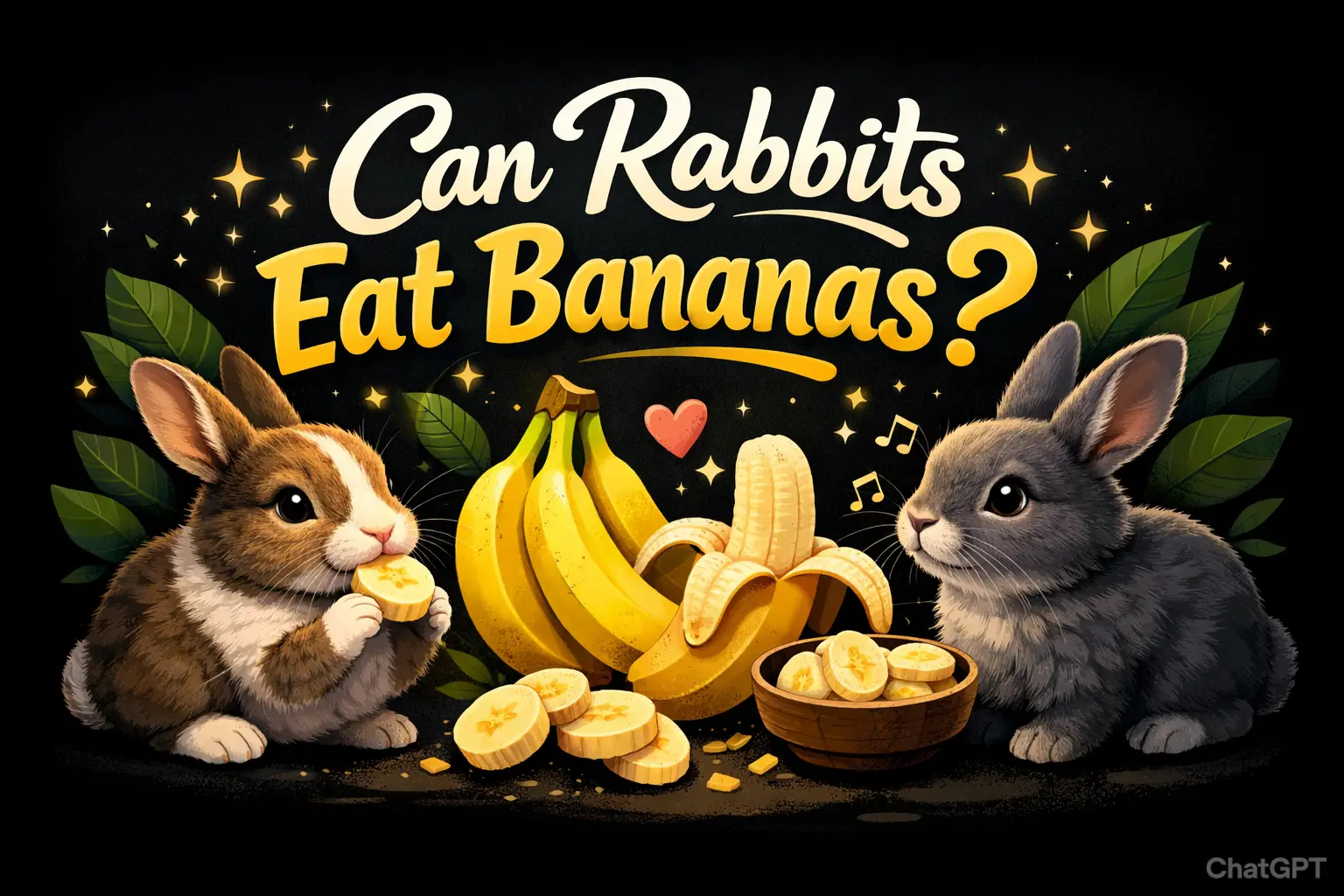
Rabbits are adorable, intelligent, and sensitive animals that require carefully balanced diets to maintain their health. As herbivores with highly specialized digestive systems, rabbits thrive on fiber-rich foods such as hay and leafy greens. However, many pet owners wonder: can rabbits eat bananas?
The short answer is yes — rabbits can eat bananas — but only in very small quantities and as an occasional treat. While bananas are not toxic to rabbits, they are high in sugar and must be fed responsibly. This comprehensive guide explores the nutritional implications, health risks, safe feeding guidelines, portion sizes, benefits, alternatives, and expert recommendations regarding feeding bananas to rabbits.
Understanding a Rabbit’s Digestive System
Before discussing bananas specifically, it is important to understand how a rabbit’s digestive system works.
Rabbits have a delicate gastrointestinal tract designed primarily to process:
- Hay (especially timothy hay)
- Grasses
- Leafy greens
- Small amounts of pellets
Their digestive system relies heavily on fiber to maintain proper gut motility. Unlike humans, rabbits cannot tolerate high-sugar or high-fat foods well. Excess sugar can disrupt the balance of beneficial bacteria in their cecum (a specialized fermentation chamber in their gut).
Because bananas are naturally high in sugar, they must be offered cautiously.
Nutritional Breakdown of Bananas
Bananas are rich in:
- Natural sugars (glucose, fructose, sucrose)
- Potassium
- Vitamin B6
- Vitamin C
- Dietary fiber
- Small amounts of magnesium
While these nutrients are beneficial for humans, rabbits do not require sugary fruits to meet their nutritional needs. Their primary requirement is fiber, not sugar.
A typical banana contains approximately 12–15 grams of sugar per 100 grams. For a small animal like a rabbit, even a small slice represents a significant sugar intake.
Are Bananas Safe for Rabbits?
Yes, bananas are safe for rabbits in moderation. They are not toxic and can be given occasionally as a treat. However, feeding too much banana can lead to:
- Obesity
- Gastrointestinal upset
- Diarrhea
- Soft stools
- Tooth problems
- Reduced hay consumption
The key is moderation and infrequency.
Why Rabbits Love Bananas
If you offer banana to a rabbit, you may notice intense enthusiasm. Rabbits are naturally attracted to sweet flavors. Bananas are one of the sweetest fruits commonly offered to pets.
Because of their high sugar content, rabbits may quickly develop a preference for bananas and begin refusing healthier foods like hay. This is why bananas must remain an occasional reward rather than a dietary staple.
How Much Banana Can a Rabbit Eat?
The recommended portion size is extremely small.
General guideline:
- 1 to 2 thin slices (about the size of your thumbnail)
- Once or twice per week at most
For dwarf breeds, even smaller portions are advisable.
Large rabbit breeds may tolerate slightly larger pieces, but sugar intake should always remain minimal.
Can Baby Rabbits Eat Bananas?
No, baby rabbits (under 12 weeks old) should not be given bananas.
Young rabbits have especially sensitive digestive systems. They should primarily consume:
- Mother’s milk (if nursing)
- Alfalfa hay
- Small amounts of pellets
Introducing sugary fruits too early can disrupt gut bacteria and lead to serious digestive complications.
Can Rabbits Eat Banana Peels?
Banana peels are not toxic, but they are not recommended.
Reasons include:
- Potential pesticide residue
- Tough texture
- Digestive difficulty
If you choose to offer a tiny piece of peel, ensure it is thoroughly washed and organic. However, most veterinarians advise sticking to small portions of banana flesh only.
Potential Health Benefits
While bananas are not necessary for rabbits, small portions may offer minor benefits.
Potassium Support
Bananas contain potassium, which supports muscle and nerve function. However, rabbits typically receive sufficient potassium from leafy greens.
Positive Reinforcement Tool
Because rabbits love bananas, they can be used effectively as:
- Training rewards
- Bonding treats
- Medication disguises
The strong smell and sweetness can help encourage reluctant rabbits to take medicine.
Risks of Feeding Too Much Banana
Overfeeding bananas can lead to significant health issues.
Gastrointestinal Stasis
Rabbits are prone to GI stasis, a dangerous slowdown of gut movement. Excess sugar can disrupt healthy gut bacteria and contribute to digestive imbalance.
Obesity
Rabbits that consume too many sugary treats may gain excess weight. Obesity increases the risk of:
- Arthritis
- Heart strain
- Reduced mobility
- Difficulty grooming
Dental Problems
Rabbits’ teeth grow continuously. Chewing hay helps wear them down. If rabbits prefer soft sugary treats over hay, dental overgrowth may occur.
Soft Cecotropes
Rabbits produce cecotropes — special nutrient-rich droppings they re-ingest. Too much sugar can cause soft, sticky cecotropes that rabbits fail to consume properly.
Comparing Bananas to Other Fruits
Many fruits can be offered occasionally to rabbits.
Safe fruit options include:
- Apple (without seeds)
- Blueberries
- Strawberries
- Mango (small pieces)
- Pineapple (very small portion)
Among fruits, bananas are one of the highest in sugar, so they should be given more sparingly than berries.
Signs Your Rabbit Has Had Too Much Banana
Watch for:
- Diarrhea
- Reduced appetite
- Lethargy
- Bloating
- Sticky droppings
- Refusal to eat hay
If digestive upset occurs, stop feeding fruit immediately and monitor closely. If symptoms persist, consult a rabbit-savvy veterinarian.
Best Way to Offer Banana to a Rabbit
Follow these steps:
- Choose a ripe banana.
- Peel and slice a very thin piece.
- Offer by hand or place in feeding bowl.
- Observe your rabbit for any digestive reaction.
Always introduce new foods gradually.
Building a Proper Rabbit Diet
Bananas should never replace a balanced rabbit diet.
An ideal rabbit diet consists of:
- 80–90% hay (timothy hay for adults)
- Fresh leafy greens daily
- Limited pellets
- Fresh water at all times
- Occasional fruit treats (including banana)
Hay is the foundation of digestive health and dental maintenance.
Why Fiber Is More Important Than Sugar
Fiber keeps a rabbit’s digestive system moving properly. Without adequate fiber, harmful bacteria can overgrow in the gut.
Unlike humans, rabbits do not need sugary foods for energy. Their digestive systems are optimized for processing fibrous plant material.
This is why fruit should remain a small addition rather than a staple.
Training and Enrichment Use
Bananas can be used strategically for enrichment.
Ideas include:
- Tiny pieces hidden in puzzle toys
- Reward for litter box training
- Reinforcement during grooming sessions
- Encouragement during bonding with new rabbits
The strong aroma makes bananas highly motivating.
Seasonal Feeding Considerations
During hot weather, rabbits may be less active. Offering high-sugar foods in summer can contribute to weight gain if activity decreases.
During winter, rabbits may require slightly higher caloric intake, but hay remains the safest calorie source.
Fruit intake should not vary significantly with seasons.
Wild Rabbits vs Domestic Rabbits
Wild rabbits do not regularly consume bananas. Their natural diet consists of grasses, bark, and wild plants.
Domestic rabbits have similar digestive biology. Therefore, fruit remains an unnatural, supplemental food rather than a primary source.
Veterinary Recommendations
Most rabbit-savvy veterinarians agree:
- Bananas are safe in moderation.
- Treats should not exceed 5% of total diet.
- Hay must remain the dominant food source.
- Monitor stool consistency after new treats.
If your rabbit has a history of digestive problems, fruit may need to be avoided entirely.
Healthier Treat Alternatives
If you want safer options, consider:
- Small pieces of carrot (also sugary, so limited)
- Fresh herbs like parsley or cilantro
- Dandelion greens
- Basil
- Dill
- Mint leaves
Leafy herbs provide flavor without excessive sugar.
Frequently Asked Questions
Can rabbits eat dried bananas?
No. Dried bananas contain concentrated sugar and should be avoided.
Can rabbits eat banana chips?
No. Banana chips are often fried or contain added sugar and preservatives.
Can rabbits eat green bananas?
Green bananas are less sweet but harder to digest. Ripe bananas are preferable in tiny portions.
Can rabbits eat banana every day?
No. Bananas should not be given daily.
Responsible Treat Philosophy
Treats are about enrichment and bonding, not nutrition. A rabbit’s long-term health depends on proper fiber intake, dental wear, and gut stability.
Bananas should be seen as:
- A special reward
- A rare indulgence
- A bonding tool
- Not a dietary requirement
Conclusion
So, can rabbits eat bananas? Yes — but only in small amounts and only occasionally. Bananas are not toxic, but their high sugar content makes them unsuitable as a regular food.
A healthy rabbit diet should focus on:
- Unlimited hay
- Fresh leafy greens
- Clean water
- Limited pellets
- Very small fruit treats
When offered responsibly, bananas can serve as an enjoyable reward and bonding tool. However, moderation is critical to prevent digestive issues, obesity, and dental problems.
Understanding your rabbit’s nutritional needs ensures a long, healthy, and happy life. By prioritizing fiber and using bananas sparingly, you can give your rabbit a safe treat without compromising their well-being.