Eating healthy does not always require complicated diets, expensive superfoods, or strict meal plans. Often, the key to long-term health lies in consistently eating simple, nutrient-dense foods every day. The human body needs a wide range of vitamins, minerals, antioxidants, healthy fats, fiber, and proteins to function optimally. Including the right foods in your daily diet can improve energy levels, support immunity, enhance brain function, maintain heart health, and promote longevity.
While variety in diet is essential, there are certain foods that provide exceptional nutritional value and are beneficial to eat regularly. These foods are rich in essential nutrients and can easily be incorporated into everyday meals.
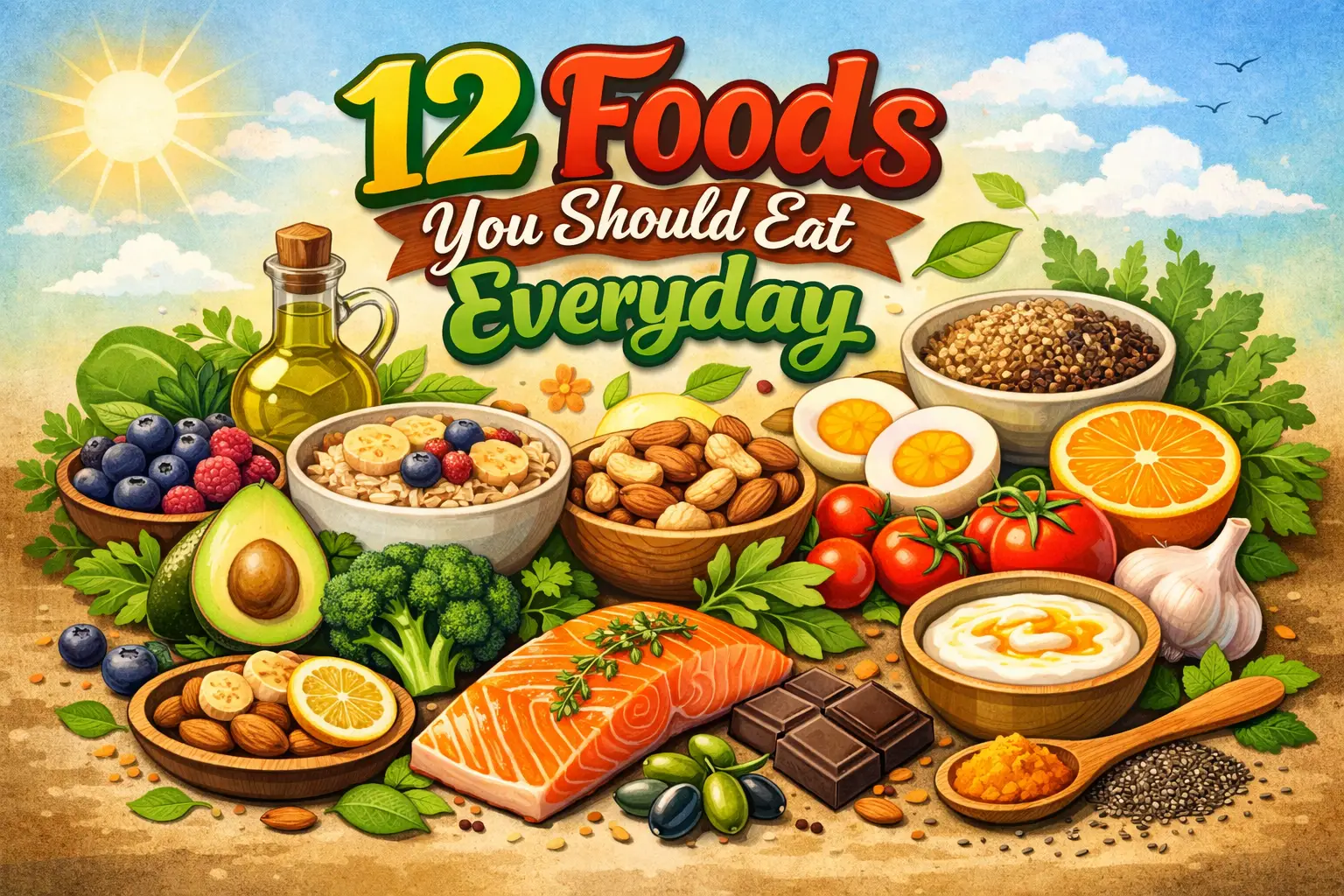
Below are twelve foods you should consider eating every day to support overall health and wellness.
1. Leafy Green Vegetables
Leafy greens are among the most nutrient-dense foods on the planet. Vegetables such as spinach, kale, lettuce, Swiss chard, and arugula are packed with vitamins, minerals, and antioxidants that support nearly every system in the body.
These vegetables are particularly rich in vitamins A, C, and K. Vitamin A helps maintain healthy vision and skin, vitamin C supports the immune system, and vitamin K plays a crucial role in blood clotting and bone health. Leafy greens also contain folate, magnesium, potassium, and iron.
Another key benefit of leafy greens is their high fiber content, which supports digestive health and helps regulate blood sugar levels. Because they are low in calories but high in nutrients, they are ideal for maintaining a healthy weight.
Adding leafy greens to your daily diet can be as simple as including them in salads, smoothies, soups, omelets, or sandwiches.
2. Eggs
Eggs are one of the most complete and affordable sources of protein available. A single egg contains high-quality protein along with essential nutrients such as vitamin B12, vitamin D, selenium, and choline.
Choline is particularly important for brain health and plays a role in memory, mood regulation, and nervous system function. Eggs also contain antioxidants like lutein and zeaxanthin, which support eye health and may help reduce the risk of age-related eye diseases.
Despite past concerns about cholesterol, modern research suggests that moderate egg consumption is safe for most people and can be part of a healthy diet.
Eggs are extremely versatile and can be boiled, scrambled, poached, or used in many different recipes, making them easy to eat every day.
3. Berries
Berries are small fruits with enormous nutritional benefits. Popular varieties include strawberries, blueberries, raspberries, and blackberries. These fruits are rich in antioxidants, vitamins, and fiber.
One of the most notable characteristics of berries is their high antioxidant content. Antioxidants help protect the body from oxidative stress and inflammation, which are linked to chronic diseases such as heart disease, diabetes, and cancer.
Berries are also a great source of vitamin C, which helps strengthen the immune system and promotes healthy skin.
Because they are naturally sweet yet relatively low in calories, berries make a perfect daily snack. They can also be added to yogurt, oatmeal, smoothies, or salads.
4. Nuts
Nuts are nutrient-dense foods that provide healthy fats, protein, fiber, and a variety of vitamins and minerals. Almonds, walnuts, pistachios, and cashews are some of the most commonly consumed nuts.
These foods are particularly rich in monounsaturated and polyunsaturated fats, which support heart health by helping reduce bad cholesterol levels. Nuts also contain magnesium, vitamin E, and antioxidants.
Eating a small handful of nuts every day has been associated with a reduced risk of heart disease and improved metabolic health.
Because nuts are calorie-dense, moderation is important. A small portion—about a handful—is typically enough to gain their benefits without excessive calorie intake.
5. Yogurt
Yogurt is an excellent source of calcium, protein, and probiotics. Probiotics are beneficial bacteria that support gut health and help maintain a balanced digestive system.
A healthy gut plays an important role in immunity, nutrient absorption, and even mental health. Consuming probiotic-rich foods like yogurt regularly can support the digestive system and improve overall well-being.
Yogurt is also rich in calcium and vitamin D, both of which are essential for maintaining strong bones and teeth.
Plain yogurt is generally the healthiest option, as flavored varieties often contain added sugars. It can be enjoyed on its own or combined with fruits, nuts, and seeds for a nutritious meal or snack.
6. Whole Grains
Whole grains are an important part of a balanced diet because they provide complex carbohydrates, fiber, and essential nutrients. Examples include oats, brown rice, quinoa, whole wheat, and barley.
Unlike refined grains, whole grains retain their bran and germ layers, which contain most of the fiber and nutrients. This makes them more nutritious and beneficial for digestion.
The fiber in whole grains helps regulate blood sugar levels, promotes feelings of fullness, and supports heart health by lowering cholesterol levels.
Starting the day with oatmeal or incorporating whole grain bread, rice, or pasta into meals can significantly improve the nutritional quality of your diet.
7. Garlic
Garlic is not only a flavorful ingredient but also a powerful medicinal food. It has been used for centuries in traditional medicine due to its health-promoting properties.
Garlic contains compounds such as allicin, which have antibacterial, antiviral, and anti-inflammatory effects. These compounds can help strengthen the immune system and reduce the risk of infections.
Regular consumption of garlic has also been linked to improved heart health. Studies suggest that it may help lower blood pressure and reduce cholesterol levels.
Adding garlic to soups, sauces, stir-fries, and roasted vegetables is an easy way to incorporate it into everyday meals.
8. Avocados
Avocados are unique fruits that are rich in healthy fats, particularly monounsaturated fats. These fats are beneficial for heart health and may help reduce inflammation.
In addition to healthy fats, avocados provide potassium, fiber, vitamin K, vitamin E, and folate. Potassium helps regulate blood pressure, while fiber supports digestion.
Avocados are also very satisfying and can help reduce hunger between meals, making them beneficial for weight management.
They can be added to salads, sandwiches, smoothies, or spread on whole grain toast for a nutritious daily meal.
9. Beans and Legumes
Beans and legumes such as lentils, chickpeas, black beans, and kidney beans are excellent sources of plant-based protein and fiber.
These foods are rich in iron, magnesium, potassium, and folate. Their high fiber content supports digestive health and helps stabilize blood sugar levels.
Beans and legumes are also known to promote heart health. Studies show that people who regularly consume legumes have a lower risk of cardiovascular disease.
They are extremely versatile and can be used in soups, salads, curries, stews, and grain bowls.
10. Fatty Fish
Fatty fish like salmon, sardines, mackerel, and tuna are among the best sources of omega-3 fatty acids. Omega-3s are essential fats that play a critical role in heart and brain health.
These fats help reduce inflammation, lower triglyceride levels, and may reduce the risk of heart disease. Omega-3 fatty acids are also important for cognitive function and mental health.
Fatty fish are also rich in high-quality protein, vitamin D, and selenium.
Health experts often recommend eating fatty fish several times per week, but including small portions regularly can provide even greater health benefits.
11. Sweet Potatoes
Sweet potatoes are highly nutritious root vegetables that are rich in vitamins, minerals, and antioxidants. Their bright orange color indicates a high content of beta-carotene, which the body converts into vitamin A.
Vitamin A supports immune function, skin health, and vision. Sweet potatoes also contain vitamin C, potassium, and fiber.
Because they are complex carbohydrates, they provide sustained energy without causing rapid spikes in blood sugar.
Sweet potatoes can be baked, roasted, mashed, or added to soups and stews.
12. Apples
Apples are one of the most widely available and nutritious fruits. The phrase “an apple a day keeps the doctor away” reflects their long-standing reputation as a health-promoting food.
Apples are rich in fiber, particularly pectin, which supports digestive health and helps maintain stable blood sugar levels. They also contain vitamin C and various antioxidants that help reduce inflammation.
The skin of the apple contains many of its beneficial compounds, so it is best to eat apples unpeeled whenever possible.
Apples are convenient, portable, and easy to include in daily meals or snacks.
How to Incorporate These Foods Into Your Daily Diet
Knowing which foods are healthy is one thing, but consistently including them in your diet is another. The key is to integrate these foods into simple, balanced meals.
For example, a healthy breakfast could include oatmeal topped with berries and yogurt. Lunch might feature a salad with leafy greens, avocado, beans, and grilled fish. Dinner could include roasted sweet potatoes, whole grains, vegetables, and garlic-seasoned dishes. Snacks can consist of apples, nuts, or yogurt.
By combining these foods throughout the day, you naturally create a balanced diet that supports long-term health.
Benefits of Eating Nutrient-Dense Foods Daily
Consistently consuming nutrient-rich foods can have profound effects on health and well-being.
Improved immune function is one of the most immediate benefits. Vitamins, minerals, and antioxidants help the body defend against infections and illnesses.
Better digestive health is another advantage, thanks to the fiber found in fruits, vegetables, whole grains, and legumes.
Heart health also improves with regular consumption of healthy fats, fiber, and omega-3 fatty acids.
In addition, nutrient-dense foods support brain health, maintain stable energy levels, promote healthy skin, and contribute to weight management.
Over time, these benefits can significantly reduce the risk of chronic diseases such as diabetes, heart disease, and certain types of cancer.
Final Thoughts
Healthy eating does not need to be complicated. By focusing on whole, natural foods that provide essential nutrients, you can create a diet that supports your body every day.
The twelve foods discussed—leafy greens, eggs, berries, nuts, yogurt, whole grains, garlic, avocados, beans, fatty fish, sweet potatoes, and apples—are among the most nutritious and versatile foods available.
Including these foods regularly can help improve energy, strengthen immunity, support heart and brain health, and enhance overall well-being.
The most effective approach to nutrition is consistency. When these foods become part of your daily routine, they can play a powerful role in maintaining long-term health and helping you feel your best every day.