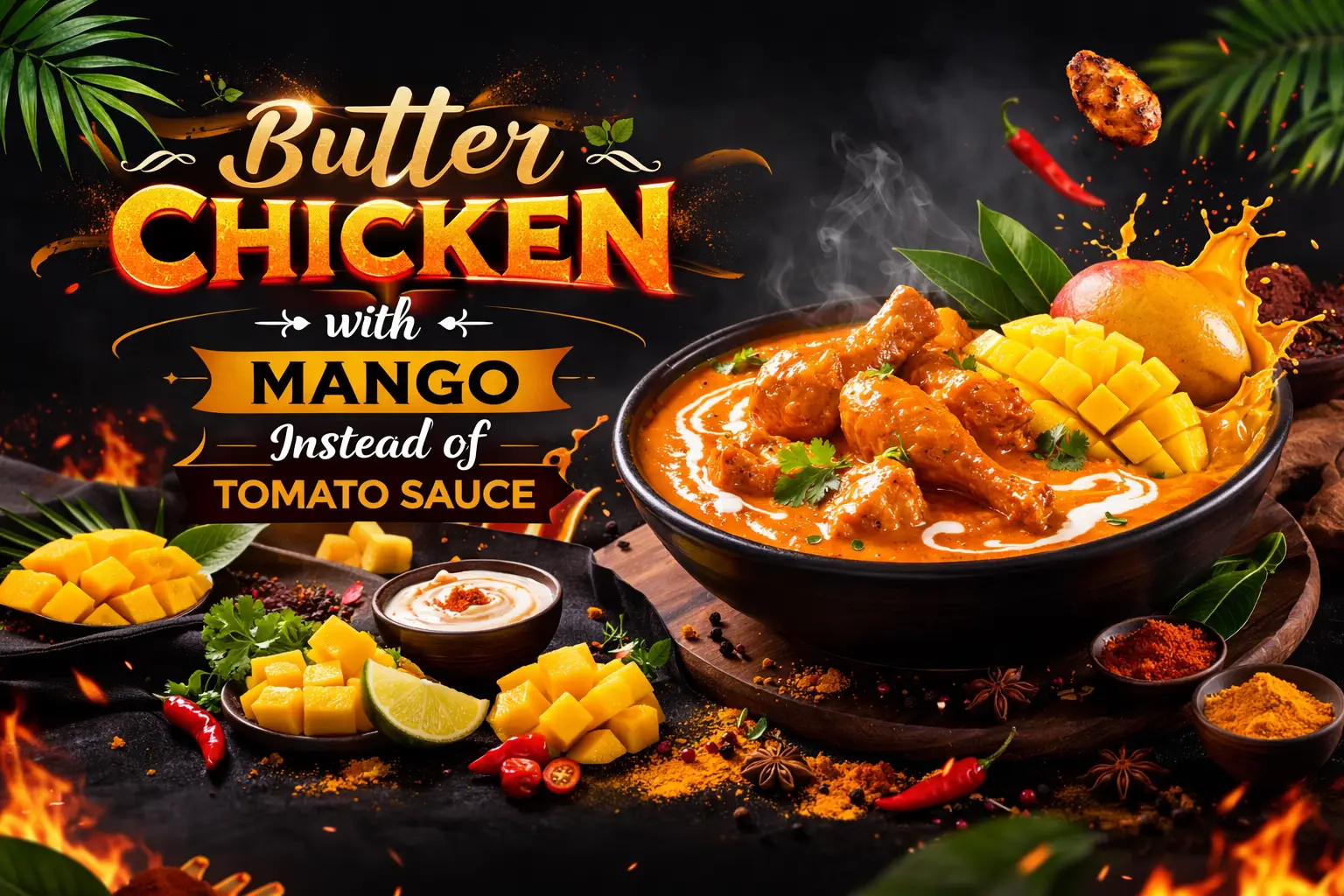
Butter chicken is one of the most loved dishes to emerge from South Asian cuisine. Traditionally known as murgh makhani, it is recognized for its velvety tomato-based sauce enriched with butter, cream, and warm spices. The tomato element gives the dish its signature tang, balancing the richness of dairy and the smoky flavors of marinated chicken. But what happens when you replace tomato sauce with mango? The result is a surprisingly harmonious fusion that combines sweetness, gentle acidity, and tropical aroma with the familiar comfort of butter chicken.
This version of butter chicken transforms a well-known classic into something exciting yet approachable. Mango introduces natural sweetness and depth, creating a smoother sauce while still complementing the spices that define the dish. Whether you are experimenting with flavors, accommodating dietary preferences, or simply craving a different take on a favorite meal, butter chicken made with mango instead of tomato sauce is worth exploring in detail.
Understanding Traditional Butter Chicken and Its Flavor Balance
To appreciate the mango variation, it helps to understand what makes classic butter chicken work so well. The original dish was created as a clever way to use leftover tandoori chicken, which was simmered in a buttery tomato gravy to keep it moist and flavorful. The sauce relies on several elements:
- Tanginess from tomatoes
- Creaminess from butter and cream
- Aromatic warmth from spices such as garam masala, cumin, coriander, and fenugreek
- Mild sweetness to balance acidity
- Smoky depth from grilled or roasted chicken
When replacing tomatoes, the biggest challenge is maintaining balance. Tomatoes naturally provide acidity and umami. Mango, on the other hand, brings sweetness and fruit-forward notes. The recipe must therefore adapt by adjusting spices, aromatics, and acidity to ensure the sauce remains layered rather than overly sweet.
Why Mango Works So Well in Butter Chicken
At first glance, mango in a savory curry might sound unusual, but fruit-based curries are common across many culinary traditions. Mango pairs especially well with warm spices due to its natural sugar content and fragrant profile.
Here are a few reasons mango is a great substitute:
Natural Sweetness With Gentle Acidity
Ripe mango contains both sugar and mild acidity. This dual quality helps replicate some of the balancing role tomatoes play in traditional butter chicken.
Smooth, Velvety Texture
Pureed mango creates a naturally thick and creamy consistency. Combined with cream or yogurt, it produces a luxurious sauce without requiring long reduction.
Aromatic Complexity
Mango’s tropical fragrance adds another dimension to the dish. Instead of the bright sharpness of tomato, you get a mellow, rounded flavor that pairs beautifully with spices like cardamom and cinnamon.
Kid-Friendly and Mild
Many people find tomato-based curries slightly acidic or spicy. Mango softens the overall flavor, making the dish appealing to those who prefer gentler heat.
Choosing the Right Mango
The choice of mango significantly affects the final result. Not every variety works equally well.
Best Types of Mango
- Alphonso: Rich, sweet, and deeply aromatic; ideal if available
- Ataulfo (Honey mango): Smooth flesh and balanced sweetness
- Kent or Keitt: Mild sweetness and low fiber content
Fresh vs Frozen vs Puree
Fresh mango offers the brightest flavor, but frozen mango chunks or unsweetened canned puree are convenient alternatives. Avoid sweetened mango pulp meant for desserts, as it can make the curry overly sugary.
Ripeness Matters
Use ripe but not overripe mangoes. Extremely ripe fruit can overwhelm the savory elements and make the sauce taste like chutney instead of curry.
Core Ingredients for Mango Butter Chicken
A successful mango butter chicken keeps the essential structure of the classic recipe while adapting key elements.
Chicken and Marinade
- Boneless chicken thighs or breast
- Yogurt
- Ginger-garlic paste
- Turmeric
- Chili powder
- Garam masala
- Lemon juice
- Salt
Marinating tenderizes the chicken and builds flavor before cooking.
Sauce Base
- Butter or ghee
- Onion, finely chopped
- Ginger and garlic
- Mango puree
- Cashew paste or cream
- Ground spices (cumin, coriander, paprika, turmeric)
- Kasuri methi (dried fenugreek leaves)
- Heavy cream or coconut cream
- A small splash of vinegar or lime juice for balance
The tiny touch of acidity becomes especially important because mango lacks the punch of tomatoes.
Step-by-Step Cooking Process
1. Marinate the Chicken
Mix yogurt, spices, ginger-garlic paste, and lemon juice. Coat the chicken thoroughly and marinate for at least 30 minutes, though overnight yields deeper flavor.
2. Cook or Grill the Chicken
Traditionally, butter chicken uses roasted or grilled chicken for subtle smokiness. You can grill, bake, pan-sear, or broil the pieces until lightly charred. The goal is partial cooking, as they will finish in the sauce.
3. Build the Aromatic Base
In a pan, melt butter and sauté onions until golden and soft. Add ginger and garlic and cook until fragrant.
4. Add Spices
Toast the ground spices briefly in the butter. This releases essential oils and deepens the flavor.
5. Add Mango Puree
Stir in mango puree and simmer gently. The mixture should bubble softly, allowing the fruit’s sweetness to integrate with the spices.
6. Balance the Sauce
Add cream or cashew paste for richness. Taste carefully and adjust salt and acidity with lime juice or vinegar. The sauce should feel creamy and layered, not dessert-like.
7. Finish With Chicken
Add cooked chicken and simmer until fully tender. Sprinkle crushed kasuri methi and a final swirl of cream before serving.
Flavor Profile: What to Expect
Mango butter chicken is not simply sweet curry. When balanced properly, it offers:
- Velvety richness similar to classic butter chicken
- Gentle fruity undertones rather than obvious mango flavor
- Mild sweetness that complements spices
- Subtle tang from added citrus
- Warm, aromatic finish
The spice level can be adjusted easily, but many cooks prefer medium or mild heat to let the mango shine.
Spice Adjustments for Mango-Based Sauce
Because mango adds sweetness, certain spices become more important:
- Increase cumin slightly for earthiness
- Use smoked paprika for depth
- Add black pepper for subtle heat
- Include cardamom for aromatic contrast
- Keep chili moderate to avoid overwhelming the fruit
Kasuri methi plays a crucial role—it introduces a slightly bitter, herbaceous note that prevents the sauce from tasting too sweet.
Serving Suggestions
Mango butter chicken pairs well with many traditional accompaniments.
Rice Options
- Steamed basmati rice
- Jeera rice (cumin rice)
- Coconut rice for tropical harmony
Bread Choices
- Garlic naan
- Butter naan
- Roti or paratha
Side Dishes
- Cucumber raita to cool the palate
- Pickled onions for acidity
- Light salad with lemon dressing
The sauce is rich and flavorful enough that simple sides work best.
Variations and Creative Twists
Coconut Mango Butter Chicken
Replace heavy cream with coconut milk for a dairy-free version that leans into tropical flavors.
Smoky Charred Mango Version
Grill mango slices before pureeing to add subtle caramelized depth.
Spicy Mango Butter Chicken
Add green chilies or cayenne for a sweeter-heat contrast.
Vegetarian Alternative
Swap chicken for paneer, tofu, or chickpeas while keeping the same sauce.
Common Mistakes to Avoid
Using Sweetened Mango Pulp
This is the most frequent issue. Dessert mango pulp creates an overly sugary curry.
Skipping Acidity
Without tomatoes, the dish needs citrus or vinegar to maintain balance.
Overcooking the Mango
Long simmering can dull mango’s natural aroma. Keep cooking gentle and controlled.
Too Much Cream
Because mango is already thick, excessive cream can make the dish heavy rather than silky.
Nutritional Perspective
Mango butter chicken can be adapted for different dietary goals:
- Mango provides vitamin C and antioxidants
- Chicken offers high-quality protein
- Using yogurt instead of heavy cream lowers fat
- Coconut milk creates a dairy-free alternative
For lighter versions, reduce butter and use Greek yogurt or evaporated milk while maintaining texture.
Cultural Fusion and Culinary Creativity
Food evolves through experimentation. While traditional butter chicken holds cultural and historical significance, creative variations like mango butter chicken showcase how adaptable recipes can be. Across South Asian cooking, fruit-based savory dishes are not uncommon—mango chutneys, tamarind sauces, and pineapple curries all demonstrate the region’s appreciation for sweet-savory balance.
Using mango does not replace tradition; instead, it offers a respectful reinterpretation that can introduce new audiences to familiar spices in a different form.
Tips for Perfect Results Every Time
- Taste frequently during cooking
- Add acidity gradually rather than all at once
- Use chicken thighs for juicier texture
- Blend the sauce for restaurant-style smoothness
- Let the curry rest for 10–15 minutes before serving to deepen flavors
Pairing Drinks With Mango Butter Chicken
Because the curry is creamy and mildly sweet, beverages that refresh the palate work best:
- Mango or salted lassi
- Mint lemonade
- Light sparkling water with lime
- Mild white wine or fruity iced tea
Avoid extremely sweet drinks, which can overpower the dish.
Storing and Reheating
Mango butter chicken stores well and often tastes better the next day.
- Refrigerate for up to 3 days
- Freeze in airtight containers for up to 2 months
- Reheat gently on low heat to avoid separating the sauce
Add a splash of water or cream during reheating if needed.
Who Will Love This Dish?
This version appeals to:
- People who enjoy mild curries
- Families introducing children to spiced food
- Mango lovers seeking savory applications
- Home cooks experimenting with fusion cuisine
- Anyone wanting a unique alternative to tomato-heavy curries
Final Thoughts
Butter chicken with mango instead of tomato sauce is more than a novelty—it is a thoughtful adaptation that highlights how flexible and creative cooking can be. The mango brings sweetness, fragrance, and smooth texture while still allowing the foundational spices and buttery richness to shine. When balanced with the right level of acidity and seasoning, this dish retains the comforting essence of classic butter chicken while offering an entirely new flavor experience.
Whether you are preparing it for a special dinner, exploring new culinary ideas, or simply using ripe mangoes in an inventive way, this variation proves that tradition and innovation can coexist beautifully on the same plate. The result is a vibrant, creamy curry that feels both familiar and refreshingly different—comfort food with a tropical soul.