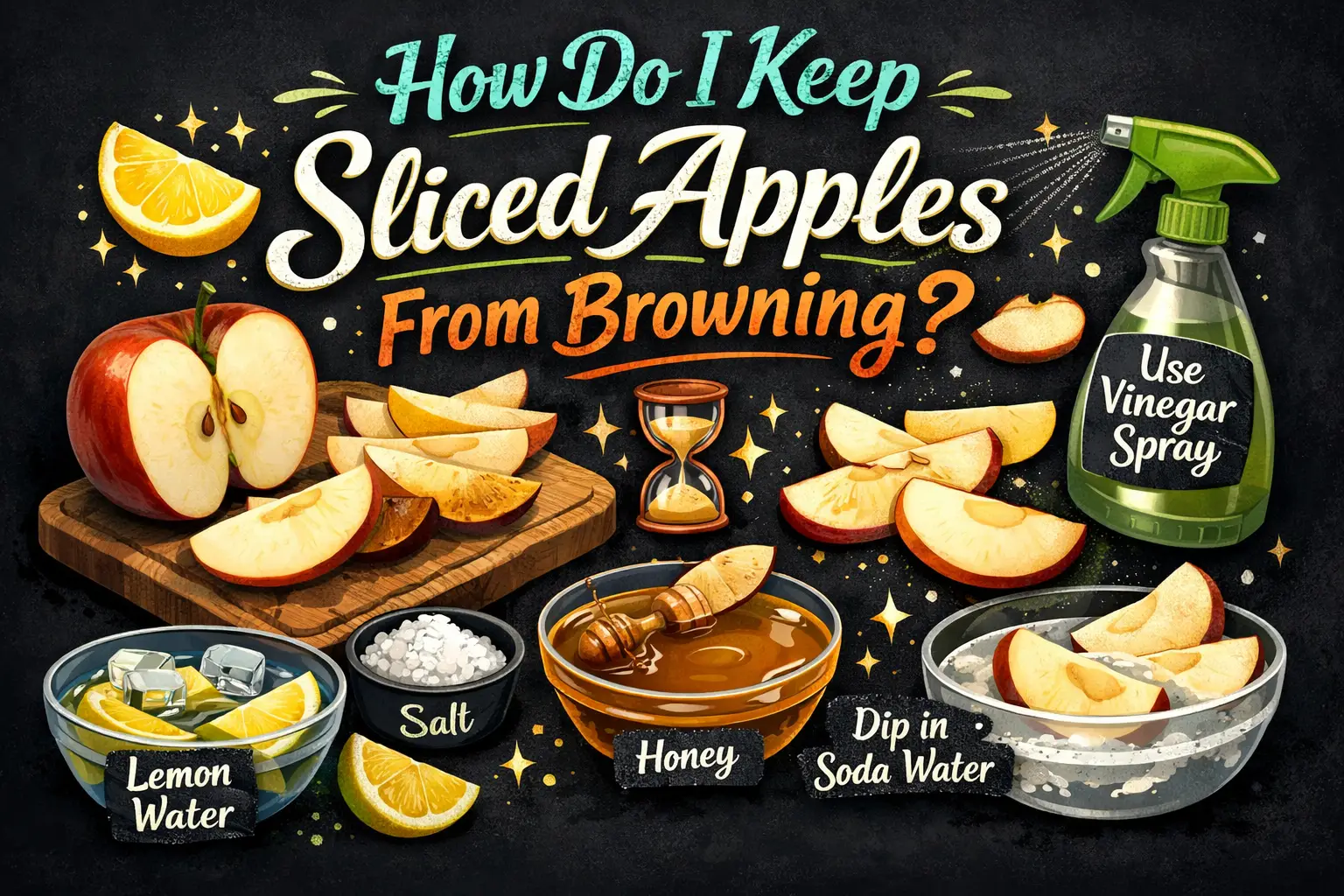
Freshly sliced apples are crisp, sweet, and visually appealing — until they quickly turn an unappetizing shade of brown. Whether you are preparing snacks for kids, building a fruit platter, meal-prepping lunches, or creating beautiful desserts, keeping apples looking fresh can make a big difference. The good news is that browning is completely natural and, more importantly, easy to prevent once you understand why it happens.
In this detailed guide, you will learn exactly why apples brown, the most effective methods to stop or slow the process, and practical tips for storing sliced apples so they stay fresh, tasty, and attractive for longer.
Why Do Sliced Apples Turn Brown?
Before preventing browning, it helps to understand the science behind it. When an apple is cut, the cells inside the fruit are exposed to oxygen in the air. This triggers a chemical reaction called oxidation. An enzyme known as polyphenol oxidase reacts with oxygen and compounds in the apple, creating brown pigments on the surface.
This reaction is similar to what happens with bananas, avocados, and potatoes. Browning does not usually mean the apple has gone bad — it simply indicates exposure to air. However, browned apples can look less fresh and may develop a slightly different taste or texture over time.
Three main factors influence how quickly apples brown:
- Exposure to oxygen
- Enzyme activity inside the fruit
- The variety of apple being used
Some apple types brown faster than others, and environmental conditions like heat and humidity can speed the process as well.
The Best Methods to Prevent Apple Browning
There are several proven ways to keep sliced apples from turning brown. Many of these methods use simple ingredients you likely already have in your kitchen.
1. Lemon Juice Treatment
Lemon juice is one of the most popular and effective anti-browning solutions. It works because lemon juice contains citric acid and vitamin C (ascorbic acid), which slow oxidation.
How to use it:
- Mix one tablespoon of lemon juice with one cup of water.
- Dip apple slices into the mixture for 1–2 minutes.
- Drain and store as needed.
This method preserves the color well, though it may add a slight citrus flavor. For most people, this subtle tang actually enhances the apple’s taste.
2. Salt Water Soak
A mild saltwater solution is surprisingly effective and commonly recommended for lunchbox apples.
Steps:
- Dissolve about half a teaspoon of salt in one cup of water.
- Soak slices for 3–5 minutes.
- Rinse lightly if desired and pat dry.
The salt helps inhibit the enzyme responsible for browning, and when used in small amounts, it does not make the apples taste salty.
3. Honey Water Method
Honey contains natural compounds that can slow oxidation. This method is gentle and adds slight sweetness.
How to apply:
- Mix one tablespoon of honey into one cup of water.
- Stir until dissolved.
- Soak slices briefly before storing.
This works especially well for children’s snacks because it adds pleasant flavor without noticeable tartness.
4. Pineapple or Orange Juice
Other acidic fruit juices can work just like lemon juice.
- Pineapple juice offers a tropical sweetness.
- Orange juice gives mild citrus notes.
Dip slices briefly or lightly brush juice over the cut surfaces. This method is great for fruit salads where flavor blending is welcome.
5. Carbonated Water (Sparkling Water)
This lesser-known trick works because carbonation lowers the pH and reduces oxygen exposure.
How to use:
- Soak slices in unflavored sparkling water for 3–5 minutes.
- Drain and store.
It does not significantly alter the taste and is convenient when citrus isn’t available.
6. Ascorbic Acid or Vitamin C Powder
If you frequently prepare fruits in advance, vitamin C powder is one of the most effective options.
- Dissolve the powder in water according to package instructions.
- Dip slices briefly.
This is commonly used by professional kitchens and preserves both color and flavor extremely well.
7. Rubber Band or Reassembly Method
If you want to avoid liquids entirely, this clever trick works by reducing air exposure.
- Slice the apple but keep pieces together in the original shape.
- Secure with a rubber band.
Since less surface area touches air, browning slows significantly. This is ideal for packed lunches.
Choosing Apple Varieties That Brown Slowly
Not all apples behave the same after slicing. Some naturally resist browning due to lower enzyme activity or higher acidity.
Apples that tend to brown more slowly include:
- Honeycrisp
- Pink Lady
- Empire
- Fuji
- Gala
Apples that often brown quickly include:
- Granny Smith
- Golden Delicious
- Red Delicious
If presentation matters, selecting slower-browning varieties can reduce the amount of preparation needed.
Storage Tips to Keep Sliced Apples Fresh Longer
Even with anti-browning techniques, proper storage is essential.
Use Airtight Containers
Oxygen is the main culprit behind browning, so limiting air exposure helps dramatically. Use airtight food containers or resealable bags.
Remove Extra Air
If using zip bags, press out as much air as possible before sealing. Some people gently squeeze the bag around the slices to minimize oxygen.
Refrigerate Promptly
Cold temperatures slow enzymatic activity. Store prepared apple slices in the refrigerator and consume within 3–5 days for best texture.
Keep Apples Dry After Treatment
Too much moisture can lead to sogginess. After soaking, drain and lightly pat slices dry before storing.
How Long Do Treated Apple Slices Last?
The shelf life depends on the method used and storage conditions. Generally:
- Lemon or vitamin C treatments: 3–5 days in the fridge
- Saltwater or honey water: about 2–4 days
- Untreated slices: often brown within 30–60 minutes
Texture changes may occur before color changes, so always check firmness before serving.
Preventing Browning for Different Uses
Different situations call for different techniques.
Lunchboxes
Best options:
- Saltwater soak (rinsed)
- Honey water
- Reassembled apple method
These methods maintain flavor and reduce mess.
Fruit Platters and Parties
Best options:
- Lemon juice or pineapple juice
- Ascorbic acid solution
These provide the brightest appearance for long display times.
Baking and Cooking
If apples are being baked into pies or cooked dishes, browning is less important. A quick lemon-water dip is usually enough.
Meal Prep
Use airtight containers combined with a strong anti-browning method like vitamin C or citrus solutions for maximum freshness.
Common Mistakes That Cause Faster Browning
Avoid these frequent errors if you want your apples to stay fresh:
- Cutting apples too far in advance without treatment
- Leaving slices exposed on plates or counters
- Using warm water instead of cold for soaking
- Over-soaking, which can soften texture
- Storing slices next to ethylene-producing fruits like bananas
Are Brown Apples Safe to Eat?
Yes — browning is primarily a cosmetic issue. Unless the apple smells unpleasant, feels slimy, or shows mold, it is still safe to eat. However, browning may slightly reduce vitamin content over time, especially vitamin C.
Natural vs. Commercial Anti-Browning Solutions
You may notice pre-packaged apple slices remain white for days. These products often use food-safe antioxidants like calcium ascorbate. Home methods using citrus juice or vitamin C provide a similar effect without additives.
Commercial options are convenient but may be more expensive, while homemade methods are inexpensive and customizable.
Tips for Kids’ Snacks and School Lunches
Parents often struggle with brown apples in lunchboxes. Here are quick strategies:
- Use cold apple slices straight from the fridge.
- Pack with an ice pack to keep temperature low.
- Choose sweet apples like Gala or Fuji to balance slight acidity from lemon treatments.
- Slice apples thicker, as thinner pieces brown faster.
Small adjustments can make packed apples look freshly cut hours later.
Creative Ways to Serve Anti-Browned Apples
Keeping apples fresh opens up more serving possibilities:
- Apple nachos with peanut butter and granola
- Charcuterie boards with cheese and nuts
- Yogurt parfait toppings
- Overnight oats add-ins
- Smoothie prep packs
Fresh-looking apples not only taste better but also encourage healthier snacking.
The Science Behind Acidity and Browning Control
Acidity plays a central role in preventing browning. Lower pH environments slow enzyme activity, which is why citrus juices work so well. Vitamin C acts as an antioxidant, reacting with oxygen before the apple tissue can.
Understanding this helps you experiment confidently. Any edible, mildly acidic liquid can potentially reduce browning.
Quick Comparison of Anti-Browning Methods
Here is a simple overview:
- Lemon juice: highly effective, slight tartness
- Saltwater: very effective, inexpensive
- Honey water: mild sweetness, kid-friendly
- Pineapple/orange juice: flavorful option
- Sparkling water: neutral taste
- Vitamin C powder: strongest professional-level method
- Reassembly technique: no additives needed
Choosing the right method depends on taste preferences and how long the apples need to stay fresh.
Final Thoughts
Keeping sliced apples from browning is easier than most people think. The key is reducing oxidation by adding acidity, limiting air exposure, and storing apples properly. Whether you prefer lemon juice, saltwater, honey solutions, or simple storage tricks, there is a method suited to every kitchen and situation.
Once you start using these strategies, you can confidently prepare apples ahead of time for lunches, gatherings, or meal prep without worrying about unattractive browning. Fresh, crisp apples not only look better but also encourage healthier eating habits by making nutritious snacks ready whenever you need them.
By understanding the science and choosing the right approach for your needs, you can enjoy beautifully fresh apple slices anytime — no last-minute cutting required.