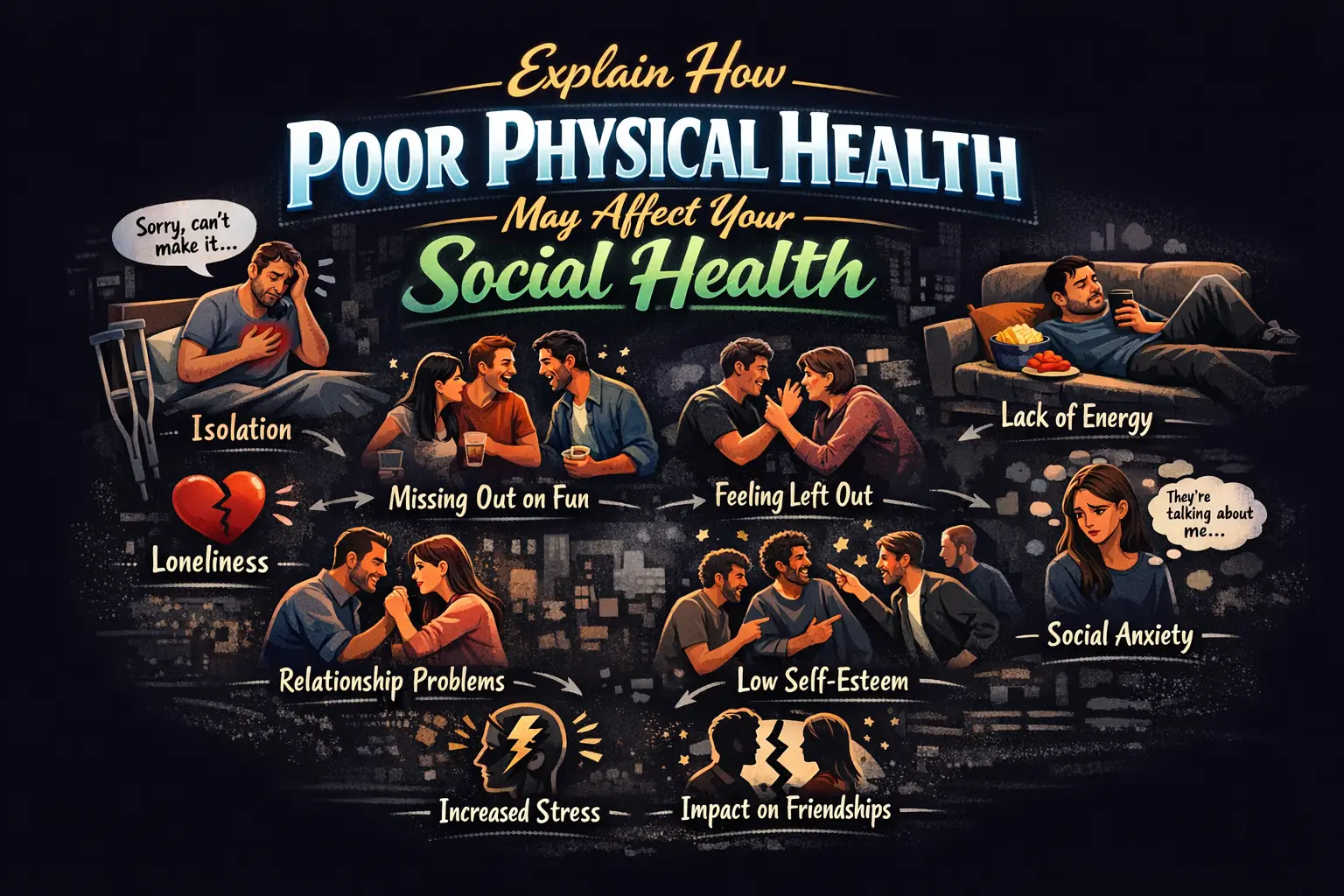
Health is often discussed in separate categories such as physical health, mental health, and social health. In reality, these aspects are deeply interconnected. When one area suffers, the others are often affected as well. Poor physical health does not exist in isolation; it can significantly influence how individuals interact with others, maintain relationships, and participate in society. Social health refers to a person’s ability to form satisfying interpersonal relationships, adapt comfortably to social situations, and feel a sense of belonging. When physical health declines, social health is frequently compromised in ways that may not be immediately obvious.
This article explores in depth how poor physical health can affect social health, examining emotional, psychological, behavioral, and societal dimensions. Understanding this connection is essential for individuals, families, healthcare professionals, and communities aiming to promote holistic well-being.
Understanding Physical Health and Social Health
What Is Physical Health?
Physical health refers to the overall condition of the body and its ability to perform daily activities effectively. It includes factors such as strength, endurance, mobility, immune function, nutrition, and the absence or management of disease. Physical health can be affected by chronic illnesses, injuries, disabilities, lifestyle choices, and aging.
What Is Social Health?
Social health is the ability to form meaningful relationships, communicate effectively, seek and provide support, and engage positively with others. It involves social skills, social roles, participation in community activities, and a sense of belonging. Good social health contributes to emotional stability, confidence, and overall life satisfaction.
When physical health deteriorates, it often creates barriers that interfere with social interactions and relationships, gradually weakening social health.
Reduced Ability to Participate in Social Activities
One of the most immediate ways poor physical health affects social health is through limited participation in social activities.
Physical Limitations and Mobility Issues
Chronic pain, fatigue, injuries, or mobility impairments can make it difficult to attend social events, gatherings, or recreational activities. Simple actions such as walking, standing, traveling, or sitting for extended periods may become exhausting or painful.
As a result, individuals may:
- Decline invitations to social events
- Avoid outings that require physical effort
- Withdraw from hobbies and group activities they once enjoyed
Over time, this reduced participation can lead to social isolation and weakened relationships.
Fatigue and Low Energy Levels
Many physical health conditions cause persistent tiredness. Conditions such as anemia, heart disease, diabetes, autoimmune disorders, and chronic infections often leave individuals feeling drained. Low energy reduces motivation to socialize, even when opportunities are available.
Friends and family may misinterpret this withdrawal as disinterest, further straining social connections.
Social Isolation and Loneliness
Withdrawal from Social Circles
Poor physical health can gradually push individuals into isolation. Frequent illness, hospital visits, or recovery periods may disrupt regular social routines. Over time, people may lose touch with friends, coworkers, or community members.
Isolation often happens unintentionally. Individuals may feel they are a burden to others or fear being judged for their physical limitations.
Emotional Impact of Loneliness
Loneliness is a significant social health concern linked to poor physical health. When social interactions decrease, individuals may experience:
- Feelings of sadness or emptiness
- A sense of being disconnected from others
- Reduced self-worth
Ironically, loneliness can worsen physical health by increasing stress, weakening the immune system, and raising the risk of chronic illness, creating a harmful cycle.
Impact on Communication and Social Confidence
Changes in Self-Perception
Poor physical health can affect how individuals view themselves. Weight changes, physical disabilities, scars, or visible symptoms of illness may lead to body image issues or feelings of embarrassment.
People may become self-conscious about their appearance or physical abilities, leading to:
- Avoidance of social settings
- Hesitation to meet new people
- Reduced confidence in conversations
This lack of confidence can limit meaningful interactions and hinder relationship-building.
Difficulty Expressing Oneself
Physical health conditions can also affect communication. For example:
- Respiratory illnesses may make speaking difficult
- Neurological conditions may affect speech or facial expressions
- Chronic pain may reduce patience and emotional regulation
When communication becomes strained, misunderstandings can arise, weakening social bonds.
Strain on Relationships with Family and Friends
Increased Dependence on Others
Poor physical health often increases reliance on family members or caregivers for daily tasks such as transportation, personal care, or household chores. While support is essential, excessive dependence can sometimes strain relationships.
Caregivers may experience stress or burnout, while individuals receiving care may feel guilt, frustration, or loss of independence. These emotional tensions can affect the quality of relationships.
Changes in Relationship Dynamics
Physical illness can alter established roles within families and friendships. For example:
- A parent may no longer be able to provide financially
- A partner may take on additional responsibilities
- A friend may shift from companion to caregiver
These changes can lead to emotional distance, resentment, or conflict if not addressed openly and compassionately.
Mental Health Challenges That Affect Social Health
Connection Between Physical Health and Mental Well-Being
Poor physical health is closely linked to mental health issues such as depression, anxiety, and stress. Chronic illness or persistent pain can be emotionally exhausting, increasing vulnerability to negative thoughts and feelings.
Mental health challenges often influence social behavior, leading to:
- Avoidance of social interactions
- Difficulty maintaining relationships
- Increased irritability or withdrawal
Depression and Social Withdrawal
Depression, which commonly coexists with physical illness, can severely impact social health. Individuals may lose interest in socializing, feel unworthy of companionship, or struggle to find enjoyment in interactions.
This withdrawal can be misinterpreted by others as rejection, further deepening social disconnection.
Impact on Work and Professional Relationships
Reduced Workplace Participation
Poor physical health can affect attendance, productivity, and performance at work. Frequent sick days, medical appointments, or reduced stamina may limit professional engagement.
This can lead to:
- Weakened relationships with coworkers
- Missed opportunities for collaboration
- Feelings of exclusion from workplace social culture
Since work is a major source of social interaction for many adults, these changes can significantly impact social health.
Financial Stress and Social Limitations
Physical illness may reduce income due to medical expenses or inability to work. Financial stress can limit social activities such as dining out, traveling, or participating in group events.
Individuals may withdraw socially due to embarrassment or fear of being unable to keep up financially, further isolating themselves.
Stigma and Social Judgment
Negative Societal Attitudes
Certain physical health conditions carry social stigma. Disabilities, visible illnesses, obesity, or chronic conditions may lead to unfair judgment or discrimination.
People experiencing stigma may:
- Feel misunderstood or marginalized
- Avoid social interactions to escape judgment
- Struggle to form new relationships
Stigma can deeply harm social health by undermining trust and belonging.
Internalized Stigma
Beyond external judgment, individuals may internalize negative beliefs about their condition. This self-stigmatization can reduce self-esteem and increase social withdrawal, even when others are supportive.
Reduced Community Engagement
Limited Participation in Community Life
Poor physical health may reduce involvement in community activities such as volunteering, sports, religious gatherings, or cultural events. These activities are important for building social networks and maintaining a sense of purpose.
When participation declines, individuals may feel disconnected from their community, weakening social identity and belonging.
Loss of Social Roles
Physical illness may force individuals to give up roles they value, such as being a team leader, caregiver, or active community member. Losing these roles can negatively affect social status and self-worth.
Long-Term Effects on Social Development
Impact on Children and Adolescents
Poor physical health in childhood or adolescence can affect social development. Frequent illness or physical limitations may limit participation in school activities, sports, or peer interactions.
This can lead to:
- Difficulty forming friendships
- Delayed social skills development
- Feelings of being “different” or excluded
These early social challenges can have lasting effects into adulthood.
Aging and Social Health
In older adults, declining physical health can significantly affect social engagement. Mobility issues, chronic illness, and sensory impairments may reduce opportunities for social interaction, increasing the risk of loneliness and isolation.
The Cycle Between Physical and Social Health
How Social Health Influences Physical Health
Social health and physical health influence each other in a continuous cycle. Poor social health can worsen physical health by increasing stress, reducing motivation for self-care, and limiting access to support.
Conversely, strong social connections can:
- Encourage healthy behaviors
- Provide emotional support during illness
- Improve recovery and resilience
When physical health disrupts social health, breaking this cycle becomes more challenging but also more important.
Strategies to Protect Social Health Despite Poor Physical Health
Seeking Social Support
Maintaining open communication with friends, family, and support groups can help preserve social connections. Asking for help is not a weakness but a vital part of maintaining social health.
Adapting Social Activities
Social engagement does not have to involve physically demanding activities. Adapting social interactions to suit physical abilities, such as virtual meetings or low-energy gatherings, can help maintain relationships.
Professional Support
Healthcare providers, counselors, and social workers can help individuals manage the social impact of physical illness. Therapy and support groups can improve coping skills and social confidence.
Conclusion
Poor physical health can profoundly affect social health by limiting participation, straining relationships, reducing confidence, and increasing isolation. These effects extend beyond the individual, influencing families, workplaces, and communities. Understanding the connection between physical and social health highlights the importance of holistic care that addresses not only medical symptoms but also social well-being.
By recognizing these challenges and actively seeking support, individuals can protect and strengthen their social health even in the presence of physical illness. Promoting awareness, empathy, and inclusion within society can also help reduce the social burden of poor physical health, ultimately improving overall quality of life.