


- DigestionRespiratory
- HealthSkin & Hair
- Heart & Liver
- Antioxidant & Anti-inflammatory
- Triphala Ingredient
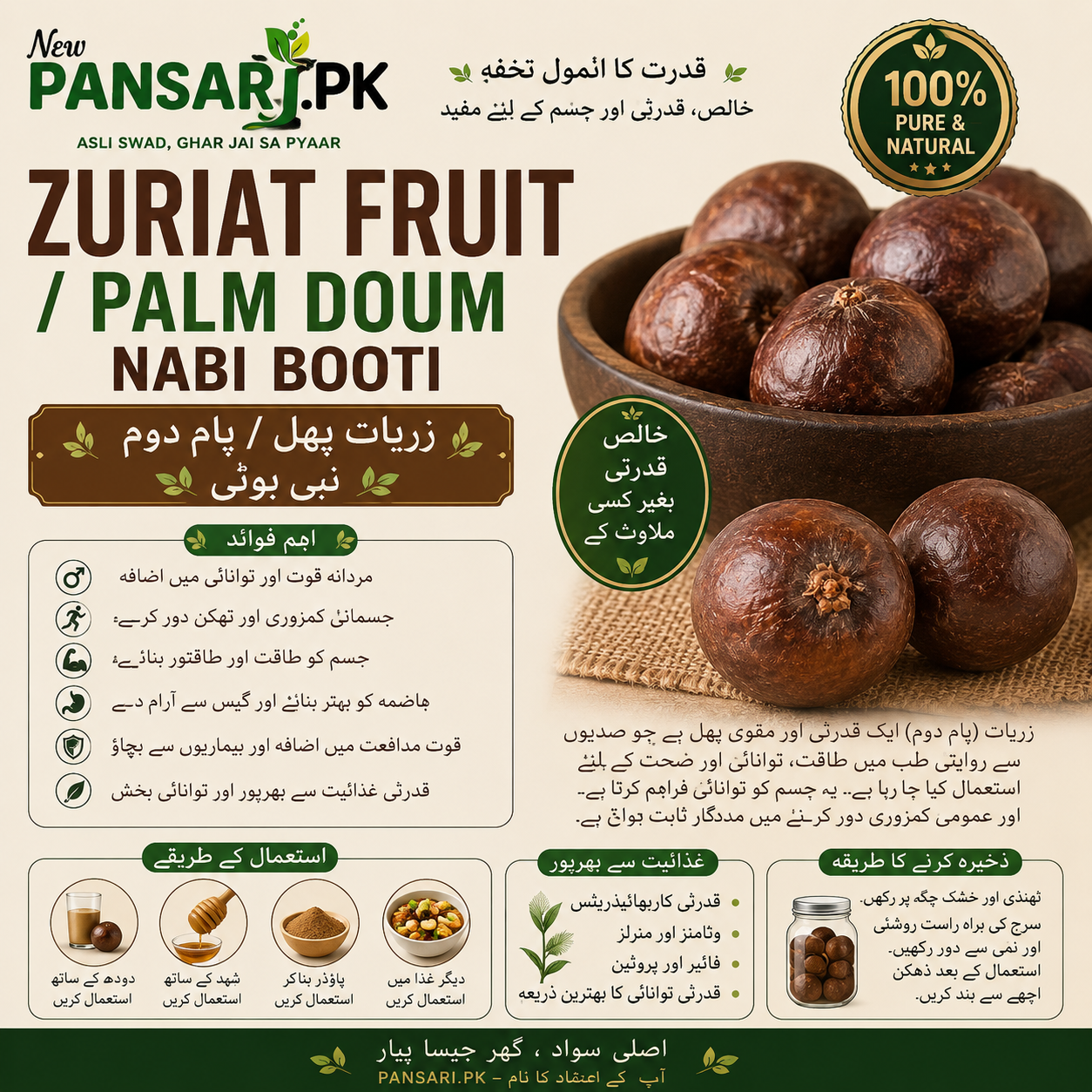
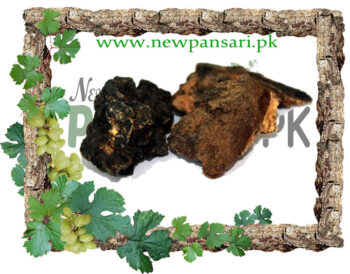
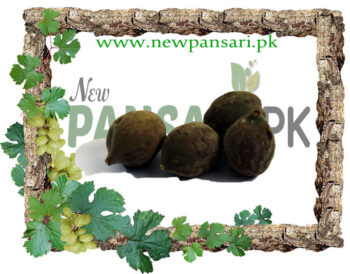
Zuriat Fruit/ Palm doum Nabi Booti 100% Pure
Price range: ₨600.00 through ₨1,500.00
20 sold in last 11 hours
Hurry! Over 12 people have this in their carts
- Rich in nutrients – Contains vitamins, minerals, and antioxidants.
- Boosts energy – Natural sugars provide quick energy.
- Supports digestion – Can help with mild digestive issues and gut health.
- Heart health – Contains fiber that may support healthy cholesterol levels.
- Anti-inflammatory properties – Traditionally used to reduce inflammation.
- Hydration & electrolytes – Helps maintain fluid balance, especially in hot climates.
... people are viewing this right now
| Form | Whole ( ثابت ) |
|---|---|
| Quantity | 1 pic, 2 pic, 3 pic |
Related Products
Arjuna Bark (Arjun Ki Chaal) Terminalia arjuna tree 100% Pure
Price range: ₨220.00 through ₨730.00
- Good for heart – strengthens heart and improves circulation.
- Lowers cholesterol – helps reduce bad cholesterol and increase good cholesterol.
- Reduces blood pressure – supports healthy blood pressure.
- Antioxidant – protects cells from damage.
- Anti-inflammatory – helps reduce inflammation.
- Supports kidneys – helps in detox and kidney health.
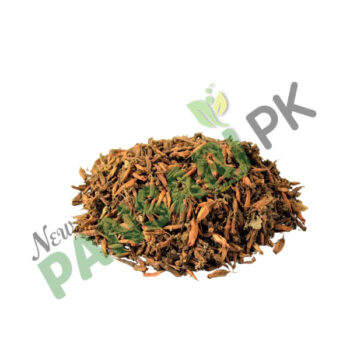
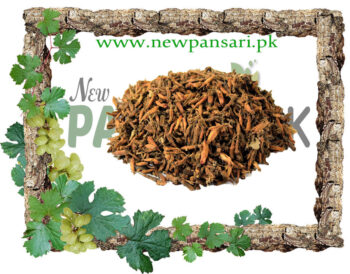
Betel Nut Flower (Gul Supari) Areca Catechu Flower 100% Natural
Price range: ₨120.00 through ₨550.00
- Digestive Aid
- Anti-inflammatory Properties
- Antioxidant Effects
- Respiratory Support
- Skin HealthMild Stimulant
Axle Wood Flower (Gul-e-Dhawa) Anogeissus latifolia 100% Pure
Price range: ₨150.00 through ₨600.00
- Helps breathing – may ease cough and mild asthma.
- Aids digestion – can reduce bloating and stomach discomfort.
- Good for skin – soothes minor skin irritations.
- Relaxing aroma – used in incense or oils for stress relief.
- Anti-inflammatory – may reduce minor inflammation.
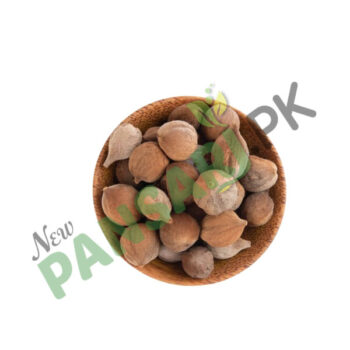
Beleric (Beherra) | Baheda Beleric Myrobalan | Bastard Myrobalan 100%
Price range: ₨100.00 through ₨850.00
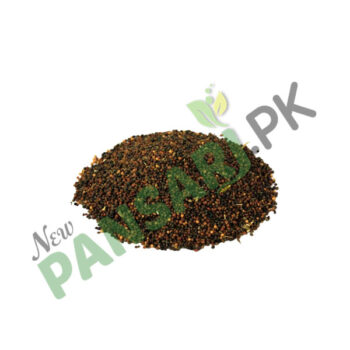
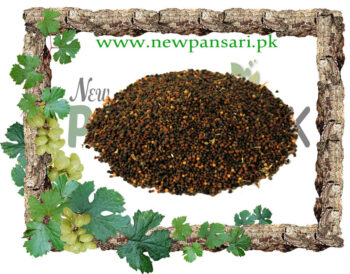
Arugula Seeds (Tukhm-e-Tara Mera) Eruca sativa 100% Pure
Price range: ₨60.00 through ₨700.00
- Rich in nutrients: Vitamins, minerals, and antioxidants.
- Good for digestion: High in fiber.
- Heart health: Helps blood flow and lowers blood pressure.
- Anti-inflammatory: Reduces inflammation.
- Strong bones: Contains calcium and vitamin K.
- Weight management: Low calorie, keeps you full.
- Healthy skin & hair: Supports repair and growth.
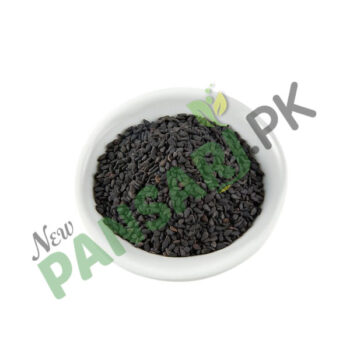
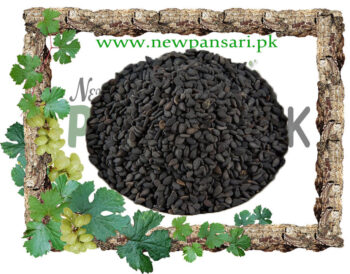
Basil Seeds (Tukham Banalga) 100% Pure تخم بلنگو Ocimum basilicum
Price range: ₨200.00 through ₨1,150.00
- Good for digestion – helps with constipation.
- Helps in weight loss – makes you feel full.
- Controls blood sugar – good for diabetics.
- Healthy heart – reduces cholesterol.
- Good for skin – antioxidants fight aging.
- Reduces inflammation – helps with swelling and pain.
- Cooling effect – soothes body heat.
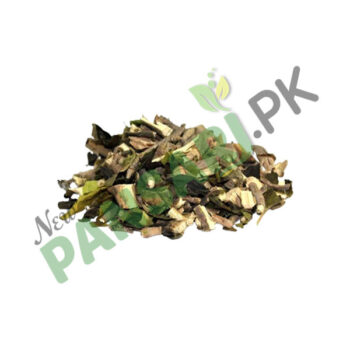
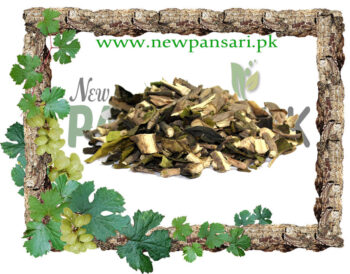
Vasaka Barg-e-Aroosa 100% Pure Adhatoda vasica
Price range: ₨60.00 through ₨400.00
- Supports respiratory health
- cough and cold
- eases asthma symptoms
- reduces inflammation
- boosts immunity
- promotes overall wellness
- natural detoxifier

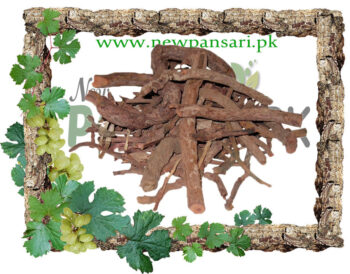
Alkanet Root || Majeeth مجیٹھ Alkanna tinctoria 100% Pure
Price range: ₨150.00 through ₨700.00
- Helps skin heal – good for cuts, burns, and wounds.
- Reduces skin inflammation – soothes redness and irritation.
- Fights microbes – can help prevent minor infections.
- Rich in antioxidants – protects skin from damage.
- Natural dye – used to color cosmetics and soaps.


Many Spiked Flacorita (Zarnab) Flacourtia jangomas 100% Pure
Price range: ₨120.00 through ₨900.00
- Improves digestion
- Boosts immunity
- Reduces inflammation
- Supports respiratory health
- Enhances metabolism
- Acts as a natural antioxidant
- Helps in detoxification
- Supports heart health

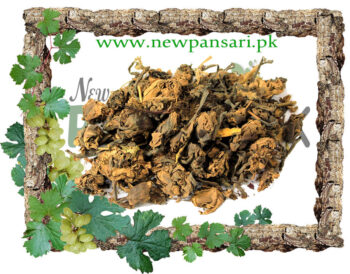
Water Lily Flower (Gul-e-Neelofer, Kanwal Ka Phool) 100% Pure
Price range: ₨120.00 through ₨800.00
- Promotes relaxation
- reduces stress and anxiety
- supports skin health
- aids digestion
- boosts immunity
- improves sleep quality
- natural detoxifier
- enhances overall wellness

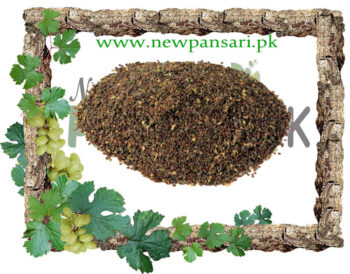
Wall Flower Seeds Tukhm-e-Todri Surkh 100% Pure Cheiranthus cheiri
Price range: ₨110.00 through ₨910.00
- Supports digestion
- boosts immunity
- aids respiratory health
- reduces inflammation
- promotes detoxification
- enhances overall wellness
- natural antioxidant


Acacia Tree Bark (Chaal Kikar) babul bark 100% Pure Vachellia nilotica Acacia nilotica
Price range: ₨100.00 through ₨500.00
- Stops bleeding & heals wounds – due to its astringent properties.
- Helps digestion – useful for diarrhea and stomach issues.
- Good for gums and teeth – strengthens gums.
- Anti-inflammatory & antimicrobial – helps with skin infections.
- Industrial uses – used in tanning leather, making dyes, and as firewood.
Reviews
There are no reviews yet.