




- Helps digestion
- Controls sugar
- Boosts immunity
- Good for heart and liver
- Helps skin and breathing
Bitter Cumin Seeds (Kali jeeri, Kali zeeri) 100% Natural
Price range: ₨180.00 through ₨1,600.00
18 sold in last 1 hour
Hurry! Over 16 people have this in their carts
Brand: New Pansari
- Supports digestion – helps relieve bloating, gas, and indigestion.
- Boosts immunity – strengthens the body’s natural defense system.
- Anti-inflammatory & antioxidant – protects cells and reduces inflammation.
- Respiratory health – may ease cough, congestion, and cold symptoms.
- Heart health – supports healthy cholesterol and blood pressure levels.
- Culinary & medicinal use – adds flavor to dishes and supports wellness.
... people are viewing this right now
Bitter Cumin Seeds (Kali Zeeri / Kali Jeeri): The Bitter Seed of Traditional Herbal Practice
What Are Kali Zeeri Seeds?
Kali zeeri, also spelled kali jeeri and known in English as bitter cumin, are the small, dark seeds of a plant called Centratherum anthelminticum (also listed as Vernonia anthelmintica). The plant belongs to the daisy family and grows across India, Pakistan and parts of Southeast Asia and Africa.
The seeds are slender, slightly curved, and dark brown to blackish, usually with fine ridges and a tiny tuft at one end. Their taste is strongly bitter and sharp, which explains the name.
Not the Same as Cumin or Kala Zeera
Despite the name, kali zeeri is not true cumin. This confusion is common, so it is worth knowing the difference:
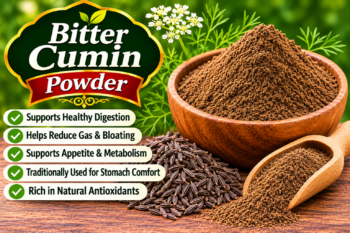
- Zeera (cumin): A culinary spice from the parsley family, used in cooking worldwide.
- Kala zeera / zeera siyah (Bunium persicum): A rare, sweet-smoky seed used in biryani and Kashmiri dishes.
- Kalonji (Nigella sativa): Small black seeds with a peppery taste, used on bread and in pickles.
- Kali zeeri (Centratherum anthelminticum): A bitter seed used mainly in traditional herbal practice, not as an everyday cooking spice.
Mixing these up in a recipe would spoil the dish, so always check the botanical name when buying.
Traditional Place in Unani and Herbal Practice
Kali zeeri has a long history in the Unani and Ayurvedic systems of South Asia. The species name anthelmintica hints at one of its traditional roles, as a remedy used in households and by herbal practitioners for intestinal worms. The seeds have also been traditionally used in preparations for skin concerns, and they appear in many classical herbal formulas.
Modern laboratory studies have looked at compounds in the seeds, including flavonoids and other plant chemicals, but the evidence in people is limited. For this reason, kali zeeri should be treated as a traditional herbal ingredient, not as a proven treatment. It should never replace medical care.
How It Is Traditionally Prepared
Preparations vary widely, and because the seeds are strong, they are best used under the guidance of a qualified hakim, herbalist or doctor. Common traditional forms include:
- Powder (safoof): The seeds are cleaned and ground, then taken in small measured amounts.
- Infusion or decoction: The seeds are soaked or boiled in water.
- Oil: Seeds are infused or pressed to make an oil for external use.
- Herbal formulas: They are blended with other herbs in traditional compounds.
Because there is no widely accepted standard dose, you should not guess the quantity. Ask a qualified practitioner for a proper recommendation.
Taste and Culinary Use
Kali zeeri is very bitter, and it is not normally used as a main cooking spice. Some households add a tiny pinch to certain traditional dishes or spice mixes, but it is far less common than regular cumin. If you want a warm, earthy flavour in cooking, regular zeera or zeera siyah is a better choice.
How to Choose Good Quality Kali Zeeri
Quality matters, especially for a seed used in herbal preparations. Look for:
- Clean, dry seeds: There should be no stones, dust, stems, dampness or mould.
- Dark brown to blackish colour: The shade should be natural and even.
- Characteristic shape: Slender, slightly curved seeds with a small tuft at one end.
- A sharp, bitter smell: Fresh seeds have a distinctive pungent aroma. A flat or musty smell suggests old stock.
- Uniform size: Mixed seed types may signal blending with other seeds.
Simple home checks
- Visual check: Compare the seeds with a trusted reference sample or product image.
- Smell test: Crush a few seeds and check for a sharp, bitter aroma.
- Taste test: A very small crushed amount should taste distinctly bitter.
No home check is perfect, so buy from a supplier who can tell you the botanical name and origin.
Storage
Keep the seeds in an airtight glass jar or steel tin, away from sunlight, heat and moisture. Stored well, whole seeds stay fresh for a year or more. Grind only small amounts at a time, since powder loses strength faster. Label the jar clearly, so it is not confused with cumin or kalonji.
Who Should Be Careful?
Because kali zeeri is a strong herbal ingredient, extra care is sensible:
- Pregnancy and breastfeeding: Avoid use unless a doctor approves.
- Children: Do not give it to infants or children as a home remedy without medical advice.
- Allergies: People sensitive to plants in the daisy family should be cautious.
- Medical conditions and medicines: Anyone with a health condition or on regular medication should speak to a doctor before using it.
- Overuse: Do not take large amounts or use it for long periods without guidance, since its effects are not well studied.
Final Thoughts
Kali zeeri, or kali jeeri, is a bitter seed with a long record in South Asian herbal tradition. It is not a kitchen cumin, and it is not a proven cure, but it holds a respected place in Unani practice. Choose clean, properly identified seeds, store them airtight, and seek professional guidance before using them.
| Quantity | 50GM, 100GM, 250GM, 500GM |
|---|---|
| Form | Whole ( ثابت ), Grounded ( کٹی ہوی ), Powder ( پسا ہوا ) |
Related Products
Babchi (Baabchi Seeds) Cullen corylifolium 100% Pure
Price range: ₨200.00 through ₨850.00
- Good for skin – helps with vitiligo, eczema, and fungal infections.
- Strengthens bones – supports bone health.
- Fights germs – has antibacterial and antifungal properties.
- Supports hormones – may help with reproductive health.
- Protects cells – acts as an antioxidant.
Kudzu Root Badhari Qand (Badari Qand) 100% Natural
Price range: ₨150.00 through ₨1,000.00
بدھاری قند
- Helps digestion.
- Relieves cough and throat problems.
- Gives quick energy.
- Supports immunity.
- Reduces inflammation.
- Promotes relaxation.
Acanthus Seeds (Tukhm-e-Utangan)
- Skin: Helps heal wounds, burns, and skin inflammation.
- Respiratory: Relieves cough and bronchitis.
- Digestion: Aids digestion and relieves constipation.
- Pain & Inflammation: Reduces joint pain and swelling.
- Reproductive Health: Can improve sexual health.
- Hair: Strengthens hair and improves scalp health.
Bitter Gourd Seeds (Tukhm-e-Karela) Karala Seeds 100% Natural
Price range: ₨130.00 through ₨750.00
- Rich in Nutrients
- Blood Sugar Regulation
- Anti-inflammatory Properties
- Antimicrobial and Antiviral
- Digestive Health
- Supports Weight Management


Australian Pine Tree Fruit (Mae Khurdo) 100% Pure Casuarina equisetifolia
Price range: ₨100.00 through ₨450.00
- Boosts immunity – may help your body fight infections.
- Good for eyes – supports eye health.
- Improves circulation – may help blood flow.
- Skin & hair – may improve skin and prevent hair problems.
- Respiratory health – used for cough, sore throat, asthma.
- General tonic – traditional use for overall health and energy.
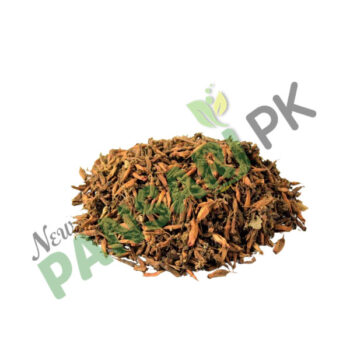
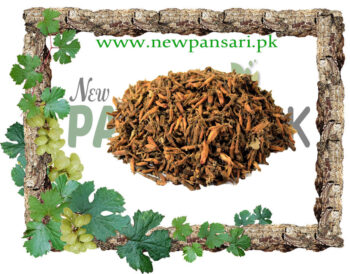
Axle Wood Flower (Gul-e-Dhawa) Anogeissus latifolia 100% Pure
Price range: ₨150.00 through ₨600.00
- Helps breathing – may ease cough and mild asthma.
- Aids digestion – can reduce bloating and stomach discomfort.
- Good for skin – soothes minor skin irritations.
- Relaxing aroma – used in incense or oils for stress relief.
- Anti-inflammatory – may reduce minor inflammation.


Bitter Ginger (Narkachur) Zingiber zerumbet 100% Natural
Price range: ₨120.00 through ₨850.00
- Digestive Health
- Anti-Inflammatory and Pain Relief
- Immune Support
- Metabolic and Cardiovascular Benefits
- Antimicrobial Properties
- Detoxification and Liver Support
- Weight Management


Almond Straw (Badam Ki Khali) 100% Natural Prunus dulcis
Price range: ₨100.00 through ₨800.00
- May help heart and brain health
- Supports skin, teeth, and bones
- Could help control blood sugar and weight
- May aid digestion
- Can improve soil when used as compost
- Sometimes used as animal feed
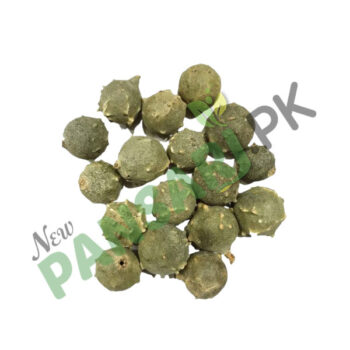

Aleppo Oak gall Mazu Sabz Majo 100% Pure Biorhiza pallida
Price range: ₨250.00 through ₨1,500.00
- Good for digestion – helps with diarrhea and stomach issues.
- Anti-inflammatory – reduces swelling and irritation.
- Helps skin – heals wounds, burns, and skin problems.
- Supports respiratory health – soothes mild coughs.
- May help blood sugar – can assist in controlling sugar levels.
- Oral care – strengthens gums and reduces inflammation.
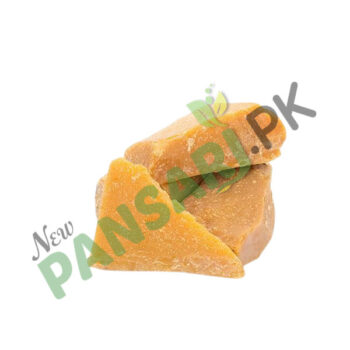
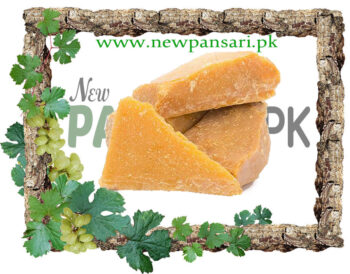
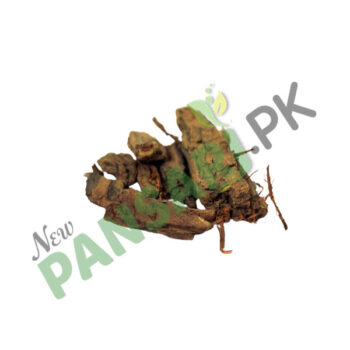
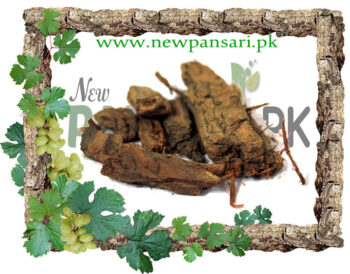
Arjuna Bark (Arjun Ki Chaal) Terminalia arjuna tree 100% Pure
Price range: ₨220.00 through ₨730.00
- Good for heart – strengthens heart and improves circulation.
- Lowers cholesterol – helps reduce bad cholesterol and increase good cholesterol.
- Reduces blood pressure – supports healthy blood pressure.
- Antioxidant – protects cells from damage.
- Anti-inflammatory – helps reduce inflammation.
- Supports kidneys – helps in detox and kidney health.
Reviews
There are no reviews yet.