
Obesity is a chronic health condition characterized by excessive body fat that may negatively affect overall health. It is associated with an increased risk of type 2 diabetes, high blood pressure, heart disease, joint problems, sleep apnea, and several other medical conditions. Although obesity is often linked to eating habits and physical inactivity, it can also be influenced by genetics, hormones, medications, sleep patterns, stress, and environmental factors.
The good news is that obesity can be managed through sustainable lifestyle changes, balanced nutrition, regular physical activity, behavioral support, and medical treatment when appropriate. Understanding its causes, recognizing potential complications, and choosing evidence-based strategies can help people work toward a healthier weight.
In this comprehensive guide, we explain what obesity is, its common causes and symptoms, how it is diagnosed, available treatment options, natural approaches to weight management, and practical ways to reduce the risk of obesity.
What Is Obesity?

Obesity is a chronic disease involving excessive accumulation of body fat that can affect physical health and quality of life. It develops through a complex interaction between biological, behavioral, environmental, and social factors.
Obesity is not simply a matter of appearance or willpower. The body has biological mechanisms that regulate hunger, fullness, metabolism, and energy storage. These mechanisms can make losing weight and maintaining weight loss difficult for some individuals.
According to the World Health Organization (WHO), obesity has become a major global health concern, affecting adults, adolescents, and children worldwide. Its prevalence has increased substantially over recent decades.
Body mass index (BMI) is commonly used to screen adults for overweight and obesity. However, BMI is only one assessment tool and does not directly measure body fat or fully describe an individual’s health risks. Waist circumference, medical history, body composition, and other clinical measurements can provide additional information.
What Is the Difference Between Overweight and Obesity?
Overweight and obesity both refer to body weight that may increase the risk of health problems, but they are generally classified using different BMI ranges in adults.
- Underweight: BMI below 18.5
- Healthy weight: BMI from 18.5 to 24.9
- Overweight: BMI from 25 to 29.9
- Obesity: BMI of 30 or higher
These are standard adult BMI categories, not a complete assessment of individual health. Some populations, including people of South Asian ancestry, may develop metabolic risks at lower BMI values. Children and teenagers require age- and sex-specific assessments rather than adult BMI cutoffs.
BMI should therefore be interpreted alongside other health indicators and individual circumstances.
What Causes Obesity?
Obesity usually develops because of several interacting factors rather than one single cause.
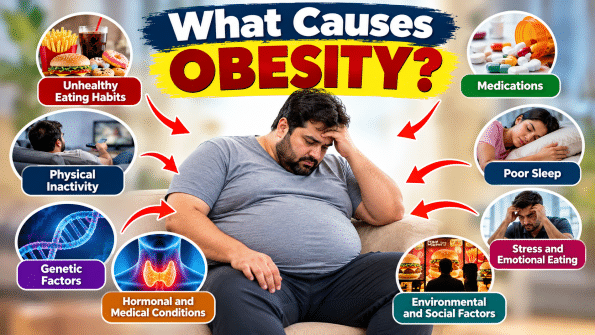
1. Unhealthy Eating Habits
Frequently consuming more energy than the body uses can contribute to excess fat accumulation. Diets containing large amounts of fried foods, sweets, sugary drinks, processed snacks, and energy-dense meals may make it easier to consume more calories than needed.
Large portion sizes and frequent snacking can also contribute to gradual weight gain.
A diet containing vegetables, fruits, legumes, whole grains, and suitable protein sources can help improve satiety and support healthier eating patterns.
2. Physical Inactivity
A sedentary lifestyle can contribute to obesity. Spending long periods sitting at a desk, watching television, or using a mobile phone reduces opportunities for movement.
Regular physical activity helps the body use energy, maintain muscle, improve cardiovascular fitness, and support weight management.
People who are unable to exercise intensely can still benefit from suitable activities such as walking, gentle cycling, swimming, or chair-based exercises.
3. Genetic Factors
Genes can influence appetite, fat distribution, metabolism, and the body’s response to food and physical activity.
Some individuals have a greater biological tendency to gain weight than others. However, genetic susceptibility does not mean that weight management is impossible. Appropriate nutrition, activity, and medical support can still improve health outcomes.
4. Hormonal and Medical Conditions
Certain medical conditions may contribute to weight gain or make weight loss more difficult.
Examples include:
- Hypothyroidism, in which the thyroid gland produces insufficient thyroid hormones.
- Polycystic ovary syndrome (PCOS), which may be associated with insulin resistance and weight-management difficulties.
- Cushing syndrome, a condition involving prolonged exposure to excessive cortisol.
- Certain sleep disorders and other conditions that limit physical activity.
These conditions do not explain every case of obesity. A healthcare professional can determine whether medical testing is appropriate.
5. Medications
Some medications can increase appetite, affect metabolism, or contribute to fluid retention and weight changes.
Examples may include certain corticosteroids, antipsychotic medicines, antidepressants, and diabetes medications.
People should not stop prescribed medication without medical advice. A clinician may be able to review the treatment plan and discuss alternatives when appropriate.
6. Poor Sleep
Insufficient or irregular sleep can affect hormones involved in hunger and fullness. It may also increase tiredness, reduce motivation to exercise, and encourage cravings for energy-dense foods.
Most adults should aim for approximately seven to nine hours of sleep each night, although individual needs vary.
7. Stress and Emotional Eating
Chronic stress can influence appetite, sleep, and eating behavior. Some people respond to stress, sadness, boredom, or anxiety by eating even when they are not physically hungry.
Emotional eating can become a repeated pattern, especially when food provides temporary comfort.
Stress-management techniques, supportive relationships, regular sleep, and psychological counseling when needed may help address these patterns.
8. Environmental and Social Factors
Access to affordable nutritious foods, safe walking spaces, work schedules, family routines, and cultural food practices can all affect weight.
Recognizing these influences is important because successful obesity management requires practical strategies that fit a person’s everyday life.
What Are the Symptoms of Obesity?
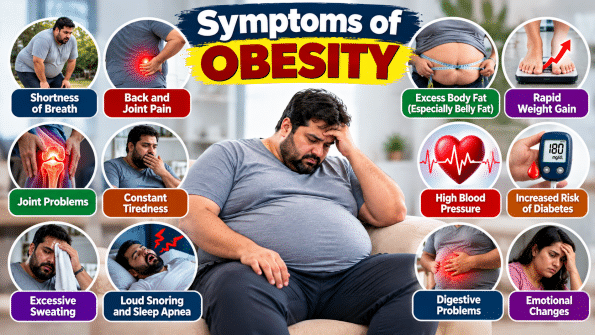
Obesity does not always cause obvious symptoms in its early stages. Some people may notice gradual weight gain before experiencing physical discomfort or related medical problems.
Common signs and symptoms may include:
- Excess body fat, particularly around the abdomen.
- Breathlessness during ordinary physical activity.
- Increased sweating.
- Difficulty walking, climbing stairs, or exercising.
- Joint discomfort, especially in the knees, hips, and back.
- Persistent tiredness or reduced stamina.
- Loud snoring or disturbed sleep.
- Difficulty completing everyday physical tasks.
Some people also experience emotional distress related to weight stigma, discrimination, or concerns about their health.
These symptoms are not specific to obesity and can have other causes. Anyone experiencing persistent breathlessness, severe fatigue, or other concerning symptoms should seek medical assessment.
What Are the Health Risks of Obesity?
Obesity can increase the risk of several chronic diseases. The level of risk depends on factors such as fat distribution, the degree and duration of excess body fat, family history, and existing health conditions.
Type 2 Diabetes
Excess body fat, particularly around the abdomen, can contribute to insulin resistance. This means the body’s cells do not respond to insulin as effectively, making it more difficult to regulate blood glucose.
Over time, this can increase the risk of developing type 2 diabetes.
Heart Disease and High Blood Pressure
Obesity is associated with high blood pressure, abnormal cholesterol levels, and other cardiovascular risk factors.
These changes can increase the likelihood of heart disease, heart attack, and stroke.
Fatty Liver Disease
Excess fat can accumulate in the liver and contribute to metabolic dysfunction-associated steatotic liver disease (MASLD). In some individuals, this can progress to inflammation, scarring, and more serious liver complications.
Joint Pain and Osteoarthritis
Carrying excess weight can increase mechanical stress on weight-bearing joints, particularly the knees and hips. Obesity is also associated with inflammatory processes that may contribute to joint problems.
Weight management and suitable physical activity may help reduce symptoms in some people.
Sleep Apnea
Obesity can increase the likelihood of obstructive sleep apnea, a condition in which breathing repeatedly becomes interrupted during sleep.
Possible signs include loud snoring, gasping during sleep, morning headaches, and excessive daytime sleepiness. Untreated sleep apnea requires medical attention.
Certain Cancers
Obesity is associated with an increased risk of several cancers, including certain colorectal, endometrial, postmenopausal breast, kidney, and liver cancers.
The relationship varies by cancer type and involves complex biological mechanisms.
Mental Health Challenges
Weight-related stigma, anxiety about health, and social discrimination can affect emotional well-being. Some people also experience depression or reduced confidence.
Supportive, respectful healthcare and appropriate mental health care are important parts of obesity management.
How Is Obesity Diagnosed?
Healthcare professionals assess obesity using measurements, medical history, and relevant health tests.
Body Mass Index (BMI)
BMI is calculated by dividing weight in kilograms by height in meters squared.
Formula:
BMI = Weight (kg) ÷ Height (m)²
For example, an adult who weighs 90 kg and is 1.70 meters tall has a BMI of approximately 31.1.
This falls within the standard adult obesity category. However, BMI alone cannot determine a person’s body fat percentage or establish the presence of obesity-related complications.
Waist Circumference
Measuring waist circumference can help assess abdominal fat, which is associated with metabolic and cardiovascular risks.
The interpretation of waist measurements depends on sex, ethnicity, and the clinical guideline being used.
Medical History and Physical Examination
A clinician may ask about eating habits, activity levels, sleep, family history, medications, weight changes, and other medical conditions.
Blood Tests
Depending on individual risk factors, tests may include:
- Blood glucose or HbA1c to assess diabetes risk.
- A lipid profile to measure cholesterol and triglycerides.
- Liver function tests when indicated.
- Thyroid function tests if symptoms or history suggest thyroid disease.
Not everyone needs every test. Investigations should be selected according to clinical needs.
What Are the Treatment Options for Obesity?
Obesity treatment aims to improve health, reduce complications, support mobility, and achieve sustainable weight management. The best approach depends on the person’s medical history, preferences, current health, and treatment goals.
1. Healthy Dietary Changes
A balanced eating plan can help create a manageable calorie deficit without causing nutritional deficiencies.
Useful changes include:
- Eating more vegetables and whole fruits.
- Choosing whole grains and fiber-rich foods.
- Including appropriate portions of protein-rich foods such as eggs, fish, lentils, beans, yogurt, or lean meat.
- Limiting sugary drinks and frequent high-calorie snacks.
- Reducing excessive portions of fried foods and sweets.
- Drinking water regularly.
- Planning meals to reduce unplanned eating.
There is no single diet that works best for everyone. The most useful eating plan is one that is nutritious, affordable, culturally appropriate, and sustainable.
2. Regular Physical Activity
Exercise supports cardiovascular health, muscle strength, mobility, and weight management.
Many adults can gradually work toward at least 150 minutes of moderate-intensity aerobic activity each week, alongside muscle-strengthening activities on two or more days, as their health permits.
People who are inactive should begin with manageable sessions and increase gradually. Even short periods of walking can contribute to overall activity.
Anyone with significant mobility limitations or medical conditions should discuss safe exercise options with a healthcare professional.
3. Behavioral Support
Behavioral strategies can help people develop lasting habits and understand the factors influencing their eating and activity.
Helpful techniques include keeping a food and activity record, setting realistic goals, monitoring progress, planning meals, improving sleep routines, and identifying emotional triggers for eating.
Dietitians, psychologists, and structured weight-management programs can provide additional support.
4. Prescription Weight-Loss Medications
Some adults may benefit from prescription medications when lifestyle changes alone are insufficient and their medical profile meets treatment criteria.
Depending on the country and individual circumstances, options may include medicines that affect appetite, fullness, or blood glucose regulation, such as certain GLP-1-based therapies.
These medicines can have side effects and may not be suitable for everyone. They require assessment and monitoring by a qualified healthcare professional. Weight regain can occur after discontinuation, so ongoing management is important.
Do not use prescription weight-loss drugs without appropriate medical supervision.
5. Bariatric Surgery
Metabolic or bariatric surgery may be appropriate for some people with severe obesity or obesity-related medical complications.
Procedures such as sleeve gastrectomy and gastric bypass can reduce food intake, alter appetite-related signals, and improve certain metabolic conditions.
Eligibility depends on clinical guidelines, BMI, associated health problems, previous treatment, and individual circumstances. Surgery requires long-term follow-up and attention to nutrition.
Natural Ways to Manage Obesity
Natural approaches can support weight management when they focus on balanced nutrition, physical activity, sleep, and sustainable habits. No food, herb, tea, or home remedy has been shown to reliably eliminate excess body fat on its own.
1. Eat More Fiber-Rich Foods
Fiber-rich foods can help improve fullness and support digestive health.
Examples include oats, beans, lentils, vegetables, whole fruits, and whole grains.
Increase fiber gradually and drink sufficient fluids to reduce the likelihood of digestive discomfort.
2. Choose Water Instead of Sugary Drinks
Soft drinks, sweetened juices, energy drinks, and heavily sweetened tea can contribute substantial calories without providing lasting fullness.
Replacing these drinks with water or unsweetened beverages may help reduce total calorie intake.
3. Include Protein in Balanced Meals
Protein helps maintain muscle and supports fullness. Suitable sources include eggs, fish, chicken, lentils, beans, yogurt, and other foods that fit an individual’s nutritional needs.
Portion sizes and overall dietary balance still matter.
4. Use Spices and Herbs for Flavor
Ginger, cinnamon, cumin, turmeric, and other culinary spices can make balanced meals more enjoyable.
However, evidence that these ingredients produce clinically meaningful weight loss is limited. They should be used primarily as foods or flavorings rather than marketed as obesity cures.
Concentrated herbal supplements may interact with medications or cause adverse effects, so people with chronic conditions should consult a qualified healthcare professional before using them.
5. Try Unsweetened Green Tea if Desired
Green tea contains caffeine and catechins, which have been studied for their possible effects on energy expenditure and body weight.
Any effect on weight is generally modest, and green tea is not a substitute for dietary changes or physical activity. Unsweetened green tea can be part of a balanced diet if tolerated.
Avoid relying on concentrated green tea extracts for weight loss because they may cause adverse effects, including liver injury.
6. Improve Sleep Quality
Maintain a consistent bedtime, reduce late-night screen use, and create a comfortable sleeping environment.
People who snore loudly or feel unusually sleepy during the day should consider an assessment for sleep apnea.
7. Practice Mindful Eating
Eat slowly, pay attention to hunger and fullness, and reduce distractions during meals.
Mindful eating may help people recognize eating patterns and manage portions, although it is not a stand-alone treatment for obesity.
8. Walk Regularly
Walking is accessible to many people and can be adapted to different fitness levels.
Start with a comfortable duration and increase gradually. Combining walking with resistance exercises, when appropriate, can support muscle strength and general health.
A Simple Daily Routine for Healthy Weight Management
The following routine is a general example and should be adjusted to individual nutritional needs, health conditions, and activity levels.
Morning
- Drink water after waking.
- Eat a balanced breakfast, such as eggs with whole-grain bread or oats with plain yogurt.
- Take a short walk if practical.
Afternoon
- Choose a balanced lunch containing vegetables, a protein source, and a suitable portion of whole grains or another carbohydrate.
- Take short movement breaks instead of sitting continuously.
- Drink water rather than sugary beverages.
Evening
- Eat a balanced dinner and pay attention to portion sizes.
- Walk or perform another suitable physical activity.
- Prepare for a regular bedtime.
The aim is not to follow a perfect routine every day. Consistency and gradual improvement are more useful than extreme restrictions.
How Can Obesity Be Prevented?
Obesity prevention involves creating healthy habits and supportive environments throughout life.
Practical measures include:
- Eat a varied diet rich in vegetables, fruits, legumes, and whole grains.
- Limit frequent consumption of sugary drinks and highly processed, energy-dense foods.
- Stay physically active in ways that suit your ability and schedule.
- Maintain a consistent sleep routine.
- Manage stress and seek help for emotional eating when needed.
- Review medications with a clinician if unexplained weight gain occurs.
- Monitor weight trends and waist measurements when useful, without becoming overly focused on daily fluctuations.
- Encourage healthy family meals and enjoyable physical activity.
- Seek professional advice early when weight gain is persistent or accompanied by other symptoms.
Children and adolescents require age-appropriate nutrition and growth monitoring. Restrictive weight-loss diets should not be introduced for children without suitable professional guidance.
When Should You See a Doctor?
Consider medical advice if you experience persistent weight gain, difficulty managing weight despite consistent efforts, or symptoms that may suggest an associated condition.
You should also seek assessment if you have high blood pressure, elevated blood glucose, severe snoring, significant joint pain, or unusual fatigue.
Chest pain, sudden severe breathlessness, or other symptoms suggesting an emergency require urgent medical attention.
A healthcare professional can help identify contributing factors, screen for complications, and develop an individualized treatment plan.
Frequently Asked Questions About Obesity
1. What is the main cause of obesity?
Obesity has multiple causes, including excess energy intake relative to energy expenditure, genetics, biological regulation of appetite, physical inactivity, poor sleep, stress, certain medications, and environmental influences. The combination differs between individuals.
2. Can obesity be reversed naturally?
Many people can improve their weight and health through balanced eating, regular physical activity, better sleep, and behavioral support. However, obesity is a chronic condition that may require ongoing care or medical treatment. Natural approaches do not guarantee weight loss.
3. What foods should people with obesity limit?
It may help to limit sugary beverages, frequent deep-fried foods, sweets, oversized portions, and highly processed snacks that provide many calories with relatively little nutritional value. No single food needs to be completely forbidden in every person’s eating plan.
4. Does walking help reduce obesity?
Yes. Walking increases physical activity, supports cardiovascular health, and contributes to energy expenditure. Combined with a suitable eating plan and other healthy habits, it can support weight management.
5. Can hormonal problems cause obesity?
Certain hormonal conditions, including hypothyroidism and Cushing syndrome, can contribute to weight gain. However, most cases of obesity are influenced by multiple factors. A healthcare professional can determine whether hormonal testing is appropriate.
6. Are herbal remedies effective for obesity?
Some herbs and plant-based ingredients have been studied for possible effects on appetite or metabolism, but strong evidence supporting herbal remedies as reliable obesity treatments is lacking. Some supplements can cause side effects or interact with medications. They should not replace evidence-based care.
7. Is obesity a disease or a lifestyle problem?
Obesity is recognized as a chronic disease influenced by biological, behavioral, social, and environmental factors. Lifestyle changes are important, but describing obesity only as a lifestyle problem overlooks the complex factors that can affect body weight.
8. How long does it take to manage obesity?
The timeline varies according to starting weight, health conditions, treatment approach, and individual response. Sustainable progress often takes months and requires ongoing attention. A healthcare professional can help establish realistic, individualized goals.
9. Can obesity affect fertility?
Obesity can affect reproductive health in both women and men. In women, it may be associated with ovulatory difficulties and PCOS-related fertility problems. In men, it may be associated with hormonal changes and impaired reproductive function. Individual assessment is important.
10. What is the best treatment for obesity?
There is no single best treatment for everyone. A combination of personalized nutrition, physical activity, behavioral support, and medical care is often useful. Prescription medication or bariatric surgery may be appropriate for selected individuals.
Conclusion
Obesity is a complex chronic health condition that can affect metabolism, cardiovascular health, mobility, sleep, and emotional well-being. Its causes extend beyond eating habits and physical inactivity to include genetics, hormones, medications, stress, sleep, and environmental factors.
The most effective approach to weight management is usually a sustainable, individualized plan that includes balanced nutrition, regular movement, adequate sleep, and behavioral support. Medical treatments can provide additional benefits when appropriate.
Natural approaches such as eating fiber-rich foods, drinking water instead of sugary beverages, walking regularly, and improving sleep can support overall health. However, no herbal remedy or special food should be presented as a guaranteed cure for obesity.
With appropriate guidance, realistic goals, and consistent support, people can improve their health and quality of life while working toward sustainable weight management.
Medical disclaimer: This article is for educational purposes only and does not replace professional medical advice, diagnosis, or treatment. Consult a qualified healthcare professional before starting a weight-loss medication, restrictive diet, or herbal supplement.