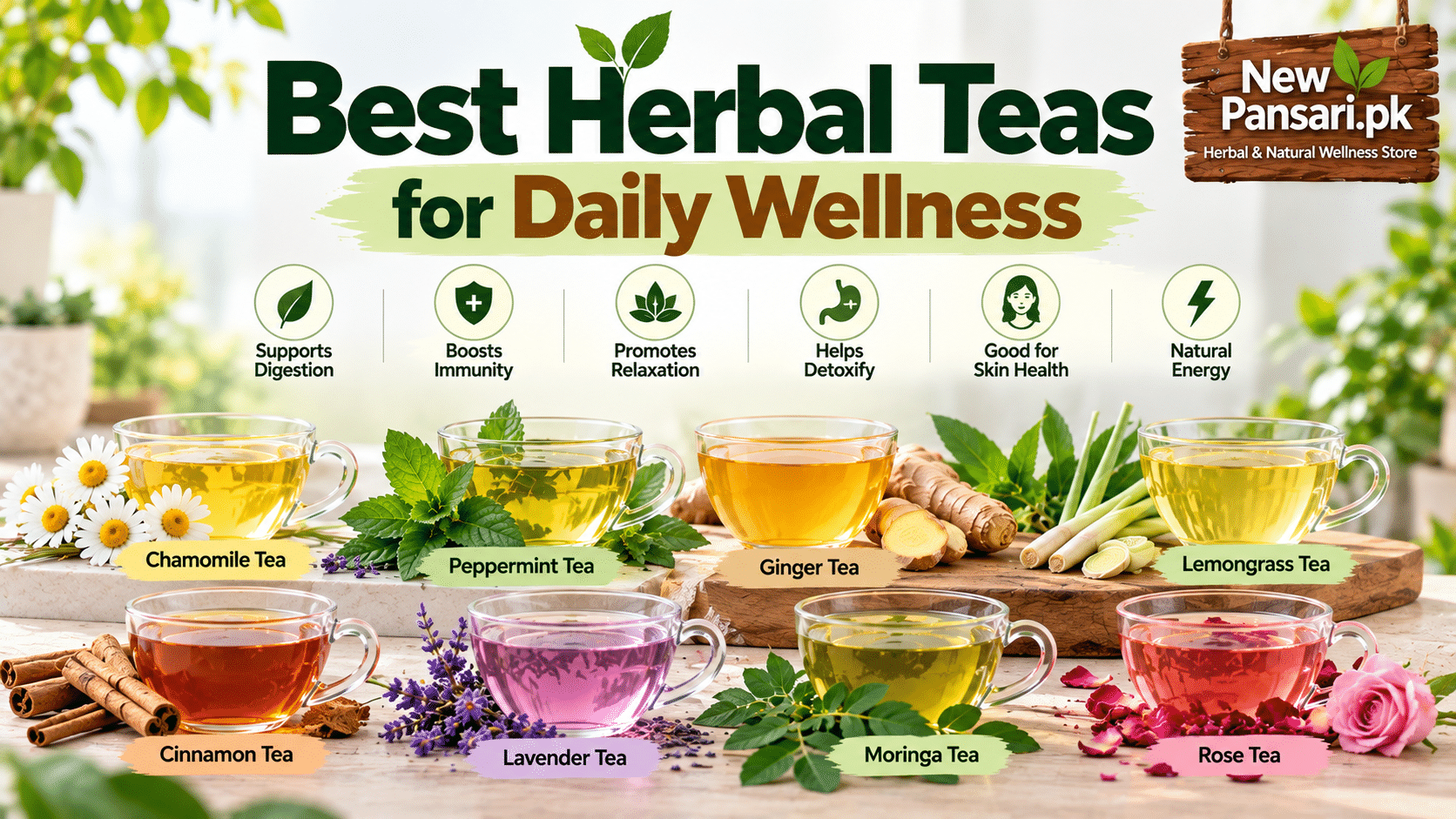
Herbal teas have been enjoyed for centuries as comforting beverages made from leaves, flowers, roots, seeds, spices, and other plant ingredients. Today, many people include herbal teas in their daily routines because they offer a flavorful alternative to regular tea and coffee. From soothing chamomile to refreshing peppermint and warming ginger tea, there are many varieties to explore.
The best herbal teas for daily wellness depend on your preferences, health needs, caffeine sensitivity, and the ingredients used. Some herbal teas are traditionally consumed to support relaxation, digestion, or general well-being, although scientific evidence varies between herbs and uses.
If you are looking for herbal teas in Pakistan, New Pansari.pk provides a place to explore traditional herbs and natural products. Understanding the properties, preparation methods, and safety considerations of different herbal teas can help you make informed choices.
What Are Herbal Teas?
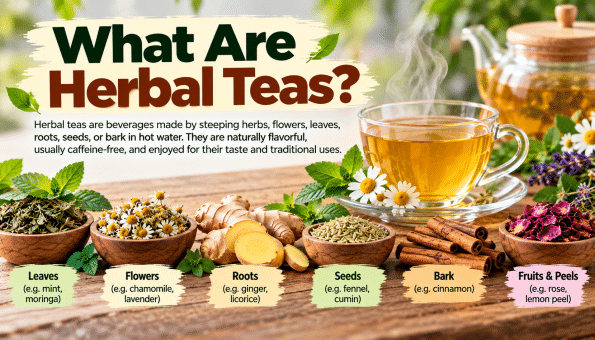
Herbal teas are beverages prepared by steeping plant materials in hot water. Unlike traditional black or green tea, which comes from the Camellia sinensis plant, most herbal teas are caffeine-free when made exclusively from herbs and other caffeine-free ingredients.
Herbal teas are also known as tisanes. They may be prepared from fresh or dried plant materials, including:
- Leaves, such as peppermint and moringa
- Flowers, such as chamomile and lavender
- Roots, such as ginger and licorice
- Seeds, such as fennel
- Stems, bark, and spices, such as cinnamon
- Fruits, peels, and botanical blends
Some products sold as herbal tea contain black tea, green tea, or other caffeine-containing ingredients. Always check the ingredient list if you want a caffeine-free beverage.
1. Chamomile Tea
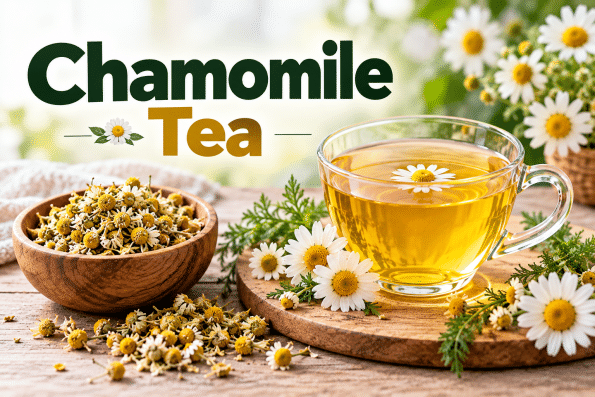
Chamomile tea is one of the most popular herbal beverages, especially among people who enjoy a gentle, floral flavor.
Potential Benefits of Chamomile Tea
Chamomile has traditionally been used as a calming beverage. Some research suggests it may help with relaxation, but evidence for treating insomnia or anxiety remains limited.
Many people enjoy chamomile tea as part of a relaxing evening routine. Its naturally mild taste also makes it suitable for people who prefer a less spicy herbal beverage.
How to Prepare Chamomile Tea
- Add one tea bag or approximately one teaspoon of dried chamomile flowers to a cup.
- Pour in hot water.
- Cover and steep for around five to ten minutes.
- Strain if using loose flowers and allow the tea to cool slightly before drinking.
Safety Considerations
People allergic to ragweed, daisies, chrysanthemums, or related plants may react to chamomile. It may also interact with certain medicines, including some anticoagulants. Consult a healthcare professional if you take medication regularly.
2. Peppermint Tea
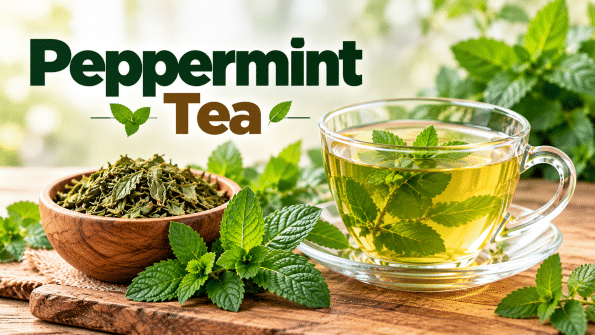
Peppermint tea is known for its refreshing aroma and cool, minty taste. It is commonly consumed after meals and can be enjoyed either hot or chilled.
Potential Benefits of Peppermint Tea
Peppermint contains menthol and other plant compounds. Peppermint oil has been studied more extensively than peppermint tea, particularly for certain digestive symptoms. However, evidence from peppermint oil studies cannot automatically be applied to the tea.
Some people find peppermint tea refreshing after eating, and its naturally strong flavor can make it an appealing alternative to sugary drinks.
How to Prepare Peppermint Tea
Add one teaspoon of dried peppermint leaves to a cup of hot water. Cover for five to seven minutes, strain, and serve. Fresh mint leaves can also be used.
Safety Considerations
Peppermint may aggravate heartburn or acid reflux in some people. If you experience reflux, consider another herbal tea. People with particular gallbladder or bile duct conditions should seek professional advice before using concentrated peppermint preparations.
3. Ginger Tea
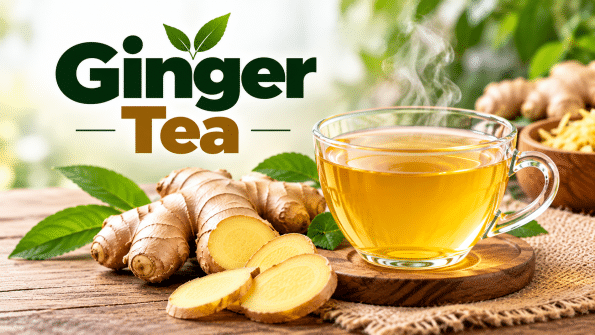
Ginger tea is a warming beverage prepared from fresh ginger root or dried ginger. Its spicy flavor makes it popular during cold weather and after meals.
Potential Benefits of Ginger Tea
Ginger has a long history of use in traditional food and wellness practices. Research suggests ginger may help with some types of nausea, although the evidence depends on the condition and the preparation used.
Ginger tea can also be a flavorful way to increase fluid intake without relying on sweetened beverages.
How to Prepare Ginger Tea
- Wash and slice a small piece of fresh ginger.
- Add it to a cup of water.
- Simmer gently for five to ten minutes.
- Strain and serve.
A small amount of lemon may be added for flavor. Honey is optional, but it adds sugar.
Safety Considerations
Ginger may cause heartburn, stomach discomfort, or mouth irritation in some people. Those taking blood-thinning medicines or preparing for surgery should discuss regular or concentrated ginger use with a healthcare professional.
4. Fennel Tea
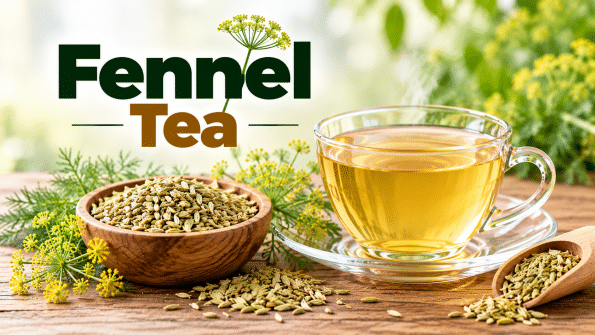
Fennel tea is prepared from fennel seeds and has a mildly sweet, aromatic flavor. It is traditionally consumed after meals in several cultures.
Potential Benefits of Fennel Tea
Fennel has traditionally been used for digestive comfort, including feelings of fullness and gas. However, strong clinical evidence for fennel tea itself is limited.
Its naturally sweet flavor makes it an option for people who want a pleasant herbal drink without adding much sugar.
How to Prepare Fennel Tea
Lightly crush one teaspoon of fennel seeds, add them to a cup of hot water, and cover for five to ten minutes. Strain before drinking.
Safety Considerations
People with allergies to plants in the carrot family may react to fennel. Its safety during pregnancy and breastfeeding is not well established for medicinal amounts, so professional advice is recommended.
5. Lemongrass Tea
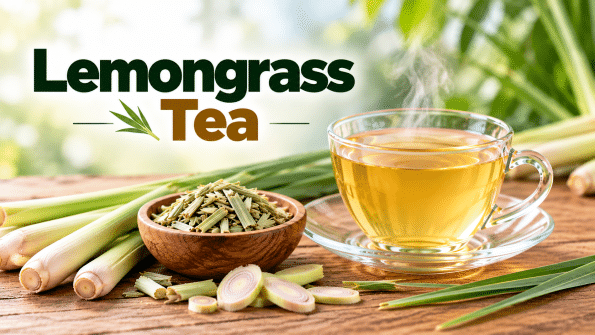
Lemongrass tea has a fresh, citrus-like aroma. It is popular in herbal blends and can be enjoyed throughout the day.
Potential Benefits of Lemongrass Tea
Lemongrass contains aromatic plant compounds and has a history of use in traditional beverages. Laboratory studies have examined some of its compounds, but there is insufficient high-quality human evidence to conclude that drinking lemongrass tea treats specific diseases.
Many people enjoy it for its flavor and as a caffeine-free alternative to ordinary tea.
How to Prepare Lemongrass Tea
Add one teaspoon of dried lemongrass or a few clean, chopped fresh stalk pieces to hot water. Cover and steep for five to ten minutes, then strain.
Safety Considerations
Lemongrass may cause allergic reactions or stomach discomfort in some people. Avoid medicinal amounts during pregnancy unless advised by a qualified healthcare professional.
6. Cinnamon Tea
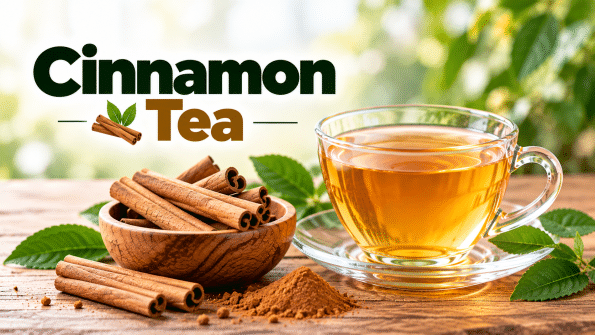
Cinnamon tea is a warming drink made from cinnamon sticks or small quantities of cinnamon powder. It has a naturally sweet, spicy aroma.
Potential Benefits of Cinnamon Tea
Cinnamon contains plant compounds that have been studied for their antioxidant activity. Research has also investigated cinnamon and blood sugar regulation, but the findings are not sufficient to recommend cinnamon tea as a treatment for diabetes.
Cinnamon tea can be enjoyed as an unsweetened beverage or combined with ginger for additional flavor.
How to Prepare Cinnamon Tea
Add a small cinnamon stick to a cup of water and simmer for five to ten minutes. Remove the stick before drinking. You may also steep a small amount of cinnamon in hot water.
Safety Considerations
Cassia cinnamon contains more coumarin than Ceylon cinnamon. Regular, high intake of coumarin can pose a liver risk in susceptible individuals. People with liver conditions or those using cinnamon supplements should seek professional advice.
7. Lavender Tea
Lavender tea is made from suitable culinary lavender flowers and has a delicate floral aroma. It is often included in evening herbal routines.
Potential Benefits of Lavender Tea
Lavender has traditionally been associated with relaxation. Some research on lavender preparations suggests possible effects on anxiety, but findings from essential oils or extracts should not be assumed to apply directly to lavender tea.
A warm cup of lavender tea may be part of a calming bedtime ritual, particularly when combined with a regular sleep schedule.
How to Prepare Lavender Tea
Use a small amount of food-grade dried lavender flowers in hot water. Cover and steep for approximately five minutes, then strain. Lavender has a strong flavor, so start with a small quantity.
Safety Considerations
Use only lavender intended for food or beverage preparation. Essential oils should not be swallowed unless specifically directed by a qualified professional. Seek advice before medicinal use during pregnancy or breastfeeding.
8. Moringa Leaf Tea
Moringa tea is made from the dried leaves of the moringa tree. It has an earthy, grassy flavor and is popular among people interested in plant-based beverages.
Potential Benefits of Moringa Tea
Moringa leaves contain nutrients and plant compounds, although the quantities extracted into tea can vary considerably. Research into moringa’s health effects is still developing, and evidence is insufficient to establish that moringa tea prevents or treats chronic diseases.
It can be enjoyed as one of several beverages in a varied diet.
How to Prepare Moringa Tea
Add one teaspoon of dried moringa leaves to hot water and steep for five to seven minutes. Strain before serving.
Safety Considerations
Moringa products may affect blood sugar or blood pressure, and interactions with medicines are possible. People taking medication for these conditions should seek professional advice before regular use. Avoid root and bark preparations unless specifically advised by a qualified professional.
9. Licorice Root Tea
Licorice root tea has a naturally sweet flavor and is sometimes included in traditional herbal blends.
Potential Benefits of Licorice Tea
Licorice has a history of use in traditional preparations for throat and digestive complaints. However, evidence supporting licorice tea for specific health conditions is limited, and regular consumption can present important safety risks.
It is not necessarily an appropriate everyday tea for everyone.
How to Prepare Licorice Tea
If appropriate for you, follow the product’s instructions and use only a small, clearly specified amount. Avoid combining multiple licorice-containing products without professional guidance.
Safety Considerations
Licorice containing glycyrrhizin can raise blood pressure, lower potassium levels, and contribute to serious heart-related complications. People with hypertension, kidney or heart disease, or low potassium should avoid it unless a healthcare professional specifically advises otherwise. It can also interact with medicines.
For daily use, consider a different herbal tea with a more suitable safety profile.
10. Rose Tea
Rose tea is made from food-grade rose petals or rosebuds. It has a delicate floral taste and can be enjoyed on its own or mixed with other herbs.
Potential Benefits of Rose Tea
Rose petals contain plant compounds that have been studied for antioxidant properties. However, laboratory findings do not prove that drinking rose tea delivers specific medical benefits.
Rose tea is primarily valued as a fragrant beverage that can add variety to a daily routine.
How to Prepare Rose Tea
Add a small amount of food-grade dried rose petals to hot water and steep for five to eight minutes. Strain and serve.
Safety Considerations
Choose rose petals specifically intended for food use, rather than flowers treated with pesticides or other chemicals. People with allergies should introduce new botanical products cautiously.
How to Choose the Best Herbal Tea for Daily Wellness
The right herbal tea depends on your taste preferences, daily routine, and personal health circumstances.
Consider these factors before buying:
Check the Ingredients
Choose products that clearly identify the herbs used. Blends should list all ingredients, including flavorings and any caffeine-containing tea leaves.
Choose Reputable Sellers
Look for transparent product descriptions, appropriate packaging, batch information, and storage instructions. Avoid products that make exaggerated claims about curing diseases or guaranteeing rapid results.
Consider Your Health Needs
If you want a caffeine-free drink, verify that the product does not contain black tea, green tea, or other caffeinated ingredients. If you take medication, ask a healthcare professional whether a particular herb is suitable.
Avoid Excessive Consumption
Herbal teas vary in strength and composition. More is not necessarily better, especially with herbs that can affect blood pressure, blood sugar, the liver, or medication activity.
Select Products Intended for Drinking
Use food-grade ingredients prepared for beverages. Do not drink essential oils or use ornamental plants unless they are specifically identified as safe for that purpose.
How to Make Herbal Tea Part of Your Daily Routine
A practical approach is to begin with one familiar, caffeine-free herbal tea and see how you tolerate it.
- Morning: Try ginger or lemongrass tea if you enjoy a warming or citrus-like flavor.
- After meals: Consider peppermint or fennel tea if suitable for you.
- Evening: Chamomile or a mild rose tea may be a pleasant part of a relaxing routine.
- During warmer weather: Brew a caffeine-free herbal tea, allow it to cool safely, and serve it over ice.
These are suggestions for beverage preferences, not medical prescriptions. No particular tea is necessary for good health. Drinking enough water, eating a balanced diet, sleeping well, and staying physically active remain important foundations of daily wellness.
Who Should Be Careful With Herbal Teas?
Although many people enjoy herbal beverages without problems, extra caution is appropriate for certain groups.
Pregnant or Breastfeeding People
Some herbs may be unsuitable during pregnancy or breastfeeding, and safety information is incomplete for many botanical ingredients. Consult a qualified healthcare professional before regularly consuming medicinal herbal preparations.
People Taking Prescription Medicines
Herbs may alter the effects of prescription medicines, including medicines for blood pressure, diabetes, blood clotting, or other chronic conditions. Ask a pharmacist or healthcare professional about possible interactions.
People With Chronic Health Conditions
Those with liver, kidney, heart, or other long-term health conditions should check whether particular herbal teas are suitable before making them a daily habit.
Children
Herbal teas are not automatically safe for children. The appropriate choice depends on the child’s age, the ingredients, and the amount consumed. Avoid giving honey to children younger than 12 months.
Frequently Asked Questions
1. Which herbal tea is best for daily wellness?
There is no single best herbal tea for everyone. Chamomile, peppermint, ginger, lemongrass, and rose tea are popular choices. The best option depends on your preferences, health circumstances, and the safety of the ingredients.
2. Can I drink herbal tea every day?
Some herbal teas may be suitable for regular consumption in ordinary beverage amounts, but safety varies by herb, preparation, and individual health status. Check the product instructions and consult a healthcare professional if you have a medical condition or take medicines.
3. Are all herbal teas caffeine-free?
No. Teas made entirely from caffeine-free herbs are generally caffeine-free, but herbal blends may contain black tea, green tea, or other caffeinated ingredients. Always read the label.
4. Can herbal tea help with sleep?
Some people find a warm, caffeine-free tea helpful as part of a relaxing bedtime routine. Chamomile is commonly used for this purpose, but scientific evidence that it reliably treats sleep disorders is limited.
5. Which herbal tea is traditionally used after meals?
Peppermint and fennel teas are traditionally consumed after meals. Peppermint may worsen acid reflux, while fennel may not be suitable for everyone.
6. Is ginger tea good for everyday use?
Many people enjoy ginger tea as a regular beverage. However, it can cause heartburn or stomach discomfort, and people taking certain medicines should seek professional advice about frequent or concentrated use.
7. Can herbal tea replace medicine?
No herbal tea should automatically replace prescribed medication or professional medical care. Speak with your healthcare professional before changing treatment for any health condition.
8. Where can I buy herbal teas online in Pakistan?
You can explore herbal product stores such as New Pansari.pk and review their available tea varieties, ingredient lists, packaging, prices, and delivery information before ordering.
Conclusion
Herbal teas offer a wide range of flavors, from refreshing peppermint and citrusy lemongrass to floral chamomile and warming ginger. They can be an enjoyable addition to a balanced daily routine, especially when consumed without excessive sugar.
However, herbal teas are not all the same. Their potential benefits and risks depend on the specific plant, preparation, quantity, product quality, and individual health circumstances. Check ingredients carefully, choose reputable products, and seek professional advice when medicines or health conditions could affect safety.
If you are exploring herbal teas in Pakistan, visit New Pansari.pk to browse available herbal products and choose options that suit your preferences and needs.