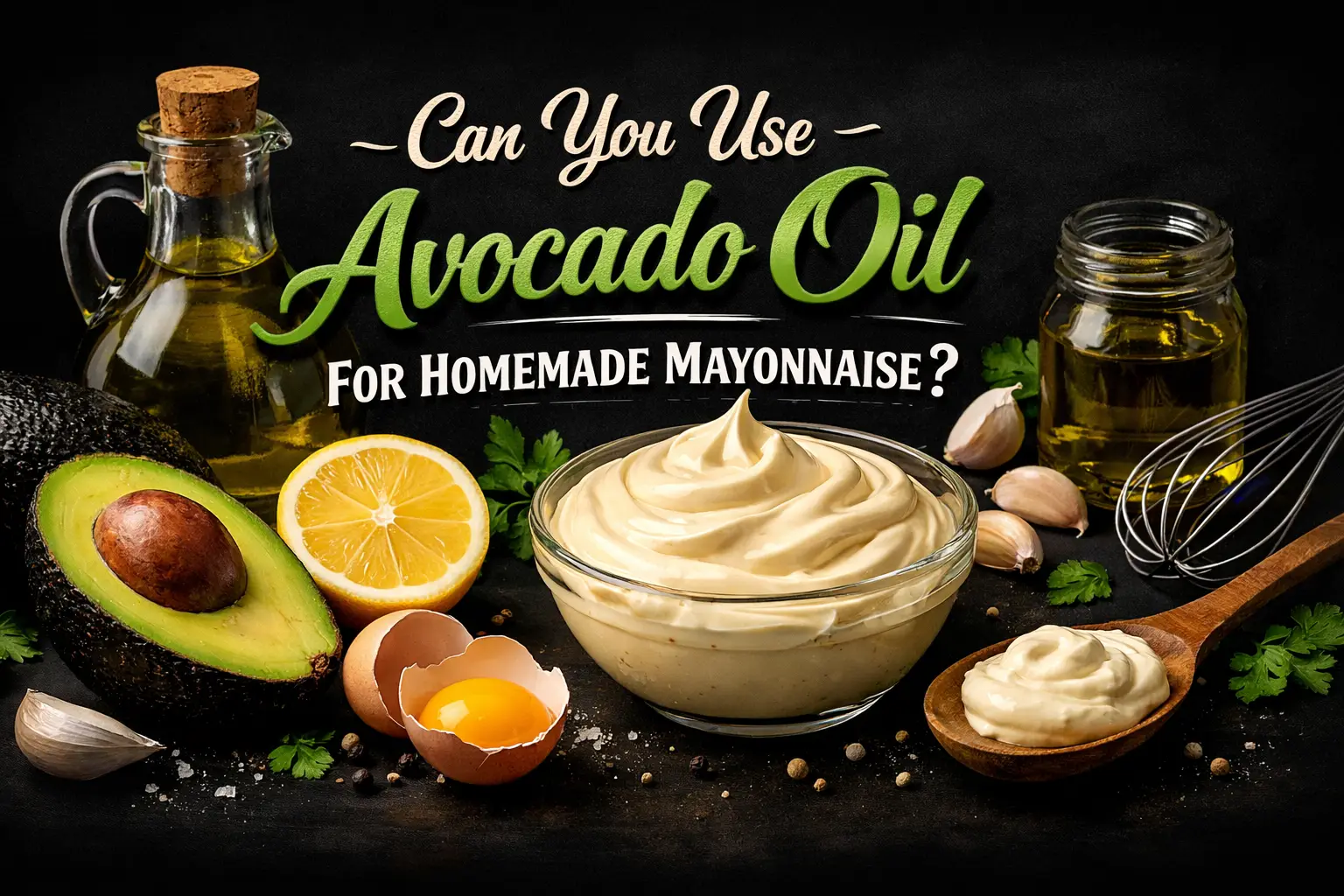
Homemade mayonnaise has experienced a major revival in recent years. With more people paying attention to ingredients, freshness, and flavor, the classic condiment is no longer limited to store-bought jars. If you’ve ever made mayo at home, you know that oil is the most important ingredient. Traditionally, neutral oils like canola or light olive oil are used. But what about avocado oil?
Can you use avocado oil for homemade mayonnaise? The short answer is yes — and in many cases, it may be one of the best oils you can choose.
This in-depth guide will explore everything you need to know about using avocado oil for homemade mayonnaise, including flavor, texture, health benefits, potential challenges, step-by-step preparation, and expert tips for perfect results every time.
Understanding the Role of Oil in Mayonnaise
Before diving into avocado oil specifically, it helps to understand why oil matters so much in mayonnaise.
Mayonnaise is an emulsion — a stable mixture of two liquids that normally don’t combine. In this case, oil and water-based ingredients (like lemon juice or vinegar) are blended together with the help of an emulsifier, usually egg yolk.
Oil makes up about 70–80% of mayonnaise. That means:
- It determines the flavor profile.
- It influences texture and thickness.
- It affects color and mouthfeel.
- It impacts nutritional value.
Because oil plays such a dominant role, switching from canola oil to avocado oil significantly changes the final result.
What Is Avocado Oil?
Avocado oil is extracted from the flesh of ripe avocados. Unlike many other plant oils that come from seeds, avocado oil is pressed from the fruit itself. High-quality avocado oil is typically cold-pressed, preserving nutrients and flavor.
It has gained popularity for its:
- High smoke point
- Heart-healthy fat profile
- Mild flavor (when refined)
- Clean, buttery finish
These characteristics make it a strong candidate for homemade mayonnaise.
Does Avocado Oil Work for Mayonnaise?
Yes, avocado oil works beautifully for homemade mayonnaise.
Because mayonnaise requires a neutral or mildly flavored oil, refined avocado oil is especially well-suited. It has a clean, subtle taste that won’t overpower your lemon juice, mustard, or seasonings.
However, there are two main types of avocado oil to consider:
Refined Avocado Oil
- Very mild flavor
- Light color
- Ideal for classic mayo
- Most similar to neutral oils like canola
Unrefined (Extra Virgin) Avocado Oil
- Stronger, grassy flavor
- Darker green tint
- Can create a more pronounced taste
- May add slight bitterness if used in large amounts
If your goal is a traditional-tasting mayonnaise, refined avocado oil is usually the better choice.
Flavor Profile of Avocado Oil Mayonnaise
One of the biggest concerns people have is flavor.
Compared to canola oil, avocado oil has a subtle richness. It’s not as sharp as olive oil and not as bland as vegetable oil. The result is a slightly buttery, clean-tasting mayonnaise.
If you use extra virgin avocado oil, the flavor becomes more noticeable — sometimes described as grassy or earthy. This can work well in:
- Garlic aioli
- Chipotle mayo
- Herb-based spreads
- Sandwich spreads
- Salad dressings
But for classic mayo flavor, refined avocado oil keeps things neutral.
Texture and Consistency
Avocado oil produces a thick, creamy mayonnaise when emulsified correctly.
Because it is rich in monounsaturated fats, the texture tends to be:
- Smooth
- Stable
- Luxuriously creamy
- Less greasy feeling
In fact, many people find avocado oil mayo to have a silkier mouthfeel compared to mayonnaise made with canola oil.
If your mayonnaise turns out thin, the issue usually isn’t the oil — it’s the emulsification process. Using room-temperature ingredients and slow blending ensures proper thickening.
Health Benefits of Using Avocado Oil
One of the main reasons people switch to avocado oil is health.
Avocado oil is high in monounsaturated fats, similar to those found in avocados and olive oil. These fats are considered heart-healthy when consumed in moderation.
Key Nutritional Advantages
- High in oleic acid
- Contains vitamin E
- Naturally free of trans fats
- Lower in omega-6 compared to some seed oils
- Supports heart health
For those following keto, paleo, or whole-food diets, avocado oil mayonnaise fits well within their guidelines.
In contrast, some people prefer to avoid highly processed seed oils such as soybean or canola oil due to concerns about refinement methods and omega-6 levels.
Smoke Point Doesn’t Matter — But Quality Does
Mayonnaise is not cooked, so smoke point isn’t relevant during preparation. However, a higher smoke point does indicate stability.
Avocado oil has one of the highest smoke points among cooking oils. While that doesn’t impact mayo directly, it suggests the oil is stable and less prone to oxidation.
What does matter is quality. Always choose:
- 100% pure avocado oil
- Cold-pressed (if possible)
- No added blends
- Stored in a dark bottle
Poor-quality avocado oil may taste rancid or slightly bitter.
How to Make Homemade Mayonnaise with Avocado Oil
Here is a simple, foolproof recipe using an immersion blender.
Ingredients
- 1 large egg (room temperature)
- 1 cup avocado oil
- 1 tablespoon lemon juice or white vinegar
- 1 teaspoon Dijon mustard
- 1/4 teaspoon salt
Instructions
- Add all ingredients into a wide-mouth jar.
- Place the immersion blender at the bottom of the jar.
- Blend without moving the blender for 10–15 seconds.
- Once the bottom thickens, slowly lift the blender upward.
- Continue blending until fully emulsified.
Within seconds, the mixture transforms into thick mayonnaise.
Storage
- Store in the refrigerator.
- Use within 5–7 days.
- Keep tightly sealed.
Because homemade mayo contains raw egg, freshness is important.
Common Problems and Solutions
Even with avocado oil, things can go wrong. Here’s how to fix common issues.
Mayo Won’t Thicken
Possible causes:
- Ingredients too cold
- Blender moved too quickly
- Egg too small
Fix:
- Add another egg yolk and blend again slowly.
- Ensure everything is at room temperature.
Bitter Taste
Possible causes:
- Using unrefined avocado oil
- Low-quality oil
Fix:
- Switch to refined avocado oil.
- Taste your oil before using it.
Too Thick
Fix:
- Add 1 teaspoon of water at a time while blending.
Too Thin
Fix:
- Blend longer.
- Add an extra yolk.
Comparing Avocado Oil to Other Oils
To better understand how avocado oil performs, here’s a comparison.
Avocado Oil vs Olive Oil
Olive oil can make mayonnaise bitter, especially extra virgin varieties. Avocado oil is milder and more neutral.
Avocado Oil vs Canola Oil
Canola oil is very neutral and inexpensive. However, some people avoid it due to processing concerns. Avocado oil is less processed and offers more nutritional appeal.
Avocado Oil vs Grapeseed Oil
Grapeseed oil is neutral but high in omega-6 fats. Avocado oil has a more balanced fat profile.
Avocado Oil vs Coconut Oil
Coconut oil solidifies at cooler temperatures and has a strong flavor. It’s not suitable for traditional mayonnaise.
When Should You Use Avocado Oil?
Avocado oil mayonnaise is especially ideal if:
- You follow a keto or low-carb diet.
- You prefer whole-food ingredients.
- You avoid seed oils.
- You want a richer texture.
- You like a clean, mild flavor.
It’s also great for clean-label cooking and homemade condiments.
Can You Mix Avocado Oil with Other Oils?
Yes, blending oils is possible.
If you find extra virgin avocado oil too strong, you can mix:
- 50% avocado oil
- 50% light olive oil or neutral oil
This creates a balanced flavor while still benefiting from avocado oil’s properties.
Cost Considerations
Avocado oil is more expensive than canola or vegetable oil.
However, when making mayonnaise:
- You only use about one cup at a time.
- Homemade mayo is still cost-effective.
- The improved flavor and health profile may justify the price.
If budget is a concern, watch for sales or buy larger bottles.
Is Avocado Oil Mayo Safe?
Homemade mayonnaise uses raw egg. To reduce risk:
- Use fresh eggs.
- Consider pasteurized eggs.
- Refrigerate immediately.
- Consume within one week.
If you’re concerned about food safety, you can use pasteurized liquid eggs or gently heat the egg yolk mixture to a safe temperature before emulsifying.
Creative Ways to Use Avocado Oil Mayonnaise
Once you’ve made it, the possibilities expand.
You can use avocado oil mayonnaise in:
- Sandwiches and wraps
- Coleslaw
- Chicken salad
- Deviled eggs
- Potato salad
- Burger spreads
- Aioli variations
Because of its mild flavor, it pairs well with garlic, herbs, spices, and citrus.
Is Store-Bought Avocado Oil Mayo the Same?
Several brands now offer avocado oil mayonnaise. These are convenient but often contain:
- Preservatives
- Stabilizers
- Added sugars (sometimes)
Homemade versions allow complete control over ingredients.
If you prefer clean eating, homemade remains the best option.
Final Verdict: Should You Use Avocado Oil for Homemade Mayonnaise?
Yes — avocado oil is an excellent choice for homemade mayonnaise.
It creates a creamy, stable, and delicious emulsion with a mild flavor and impressive nutritional benefits. Refined avocado oil works best for traditional mayo taste, while extra virgin varieties add depth and character.
If you’re looking for:
- A healthier oil option
- A clean-label condiment
- A rich and smooth texture
- A neutral yet slightly buttery flavor
Avocado oil delivers on all fronts.
Homemade mayonnaise is already a simple upgrade from store-bought versions. Using avocado oil elevates it even further — both nutritionally and culinarily.
With the right technique and quality ingredients, you can confidently use avocado oil to create restaurant-quality mayonnaise in your own kitchen.