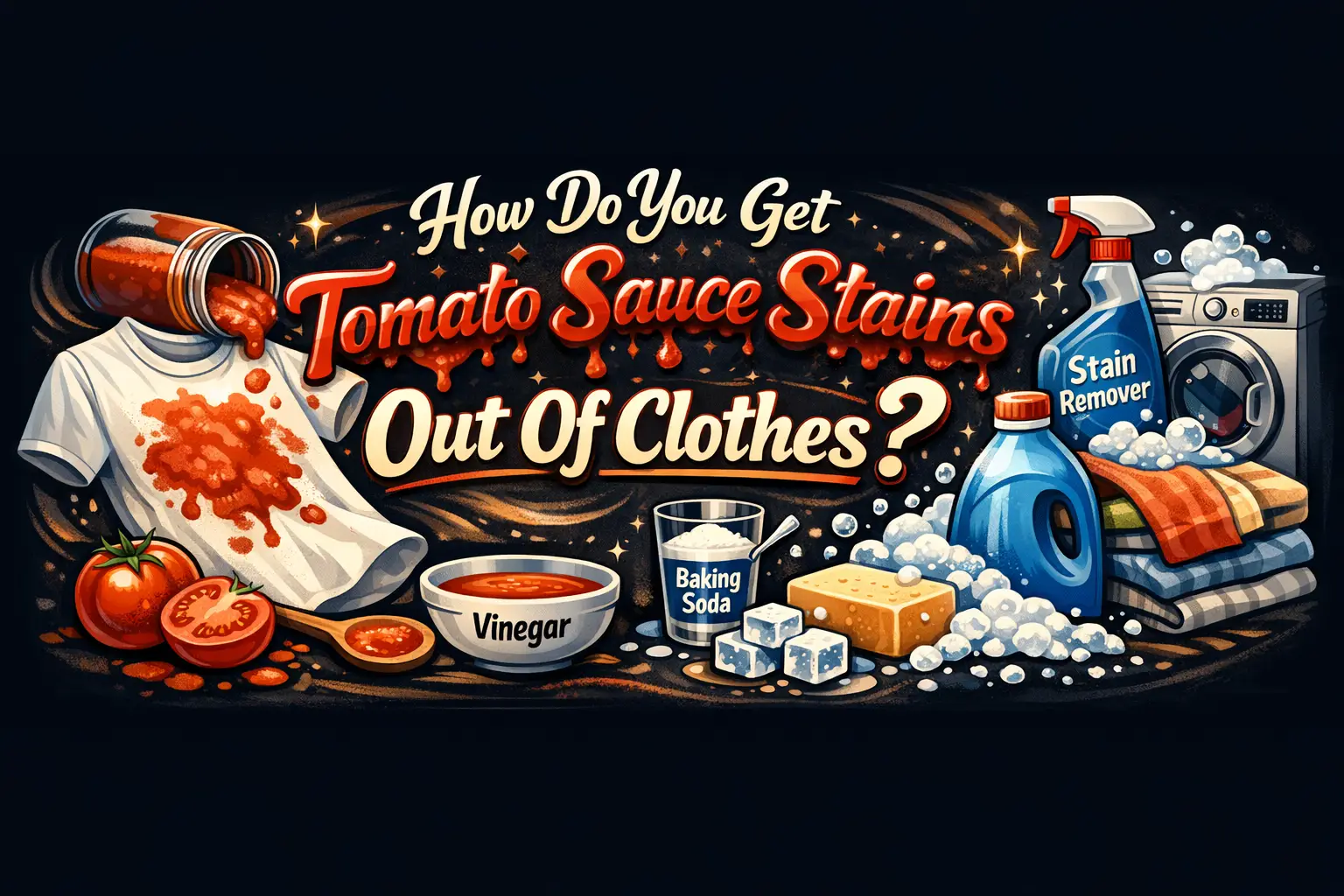
Tomato sauce is a staple in kitchens around the world. From pasta dinners and pizza nights to curries and casseroles, it adds bold flavor and rich color to countless meals. Unfortunately, that same vibrant red color can become your worst enemy when it lands on your clothes. Whether it’s a splash of spaghetti sauce on your favorite white shirt or a drip of ketchup on your jeans, tomato-based stains can seem stubborn and intimidating.
The good news is that tomato sauce stains are removable. With the right approach, quick action, and appropriate cleaning methods, you can restore your garments to their original condition. This in-depth guide will walk you through everything you need to know about removing tomato sauce stains from clothes, including step-by-step techniques, fabric-specific advice, common mistakes to avoid, and preventative tips.
Why Tomato Sauce Stains Are So Stubborn
Before diving into solutions, it helps to understand why tomato sauce stains are difficult to remove.
Tomato sauce is a complex stain. It usually contains:
- Natural red pigments (like lycopene)
- Oils and fats
- Sugars
- Acids
- Spices and herbs
The red pigment from tomatoes can bind to fabric fibers, especially natural fibers like cotton. The oil content in many sauces makes the stain greasy, allowing it to penetrate deeper into the fabric. Heat, such as from a dryer or hot water, can set the stain permanently by bonding it more firmly to the fibers.
Because tomato sauce is both oil-based and water-based, it requires a balanced cleaning strategy that tackles both elements.
Act Fast: Why Timing Matters
The sooner you treat a tomato sauce stain, the better your chances of completely removing it. Fresh stains are significantly easier to lift than dried or set-in ones.
When the spill happens:
- Stay calm.
- Remove the garment if possible.
- Begin stain treatment immediately.
If you can’t treat it right away, at least blot and rinse the area with cold water to prevent it from setting.
Step-by-Step: How to Remove Fresh Tomato Sauce Stains
Step 1: Remove Excess Sauce
Use a spoon, dull knife, or the edge of a credit card to gently scrape off any excess sauce. Be careful not to rub, as rubbing pushes the stain deeper into the fabric.
Work from the outside of the stain toward the center to avoid spreading it.
Step 2: Rinse With Cold Water
Turn the garment inside out and run cold water through the back of the stain. This helps push the sauce out of the fibers instead of driving it deeper in.
Important: Always use cold water at this stage. Hot water can set the stain.
Step 3: Apply Liquid Laundry Detergent
Apply a small amount of liquid laundry detergent directly to the stain. Gently rub it in using your fingers or a soft brush.
Let it sit for 5 to 10 minutes.
Laundry detergent is designed to break down both oil and water-based components, making it ideal for tomato sauce stains.
Step 4: Rinse and Check
Rinse with cold water again and check the stain. If it’s still visible, repeat the detergent treatment before moving on.
Step 5: Wash Normally
Once the stain has faded significantly, wash the garment according to the care label instructions. Avoid putting it in the dryer until you are certain the stain is completely gone. Heat from the dryer can permanently set any remaining residue.
Air dry first to inspect.
How to Remove Dried or Set-In Tomato Sauce Stains
If you discover a stain after it has dried, don’t panic. It may require more effort, but removal is still possible.
Step 1: Soak in Cold Water
Soak the garment in cold water for 30 minutes to loosen the stain.
Step 2: Pre-Treat With Stain Remover
Apply a commercial stain remover or liquid laundry detergent directly to the affected area. Gently work it into the fabric.
Let it sit for at least 15 minutes.
Step 3: Use Baking Soda and Vinegar (Optional Boost)
For stubborn stains:
- Sprinkle baking soda over the stained area.
- Add a small amount of white vinegar.
- Let the mixture fizz and sit for 10 to 15 minutes.
This combination helps break down oils and lift pigments. Rinse thoroughly afterward.
Step 4: Wash and Air Dry
Wash the garment in the warmest water safe for the fabric (check the care label). Always air dry to confirm the stain is fully removed before using a dryer.
Fabric-Specific Stain Removal Tips
Different fabrics require different care. Using the wrong method can damage the material.
Cotton and Polyester
These durable fabrics are easier to treat. Follow the standard method:
- Scrape
- Cold rinse
- Detergent pre-treatment
- Wash
For whites, you can use oxygen-based bleach if needed.
Delicate Fabrics (Silk, Wool, Rayon)
For delicate materials:
- Blot gently instead of scraping.
- Avoid aggressive scrubbing.
- Use mild detergent.
- Rinse carefully.
It may be safer to take expensive or delicate garments to a professional cleaner.
White Clothes
White fabrics show tomato stains more clearly but can also handle stronger treatments.
After pre-treating:
- Use oxygen-based bleach.
- Avoid chlorine bleach unless the care label allows it.
Chlorine bleach can react with tomato pigments and sometimes leave a yellowish stain instead of removing the red one.
Colored Clothes
Be cautious with bleaching agents. Test any stain remover on an inconspicuous area first to check for color fading.
Cold water is especially important to prevent color bleeding.
Household Remedies for Tomato Sauce Stains
If you don’t have commercial stain removers, several household items can help.
Dish Soap
Dish soap is excellent for breaking down grease.
Apply a small amount directly to the stain, gently rub, let sit for 10 minutes, and rinse.
Hydrogen Peroxide (For Whites Only)
Hydrogen peroxide acts as a mild bleaching agent.
- Test first.
- Apply to the stain.
- Let sit for a few minutes.
- Rinse thoroughly.
Avoid using it on dark fabrics.
Lemon Juice
Lemon juice has natural bleaching properties.
Apply to the stain and let it sit in sunlight for enhanced effect. Rinse afterward.
This method works best for light-colored fabrics.
Salt
If the stain is fresh and still wet, sprinkle salt on it. Salt absorbs moisture and some pigment, making later cleaning easier.
Common Mistakes to Avoid
Even with good intentions, certain actions can make tomato sauce stains worse.
Using Hot Water Too Soon
Heat sets stains. Always start with cold water.
Rubbing Aggressively
Rubbing spreads the stain and forces it deeper into fibers.
Putting It in the Dryer Too Early
Dryer heat can permanently set even faint stains.
Ignoring the Care Label
Some fabrics cannot tolerate certain chemicals or water temperatures.
How to Handle Tomato Sauce Stains on Special Items
Upholstery
Blot immediately with a clean cloth.
Mix mild dish soap with cold water and dab gently. Avoid soaking the fabric.
Blot with clean water and allow to air dry.
Carpets
Scrape excess sauce.
Blot with cold water and dish soap solution.
Avoid scrubbing to prevent spreading.
Tablecloths
Tablecloths often get multiple stains during meals.
Pre-soak in cold water before washing. Use oxygen bleach if needed for whites.
When to Seek Professional Cleaning
If the garment is:
- Expensive
- Vintage
- Made of delicate fabric
- Heavily stained
A professional cleaner may be your best option. Inform them that the stain is tomato-based so they can choose the correct treatment.
Preventing Tomato Sauce Stains
While accidents happen, prevention helps reduce damage.
- Wear an apron while cooking.
- Use napkins during meals.
- Avoid overfilling spoons and forks.
- Be cautious with children eating pasta.
Quick action is still your best defense.
Why Some Stains Leave a Yellow or Orange Shadow
Sometimes after removing the red color, a faint yellow or orange tint remains. This is due to natural tomato pigments and oils lingering in the fibers.
Oxygen-based bleach or repeated washing may gradually eliminate the shadow. Sun drying can also help lighten residual discoloration.
Can You Use Bleach on Tomato Sauce Stains?
Bleach can be effective but must be used carefully.
- Oxygen bleach is generally safer for fabrics.
- Chlorine bleach should only be used on white, bleach-safe garments.
Always follow label instructions and test on a hidden area first.
What If the Stain Has Been Washed and Dried?
If the garment has already been through the dryer:
- Apply a heavy-duty liquid detergent directly to the stain.
- Let it sit for 30 minutes.
- Wash again in the warmest water safe for the fabric.
- Air dry and inspect.
You may need to repeat the process multiple times.
Final Thoughts: Patience and Proper Technique Make the Difference
Tomato sauce stains may look dramatic, but they are not permanent if treated correctly. The key principles are simple:
- Act quickly.
- Use cold water first.
- Break down grease with detergent or dish soap.
- Avoid heat until the stain is gone.
- Tailor your method to the fabric type.
With patience and the right approach, even stubborn tomato sauce stains can be removed. Accidents at the dinner table don’t have to mean the end of your favorite shirt. By following the techniques outlined in this guide, you’ll be equipped to handle spills confidently and effectively.
The next time pasta night gets messy, you’ll know exactly what to do.