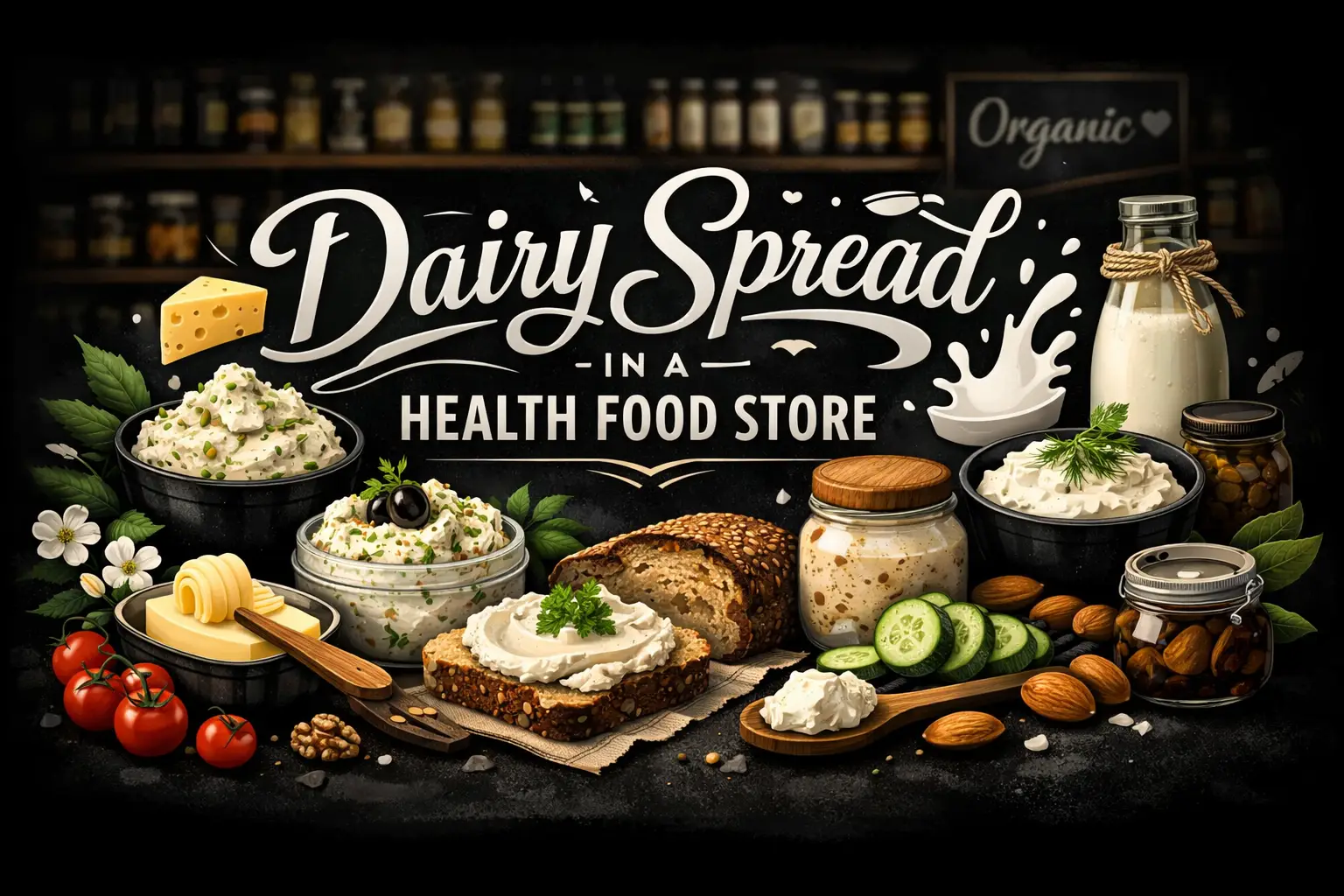
Health food stores have evolved far beyond shelves of supplements and niche products. Today, they represent a thoughtful intersection of nutrition, sustainability, and conscious living. Among the many products that have found renewed relevance in these stores is dairy spread. Once viewed simply as a butter alternative, dairy spreads have transformed into diverse, health-oriented products that align well with modern dietary preferences.
In a health food store setting, dairy spreads are not just about taste or convenience. They reflect changing consumer attitudes toward fats, clean labels, ethical sourcing, and functional nutrition. This article explores dairy spreads in depth—what they are, how they differ from conventional options, their nutritional value, and why they hold a significant place in health-focused retail environments.
Understanding Dairy Spread: A Modern Perspective
Dairy spread is a soft, spreadable product made primarily from milk or milk-derived ingredients. Unlike traditional butter, which is churned from cream and remains solid at cooler temperatures, dairy spreads are designed to be easily spreadable straight from refrigeration.
In health food stores, dairy spreads often emphasize:
- Minimal processing
- Balanced fat profiles
- Natural ingredients
- Functional health benefits
These spreads may include cultured dairy, blended natural oils, or fortified nutrients to support heart health, digestion, or overall wellness.
The Role of Dairy Spreads in Health Food Stores
Health food stores curate products based on quality, transparency, and nutritional integrity. Dairy spreads fit well into this model because they can be adapted to meet a wide range of dietary needs.
Unlike conventional grocery stores, health food retailers often stock:
- Organic dairy spreads
- Grass-fed dairy-based spreads
- Cultured and probiotic-rich spreads
- Low-sodium and reduced-fat options
These products are typically accompanied by detailed labeling, allowing customers to make informed decisions based on their health goals.
Nutritional Profile of Dairy Spreads
One of the key reasons dairy spreads have gained acceptance in health food stores is their evolving nutritional profile.
Healthy Fats and Balance
Modern dairy spreads often focus on balancing saturated and unsaturated fats. While traditional butter is high in saturated fat, many dairy spreads incorporate naturally derived oils to improve the fat composition without compromising taste.
Some spreads are formulated to:
- Support heart health
- Reduce LDL cholesterol impact
- Provide essential fatty acids
This makes them attractive to consumers who are conscious of fat intake but do not want to eliminate dairy entirely.
Vitamins and Minerals
Dairy spreads naturally contain fat-soluble vitamins such as:
- Vitamin A
- Vitamin D
- Vitamin E
Health-focused versions may be fortified further to support bone health, immune function, and overall vitality.
Clean Label Trends and Ingredient Transparency
Health food store shoppers are particularly attentive to ingredient lists. Dairy spreads stocked in these stores usually align with clean-label principles.
What Clean Label Dairy Spreads Offer
- No artificial preservatives
- No synthetic colors or flavors
- Short, recognizable ingredient lists
- Non-GMO ingredients
Many health food stores avoid stocking spreads that rely heavily on hydrogenated oils or artificial stabilizers, ensuring higher trust and brand credibility.
Organic and Grass-Fed Dairy Spreads
Organic and grass-fed dairy spreads occupy a prominent place in health food stores.
Why Organic Matters
Organic dairy spreads are made from milk sourced from cows raised without synthetic hormones, antibiotics, or genetically modified feed. This aligns with the values of consumers seeking purity and sustainability.
Benefits of Grass-Fed Dairy
Grass-fed dairy spreads are often richer in:
- Omega-3 fatty acids
- Conjugated linoleic acid (CLA)
- Natural antioxidants
These nutritional advantages make them especially appealing to wellness-focused customers.
Cultured Dairy Spreads and Digestive Health
Cultured dairy spreads are made using fermentation processes similar to those used for yogurt or kefir. These spreads are increasingly popular in health food stores due to their digestive benefits.
Probiotics and Gut Health
Some cultured spreads contain live bacterial cultures that support:
- Gut microbiome balance
- Improved digestion
- Enhanced nutrient absorption
For consumers seeking functional foods that go beyond basic nutrition, cultured dairy spreads offer a compelling option.
Dairy Spread vs. Butter in a Health Context
While butter remains a staple, dairy spreads offer distinct advantages in a health-focused retail environment.
Spreadability and Convenience
Dairy spreads are easier to use directly from the refrigerator, reducing the need for heating or softening. This convenience appeals to busy, health-conscious consumers.
Calorie and Fat Control
Many dairy spreads are designed with:
- Reduced calorie content
- Lower saturated fat levels
- Portion-friendly formulations
This makes them suitable for individuals managing weight or cardiovascular health.
Dairy Spreads for Special Diets
Health food stores cater to a wide variety of dietary needs, and dairy spreads have adapted accordingly.
Lactose-Sensitive Consumers
Some dairy spreads are:
- Lactose-free
- Made with enzymatic treatments to improve digestibility
This allows lactose-sensitive individuals to enjoy dairy without discomfort.
Keto and Low-Carb Diets
Full-fat dairy spreads with clean ingredients are often favored by those following ketogenic or low-carb diets. Health food stores typically highlight these products for easy identification.
Ethical and Sustainable Considerations
Ethics and sustainability are central to the identity of health food stores. Dairy spreads sold in these environments often reflect responsible practices.
Animal Welfare
Brands frequently emphasize:
- Humane treatment of dairy cows
- Pasture-based farming
- Transparent sourcing
Environmental Impact
Sustainable packaging, reduced carbon footprints, and regenerative farming practices are increasingly common among dairy spread producers targeting health food retailers.
Culinary Uses of Dairy Spreads in Healthy Eating
Dairy spreads are versatile and integrate easily into nutritious meal planning.
Everyday Uses
- Spreading on whole-grain or sourdough bread
- Melting over steamed vegetables
- Enhancing flavor in cooked grains
Health-Focused Recipes
In health-conscious kitchens, dairy spreads are often used in:
- Balanced breakfast bowls
- Light baking with reduced sugar
- Plant-forward cooking for added richness
Their controlled fat content allows for indulgence without excess.
Consumer Education in Health Food Stores
Health food stores often prioritize education alongside product availability. Dairy spreads are frequently supported by:
- Informational shelf tags
- Nutritional comparisons
- Staff recommendations
This educational approach helps consumers understand the differences between conventional spreads and health-oriented alternatives, empowering better choices.
Label Reading and Informed Choices
Shoppers in health food stores are encouraged to look beyond marketing claims.
Key Things to Check
- Source of dairy
- Type of fats used
- Presence of additives
- Nutritional fortification
Dairy spreads that meet health food store standards usually perform well across all these criteria.
Market Trends and Growing Demand
The demand for dairy spreads in health food stores continues to grow due to evolving consumer preferences.
Key Market Drivers
- Increased focus on heart health
- Interest in functional foods
- Desire for natural, minimally processed products
Health food stores respond by expanding their dairy spread offerings and introducing innovative formulations.
The Future of Dairy Spreads in Health Food Retail
As nutrition science evolves, dairy spreads are likely to continue adapting.
Innovation Areas
- Enhanced probiotic formulations
- Personalized nutrition options
- Improved sustainability practices
Health food stores will remain at the forefront of these innovations, serving as testing grounds for products that balance health, taste, and ethics.
Conclusion
Dairy spread has successfully transitioned from a simple convenience product to a sophisticated, health-oriented food choice. In the context of a health food store, it represents balance—between indulgence and nutrition, tradition and innovation, taste and responsibility.
By offering clean-label ingredients, thoughtful fat profiles, ethical sourcing, and functional benefits, dairy spreads have earned their place on health food store shelves. For consumers seeking a nutritious, versatile, and conscious alternative to traditional butter, dairy spreads provide a compelling solution that aligns seamlessly with modern wellness values.
As health food stores continue to shape the future of mindful eating, dairy spreads will remain a key category—bridging comfort and health in a way few foods can.