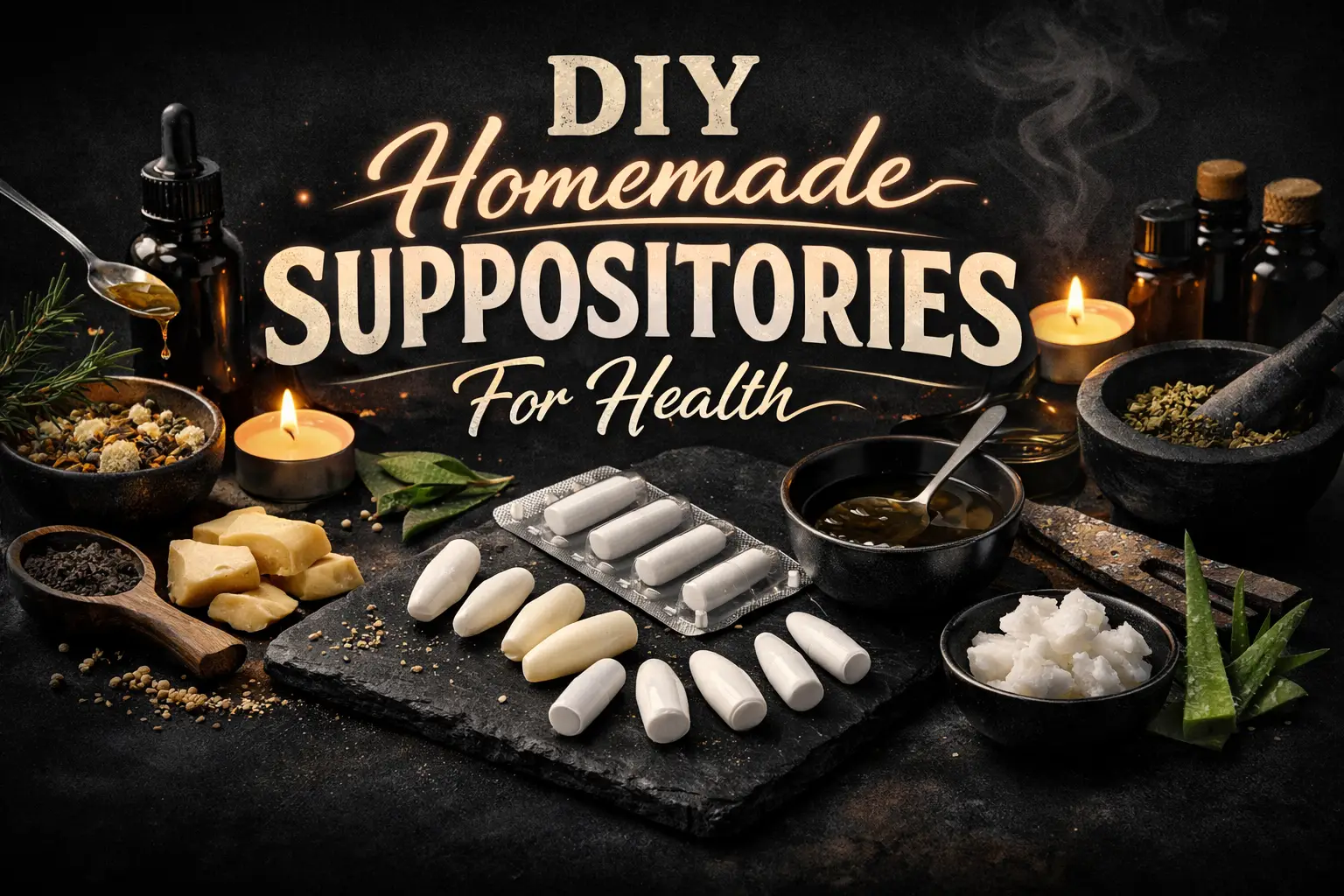
In recent years, there has been a growing interest in natural health remedies and do-it-yourself wellness practices. Among these, homemade suppositories have gained attention as an alternative method for delivering certain substances into the body. Suppositories have been used for centuries in traditional medicine systems, long before modern pharmaceutical capsules and tablets existed. Today, many people explore DIY suppositories for reasons such as digestive comfort, vaginal or rectal wellness, and holistic self-care.
This article explores the topic of DIY homemade suppositories for health in a detailed and educational manner. Rather than promoting reckless experimentation, the goal is to help readers understand what suppositories are, why some people consider making them at home, the types commonly discussed in natural health circles, and—most importantly—the safety considerations involved. When approached with knowledge and caution, understanding suppositories can empower individuals to make informed decisions about their health.
What Are Suppositories?
A suppository is a solid or semi-solid preparation designed to be inserted into the body through the rectum, vagina, or urethra, where it melts or dissolves due to body temperature. This allows the contents to be absorbed locally or systemically without passing through the digestive tract.
Historically, suppositories were made using natural fats, waxes, or oils mixed with herbs or medicinal substances. In modern medicine, they are commonly used to deliver pain relievers, laxatives, anti-inflammatory agents, or medications for localized infections.
Homemade suppositories generally follow the same principle but rely on natural bases and ingredients, often inspired by traditional healing systems and holistic wellness practices.
Why People Explore DIY Homemade Suppositories
There are several reasons why individuals may be curious about or interested in homemade suppositories:
One reason is digestive sensitivity. Some people experience nausea, irritation, or poor absorption when taking oral supplements. Suppositories bypass the digestive system and may feel gentler in certain cases.
Another reason is localized relief. Rectal or vaginal suppositories can deliver ingredients directly to the area of concern, which some believe enhances comfort or effectiveness.
A third motivation is control over ingredients. Homemade preparations allow individuals to avoid artificial preservatives, dyes, or additives often found in commercial products.
Finally, there is a growing interest in traditional and natural remedies. Many cultures have long histories of using natural oils, herbs, and butters in suppository form for comfort and hygiene.
Common Types of Homemade Suppositories Discussed in Wellness Communities
It is important to note that homemade suppositories are not standardized medical treatments. However, within natural health discussions, certain categories appear frequently.
Rectal Suppositories for Digestive Comfort
Rectal suppositories are often discussed for issues related to bowel comfort and elimination. In traditional wellness practices, these suppositories are believed to support smoother bowel movements or soothe rectal tissues.
Natural bases such as cocoa butter or coconut oil are commonly mentioned because they melt at body temperature and are generally gentle on the skin. These are sometimes used alone, without added ingredients, simply for lubrication and comfort.
Vaginal Suppositories for Intimate Wellness
Vaginal suppositories have been used historically in many cultures to support intimate hygiene and comfort. In modern natural health discussions, they are sometimes mentioned in relation to dryness, irritation, or maintaining a balanced environment.
People interested in this area often emphasize the importance of simplicity, cleanliness, and avoiding harsh or irritating substances. The vaginal environment is highly sensitive, and even natural ingredients can cause imbalance if used incorrectly.
Herbal Infused Suppositories
Some individuals explore herbal infusions incorporated into suppository bases. Herbs traditionally associated with soothing, moisturizing, or calming properties are sometimes used in this context.
However, herbal suppositories require extra caution. Not all herbs are safe for internal use, and some can cause allergic reactions or irritation when applied to mucous membranes.
Common Natural Bases Used in Homemade Suppositories
The base is the foundation of any suppository. It determines how the suppository melts, feels, and interacts with the body.
Cocoa Butter
Cocoa butter is one of the most commonly discussed bases for homemade suppositories. It is solid at room temperature but melts close to body temperature, making it practical for insertion. Cocoa butter is also known for its smooth texture and moisturizing properties.
Coconut Oil
Coconut oil is another popular option, especially in colder climates where it remains solid. It has a lower melting point than cocoa butter and may require refrigeration. Some people appreciate its natural antimicrobial properties, though sensitivity can vary.
Beeswax Blends
Beeswax is sometimes combined with oils to create a firmer suppository. Because beeswax has a higher melting point, it is typically used in small amounts. Pure beeswax alone is usually too firm and does not melt easily inside the body.
General Process Behind Homemade Suppositories
From an educational standpoint, the basic concept behind making suppositories involves melting a base, blending in desired ingredients, shaping the mixture, and allowing it to solidify.
Molds can range from specialized suppository molds to simple household items such as silicone trays. Once shaped, suppositories are usually stored in a cool place to maintain firmness.
While this process may sound simple, precision, hygiene, and ingredient safety are critical factors that should never be overlooked.
Hygiene and Safety Considerations
Safety is the most important aspect of any discussion on homemade suppositories. The rectal and vaginal areas are highly absorbent and sensitive, making them vulnerable to irritation or infection.
Cleanliness is essential. All tools, containers, and hands must be thoroughly cleaned and sanitized before preparation. Even small amounts of contamination can introduce harmful bacteria.
Ingredient selection is another key concern. Just because something is natural does not mean it is safe for internal use. Essential oils, for example, are highly concentrated and can cause serious irritation if misused.
Allergies and sensitivities must also be considered. A patch test on external skin does not guarantee safety for internal tissues, which are much more delicate.
Potential Benefits Often Associated with Natural Suppositories
Supporters of natural suppositories often mention certain perceived benefits. These claims are largely anecdotal and vary from person to person.
One commonly mentioned benefit is localized soothing. Natural fats may help reduce dryness or discomfort in sensitive areas.
Another perceived benefit is ease of absorption, especially for people who struggle with oral supplements.
Some people also appreciate the minimal ingredient approach, finding comfort in using simple, recognizable substances.
It is crucial to understand that these benefits are not guaranteed and should not replace professional medical care.
Risks and Limitations of DIY Suppositories
Despite their popularity in some wellness circles, homemade suppositories come with significant risks.
Incorrect formulation can lead to irritation, burning, or inflammation. Improper storage can result in contamination or spoilage. Inconsistent sizing can cause discomfort or unpredictable absorption.
There is also the risk of masking serious health conditions. Symptoms such as pain, discharge, bleeding, or chronic constipation may indicate underlying medical issues that require professional evaluation.
DIY suppositories should never be used as a substitute for prescribed medication or medical treatment.
Who Should Avoid Homemade Suppositories
Certain individuals should avoid homemade suppositories entirely unless advised by a healthcare professional.
Pregnant individuals should be especially cautious, as internal products can potentially affect pregnancy.
People with compromised immune systems, chronic gastrointestinal conditions, or recurrent infections should also avoid experimenting with homemade internal remedies.
Children and elderly individuals may be more sensitive to irritation or dosage inconsistencies and should not use DIY suppositories without medical guidance.
Storage and Shelf Life Considerations
Homemade suppositories lack preservatives, which significantly shortens their shelf life. They are usually stored in airtight containers in a refrigerator to maintain firmness and reduce the risk of bacterial growth.
Even under ideal conditions, homemade suppositories should be used within a short time frame. Any change in smell, texture, or appearance is a sign that the product should be discarded.
Ethical and Responsible Use of Natural Health Practices
Exploring natural health practices comes with a responsibility to prioritize safety and evidence-based decision making. DIY remedies can be empowering when approached with education and restraint, but they should never replace medical diagnosis or treatment.
Responsible use involves continuous learning, awareness of personal limits, and willingness to consult qualified professionals when needed.
When to Seek Professional Medical Advice
Any persistent or severe symptoms should always be evaluated by a healthcare provider. Pain, bleeding, unusual discharge, fever, or worsening discomfort are warning signs that should not be ignored.
Healthcare professionals can offer safe, tested alternatives and help determine whether suppositories are appropriate in a given situation.
Conclusion
DIY homemade suppositories for health represent a fascinating intersection of traditional knowledge and modern wellness curiosity. While they are rooted in historical practices and natural healing philosophies, they require careful understanding, hygiene, and respect for the body’s sensitivity.
Homemade suppositories may appeal to those seeking simple, natural approaches to localized comfort, but they are not without risks. Education, caution, and professional guidance are essential to ensure safety and effectiveness.
Ultimately, the most powerful health decisions are informed ones. By understanding both the potential and the limitations of DIY suppositories, individuals can make choices that truly support their well-being rather than compromise it.