Police officers serve on the front lines of society, responding to emergencies, protecting communities, and making high-stakes decisions under intense pressure. While their role is vital, it also exposes them to unique psychological challenges. Long hours, traumatic incidents, public scrutiny, and the constant demand for alertness can take a significant toll on mental health. In recent years, the development of online police officer support groups focused on mental health has become an essential resource for those in law enforcement.
An online mental health support group specifically designed for police officers provides a safe, confidential, and accessible environment where officers can share experiences, seek guidance, and receive emotional support from peers and professionals who understand the realities of the job. This article explores the importance of these groups, how they function, the benefits they offer, and how they are shaping the future of mental wellness in policing.
The Mental Health Challenges Faced by Police Officers
Exposure to Trauma
Police officers frequently encounter distressing and traumatic events. These may include violent crimes, serious accidents, domestic disputes, and situations involving vulnerable individuals. Continuous exposure to such events can lead to emotional exhaustion, compassion fatigue, and symptoms associated with trauma-related stress.
Unlike many professions, officers may not have the opportunity to fully process these experiences before moving on to the next emergency call. Over time, unprocessed stress can accumulate and affect both personal and professional life.
Chronic Stress and Burnout
Policing is not only physically demanding but also mentally taxing. Officers must remain vigilant, make rapid decisions, and manage unpredictable scenarios. Shift work, night duty, and long hours can disrupt sleep patterns and contribute to fatigue. Chronic stress may lead to irritability, difficulty concentrating, and reduced job satisfaction.
Burnout is another serious concern. It often manifests as emotional detachment, cynicism, and a sense of diminished accomplishment. Without adequate support, burnout can impact performance, relationships, and overall well-being.
Stigma Around Mental Health in Law Enforcement
Historically, law enforcement culture has emphasized toughness, resilience, and self-reliance. While these qualities are valuable, they can also discourage officers from seeking help. Some may fear being perceived as weak or worry about how mental health disclosures might affect their careers.
This stigma can prevent individuals from addressing issues early, allowing stress and emotional strain to intensify. Online support groups are helping to challenge these perceptions by normalizing conversations about mental health.
What Is a Police Officer Mental Health Online Support Group?
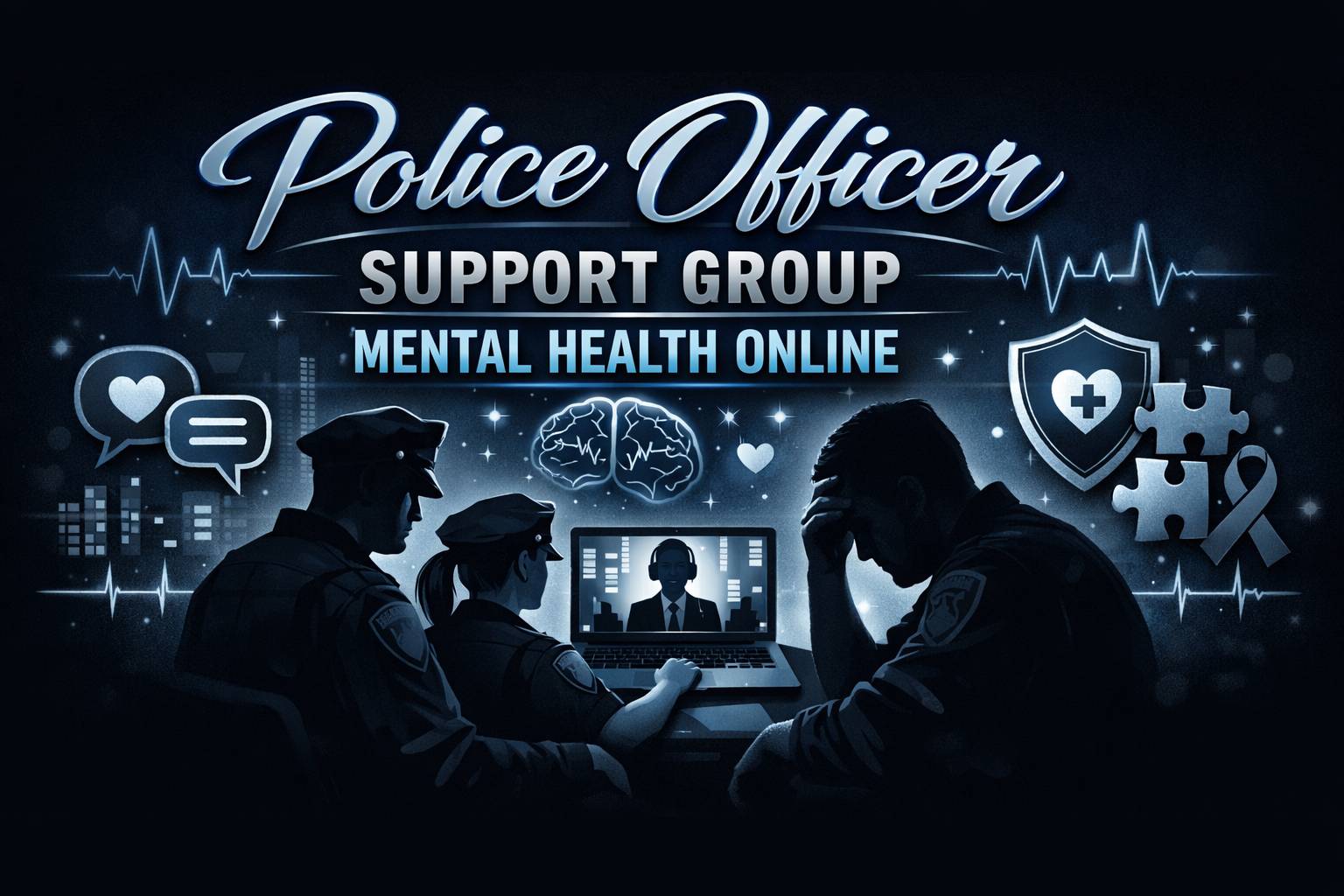
A police officer mental health online support group is a virtual community designed to provide emotional support, resources, and shared understanding among law enforcement professionals. These groups may be facilitated by licensed mental health professionals, peer support officers, or a combination of both.
Online platforms vary in format and structure. Some operate as scheduled video meetings, while others function as moderated forums or private discussion boards. Many include educational resources, coping strategies, and referrals to professional services.
The core purpose is to create a secure space where officers can speak openly about their experiences, challenges, and feelings without fear of judgment.
Key Features of Online Support Groups
Confidentiality and Privacy
Confidentiality is a central concern for police officers seeking support. Online groups often use secure platforms that protect participants’ identities and conversations. Some allow anonymous participation, which can encourage individuals to share more freely.
Clear guidelines are typically established to ensure respectful communication and protect members’ privacy.
Peer-Based Support
One of the most powerful aspects of these groups is peer support. Officers speaking with other officers understand the nuances of law enforcement life in ways that friends and family members may not fully grasp.
Shared experiences build trust and foster a sense of solidarity. Hearing others articulate similar struggles can reduce feelings of isolation.
Professional Facilitation
Many online support groups include trained facilitators, such as psychologists, counselors, or specially trained peer officers. These professionals help guide discussions, provide coping tools, and ensure that conversations remain constructive and supportive.
Professional involvement also ensures that participants who may need additional help are encouraged to seek appropriate services.
Accessibility and Flexibility
Online support groups offer flexibility that traditional in-person meetings may lack. Officers working rotating shifts can join sessions from home or even during breaks, depending on department policies.
Geographic barriers are eliminated, allowing officers from rural or remote areas to access the same level of support as those in urban centers.
Benefits of Online Mental Health Support for Police Officers
Reducing Isolation
Policing can sometimes feel isolating, especially when officers believe that others outside the profession do not understand their experiences. Online support groups connect individuals across departments, regions, and even countries, reinforcing that they are not alone in their struggles.
This sense of community can be deeply reassuring and empowering.
Encouraging Early Intervention
By providing a low-barrier entry point to mental health discussions, online groups encourage early intervention. Officers may feel more comfortable attending a group discussion than scheduling an individual counseling appointment.
Addressing concerns early can prevent more severe emotional distress and improve long-term resilience.
Improving Emotional Awareness
Open discussions about stress, fear, frustration, and grief help officers develop emotional awareness. Recognizing and articulating feelings is a critical step toward managing them effectively.
Increased emotional awareness can also enhance interpersonal relationships, both at work and at home.
Strengthening Coping Skills
Online support groups often incorporate practical strategies for managing stress. These may include mindfulness techniques, grounding exercises, healthy lifestyle habits, and communication skills.
Learning and practicing these tools in a supportive environment can make them easier to apply during high-pressure situations.
Supporting Career Longevity
Mental well-being plays a crucial role in career sustainability. Officers who feel supported and equipped to manage stress are more likely to maintain job satisfaction and remain engaged in their roles.
By investing in mental health resources, departments can help reduce absenteeism, turnover, and burnout.
The Role of Departments and Leadership
Promoting a Culture of Support
Department leadership has a significant influence on how mental health is perceived within the organization. When leaders openly discuss mental wellness and encourage participation in support programs, it sends a powerful message.
Departments that integrate online support groups into their wellness initiatives demonstrate a commitment to their officers’ holistic well-being.
Providing Resources and Training
Beyond support groups, comprehensive mental health programs may include training sessions on stress management, resilience, and peer support. Supervisors can be trained to recognize signs of emotional strain and respond appropriately.
Online platforms can serve as a central hub for these resources, making information easily accessible.
Ensuring Confidential Pathways to Care
Officers need assurance that seeking help will not automatically jeopardize their careers. Clear policies regarding confidentiality and mental health support can build trust and increase participation in online groups.
Types of Online Support Available
Peer-Led Discussion Groups
These groups are facilitated by trained officers who volunteer to support their colleagues. Peer-led discussions often focus on shared experiences and mutual encouragement.
Clinician-Led Therapy Groups
Some online platforms provide structured group therapy sessions led by licensed mental health professionals. These sessions may address specific topics such as trauma recovery, stress management, or family relationships.
Educational Webinars and Workshops
Webinars provide information on mental health topics relevant to law enforcement. Subjects might include sleep hygiene, coping with critical incidents, communication with loved ones, and maintaining work-life balance.
Anonymous Forums and Messaging Platforms
For those who prefer asynchronous communication, moderated forums allow members to post questions and share insights at any time. This format can be particularly helpful for officers with unpredictable schedules.
Addressing Common Concerns
Fear of Judgment
Many officers worry about being judged by peers. Online groups establish clear norms of respect and empathy. Hearing others openly discuss similar concerns often reduces fear of judgment.
Concerns About Career Impact
Some officers hesitate to participate due to concerns about how it may affect their professional standing. Transparent policies and anonymous participation options can help alleviate these fears.
Doubts About Effectiveness
Skepticism about mental health programs is not uncommon. However, research consistently shows that peer support and group interventions can improve coping skills, reduce stress, and enhance overall well-being.
While online support groups are not a substitute for individual therapy when needed, they can be a valuable component of a broader mental health strategy.
The Impact on Families
Police work affects not only officers but also their families. Stress carried home from work can influence relationships and family dynamics. Some online support platforms include resources for spouses and family members, helping them understand the challenges officers face.
When officers feel emotionally supported, they are better equipped to communicate effectively and maintain healthy relationships outside of work.
Technology and the Future of Support
Advances in technology are expanding the possibilities for online mental health support. Secure mobile applications, encrypted video conferencing, and interactive tools make participation easier and more engaging.
Artificial intelligence-driven wellness check-ins and digital self-assessment tools may complement support groups by helping officers monitor their mental health over time. However, human connection remains at the heart of effective support.
As awareness grows, more departments are likely to adopt integrated online wellness platforms that combine peer support, professional counseling, and educational resources.
Best Practices for Creating an Effective Online Support Group
Establish Clear Guidelines
Rules regarding confidentiality, respectful communication, and appropriate conduct must be clearly defined. Participants should understand the purpose and boundaries of the group.
Ensure Qualified Facilitation
Whether peer-led or clinician-led, facilitators should receive proper training. They must be prepared to guide discussions, manage conflicts, and recognize when participants may need additional help.
Encourage Voluntary Participation
Support groups are most effective when participation is voluntary. Officers should feel invited rather than obligated to join.
Provide Ongoing Evaluation
Regular feedback from participants helps improve the program. Surveys and open discussions can identify areas for enhancement.
Encouraging a Healthier Law Enforcement Community
Online mental health support groups represent a shift toward proactive care in law enforcement. They acknowledge that strength and vulnerability are not opposites. In fact, seeking support can be an act of courage and professionalism.
By fostering open dialogue, reducing stigma, and providing accessible resources, these groups contribute to healthier officers and safer communities. Officers who feel supported are better prepared to serve with empathy, clarity, and resilience.
Conclusion
Police officers dedicate their lives to protecting others, often at significant personal cost. The psychological demands of the profession require thoughtful and consistent support. Online mental health support groups offer a practical, confidential, and effective way to address these needs.
Through peer connection, professional guidance, and accessible resources, these groups are transforming how mental wellness is approached in law enforcement. They provide a space where officers can speak honestly, learn coping strategies, and build resilience together.
As technology continues to evolve and awareness of mental health grows, online support networks will likely become an integral part of law enforcement culture. By prioritizing mental well-being, departments not only safeguard their officers but also strengthen the communities they serve.
Creating and sustaining these support systems is not merely an option. It is an investment in the long-term health, effectiveness, and humanity of those who stand on the front lines every day.