


- DigestionRespiratory
- HealthSkin & Hair
- Heart & Liver
- Antioxidant & Anti-inflammatory
- Triphala Ingredient
Alkanet Root Powder (Ratan jot Powder) 100% Pure
Price range: ₨350.00 through ₨1,300.00
28 sold in last 16 hours
Hurry! Over 10 people have this in their carts
Brand: New Pansari
رتن جوت پاؤڈر
- Helps skin heal
- Reduces skin inflammation
- Fights microbes
- Rich in antioxidants
- Natural dye
... people are viewing this right now
Alkanet Root Powder (Ratan Jot Powder): A Natural Red Dye Powder
What Is Alkanet Root Powder?
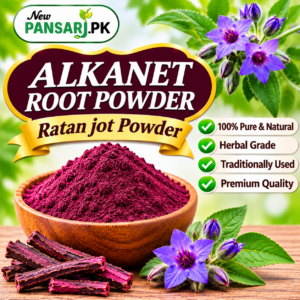
ALKANET ROOT POWDER (Ratan jot Powder)
Alkanet root powder, sold in Pakistan as ratan jot powder, is made by cleaning, drying and finely grinding the roots of Alkanna tinctoria (dyer’s alkanet) or related plants in the borage family, such as Onosma and Arnebia species. The powder is dark reddish-purple to brownish. Its colour comes from a natural pigment called alkannin, which gives rich reds, pinks and purples.
The powder is the most convenient form of alkanet. It mixes quickly into oils, soaps, balms and dye baths, with no need to wait for whole roots to release their colour.
Powder vs Whole Root
- Powder: Fast colour release, easy to measure, and well suited to soap making, balms and small craft batches. It is harder to judge by eye, so adulteration is a bigger risk.
- Whole root: Easier to inspect for authenticity and keeps its colour longer. It needs a longer soak or infusion.
If you want to be sure of quality, buy whole root and grind small amounts yourself. Powder is fine when it comes from a seller you trust.
Important: Don’t Confuse It with Jatropha
In some regions, “ratanjot” or “
jyot” also refers to Jatropha curcas, the physic nut, whose seeds and oil are toxic. This is a completely different plant. A proper listing should say “alkanet root powder”, state the botanical name and make clear that it is not Jatropha.
Common Uses
- Oil infusions: Alkannin dissolves in oil, so the powder gives a red tint to coconut, sesame or olive oil. Some households use the tinted oil as a traditional hair-care ingredient.
- Soap making: Gives pink to purple swirls, depending on the soap’s pH.
- Lip balms and cosmetic crafts: A natural red tint for homemade balms and blushes.
- Natural dye: Colours fabric, wool, leather and wood, with shades shifting by mordant and pH.
- Wood stain and polish: Gives furniture a reddish-brown tone.
- Traditional external preparations: Mentioned in Unani and Ayurvedic texts. Evidence for health effects in people is limited, so this is tradition and not proven treatment.
How to Make Alkanet Oil with the Powder
- Add 1 to 2 tablespoons of alkanet powder to a clean glass jar.
- Pour in about 1 cup of a carrier oil, such as coconut, sesame or olive oil.
- Warm gently in a double boiler for 30 to 60 minutes, or leave in a warm spot for 1 to 2 weeks, shaking now and then.
- Strain through a fine cloth or coffee filter. The fine powder can pass through a loose strainer, so filter twice.
- Store the oil in a dark, dry bottle.
Tips
- Do not use water. Alkannin barely dissolves in water, so a water soak gives little colour.
- Colour is pH-sensitive: it tends to look red in acid and bluish-purple in alkaline mixtures such as cold-process soap.
- Alkanet stains skin, clothes and counters, so wear gloves and protect surfaces.
- Do a patch test on a small area of skin before using any homemade product.
How to Choose Pure Alkanet Powder
Ground spices and herbs are easy to adulterate, and a bright red powder is especially easy to fake with synthetic dye. Look for:
- A clear label: It should say 100% alkanet root, with the botanical name.
- Natural colour: Dark red-brown to purple-brown. Avoid very bright, neon red or uniform powder.
- Fine, dry texture: No lumps, dampness or grit.
- Mild earthy smell: No chemical, musty or perfumed odour.
- Oil dye test: Stir a pinch into warm oil. Real alkanet turns the oil red slowly and evenly.
- Water test: A pinch in water should give very little colour. If the water turns bright red at once, synthetic dye may have been added.
- Sealed, dated packaging: Choose fresh stock from a trusted supplier.
No home test is perfect, so a supplier who can name the plant and source is the best protection.
Storage
Keep the powder in an airtight glass jar or tin, in a cool, dry place away from sunlight, heat and moisture. Use a dry spoon. Powder loses colour strength faster than whole roots, so use it within about a year. Label the jar clearly and keep it away from children.
Who Should Be Careful?
- Internal use: Alkanet contains pyrrolizidine alkaloids, which can harm the liver with internal or long-term use. It should not be eaten or drunk. Its use as a food colouring is restricted in several countries, including the European Union.
- Skin sensitivity: Some people react with irritation or an allergic rash. Do a patch test first.
- Broken skin: Avoid applying it to cuts or open wounds.
- Pregnancy and breastfeeding: Avoid, especially for any internal use.
- Children: Keep away from children, and don’t use it on infants.
- Inhaling the powder: Avoid breathing in fine dust, and wear a mask when handling large amounts.
- Staining: The dye can colour skin, nails and teeth for days.
- Persistent skin or hair problems: See a doctor or dermatologist.
Final Thoughts
Alkanet root powder is a striking natural colourant for oils, soaps, balms and dyes. It is best treated as an external, colouring ingredient and not something to swallow. Choose a clearly labelled, naturally coloured powder, test it in oil, store it dry, and keep it separate from the toxic Jatropha plant that shares its local name.
| Quantity | 50GM, 100GM, 250GM |
|---|
Related Products
Black Chebulic Myrobalan (Chotti Harr)100% Natural
Price range: ₨100.00 through ₨450.00
- Digestive Health
- Detoxification & Liver Health
- Immunity & Respiratory Support
- Skin & Hair Health
- Cardiovascular Benefits
- Cognitive & Nervous System Support
- Blood Sugar Regulation
Beleric (Beherra) | Baheda Beleric Myrobalan | Bastard Myrobalan 100%
Price range: ₨100.00 through ₨850.00


Black Musli (Siyah Musli) Curculigo orchioides 100% Pure
Price range: ₨450.00 through ₨2,850.00
-
Curculigo Orchioides
-
سیاہ موصلی
-
کالی موصلی
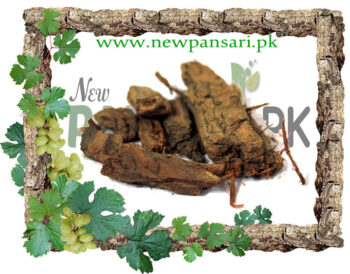
Arjuna Bark (Arjun Ki Chaal) Terminalia arjuna tree 100% Pure
Price range: ₨220.00 through ₨730.00
- Good for heart – strengthens heart and improves circulation.
- Lowers cholesterol – helps reduce bad cholesterol and increase good cholesterol.
- Reduces blood pressure – supports healthy blood pressure.
- Antioxidant – protects cells from damage.
- Anti-inflammatory – helps reduce inflammation.
- Supports kidneys – helps in detox and kidney health.
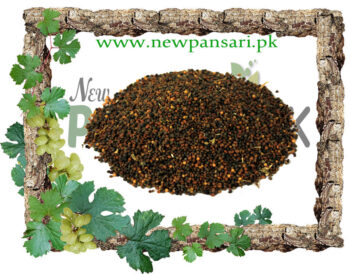
Arugula Seeds (Tukhm-e-Tara Mera) Eruca sativa 100% Pure
Price range: ₨60.00 through ₨700.00
- Rich in nutrients: Vitamins, minerals, and antioxidants.
- Good for digestion: High in fiber.
- Heart health: Helps blood flow and lowers blood pressure.
- Anti-inflammatory: Reduces inflammation.
- Strong bones: Contains calcium and vitamin K.
- Weight management: Low calorie, keeps you full.
- Healthy skin & hair: Supports repair and growth.
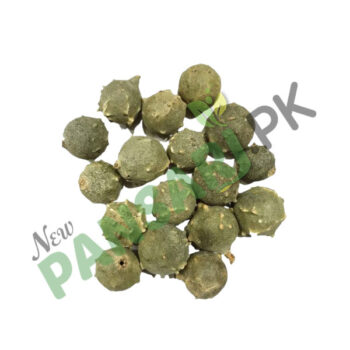

Aleppo Oak gall Mazu Sabz Majo 100% Pure Biorhiza pallida
Price range: ₨250.00 through ₨1,500.00
- Good for digestion – helps with diarrhea and stomach issues.
- Anti-inflammatory – reduces swelling and irritation.
- Helps skin – heals wounds, burns, and skin problems.
- Supports respiratory health – soothes mild coughs.
- May help blood sugar – can assist in controlling sugar levels.
- Oral care – strengthens gums and reduces inflammation.


Almond Straw (Badam Ki Khali) 100% Natural Prunus dulcis
Price range: ₨100.00 through ₨800.00
- May help heart and brain health
- Supports skin, teeth, and bones
- Could help control blood sugar and weight
- May aid digestion
- Can improve soil when used as compost
- Sometimes used as animal feed


Bitter Apple (Sheem Hanzal) Tuma 100% Natural
Price range: ₨100.00 through ₨650.00
- Digestive Support
- Blood Sugar Regulation
- Metabolic Support
- Antioxidant, Anti‑inflammatory
- Detoxification
- Skin & External Uses


Kikar Ki Chaal (Acacia Tree Bark) 100% Natural | New Pansari
Price range: ₨100.00 through ₨500.00
- Stops bleeding & heals wounds – due to its astringent properties.
- Helps digestion – useful for diarrhea and stomach issues.
- Good for gums and teeth – strengthens gums.
- Anti-inflammatory & antimicrobial – helps with skin infections.
- Industrial uses – used in tanning leather, making dyes, and as firewood.


Australian Pine Tree Fruit (Mae Khurdo) 100% Pure Casuarina equisetifolia
Price range: ₨100.00 through ₨450.00
- Boosts immunity – may help your body fight infections.
- Good for eyes – supports eye health.
- Improves circulation – may help blood flow.
- Skin & hair – may improve skin and prevent hair problems.
- Respiratory health – used for cough, sore throat, asthma.
- General tonic – traditional use for overall health and energy.


Bitter Ginger (Narkachur) Zingiber zerumbet 100% Natural
Price range: ₨120.00 through ₨850.00
- Digestive Health
- Anti-Inflammatory and Pain Relief
- Immune Support
- Metabolic and Cardiovascular Benefits
- Antimicrobial Properties
- Detoxification and Liver Support
- Weight Management

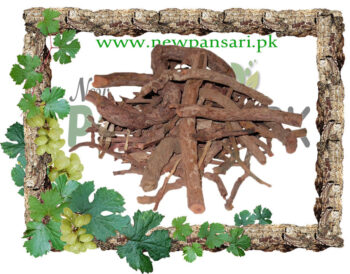
Manjistha roots || Majeeth مجیٹھ Alkanna tinctoria 100% Pure
Price range: ₨150.00 through ₨700.00
- Helps skin heal – good for cuts, burns, and wounds.
- Reduces skin inflammation – soothes redness and irritation.
- Fights microbes – can help prevent minor infections.
- Rich in antioxidants – protects skin from damage.
- Natural dye – used to color cosmetics and soaps.
Reviews
There are no reviews yet.