






- DigestionRespiratory
- HealthSkin & Hair
- Heart & Liver
- Antioxidant & Anti-inflammatory
- Triphala Ingredient
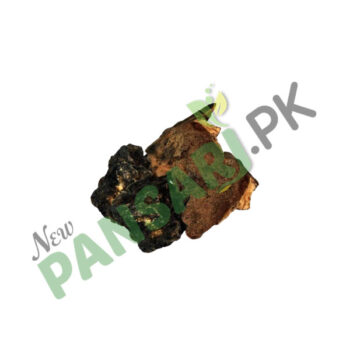
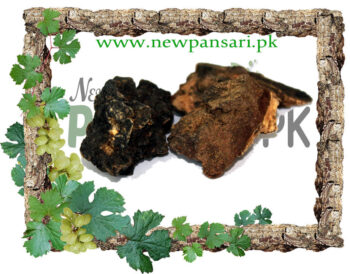
Alkanet Root (Ratan jot Sabut) Premium Quality 100% Alkanna tinctoria
Price range: ₨280.00 through ₨1,600.00
10 sold in last 7 hours
Hurry! Over 17 people have this in their carts
Brand: New Pansari
رتن جوت
- Helps skin heal – good for cuts, burns, and wounds.
- Reduces skin inflammation – soothes redness and irritation.
- Fights microbes – can help prevent minor infections.
- Rich in antioxidants – protects skin from damage.
- Natural dye – used to color cosmetics and soaps.
... people are viewing this right now
Alkanet Root (Ratan Jot Sabut): The Red Dye Root of Traditional Practice
What Is Alkanet Root?
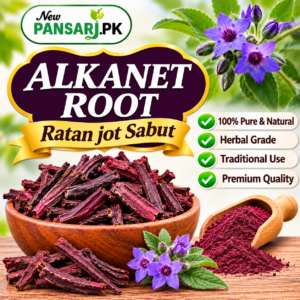
Alkanet Root (Ratan jot Sabut)
Alkanet root, sold in Pakistan as ratan jot, ratanjot sabut or rattan jot, is the dried root of a plant in the borage family. The root has a rough, dark purple-brown skin, and when you scrape or soak it, it releases a deep red to purple colour. The pigment is called alkannin.
The botanical source depends on the region:
- Alkanna tinctoria (dyer’s alkanet): Native to the Mediterranean and the most common source in international trade.
- Arnebia and Onosma species: Often sold as ratan jot in South Asia, such as Onosma echioides and Arnebia euchroma.
Different suppliers use different plants, so ask for the botanical name when you buy.
Important: Don’t Confuse It with Jatropha
In some parts of India, “ratanjot” or “ratan jyot” also refers to Jatropha curcas, the physic nut, whose seeds and oil are toxic. This is a completely different plant from alkanet root. The listing should clearly say “alkanet root” and show the dark purple-brown root, so there is no mix-up.
Traditional and Common Uses
- Natural red dye: The classic use. The root colours fabric, wool, wood, leather and cosmetics in shades from pink to deep purple, depending on what it is mixed with.
- Hair oil colouring: Steeped in oil, the root gives a red tint. Some households use this oil as a traditional hair-care ingredient.
- Lip and cheek tint: Used in homemade balms and cosmetics.
- Wood stain and polish: Gives furniture a reddish-brown finish.
- Traditional herbal practice: Mentioned in Unani and Ayurvedic texts, usually for external use. Evidence for health effects in people is limited, so it is tradition and not proven treatment.
- Food colouring (historical): Once used to colour foods, but today it is restricted in many countries (see the safety section).
How to Make Alkanet Oil (Traditional External Use)
- Place 2 to 3 tablespoons of dried root pieces in a clean glass jar.
- Cover with about 1 cup of a carrier oil, such as coconut, sesame or olive oil.
- Close the jar and leave it in a warm spot for 1 to 2 weeks, shaking now and then. Or warm it very gently in a double boiler for an hour, then let it sit.
- Strain through a clean cloth, and store the oil in a dark, dry bottle.
Tips
- Alkannin dissolves in oil and alcohol, not in water, so soaking in water gives little colour.
- The colour is pH-sensitive. It tends to look red in acid and bluish or purple in alkaline conditions.
- Alkanet stains skin, clothes and counters, so wear gloves and protect surfaces.
- Do a patch test on a small area of skin before using any homemade product.
How to Choose Good Quality Alkanet Root
- Colour: The skin should be dark purple to reddish-brown, with a lighter, woody centre.
- Dye test: Rub a piece on a damp white cloth or soak a small piece in a little oil. A good root gives a rich red or purple colour.
- Dry and clean: There should be no mould, dampness, soil or insects.
- Mild earthy smell: There should be no musty or chemical odour.
- Whole, firm pieces: Whole roots are easier to judge than powder.
- Clear labelling: The seller should state the botanical name and confirm it is not Jatropha.
Simple home checks
- Oil test: A few small pieces in warm oil should turn it red within hours.
- Rub test: The root should leave a red or purple stain.
- Visual check: Compare with a trusted reference photo.
No home test can confirm the species, so rely on a supplier who knows the plant. Be cautious with very bright powders, which may have synthetic dye added.
Storage
Keep the root in an airtight glass jar or tin, in a cool, dry place away from sunlight and moisture. Whole roots last for years, while powder loses colour strength faster. Label the jar clearly and keep it away from children, since it looks different from kitchen spices.
Who Should Be Careful?
- Internal use: Alkanet contains pyrrolizidine alkaloids, which can harm the liver with internal or long-term use. For this reason, alkanet should not be eaten or drunk. Its use as a food colouring is restricted or banned in several countries, including the European Union.
- Skin sensitivity: Some people react with irritation or an allergic rash. Do a patch test first.
- Broken skin: Avoid applying it to cuts or open wounds.
- Pregnancy and breastfeeding: Avoid, especially for any internal use.
- Children: Keep away from children and don’t use it on infants.
- Staining: The dye can colour skin, nails and teeth for days.
- Medical conditions: Ask a doctor before using it as a remedy.
- Persistent skin or hair problems: See a doctor or dermatologist.
Final Thoughts
Alkanet root, or ratan jot, is an old and striking natural dye root with a long history in crafts, cosmetics and traditional practice. It is best treated as an external, colouring ingredient and not as something to swallow. Choose clean, dry roots with a clear botanical name, store them dry, and keep them clearly separate from the toxic Jatropha plant that shares the same local name.
| Quantity | 50GM, 100GM, 250GM |
|---|---|
| Form | Whole ( ثابت ), Grounded ( کٹی ہوی ), Powder ( پسا ہوا ) |
Related Products
Barley (Joo) Hordeum vulgare 100% Pure
Price range: ₨150.00 through ₨750.00
- Good for digestion – helps your stomach and bowels.
- Lowers cholesterol – supports heart health.
- Controls blood sugar – slows sugar absorption.
- Helps with weight – keeps you full longer.
- Hydrating & refreshing – caffeine-free and good for detox.
- Rich in nutrients – contains vitamins and minerals for bones and skin.
Bitter Apple (Sheem Hanzal) Tuma 100% Natural
Price range: ₨100.00 through ₨650.00
- Digestive Support
- Blood Sugar Regulation
- Metabolic Support
- Antioxidant, Anti‑inflammatory
- Detoxification
- Skin & External Uses
Betel Nut Flower (Gul Supari) Areca Catechu Flower 100% Natural
Price range: ₨120.00 through ₨550.00
- Digestive Aid
- Anti-inflammatory Properties
- Antioxidant Effects
- Respiratory Support
- Skin HealthMild Stimulant
Australian Pine Tree Fruit (Mae Khurdo) 100% Pure Casuarina equisetifolia
Price range: ₨100.00 through ₨450.00
- Boosts immunity – may help your body fight infections.
- Good for eyes – supports eye health.
- Improves circulation – may help blood flow.
- Skin & hair – may improve skin and prevent hair problems.
- Respiratory health – used for cough, sore throat, asthma.
- General tonic – traditional use for overall health and energy.
Bitter Gourd Dry (Karela Khushk) Karala Momordica charantia 100% Natural
Price range: ₨60.00 through ₨450.00
- Blood Sugar Management
- Supports Digestion
- Boosts Immunity
- Liver Health
- Heart Health
- Weight Management
Kudzu Root Badhari Qand (Badari Qand) 100% Natural
Price range: ₨150.00 through ₨1,000.00
بدھاری قند
- Helps digestion.
- Relieves cough and throat problems.
- Gives quick energy.
- Supports immunity.
- Reduces inflammation.
- Promotes relaxation.
Beleric (Beherra) | Baheda Beleric Myrobalan | Bastard Myrobalan 100%
Price range: ₨100.00 through ₨850.00


Black Mica (Abrak Siyah) Biotite 100% Pure
Price range: ₨50.00 through ₨650.00
- Skin Health
- Energy Balance
- Improves Fertility and Libido
- Prevents Intestinal Problems
- Remedy for Respiratory


Bitter Ginger (Narkachur) Zingiber zerumbet 100% Natural
Price range: ₨120.00 through ₨850.00
- Digestive Health
- Anti-Inflammatory and Pain Relief
- Immune Support
- Metabolic and Cardiovascular Benefits
- Antimicrobial Properties
- Detoxification and Liver Support
- Weight Management


Bitter Gourd Seeds (Tukhm-e-Karela) Karala Seeds 100% Natural
Price range: ₨130.00 through ₨750.00
- Rich in Nutrients
- Blood Sugar Regulation
- Anti-inflammatory Properties
- Antimicrobial and Antiviral
- Digestive Health
- Supports Weight Management
Areca Nut, Betel Nut (Chikni Supari, Chaliya) Areca catechu 100% Natural
Price range: ₨350.00 through ₨1,800.00
- Helps digestion
- Increases alertness (like caffeine)
- Used in traditional medicine for worms
- Part of cultural and social customs

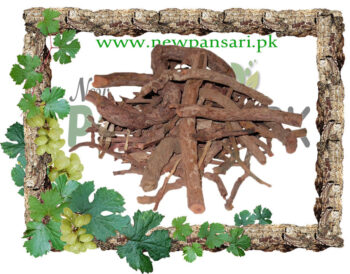
Manjistha roots || Majeeth مجیٹھ Alkanna tinctoria 100% Pure
Price range: ₨150.00 through ₨700.00
- Helps skin heal – good for cuts, burns, and wounds.
- Reduces skin inflammation – soothes redness and irritation.
- Fights microbes – can help prevent minor infections.
- Rich in antioxidants – protects skin from damage.
- Natural dye – used to color cosmetics and soaps.
Reviews
There are no reviews yet.