








- Helps digestion
- Controls sugar
- Boosts immunity
- Good for heart and liver
- Helps skin and breathing
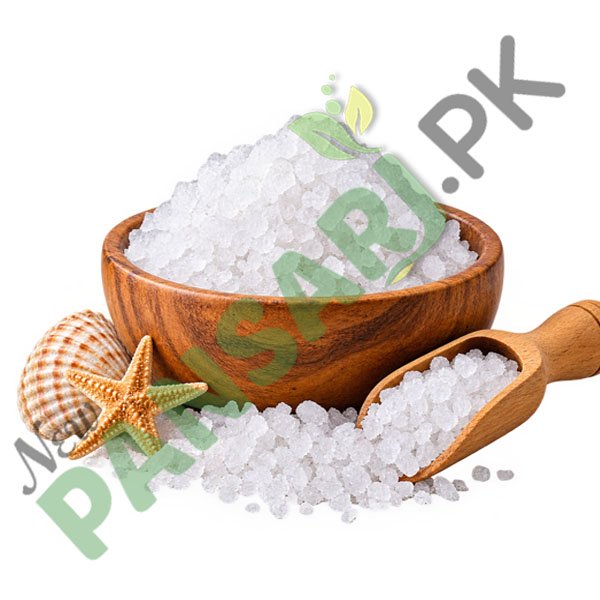
Arabian Sea Salt (Samundri Namak) 100% Pure
Price range: ₨300.00 through ₨950.00
11 sold in last 5 hours
Hurry! Over 10 people have this in their carts
Brand: New Pansari
- Natural sea salt
- Clean, fresh taste
- Good for daily cooking
- Great for pickles and fish
- Coarse crystals for crunch
- No added colour (if pure
... people are viewing this right now
Arabian Sea Salt (Samundri Namak): Natural Salt from the Coast
What Is Arabian Sea Salt?
Sea salt, called samundri namak in Urdu, is salt made by evaporating seawater from the Arabian Sea. Along the coastal areas of Sindh and Balochistan, seawater is channelled into shallow, flat pans called salt pans. Sun and wind slowly evaporate the water, leaving behind crystals that are then raked, washed, dried and packed.
This is one of the oldest methods of making salt, and it ne
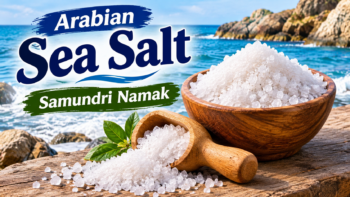
Arabian Sea Salt (Samundri Namak) 100% Pure
eds little more than sunshine and patience. Because the salt is dried naturally rather than mined, it often keeps small amounts of other minerals from the seawater.
Sea Salt vs Table Salt vs Rock Salt
- salt (samundri namak): Made by evaporating seawater. Usually has a clean, bright saltiness and may be coarse, medium or fine.
- Table salt: Highly refined, finely ground, often with iodine and anti-caking agents added.
- Rock salt (sendha namak and Himalayan pink salt): Mined from ancient underground deposits, and often pink or off-white.
All of them are mostly sodium chloride. The differences are in processing, texture and trace minerals, which are present in small amounts. Sea salt should not be treated as a mineral supplement.
How Arabian Sea Salt Is Used
Samundri namak suits both everyday cooking and traditional uses:
- Daily cooking: Curries, dals, rice, vegetables and soups.
- Brining and marinades: Coarse crystals dissolve well in meat and fish brines.
- Fish and seafood: A natural partner for fresh fish, prawns and grilled seafood.
- Pickles and preserves: Coarse salt is ideal for achar and curing.
- Baking and bread: Fine salt blends evenly into dough.
- Finishing salt: Coarse flakes sprinkled on salads, fries, grilled corn and fruit chaat.
- Salt grinders: Dry, coarse crystals work well in a grinder.
Coarse, Medium and Fine
- Coarse (moti namak): Best for pickles, brines, boiling, salt crusts and grinders.
- Medium: An all-purpose choice for most home cooking.
- Fine (bareek namak): Dissolves fast, suited to baking, table use and quick seasoning.
If you swap one grain size for another, remember that coarse salt takes up more space per teaspoon, so measure by taste or weight.
What About Iodine?
Table salt is commonly fortified with iodine to help prevent deficiency, a major public health concern in many regions. Natural sea salt usually contains only small, variable amounts of iodine unless it is added. If you switch entirely to non-iodised salt, make sure you get iodine from other sources such as dairy, eggs or fish, and ask a doctor if you are unsure, especially during pregnancy.
How to Use It in Cooking
- Salt gradually and taste as you go, since sea salt crystals vary in size and strength.
- For pickles, use clean, dry coarse salt and sterilised jars.
- For fish and meat brines, dissolve coarse salt fully in water before adding the food.
- Use fine or ground salt in baking for even mixing.
- Sprinkle coarse crystals on at the end for a pleasing crunch.
Tips
- Start with less than the recipe says and adjust.
- Do not substitute teaspoon for teaspoon between coarse and fine salt.
- Keep a small bowl of salt near the stove for quick, dry access.
How to Choose 100% Pure Sea Salt
“100% pure” should mean salt crystals with nothing added, though real sea salt is not completely free of natural traces from seawater. Look for:
- A clear ingredient list: Only sea salt. No anti-caking agents, colour or fillers, unless clearly stated.
- Colour: White to slightly grey or off-white. Very bright, snow-white salt is usually more refined.
- Clean crystals: There should be no visible dirt, sand, shells or dark specks.
- Dry texture: The crystals should pour freely, without wet clumps.
- Clear packaging: Look for a brand name, batch or date, and contact details.
- Source details: Honest sellers can tell you where the salt was harvested and how it was processed.
Simple home checks
- Dissolve test: Pure salt dissolves completely in warm water, leaving a clear solution. Sediment may mean impurities.
- Smell test: It should smell clean or faintly of the sea, never musty or chemical.
- Taste test: It should taste clean and salty, without bitterness.
No home test is perfect, so buying from a trusted supplier is the best protection.
Storage
Keep samundri namak in an airtight glass jar or steel tin, away from moisture, steam and direct sunlight. Natural sea salt can absorb humidity and clump in damp weather, so add a few dry rice grains to the jar and always use a dry spoon. Stored well, salt keeps for years.
Who Should Be Careful?
- High blood pressure and heart conditions: Sea salt contains just as much sodium as other salts. People advised to limit sodium should not treat it as a “healthier” alternative.
- Kidney conditions: Ask a doctor about salt intake.
- Children: Avoid adding extra salt to children’s food.
- Pregnancy: Follow a doctor’s advice on salt and iodine.
- Everyone: Health authorities advise keeping total salt intake moderate, whatever the type.
Final Thoughts
Sea salt is a simple, traditional ingredient, shaped by sun, wind and sea. Whether you use it in a pot of dal, a fish marinade or a jar of pickles, choose clean, dry, natural crystals, store them away from damp, and use them in moderation.
| Quantity | 100GM, 250GM, 500GM |
|---|---|
| Form | Whole ( ثابت ), Grounded ( کٹی ہوی ), Powder ( پسا ہوا ) |
Related Products
Almond Straw (Badam Ki Khali) 100% Natural Prunus dulcis
Price range: ₨100.00 through ₨800.00
- May help heart and brain health
- Supports skin, teeth, and bones
- Could help control blood sugar and weight
- May aid digestion
- Can improve soil when used as compost
- Sometimes used as animal feed
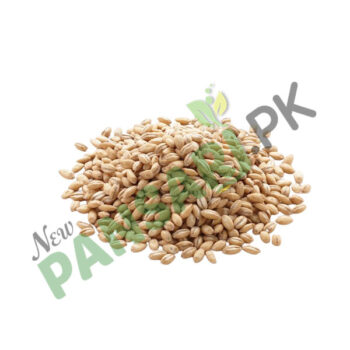
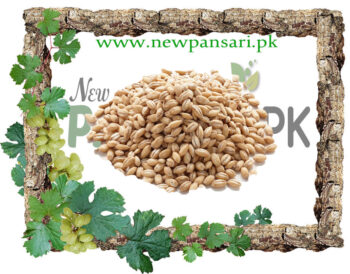
Barley (Joo) Hordeum vulgare 100% Pure
Price range: ₨150.00 through ₨750.00
- Good for digestion – helps your stomach and bowels.
- Lowers cholesterol – supports heart health.
- Controls blood sugar – slows sugar absorption.
- Helps with weight – keeps you full longer.
- Hydrating & refreshing – caffeine-free and good for detox.
- Rich in nutrients – contains vitamins and minerals for bones and skin.
Bitter Apple Seeds (Tukhm-e-Hanzal) Tuma seeds Citrullus colocynthis 100% Pure
Price range: ₨100.00 through ₨700.00
- Antidiabetic / Blood Sugar‑Lowering Effect
- Rich in Nutrients / Oil Profile Favorable
- Anti‑Inflammatory, Antioxidant, Antimicrobial Potential
- Digestive / Purgative Effects (Traditional Use)
Areca Nut, Betel Nut (Chikni Supari, Chaliya) Areca catechu 100% Natural
Price range: ₨350.00 through ₨1,800.00
- Helps digestion
- Increases alertness (like caffeine)
- Used in traditional medicine for worms
- Part of cultural and social customs
Bitter Apple (Sheem Hanzal) Tuma 100% Natural
Price range: ₨100.00 through ₨650.00
- Digestive Support
- Blood Sugar Regulation
- Metabolic Support
- Antioxidant, Anti‑inflammatory
- Detoxification
- Skin & External Uses
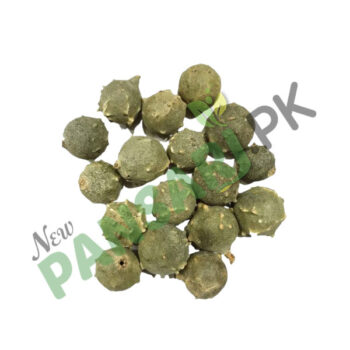
Aleppo Oak gall Mazu Sabz Majo 100% Pure Biorhiza pallida
Price range: ₨250.00 through ₨1,500.00
- Good for digestion – helps with diarrhea and stomach issues.
- Anti-inflammatory – reduces swelling and irritation.
- Helps skin – heals wounds, burns, and skin problems.
- Supports respiratory health – soothes mild coughs.
- May help blood sugar – can assist in controlling sugar levels.
- Oral care – strengthens gums and reduces inflammation.
Australian Pine Tree Fruit (Mae Khurdo) 100% Pure Casuarina equisetifolia
Price range: ₨100.00 through ₨450.00
- Boosts immunity – may help your body fight infections.
- Good for eyes – supports eye health.
- Improves circulation – may help blood flow.
- Skin & hair – may improve skin and prevent hair problems.
- Respiratory health – used for cough, sore throat, asthma.
- General tonic – traditional use for overall health and energy.
Bitter Gourd Seeds (Tukhm-e-Karela) Karala Seeds 100% Natural
Price range: ₨130.00 through ₨750.00
- Rich in Nutrients
- Blood Sugar Regulation
- Anti-inflammatory Properties
- Antimicrobial and Antiviral
- Digestive Health
- Supports Weight Management


Bitter Ginger (Narkachur) Zingiber zerumbet 100% Natural
Price range: ₨120.00 through ₨850.00
- Digestive Health
- Anti-Inflammatory and Pain Relief
- Immune Support
- Metabolic and Cardiovascular Benefits
- Antimicrobial Properties
- Detoxification and Liver Support
- Weight Management


Acanthus Seeds (Tukhm-e-Utangan)
- Skin: Helps heal wounds, burns, and skin inflammation.
- Respiratory: Relieves cough and bronchitis.
- Digestion: Aids digestion and relieves constipation.
- Pain & Inflammation: Reduces joint pain and swelling.
- Reproductive Health: Can improve sexual health.
- Hair: Strengthens hair and improves scalp health.
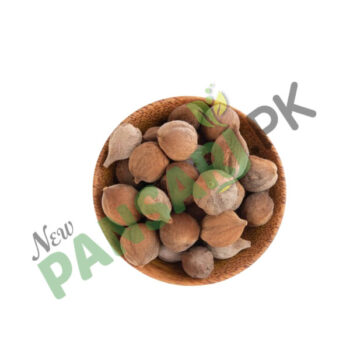
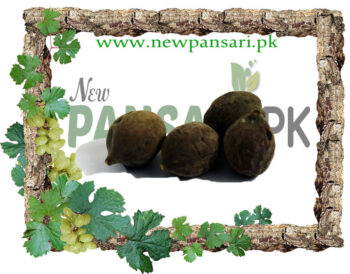
Beleric (Beherra) | Baheda Beleric Myrobalan | Bastard Myrobalan 100%
Price range: ₨100.00 through ₨850.00
Reviews
There are no reviews yet.