


Shame Plant Seeds (Lajwanti, Lajjalu) – 100% Pure Mimosa pudica Seeds
Buy 100% pure Lajwanti Seeds (Lajjalu, Mimosa pudica) online. Authentic Touch-Me-Not seeds for traditional use. Trusted quality, fast delivery.
Product Overview
Looking for genuine Lajwanti Seeds, also known as Lajjalu or Chui Mui, sourced from the fascinating Mimosa pudica (Touch-Me-Not / Shame Plant)? This small, distinctive plant is instantly recognizable for its leaves, which fold shut within seconds of being touched — a natural response that has fascinated people for generations. Beyond its curious behavior, Lajwanti has a long-standing place in Ayurvedic, Unani, and traditional Siddha medicine, where its seeds, roots, and leaves have all been referenced in classical formulations.
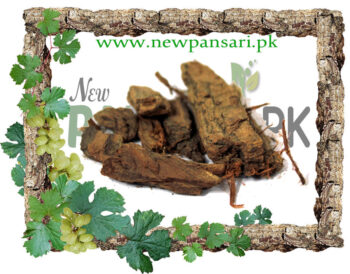
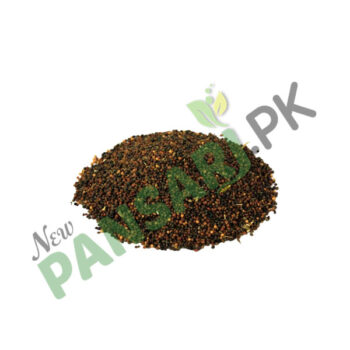
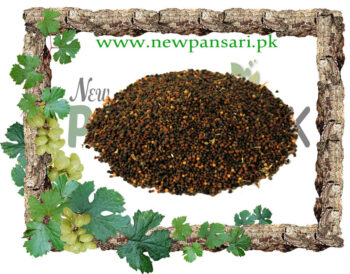
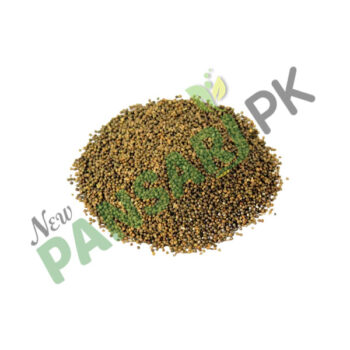
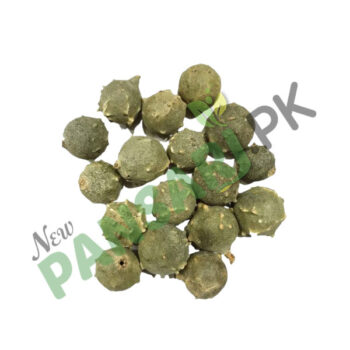
We supply Lajwanti Seeds in their raw, naturally dried form — cleaned and sorted, with no chemical treatment or artificial additives.
Why Choose Our Lajwanti Seeds?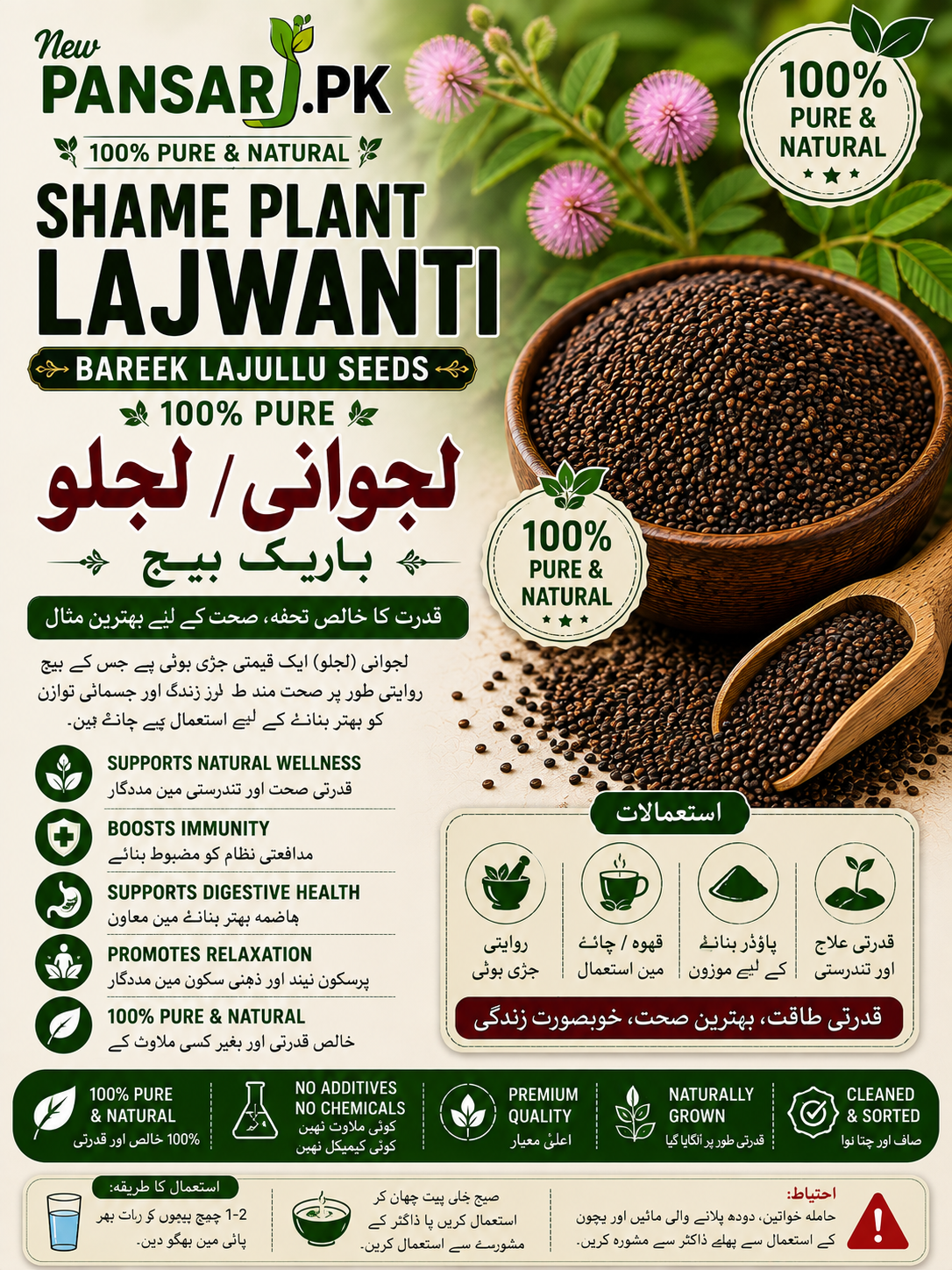
- 100% Natural & Pure – Genuine Mimosa pudica seeds, no mixing
- Naturally Dried – Traditional processing to preserve natural properties
- Hygienically Cleaned & Sorted – Free from debris and impurities
- No Additives or Preservatives – Pure seeds, nothing else added
- Trusted Across Traditions – Recognized in Ayurvedic and Unani herbal practice
- Fair, Transparent Pricing – Genuine quality at an honest price
- Fast & Secure Delivery – Reliable shipping across Pakistan
About Lajwanti (Mimosa pudica)
Mimosa pudica is a thorny, low-growing shrub, easily identified by its fern-like, feathery leaves that fold inward almost instantly when touched — a natural defense mechanism known scientifically as thigmonasty. Its very name across languages reflects this trait: “Lajjalu” in Sanskrit and “Sharmili” in Unani both roughly translate to “shy” or “modest.”
Classical Ayurvedic and Unani texts document Lajwanti’s roots, leaves, and seeds as having naturally astringent and cooling properties, and the plant has traditionally been referenced in formulations related to skin and wound care, and general digestive comfort. The seeds specifically are traditionally noted for their natural mucilage content, which is what gives them their distinctive traditional use in certain preparations.
Traditional Uses
- Ayurvedic & Unani Formulations – Used by traditional practitioners as a raw material ingredient
- Topical Traditional Applications – Ground into a paste for traditional skin and wound-care use
- Traditional Astringent Use – Referenced in classical texts among cooling, astringent-category herbs
- Cultivation – Seeds can also be grown to cultivate the plant itself, valued for its unique touch-sensitive foliage
Important Safety Note
Lajwanti Seeds are a traditional herbal material and should be used only in the customary manner, ideally under the guidance of a qualified hakim, Ayurvedic vaid, or healthcare provider, particularly for any internal or formulation-specific use. It is not intended for self-medication, casual consumption, or use by children, pregnant or breastfeeding women without professional guidance. Please consult a qualified practitioner before use. This listing is for the sale of raw herbal seed only and does not constitute medical advice.
How It’s Packed
Each batch of Lajwanti Seeds is:
- Sourced from trusted regional suppliers
- Naturally dried to preserve their form and properties
- Cleaned and sorted to remove debris
- Packed in moisture-resistant, sealed packaging to preserve freshness
Frequently Asked Questions
Q: What is Lajwanti traditionally used for?
It has a long history of use in Ayurvedic, Unani, and Siddha medicine, historically referenced for skin, wound-care, and digestive-related traditional formulations.
Q: Can I grow these seeds into a plant?
Yes, Lajwanti seeds can be soaked and planted to grow the Touch-Me-Not plant, valued for its distinctive touch-sensitive leaves.
Q: Is it safe to use without professional guidance?
For internal or formulation-specific use, we recommend consulting a qualified hakim or Ayurvedic vaid.
Q: How should I store the seeds?
Keep in a cool, dry, airtight container away from direct sunlight and moisture.
Q: Are Lajwanti and Lajjalu the same thing?
Yes, these are regional names referring to the same Mimosa pudica plant and its seeds.
Order Now
Get authentic Lajwanti Seeds (Lajjalu, Shame Plant) delivered straight to your door. Genuinely sourced, naturally dried, and reliably delivered across Pakistan.
Add to cart today and bring home a trusted traditional herbal seed.






Reviews
There are no reviews yet.