


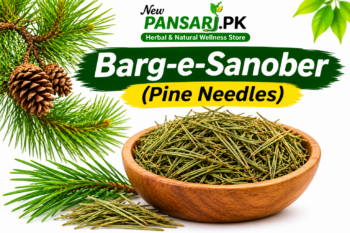


- Helps digestion
- Controls sugar
- Boosts immunity
- Good for heart and liver
- Helps skin and breathing
Barg e Sanober | Sanober leaves |100% pure Pine Needles صنوبر کے پتے
Original price was: ₨6,000.00.₨5,000.00Current price is: ₨5,000.00.
13 sold in last 1 hour
Hurry! Over 12 people have this in their carts
Brand: New Pansari
- Helps digestion.
- Reduces inflammation.
- Fights germs.
- Helps with cough and breathing.
- Can improve skin health.
- May help remove excess water from the body.
... people are viewing this right now
| Quantity | 50GM, 100GM, 250GM |
|---|---|
| Form | Whole ( ثابت ), Grounded ( کٹی ہوی ), Powder ( پسا ہوا ) |
Related Products
Babool Gum (Gond Keekar) 100% Pure Acacia nilotica
Price range: ₨150.00 through ₨1,000.00
- Good for teeth and gums
- Good for bones and joints
- Helps digestion
- Good for heart
- Soothes cough and throat
- Good for skinHelps control weight
Bitter Gourd Dry (Karela Khushk) Karala Momordica charantia 100% Natural
Price range: ₨60.00 through ₨450.00
- Blood Sugar Management
- Supports Digestion
- Boosts Immunity
- Liver Health
- Heart Health
- Weight Management
Black Chebulic Myrobalan (Chotti Harr)100% Natural
Price range: ₨100.00 through ₨450.00
- Digestive Health
- Detoxification & Liver Health
- Immunity & Respiratory Support
- Skin & Hair Health
- Cardiovascular Benefits
- Cognitive & Nervous System Support
- Blood Sugar Regulation
Almond Straw (Badam Ki Khali) 100% Natural Prunus dulcis
Price range: ₨100.00 through ₨800.00
- May help heart and brain health
- Supports skin, teeth, and bones
- Could help control blood sugar and weight
- May aid digestion
- Can improve soil when used as compost
- Sometimes used as animal feed
Bitter Apple (Sheem Hanzal) Tuma 100% Natural
Price range: ₨100.00 through ₨650.00
- Digestive Support
- Blood Sugar Regulation
- Metabolic Support
- Antioxidant, Anti‑inflammatory
- Detoxification
- Skin & External Uses
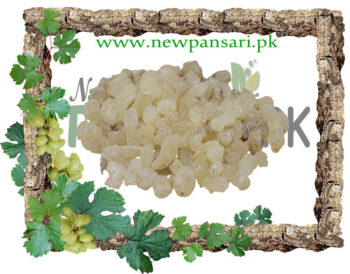
Black Dammar (Chandras) Canarium strictum 100% Pure
Price range: ₨100.00 through ₨700.00
- Wound Healing
- Respiratory Support
- Anti-inflammatory
- Digestive Aid
- Skin Protection
- Hair Care
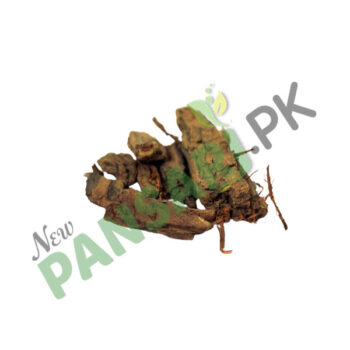
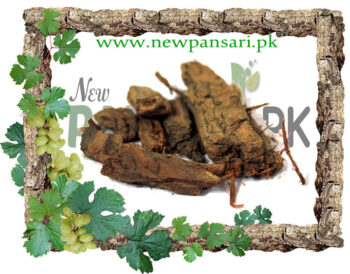
Arjuna Bark (Arjun Ki Chaal) Terminalia arjuna tree 100% Pure
Price range: ₨220.00 through ₨730.00
- Good for heart – strengthens heart and improves circulation.
- Lowers cholesterol – helps reduce bad cholesterol and increase good cholesterol.
- Reduces blood pressure – supports healthy blood pressure.
- Antioxidant – protects cells from damage.
- Anti-inflammatory – helps reduce inflammation.
- Supports kidneys – helps in detox and kidney health.


Sone Ka Warq 24K Gold Leaf 3.5″ x 3.5″ Aurum
Price range: ₨900.00 through ₨2,500.00
سونے کا ورق
- Ideal for mithai & desserts
- Luxury cake decoration
- Traditional herbal use
- Lightweight delicate sheets
- Elegant food presentation
- Suitable for festive occasions
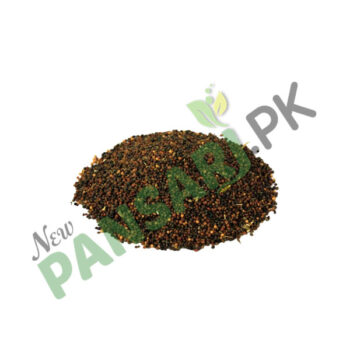
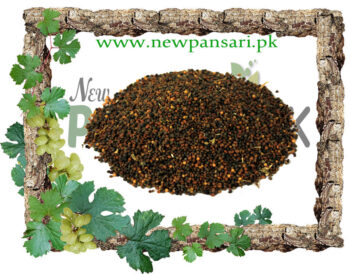
Arugula Seeds (Tukhm-e-Tara Mera) Eruca sativa 100% Pure
Price range: ₨60.00 through ₨700.00
- Rich in nutrients: Vitamins, minerals, and antioxidants.
- Good for digestion: High in fiber.
- Heart health: Helps blood flow and lowers blood pressure.
- Anti-inflammatory: Reduces inflammation.
- Strong bones: Contains calcium and vitamin K.
- Weight management: Low calorie, keeps you full.
- Healthy skin & hair: Supports repair and growth.
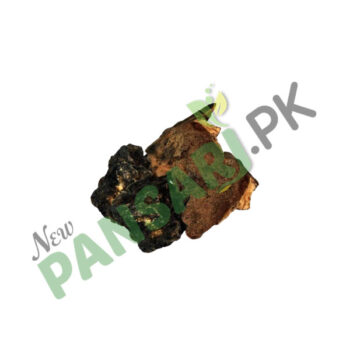
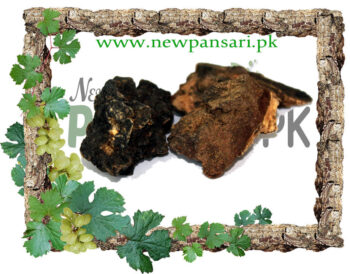
Betel Nut Flower (Gul Supari) Areca Catechu Flower 100% Natural
Price range: ₨120.00 through ₨550.00
- Digestive Aid
- Anti-inflammatory Properties
- Antioxidant Effects
- Respiratory Support
- Skin HealthMild Stimulant


Black Mica (Abrak Siyah) Biotite 100% Pure
Price range: ₨50.00 through ₨650.00
- Skin Health
- Energy Balance
- Improves Fertility and Libido
- Prevents Intestinal Problems
- Remedy for Respiratory
Reviews
There are no reviews yet.