


- DigestionRespiratory
- HealthSkin & Hair
- Heart & Liver
- Antioxidant & Anti-inflammatory
- Triphala Ingredient
Babool Gum (Gond Keekar) 100% Pure Acacia nilotica
Price range: ₨150.00 through ₨1,000.00
18 sold in last 20 hours
Hurry! Over 13 people have this in their carts
Brand: New Pansari
- Good for teeth and gums
- Good for bones and joints
- Helps digestion
- Good for heart
- Soothes cough and throat
- Good for skinHelps control weight
... people are viewing this right now
Babool Gum (Gond Kikar): The Traditional Acacia Resin
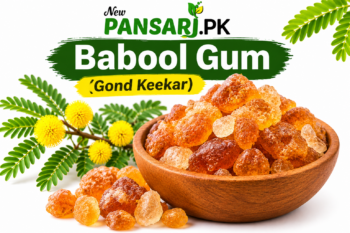
Babool Gum (Gond Keekar)
What Is Gond Kikar?
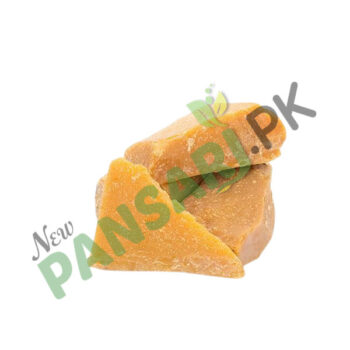
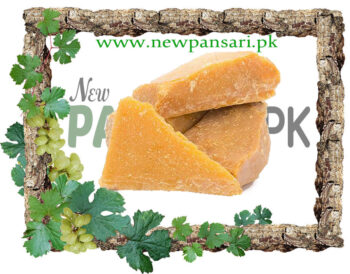
Gond kikar, also called babool gond or babul gond, is the dried gum that oozes from the trunk and branches of the babool tree (Vachellia nilotica, formerly Acacia nilotica). The tree grows across Pakistan, India, the Middle East and Africa. When the bark is wounded by cuts, heat or insects, the tree releases a sticky sap that hardens into hard, glassy lumps called “tears.” These range from pale yellow and amber to reddish-brown, and they are collected by hand.
The gum is odourless and almost tasteless. In water it swells and dissolves into a thick, sticky mucilage.
Name Confusion
Several gums are sold in pansari shops, and they are easy to mix up:
- Gond kikar / babool gond (Vachellia nilotica): The gum discussed here.
- Gum arabic (gond arabi, Acacia senegal and related species): A related, widely traded gum used in the food industry.
- Gond katira (tragacanth, Astragalus species): A different gum, which swells into a soft gel and is used in summer drinks such as falooda.
- Dhaora or other tree gums: Sold under similar names.
A reliable seller should state the botanical name and whether the gum is edible grade.
Traditional and Common Uses
- Winter sweets: Gond kikar is fried in ghee until it puffs up like popcorn, then mixed into laddus with flour, nuts and jaggery. These gond laddu are a traditional cold-weather treat across Punjab and North India.
- Natural adhesive: The gum has been used as glue for paper, labels, bookbinding and crafts.
- Binder and thickener: Used in some traditional preparations to bind powders into pills or pastes.
- Dyeing and art: Used as a thickener for natural dyes and watercolour binders.
- Traditional herbal practice: Appears in Unani and folk practice. Evidence for health benefits in people is limited, so it is tradition and not proven treatment.
How Gond Is Prepared for Eating
- Pick out the gum. Sort out bark pieces, grit and dark, dirty lumps.
- Wash briefly in cool water and dry completely. Some cooks skip this, but drying well is important.
- Heat ghee in a pan on low to medium heat.
- Add a few small pieces at a time. They puff up and turn pale and crisp within seconds.
- Remove, cool and crush into a coarse powder.
- Mix into laddu or other sweets with flour, ground nuts, cardamom and sweetener.
Tips
- Fry small batches, since gum can puff and burn quickly.
- Keep heat moderate, because overheating makes it bitter.
- Crush only after it cools completely.
How to Choose Good Quality Gond Kikar
- Clear identification: The label should state Vachellia nilotica (or Acacia nilotica) and whether it is food grade.
- Natural colour: Pale yellow, amber or light reddish-brown. Very dark, black or grey lumps are poor quality.
- Glassy, translucent lumps: The best gum looks like hard amber glass.
- Clean pieces: Few bark flecks, soil or foreign matter.
- Dry and hard: No stickiness, dampness or mould.
- No smell: A musty, sour or chemical odour suggests poor storage or contamination.
- Clear sourcing and packing date.
Simple home checks
- Water test: A piece soaked in water overnight swells and softens, and slowly dissolves. Gum that doesn’t swell may be something else.
- Visual check: Look for even, glassy lumps rather than dull, dusty ones.
- Fry test: Real gum puffs up in hot ghee within seconds.
No home test confirms the species, so rely on a supplier who can name the tree.
Edible Grade vs Industrial Grade
Not all gum is sold for eating. Industrial grade may be collected and handled with less care, and it can contain dirt, bark and contaminants. If you plan to eat it, buy gum labelled edible or food grade, and clean it carefully before use.
Storage
Keep gond in an airtight glass jar or tin, in a cool, dry place away from moisture and sunlight. Damp gum becomes sticky and grows mould. Whole lumps keep for a year or more. Use a dry spoon, label the jar clearly, and discard anything that smells musty or shows mould.
Who Should Be Careful?
- Swallowing dry lumps: Gum swells with moisture and can cause choking or blockage. Never swallow dry pieces, and keep them away from small children.
- Digestive upset: Large amounts may cause bloating, gas or loose stools.
- Medicines: Gums can slow absorption of some medicines. Ask a doctor if you take regular medication.
- Diabetes and weight management: Gond laddu usually contain a lot of ghee, flour and sugar or jaggery, so ask a doctor about portions.
- Pregnancy, breastfeeding and postpartum: Gond laddu are a widespread tradition, but ask a doctor before eating them, especially if you have gestational diabetes or other conditions.
- Children: Small portions in sweets are common, but avoid hard pieces for young children.
- Allergies: Acacia gum can trigger reactions in some people.
- Persistent health problems: See a doctor rather than relying on gum.
Final Thoughts
Gond kikar is a traditional resin with a warm place in winter kitchens and craft cupboards. Choose pale, glassy, clean lumps that are clearly identified and food grade, fry them in small batches, and enjoy them in moderation.
| Quantity | 50GM, 250GM, 500GM |
|---|---|
| Form | Whole ( ثابت ), Grounded ( کٹی ہوی ), Powder ( پسا ہوا ) |
Related Products
Australian Pine Tree Fruit (Mae Khurdo) 100% Pure Casuarina equisetifolia
Price range: ₨100.00 through ₨450.00
- Boosts immunity – may help your body fight infections.
- Good for eyes – supports eye health.
- Improves circulation – may help blood flow.
- Skin & hair – may improve skin and prevent hair problems.
- Respiratory health – used for cough, sore throat, asthma.
- General tonic – traditional use for overall health and energy.
Basil Seeds (Tukham Banalga) 100% Pure تخم بلنگو Ocimum basilicum
Price range: ₨200.00 through ₨1,150.00
- Good for digestion – helps with constipation.
- Helps in weight loss – makes you feel full.
- Controls blood sugar – good for diabetics.
- Healthy heart – reduces cholesterol.
- Good for skin – antioxidants fight aging.
- Reduces inflammation – helps with swelling and pain.
- Cooling effect – soothes body heat.
Babool Leaves (Barg-e-Babool) babul 100% Natural Acacia nilotica
Price range: ₨150.00 through ₨1,000.00
- Good for teeth and gums
- Heals wounds
- Clears skin
- Helps stomach problems
- Fights germs
- May lower sugar
Beleric (Beherra) | Baheda Beleric Myrobalan | Bastard Myrobalan 100%
Price range: ₨100.00 through ₨850.00


Black Chebulic Myrobalan (Chotti Harr)100% Natural
Price range: ₨100.00 through ₨450.00
- Digestive Health
- Detoxification & Liver Health
- Immunity & Respiratory Support
- Skin & Hair Health
- Cardiovascular Benefits
- Cognitive & Nervous System Support
- Blood Sugar Regulation
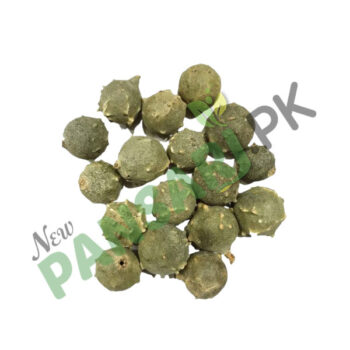

Aleppo Oak gall Mazu Sabz Majo 100% Pure Biorhiza pallida
Price range: ₨250.00 through ₨1,500.00
- Good for digestion – helps with diarrhea and stomach issues.
- Anti-inflammatory – reduces swelling and irritation.
- Helps skin – heals wounds, burns, and skin problems.
- Supports respiratory health – soothes mild coughs.
- May help blood sugar – can assist in controlling sugar levels.
- Oral care – strengthens gums and reduces inflammation.


Kikar Ki Chaal (Acacia Tree Bark) 100% Natural | New Pansari
Price range: ₨100.00 through ₨500.00
- Stops bleeding & heals wounds – due to its astringent properties.
- Helps digestion – useful for diarrhea and stomach issues.
- Good for gums and teeth – strengthens gums.
- Anti-inflammatory & antimicrobial – helps with skin infections.
- Industrial uses – used in tanning leather, making dyes, and as firewood.


Sone Ka Warq 24K Gold Leaf 3.5″ x 3.5″ Aurum
Price range: ₨900.00 through ₨2,500.00
سونے کا ورق
- Ideal for mithai & desserts
- Luxury cake decoration
- Traditional herbal use
- Lightweight delicate sheets
- Elegant food presentation
- Suitable for festive occasions


Bitter Apple (Sheem Hanzal) Tuma 100% Natural
Price range: ₨100.00 through ₨650.00
- Digestive Support
- Blood Sugar Regulation
- Metabolic Support
- Antioxidant, Anti‑inflammatory
- Detoxification
- Skin & External Uses


Alum (Phitkari Safaid, Fatkari Safaid)100% Pure
Price range: ₨50.00 through ₨300.00
- Stops sweating – can be used underarms.
- Tightens skin – makes skin smooth.
- Heals cuts & wounds – helps small cuts stop bleeding.
- Fights bad odor – natural deodorant.
- Helps mouth ulcers – soothes sores in mouth.
- After shaving – reduces razor burn.
- Purifies water – clears dirty water.
Axle Wood Flower (Gul-e-Dhawa) Anogeissus latifolia 100% Pure
Price range: ₨150.00 through ₨600.00
- Helps breathing – may ease cough and mild asthma.
- Aids digestion – can reduce bloating and stomach discomfort.
- Good for skin – soothes minor skin irritations.
- Relaxing aroma – used in incense or oils for stress relief.
- Anti-inflammatory – may reduce minor inflammation.
Reviews
There are no reviews yet.