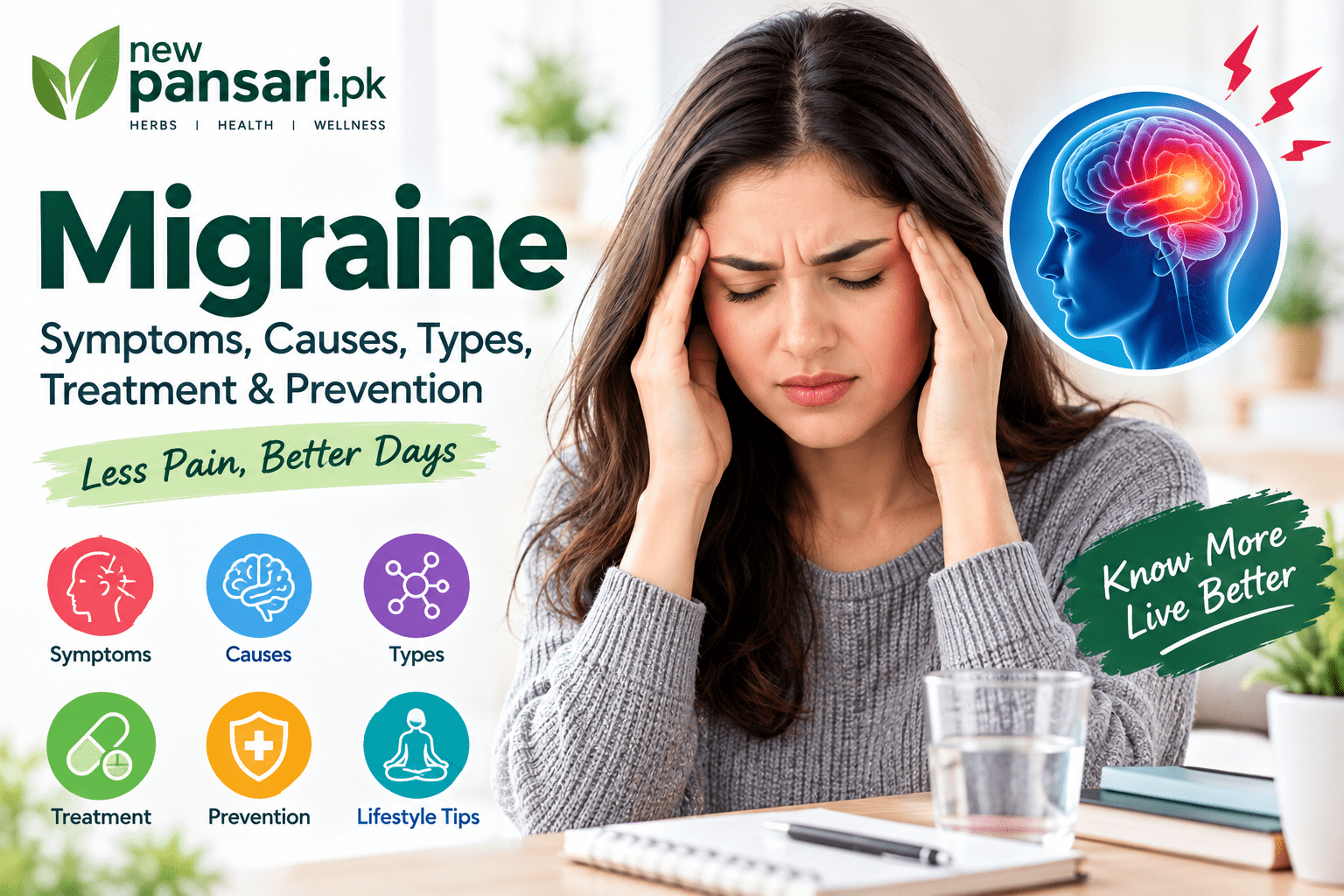
Migraine is a neurological condition that can cause intense, often throbbing headaches along with symptoms such as nausea, vomiting, and sensitivity to light or sound. A migraine attack can interfere with work, study, sleep, and everyday activities. Although migraine cannot always be completely prevented, appropriate treatment, lifestyle changes, and trigger management can help reduce its impact.
What Is Migraine?
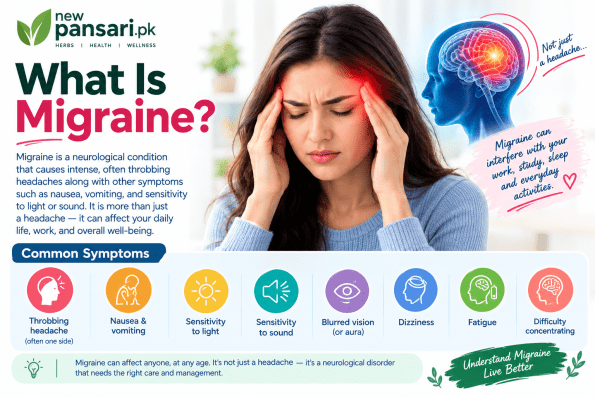
Migraine is more than an ordinary headache. It is a neurological disorder involving changes in the nervous system and pain pathways. Some people experience migraine attacks occasionally, while others have them frequently or develop chronic migraine.
A typical attack may involve throbbing or pulsating pain, often on one side of the head. Nausea, vomiting, and sensitivity to light and sound are also common. Some people experience temporary neurological symptoms called aura before or during an attack.
Migraine can affect people of all ages, and family history can increase the likelihood of developing it.
Migraine is characterized by a range of symptoms that can significantly disrupt daily activities. Common symptoms of migraine include intense, throbbing pain typically localized to one side of the head, accompanied by nausea, vomiting, and heightened sensitivity to light and sound. Additionally, some individuals may experience auras, which are temporary neurological disturbances that can manifest as visual changes or other sensory distortions. Understanding these symptoms is crucial for effective management and treatment of this debilitating condition.
Migraine symptoms can vary from person to person. Common symptoms include:
- Moderate to severe headache
- Throbbing or pulsating pain
- Pain that may affect one side of the head
- Nausea or vomiting
- Sensitivity to bright light
- Sensitivity to loud sounds
- Sensitivity to strong smells
- Dizziness
- Fatigue
- Difficulty concentrating
- Mood changes
- Neck stiffness
Some people experience warning symptoms hours or even days before the headache. These may include tiredness, frequent yawning, food cravings, mood changes, thirst, or neck stiffness.
What Is Migraine Aura?
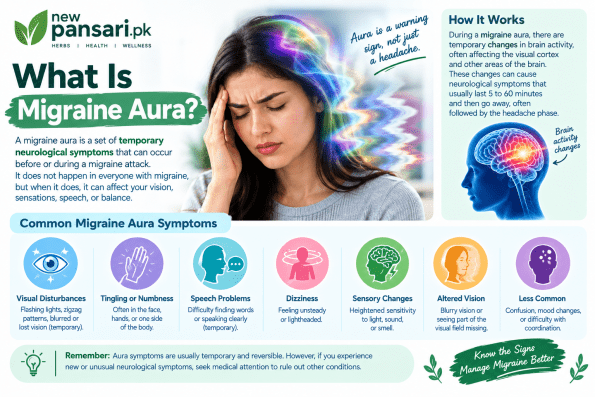
Aura refers to temporary neurological symptoms that can occur before or during a migraine attack. It does not occur in everyone with migraine.
Common aura symptoms include:
- Seeing flashing lights or zigzag patterns
- Blurred or altered vision
- Temporary visual disturbances
- Tingling or numbness
- Dizziness
- Difficulty speaking
Aura symptoms are generally temporary and reversible. However, a new or unusual neurological symptom should be medically evaluated because other conditions can produce similar symptoms.
Types of Migraine
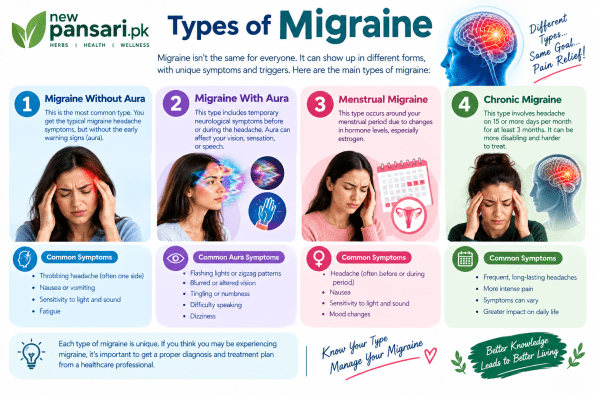
1. Migraine Without Aura
This is one of the most common forms. The person experiences migraine headache symptoms without the typical neurological warning signs of aura.
2. Migraine With Aura
This type includes temporary visual, sensory, or speech-related symptoms before or during the migraine attack.
3. Menstrual Migraine
Some people experience migraine attacks around menstruation. Changes in estrogen levels may contribute to migraine in susceptible individuals.
4. Chronic Migraine
People who experience migraine very frequently may develop chronic migraine. Because frequent headaches can have a significant effect on daily life, professional diagnosis and preventive treatment may be appropriate.
What Causes Migraine?
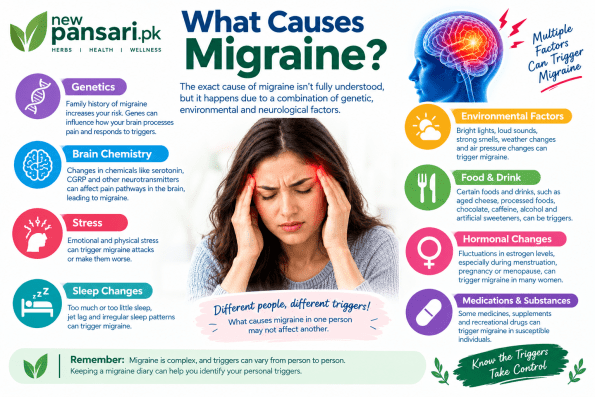
The exact cause of migraine is not completely understood. Genetics and environmental factors both appear to play a role. Changes involving brain pathways, nerves, and chemical messengers such as serotonin and CGRP are also associated with migraine.
Having a close family member with migraine can increase your risk.
Common Migraine Triggers
Triggers differ considerably between individuals. Commonly reported triggers include:
- Stress
- Poor or irregular sleep
- Skipping meals
- Dehydration
- Too much caffeine
- Alcohol
- Bright or flashing lights
- Loud sounds
- Strong smells
- Hormonal changes
- Weather or pressure changes
- Certain foods
- Excessive physical exertion
Not every potential trigger affects every person. Keeping a migraine diary can help identify patterns specific to you.
Migraine Diagnosis
There is no single blood test or scan that confirms migraine. Healthcare professionals generally diagnose it by reviewing symptoms, medical history, family history, and performing an examination. Imaging such as CT or MRI may sometimes be recommended when doctors need to rule out another neurological condition.
During an appointment, it can be useful to record:
- How often headaches occur
- How long attacks last
- Where the pain occurs
- Severity of pain
- Associated symptoms
- Possible triggers
- Medications taken
- Menstrual cycle timing, when relevant
A headache or migraine diary can provide useful information for diagnosis and treatment planning.
Migraine Treatment
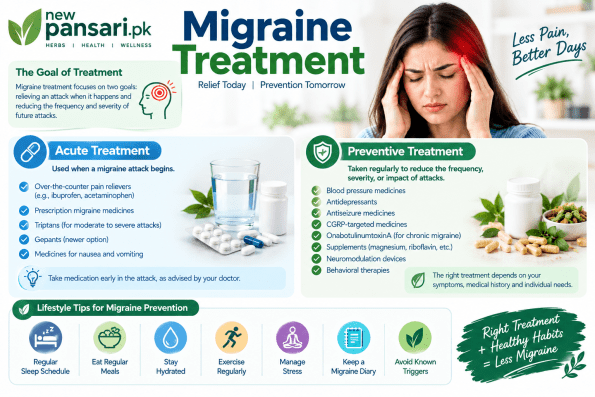
Migraine treatment generally has two goals: relieving an attack when it happens and preventing future attacks. The appropriate treatment depends on the frequency and severity of migraine, associated symptoms, other medical conditions, and individual circumstances.
Acute Treatment
Acute or rescue treatment is used when a migraine attack begins.
Depending on the individual, treatment may include:
- Certain over-the-counter pain relievers
- Prescription migraine medicines
- Triptans
- Gepants
- Medicines for nausea and vomiting
Some medicines work best when taken early in the attack, according to the treatment plan provided by a healthcare professional.
Frequent use of pain medicines can sometimes contribute to medication-overuse headaches, so people with recurring migraines should discuss medication frequency with a healthcare professional. The NHS advises avoiding painkillers for migraine on more than two days per week unless otherwise directed by a clinician.
Preventive Treatment
Preventive treatment is taken regularly to reduce the frequency, severity, or impact of migraine attacks.
Depending on the person’s situation, preventive options may include:
- Certain blood-pressure medicines
- Some antidepressants
- Certain antiseizure medicines
- CGRP-targeted medicines
- OnabotulinumtoxinA for appropriate patients with chronic migraine
- Selected supplements such as magnesium or riboflavin
- Neuromodulation devices
- Behavioral therapies
Modern migraine prevention includes several targeted therapies, including CGRP monoclonal antibodies and gepants. The choice should be individualized with a healthcare professional.
Lifestyle Tips for Migraine Prevention

Lifestyle management can be an important part of migraine care.
1. Maintain a Regular Sleep Schedule
Try to maintain consistent sleeping and waking times. Both inadequate sleep and major changes in sleep patterns can trigger migraine in some people.
2. Eat Regular Meals
Skipping meals may trigger migraine. Eating balanced meals at regular times can help maintain consistent energy levels.
3. Stay Hydrated
Drink adequate fluids throughout the day, particularly during hot weather or physical activity.
4. Exercise Regularly
Regular, appropriate physical activity can support overall health and may help with migraine management. Start gradually if exercise itself has previously triggered headaches.
5. Manage Stress
Stress is a common migraine trigger. Relaxation techniques, breathing exercises, mindfulness, yoga, and cognitive behavioral approaches may help some people manage stress and migraine-related disability.
6. Keep a Migraine Diary
Record headache days, symptoms, sleep, meals, menstrual periods, stress, medications, and possible triggers. This can help you and your healthcare professional recognize patterns.
What to Do During a Migraine Attack
When a migraine begins, some people find it helpful to:
- Rest in a quiet, dark room
- Reduce exposure to bright light
- Reduce noise
- Drink water
- Follow their prescribed acute treatment plan
- Avoid known personal triggers
- Try relaxation techniques
Light and sound can worsen migraine symptoms, so reducing sensory stimulation may provide relief for some people.
When Should You See a Doctor?
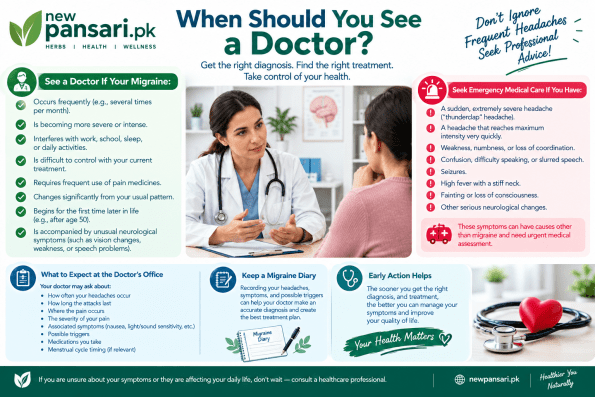
Consult a healthcare professional if migraines:
- Occur frequently
- Are becoming more severe
- Interfere with work, school, sleep, or daily activities
- Are difficult to control with your current treatment
- Require frequent pain medicines
- Change significantly from your usual pattern
- Begin for the first time later in life
- Are accompanied by unusual neurological symptoms
Seek Emergency Medical Care
A sudden, extremely severe headache, particularly one that reaches maximum intensity very quickly, requires urgent medical assessment. Emergency evaluation is also important when a severe headache occurs with symptoms such as weakness, confusion, fainting, difficulty speaking, seizures, high fever with a stiff neck, or other serious neurological changes.
These symptoms can have causes other than migraine and should not automatically be attributed to migraine.
Can Migraine Be Prevented?
Migraine cannot always be completely prevented, but many people can reduce the frequency or severity of attacks through a combination of appropriate treatment and lifestyle management.
Helpful strategies may include:
- Regular sleep
- Regular meals
- Adequate hydration
- Physical activity
- Stress management
- Identifying personal triggers
- Limiting excessive caffeine or alcohol
- Taking preventive medication when prescribed
- Keeping a migraine diary
Preventive treatment is particularly important for people with frequent or disabling attacks.
Migraine and Women
Hormonal changes can influence migraine in some women. Migraine may be associated with hormonal fluctuations around menstruation, pregnancy, or menopause. Hormonal contraceptives can affect migraine differently from person to person, so anyone experiencing migraine—particularly migraine with aura—should discuss contraceptive choices with a qualified healthcare professional.
Frequently Asked Questions
Is migraine just a severe headache?
No. Migraine is a neurological condition. A migraine attack can involve headache as well as nausea, vomiting, light sensitivity, sound sensitivity, and sometimes neurological symptoms such as aura.
What is the fastest way to relieve a migraine?
Treatment varies from person to person. Acute migraine medicines may work best when taken according to a clinician’s instructions early in an attack. Resting in a dark, quiet environment and staying hydrated may also help.
Can stress cause migraine?
Stress is a commonly reported migraine trigger. Managing stress through healthy routines, relaxation techniques, exercise, and adequate sleep may help some people reduce attacks.
Can dehydration cause migraine?
Dehydration can trigger headaches and may contribute to migraine attacks in some people. Maintaining adequate fluid intake is therefore a useful part of migraine self-care.
Is there a cure for migraine?
There is not a universal cure for migraine, but treatment can help control symptoms and reduce the frequency and severity of attacks. Preventive and acute treatments are available.
Should I keep a migraine diary?
Yes. A diary can help identify patterns involving sleep, food, stress, menstruation, weather, medications, and other possible triggers. It can also give your healthcare professional useful information when choosing treatment.
Conclusion
Migraine is a neurological condition that can significantly affect everyday life. Recognizing symptoms, understanding personal triggers, maintaining healthy routines, and obtaining appropriate medical care can make migraine easier to manage.
If migraine attacks are frequent, severe, changing, or interfering with daily activities, speak with a healthcare professional about an individualized treatment and prevention plan. Modern migraine care includes both acute treatments and a growing range of preventive options.
Medical Disclaimer: This article is for general educational purposes and is not a substitute for professional medical diagnosis or treatment. Do not start, stop, or change prescription medicines or supplements without discussing them with an appropriate healthcare professional.