Introduction
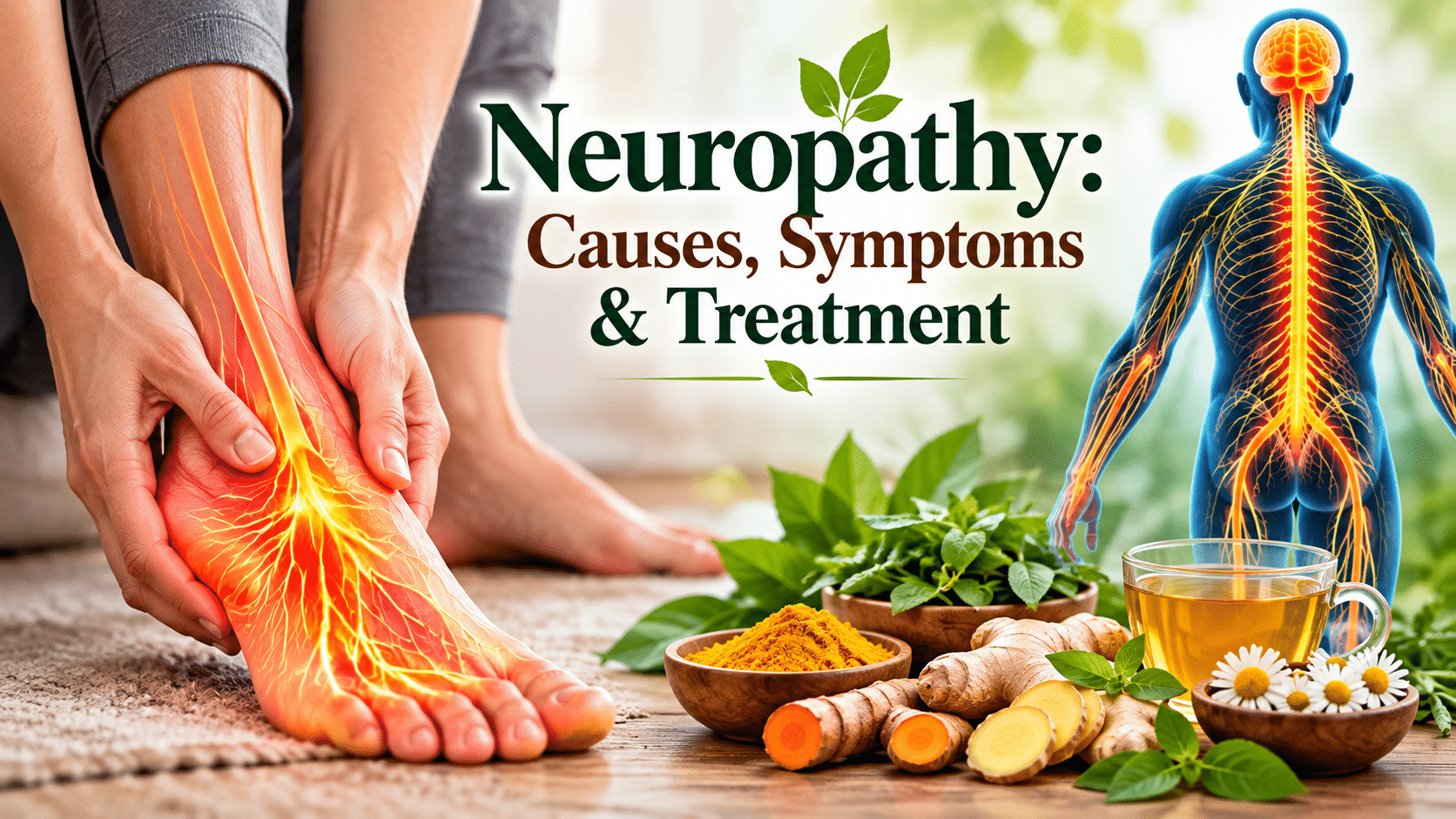
Neuropathy is a health condition that develops when nerves become damaged or stop functioning properly. It can cause burning pain, numbness, tingling, muscle weakness, and other uncomfortable sensations. Although neuropathy can affect different parts of the body, peripheral neuropathy most commonly affects the feet, legs, hands, and arms.
Many people experience neuropathy because of diabetes, vitamin B12 deficiency, certain medications, nerve injuries, or other underlying medical conditions. Early diagnosis is important because treating the cause may help prevent further nerve damage and improve quality of life.
In this guide, we will explain what neuropathy is, its common symptoms, possible causes, diagnosis, available treatments, lifestyle recommendations, and the role of nutrition and herbal products in supporting general nerve health.
What Is Neuropathy?
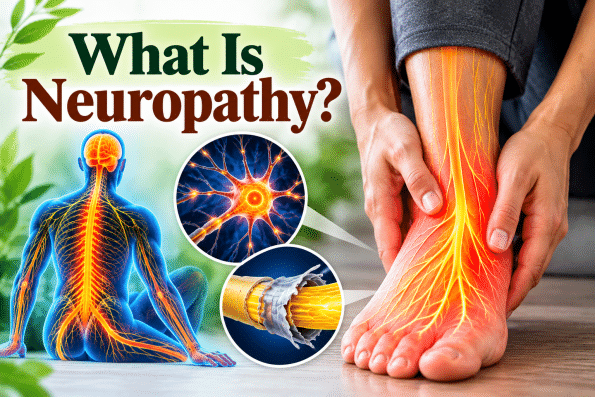
Neuropathy refers to damage or dysfunction affecting one or more nerves. The nervous system carries messages between the brain, spinal cord, muscles, skin, and internal organs. When nerves become damaged, these messages may not travel correctly.
Peripheral neuropathy describes damage to nerves outside the brain and spinal cord. It can affect the nerves responsible for sensation, movement, and automatic body functions.
For example, sensory nerve damage may cause numbness or burning pain in the feet. Motor nerve damage can result in muscle weakness, while autonomic nerve damage may affect digestion, sweating, blood pressure, or bladder function.
Neuropathy can develop gradually over months or years, although certain conditions can cause symptoms to appear rapidly.
Common Symptoms
Neuropathy symptoms vary depending on the nerves involved and the underlying cause. Some people experience mild discomfort, while others develop symptoms that interfere with walking, sleeping, or everyday activities.
1. Tingling in the Hands and Feet
A common early symptom is a pins-and-needles sensation in the fingers, toes, hands, or feet. Some people describe it as an electric sensation or a feeling that their limbs have fallen asleep.
Persistent or recurring tingling should be medically assessed rather than automatically attributed to poor circulation or vitamin deficiency.
2. Numbness and Reduced Sensation
Damaged sensory nerves may reduce the ability to feel touch, pain, heat, or cold. A person may not notice a small cut, blister, or burn, particularly on the feet.
This loss of sensation can increase the risk of injuries and infections.
3. Burning or Shooting Pain
Neuropathy can produce burning, stabbing, aching, or electric-shock-like pain. Symptoms may be more noticeable at night and can sometimes interfere with sleep.
Even light contact with clothing or bedding may feel uncomfortable for some people.
4. Muscle Weakness
When neuropathy affects motor nerves, muscles may become weak. People might struggle to climb stairs, grip objects, walk normally, or lift the front part of a foot.
New or progressive weakness needs prompt medical assessment.
5. Balance Problems
Reduced sensation in the feet can make it difficult to determine the position of the legs and feet. This may lead to unsteadiness, difficulty walking, and an increased risk of falls.
6. Changes in Automatic Body Functions
Autonomic neuropathy can affect functions that normally occur without conscious effort. Possible symptoms include dizziness when standing, abnormal sweating, constipation, diarrhea, bladder difficulties, or changes in sexual function.
Not everyone with neuropathy experiences all these symptoms.
Main Causes of Neuropathy
Identifying the underlying cause is one of the most important steps in managing neuropathy.
1. Diabetes
Diabetes is a major cause of peripheral neuropathy. Persistently elevated blood glucose can damage nerves and the small blood vessels that supply them.
Diabetic neuropathy frequently affects both feet and may gradually extend up the legs. Good blood glucose management can help reduce the risk of further damage.
2. Vitamin B12 Deficiency
Vitamin B12 helps maintain healthy nerve cells and supports normal nervous system function. A deficiency can cause tingling, numbness, balance difficulties, and other neurological problems.
Possible causes include inadequate dietary intake, poor absorption, certain gastrointestinal conditions, and some medications.
A healthcare professional can assess whether testing or supplementation is appropriate.
3. Excessive Alcohol Consumption
Long-term heavy alcohol consumption can contribute to nerve damage through direct toxic effects and nutritional deficiencies.
Reducing or avoiding alcohol, together with appropriate medical care and nutritional support, may help prevent further problems.
4. Certain Medications
Some medications, including particular chemotherapy drugs and certain antibiotics, can cause peripheral neuropathy as a side effect.
Do not discontinue prescribed medication independently. Discuss possible side effects and alternatives with the prescribing clinician.
5. Kidney and Thyroid Disorders
Chronic kidney disease and thyroid disorders may contribute to nerve problems. In some cases, treating the underlying condition can help manage symptoms or limit progression.
6. Nerve Injury or Compression
Physical injuries, pressure on nerves, and repetitive movements can damage individual nerves. Carpal tunnel syndrome is one example of nerve compression that can cause numbness and tingling in the hand.
7. Infections and Autoimmune Conditions
Some infections and immune-related disorders can affect peripheral nerves. Examples include shingles and certain autoimmune diseases.
In other cases, neuropathy is inherited or develops without an identifiable cause.
Types of Neuropathy
Neuropathy is classified according to the nerves affected.
- Peripheral neuropathy: Damage to nerves outside the brain and spinal cord.
- Sensory neuropathy: Affects sensations such as touch, temperature, and pain.
- Motor neuropathy: Affects nerves that control muscle movement.
- Autonomic neuropathy: Affects automatic functions such as digestion, sweating, and blood pressure regulation.
- Mononeuropathy: Involves a single nerve.
- Polyneuropathy: Involves multiple peripheral nerves, often affecting the feet and legs first.
A person can experience more than one type at the same time.
How Is Neuropathy Diagnosed?
A healthcare professional usually begins by asking about symptoms, medical history, medications, alcohol consumption, and any family history of nerve disorders.
A physical and neurological examination may assess muscle strength, reflexes, sensation, balance, and walking.
Depending on the suspected cause, investigations may include:
- Blood glucose testing or an HbA1c test for diabetes.
- Vitamin B12 testing.
- Thyroid function tests.
- Kidney function tests.
- Nerve conduction studies.
- Electromyography (EMG), when indicated.
Not everyone needs every test. Investigations are selected according to the person’s symptoms and clinical findings.
Neuropathy Treatment Options
There is no single treatment that works for every type of neuropathy. Treatment depends on the cause, the nerves affected, and the severity of symptoms.
1. Treat the Underlying Cause
Correcting an underlying problem may help prevent additional nerve damage. Examples include improving diabetes management, treating a confirmed vitamin deficiency, addressing thyroid disease, or reviewing a medication that may be contributing to symptoms.
Some damaged nerves can recover partially, but recovery depends on the cause and extent of the injury.
2. Medicines for Nerve Pain
Ordinary painkillers do not always provide sufficient relief from neuropathic pain. Depending on the situation, clinicians may prescribe medications such as gabapentin, pregabalin, duloxetine, or amitriptyline.
These medicines have potential side effects and are not suitable for everyone. A clinician should determine which treatment is appropriate.
3. Physical Therapy
Physical therapy may help improve muscle strength, flexibility, coordination, and balance. Walking aids or supportive devices may also be useful when weakness affects mobility.
Exercise plans should be adapted to the person’s abilities and medical condition.
4. Foot Care
People with reduced sensation, especially those with diabetes, should examine their feet every day.
Check for cuts, blisters, swelling, redness, or changes in skin condition. Wear properly fitting footwear and avoid walking barefoot if sensation is reduced.
Seek medical attention promptly for wounds, particularly if healing is delayed or signs of infection develop.
Natural Ways to Support Nerve Health
Healthy lifestyle habits can support overall health and help manage certain risk factors associated with neuropathy. However, natural approaches should complement, not replace, medical diagnosis and treatment.
1. Eat a Balanced Diet
A varied diet provides nutrients needed for normal nerve function and general health.
Include foods such as:
- Eggs, fish, and dairy products for vitamin B12.
- Beans and lentils for protein and other nutrients.
- Leafy green vegetables for folate and minerals.
- Nuts and seeds for healthy fats and essential nutrients.
- Whole grains and vegetables for fiber and a range of vitamins.
People following vegan diets may need a reliable source of vitamin B12, such as fortified foods or an appropriate supplement.
2. Maintain Healthy Blood Sugar Levels
For people with diabetes, following a personalized diabetes management plan is an important step in protecting nerve health.
Regular monitoring, appropriate medication, balanced meals, physical activity, and scheduled medical checkups can help reduce the risk of complications.
3. Exercise Safely
Suitable physical activity may improve fitness, mobility, and balance. Walking, gentle stretching, and supervised balance exercises can be helpful for some people.
If your feet are numb or you have balance difficulties, ask a healthcare professional which activities are safe.
4. Avoid Smoking and Limit Alcohol
Smoking can negatively affect blood vessels and circulation. Excessive alcohol consumption can contribute to nerve damage.
Avoiding smoking and limiting or avoiding alcohol, depending on your circumstances, are useful steps toward better overall health.
5. Prioritize Sleep
Persistent nerve pain can disrupt sleep, and poor sleep can make pain more difficult to manage. A regular bedtime, a comfortable sleeping environment, and appropriate treatment for nerve pain may improve sleep quality.
Can Herbs Help With Neuropathy?
Herbal products are often discussed as natural options for discomfort and general wellness. However, evidence that herbs can effectively treat peripheral neuropathy or repair damaged nerves remains limited.
No herbal product should be presented as a proven cure for neuropathy.
1. Turmeric
Turmeric contains curcumin, a compound studied for its biological and anti-inflammatory effects. Although research is ongoing, there is not enough reliable evidence to conclude that turmeric supplements treat peripheral neuropathy.
Concentrated turmeric or curcumin supplements can cause side effects and may interact with medicines.
2. Ginger
Ginger is commonly used in food and traditional wellness practices. However, strong clinical evidence that ginger treats nerve damage is lacking.
It can be included in a balanced diet if tolerated, but it should not replace prescribed treatment.
3. Chamomile
Chamomile is commonly consumed as an herbal tea. Some people use it as part of a relaxing bedtime routine, but it has not been established as a treatment for neuropathy or nerve regeneration.
Chamomile may cause allergic reactions in susceptible people and can interact with certain medicines.
4. Other Herbal and Nutritional Supplements
Products such as alpha-lipoic acid and benfotiamine are sometimes promoted for nerve health. Research findings vary, and benefits are not established for every type of neuropathy.
Speak with a healthcare professional before starting supplements, particularly if you have diabetes, kidney or liver disease, or take regular medication.
Important safety note: Excessive vitamin B6 from supplements can itself cause peripheral neuropathy. Check the vitamin B6 content of multivitamins and nerve-health products, especially if taking more than one supplement. More vitamins do not automatically mean healthier nerves.
Foods and Habits to Be Careful With
There is no universal neuropathy diet, but several precautions can be useful.
- Limit excessive added sugar and follow individualized dietary advice if you have diabetes.
- Avoid heavy alcohol consumption.
- Do not take high-dose vitamin supplements without a clear reason and appropriate guidance.
- Avoid unverified herbal products that claim to cure nerve damage.
- Do not use very hot water bottles or heating pads on numb feet, because reduced sensation increases the risk of burns.
People with diabetes or other chronic conditions may need a personalized nutrition plan.
When Should You See a Doctor?
Arrange a medical assessment if you experience persistent tingling, burning pain, numbness, reduced sensation, unexplained weakness, or recurring balance problems.
Early evaluation can help identify treatable causes and reduce the risk of complications.
Seek emergency medical care for sudden weakness, facial drooping, difficulty speaking, or rapidly progressing weakness. These symptoms may indicate a serious neurological emergency.
A foot wound that becomes red, swollen, infected, or difficult to heal also needs prompt medical attention.
Frequently Asked Questions About Neuropathy
1. Can neuropathy be cured?
Some forms of neuropathy improve when the underlying cause is treated, particularly when the problem is identified early. Other forms may cause permanent nerve damage. The outlook depends on the cause and severity.
2. What are the first signs of neuropathy?
Common early signs include tingling, burning sensations, numbness, or reduced sensation in the toes and feet. Some people initially notice symptoms in their hands.
3. Is neuropathy always caused by diabetes?
No. Diabetes is a major cause, but vitamin B12 deficiency, certain medications, alcohol-related nerve damage, infections, nerve injuries, and other disorders can also cause neuropathy.
4. Which vitamin is important for nerve health?
Vitamin B12 is important for normal nerve function. However, supplements are most useful when a deficiency or another appropriate clinical indication is identified. Excessive vitamin B6 can cause nerve damage.
5. Can walking help neuropathy?
Appropriate physical activity may improve mobility, fitness, and balance. However, exercise does not reverse every type of nerve damage. People with numb feet or balance problems should choose activities with professional guidance.
6. Are herbal remedies effective for neuropathy?
Evidence is limited for many herbal remedies. Some supplements are being studied, but no herb has been established as a reliable cure. Discuss supplements with a healthcare professional before using them.
7. Does neuropathy get worse at night?
Some people experience more noticeable nerve pain or burning sensations at night. Symptoms vary, and nighttime pain alone cannot confirm a diagnosis.
8. Can neuropathy affect both feet?
Yes. Polyneuropathy often affects both feet and may later involve the legs or hands. However, some types of neuropathy affect only one nerve or one side of the body.
Conclusion
Neuropathy is a condition involving nerve damage that can cause tingling, numbness, burning pain, weakness, and balance difficulties. Diabetes, vitamin B12 deficiency, certain medications, alcohol misuse, injuries, and other health conditions are among its possible causes.
The most effective approach begins with identifying the cause and selecting appropriate treatment. Medical care, a balanced diet, safe physical activity, careful foot monitoring, and management of underlying health conditions can all play important roles.
Herbs and nutritional supplements may be of interest to some people, but their benefits for neuropathy are not firmly established. Avoid unproven cures, high-dose supplements, and any product that encourages you to stop prescribed treatment.
If you notice persistent nerve-related symptoms, consult a healthcare professional for proper assessment and personalized advice.