Natural supplements and synthetic supplements are widely used to support nutrition, wellness, and general health. Both types can provide important nutrients, including vitamins, minerals, and other beneficial compounds. However, they differ in their sources, formulations, and sometimes their effects on the body.
Many people believe that natural supplements are always healthier because they come from plants, while synthetic supplements are considered artificial. In reality, the answer is more complicated. Some natural supplements offer useful plant compounds, while certain synthetic supplements provide essential nutrients in accurate and effective doses.
In this guide, we will explain the differences between natural and synthetic supplements, their benefits, safety considerations, and how to choose the right option for your needs.
What Are Natural Supplements?
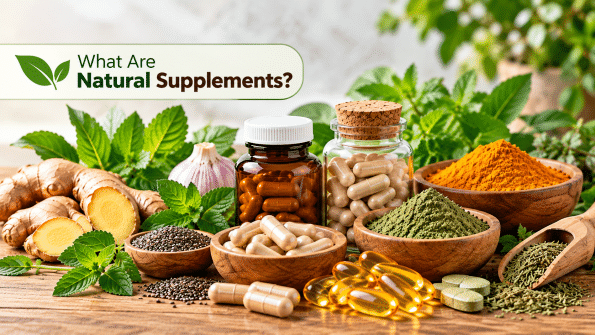
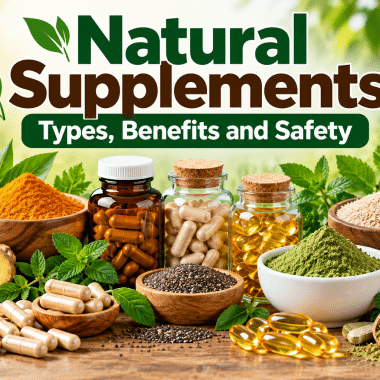
Natural supplements are products made from natural sources, including plants, herbs, fruits, seeds, roots, and other naturally occurring materials. They may contain vitamins, minerals, fiber, plant extracts, or bioactive compounds.
These supplements are commonly available as capsules, powders, tablets, herbal teas, and liquid extracts.
Examples of natural supplements include:
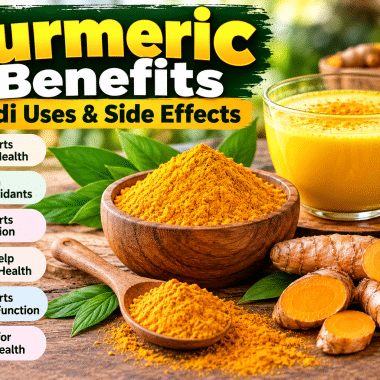
- Turmeric capsules
- Ginger supplements
- Moringa powder
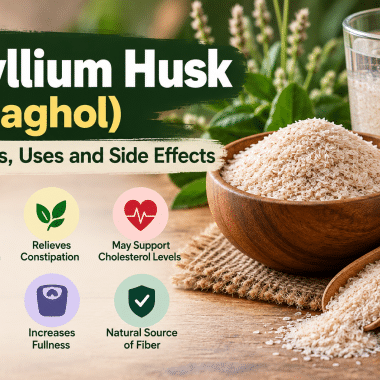
- Psyllium husk (Ispaghol)
- Garlic supplements
- Herbal extracts
- Plant-based vitamin supplements
Natural supplements are often used to complement a balanced diet. For example, psyllium husk provides dietary fiber, while certain herbal extracts contain plant compounds that researchers study for potential health benefits.
However, natural products can vary in strength and quality. Their effects depend on the ingredients, preparation methods, dosage, and individual health conditions.
What Are Synthetic Supplements?

Synthetic supplements contain nutrients produced through chemical synthesis or industrial manufacturing. They are often designed to provide specific vitamins or minerals in measured amounts.
Some synthetic nutrients have the same chemical structure as their naturally occurring counterparts. Others use different chemical forms that may differ in absorption or biological activity.
Common examples include:
- Folic acid supplements
- Certain manufactured vitamin C supplements
- Multivitamin tablets
- Iron supplements
- Zinc supplements
- Vitamin B12 supplements
Synthetic supplements can be particularly useful when someone has a nutrient deficiency or needs a specific nutrient that is difficult to obtain in sufficient amounts from their usual diet.
For example, folic acid is recommended before and during early pregnancy to help reduce the risk of neural tube defects. Vitamin B12 supplementation can also be important for people who cannot obtain enough of this vitamin from their diet.
Synthetic does not automatically mean harmful. The quality, chemical form, dose, and intended use of a supplement are more important than its source alone.
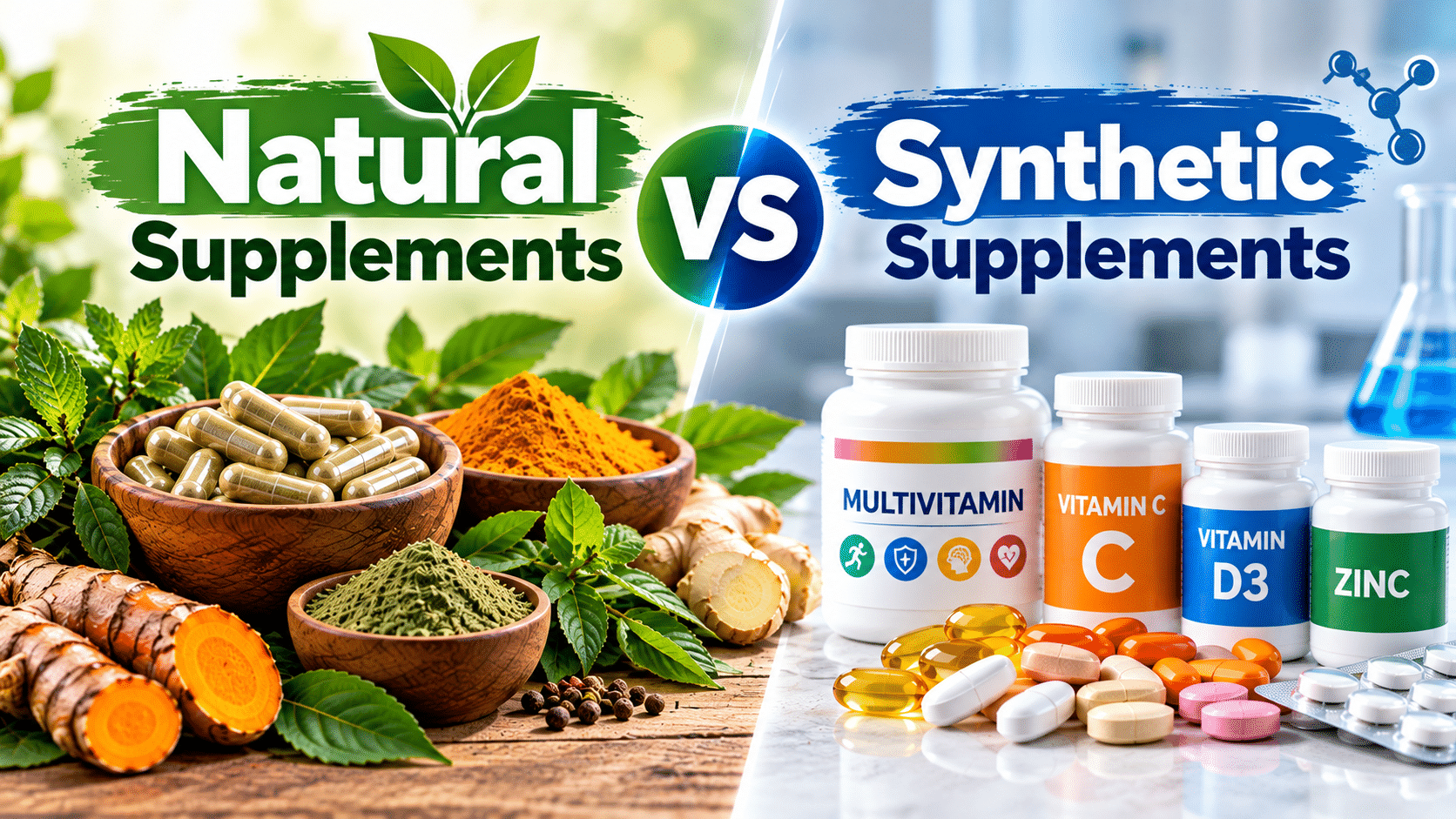
Natural Supplements vs. Synthetic Supplements
Although both types can provide nutritional support, several differences are worth understanding.
| Feature | Natural Supplements | Synthetic Supplements |
|---|---|---|
| Source | Plants and other natural materials | Manufactured ingredients |
| Ingredients | May contain multiple plant compounds | Often provide specific nutrients |
| Nutrient concentration | Can vary between products | Often available in standardized doses |
| Form | Powders, capsules, extracts, and teas | Tablets, capsules, powders, and liquids |
| Quality | Depends on sourcing and processing | Depends on manufacturing and quality control |
| Effectiveness | Depends on the ingredient and intended use | Depends on the nutrient and formulation |
| Safety | May cause side effects or interactions | May also cause side effects or interactions |
The distinction is not always clear-cut. Some supplements combine plant extracts with manufactured vitamins, while certain nutrients extracted from natural sources are processed before being sold.
Benefits of Natural Supplements
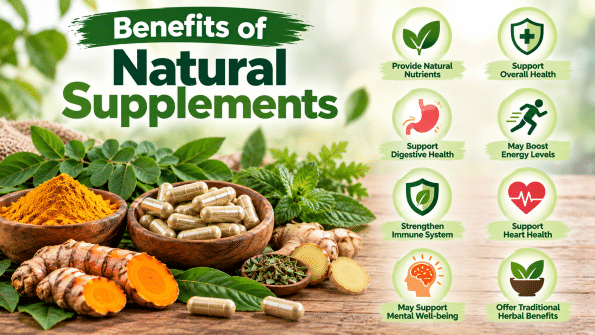
Natural supplements can offer several benefits when chosen carefully and used appropriately.
1. Provide Plant-Based Compounds
Many plants contain naturally occurring compounds, including polyphenols and other phytochemicals. These substances are studied for their potential roles in normal biological processes.
Turmeric, ginger, and other herbs contain compounds that have attracted scientific interest. However, evidence varies between ingredients, and promising research does not automatically prove that every supplement provides a meaningful health benefit.
2. Support Nutritional Intake
Certain natural supplements can help increase dietary intake of specific substances.
For example, psyllium husk provides soluble fiber that can help relieve constipation and may support healthy cholesterol levels. Plant powders can also contribute some nutrients, depending on their composition.
Supplements should complement a healthy diet rather than replace nutritious foods.
3. Offer Different Ways to Use Herbs
Natural supplements are available in several forms, including capsules, powders, teas, and concentrated extracts. This variety allows consumers to select a form that suits their preferences.
However, concentrated extracts may have stronger effects than ordinary foods or teas, so the appropriate dosage and safety information should always be considered.
4. Support Traditional Herbal Practices
Herbs have been used in traditional health practices for generations. Modern research continues to investigate many of these ingredients.
Traditional use can provide useful background information, but it does not establish that a product is effective for every condition. Scientific evidence and safety testing remain important.
5. Provide Options for Specific Needs
Some natural supplements may be suitable for people seeking additional dietary fiber or particular herbal ingredients. The right choice depends on the person’s health goals, current diet, medications, and the evidence supporting the product.
Benefits of Synthetic Supplements
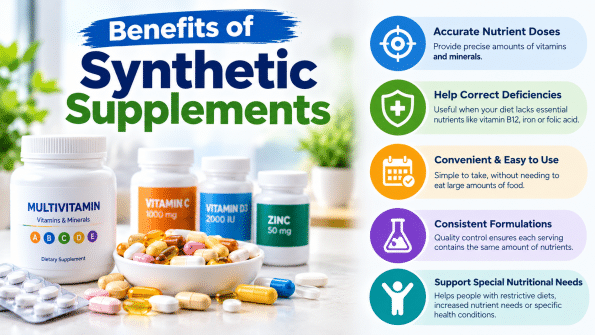
Synthetic supplements also offer important advantages, especially when a specific nutrient is needed.
1. Provide Measured Nutrient Doses
Manufactured supplements can contain precise amounts of vitamins and minerals. This can make it easier to meet a recommended intake or follow a healthcare professional’s instructions.
2. Help Address Nutrient Deficiencies
Certain deficiencies require targeted supplementation. Iron, vitamin B12, folic acid, and vitamin D are examples of nutrients that may be supplemented when appropriate.
The correct supplement depends on the deficiency, its cause, and the person’s individual circumstances.
3. Offer Consistent Formulations
Quality-controlled manufacturing helps ensure that a product contains consistent amounts of its listed ingredients. Standardized formulations can make dosing more predictable than products with highly variable concentrations.
4. Support Special Dietary Requirements
People following certain restrictive diets may need supplements to obtain enough of particular nutrients. For example, vitamin B12 supplementation is important for many people following a vegan diet because reliable natural food sources of this vitamin are limited.
5. Provide Convenient Options
Synthetic vitamins and minerals are available in tablets, capsules, liquids, and powders. These products can be convenient for people who need a specific nutrient without significantly changing their diet.
Are Natural Supplements Safer Than Synthetic Supplements?
Natural supplements are not automatically safer than synthetic supplements. Both types can cause side effects, interact with medicines, or become harmful when taken in excessive amounts.
For example, some herbal supplements can affect how prescription medicines work. High doses of certain vitamins can also cause health problems, and excessive iron intake can be dangerous.
Several factors influence supplement safety:
- The ingredient and its chemical form
- The amount taken each day
- The quality and purity of the product
- Existing medical conditions
- Prescription medicines and other supplements
- Pregnancy or breastfeeding status
People who are pregnant, breastfeeding, taking prescription medicines, or managing a medical condition should seek professional advice before using supplements.
Choose reputable manufacturers and avoid products that promise instant results or claim to cure serious diseases.
Which Is Better: Natural or Synthetic Supplements?
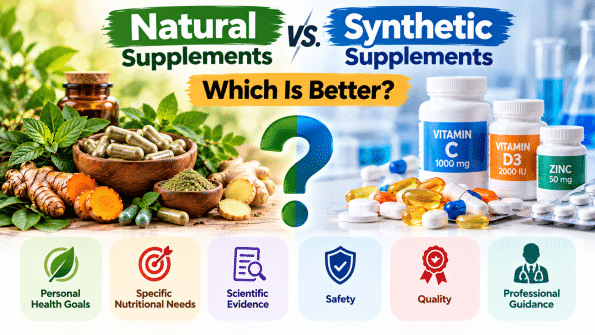
There is no single answer because the best choice depends on the purpose of supplementation.
Natural supplements may be appropriate when there is evidence supporting a particular herbal ingredient or when additional dietary fiber is needed. Synthetic supplements may be preferable when a specific nutrient is required in a known dose.
For example, someone who needs additional dietary fiber may consider psyllium husk, while someone with a confirmed vitamin B12 deficiency may need a targeted B12 supplement.
Neither option is universally superior. The most suitable supplement is one that addresses a genuine need, has appropriate evidence behind it, and can be used safely.
How to Choose a High-Quality Supplement
Before purchasing a natural or synthetic supplement, consider these practical tips.
1. Read the Ingredient Label
Check the active ingredients, serving size, and amount of each nutrient. Look for unnecessary ingredients if you have allergies or sensitivities.
2. Check the Recommended Dosage
More is not necessarily better. Taking excessive amounts of vitamins, minerals, or herbal extracts can cause unwanted effects.
3. Choose Reputable Brands
Look for transparent labeling, clear manufacturer information, and credible quality-testing practices. Independent testing can provide additional assurance when available.
4. Check the Expiry Date
Avoid expired products and follow the storage instructions on the packaging to help maintain product quality.
5. Consider Possible Interactions
Some supplements interact with prescription medicines or other supplements. Ask a qualified healthcare professional or pharmacist before combining products.
6. Be Careful With Health Claims
Avoid products that promise rapid weight loss, guaranteed results, or cures for serious medical conditions. Reliable supplement information should explain both potential benefits and limitations.
Can You Take Natural and Synthetic Supplements Together?
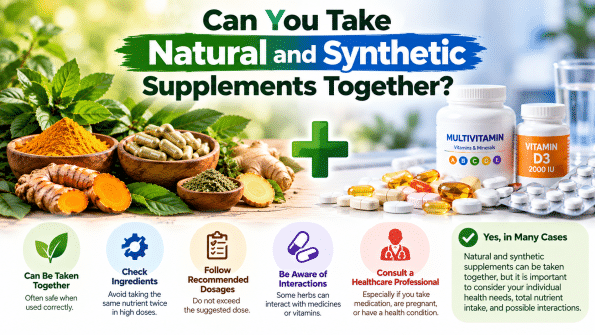
Some natural and synthetic supplements can be taken together, but combining them requires care.
For example, a multivitamin may already contain several nutrients that are also present in a separate supplement. Taking both products without checking their labels could result in excessive intake.
Herbal ingredients can also interact with medicines or affect the way the body processes certain substances.
Before combining supplements, review the full ingredient lists and total daily doses. Seek professional advice if you take medication, have a medical condition, or are unsure whether the combination is appropriate.
Frequently Asked Questions
Are natural vitamins better than synthetic vitamins?
Not necessarily. Some natural and synthetic vitamins have the same chemical structure and similar effects. Other forms may differ in absorption or biological activity. The particular nutrient and formulation matter more than the label alone.
Do synthetic supplements work?
Yes. Many manufactured supplements are effective for preventing or correcting nutrient deficiencies when used appropriately. Their effectiveness depends on the nutrient, dose, formulation, and person’s nutritional needs.
Are herbal supplements completely natural?
Not always. Herbal supplements may contain concentrated plant extracts, processing aids, fillers, or other ingredients. Read the product label to understand what it contains.
Can natural supplements cause side effects?
Yes. Natural supplements can cause allergic reactions, digestive problems, medication interactions, or other side effects. Concentrated herbal extracts may have stronger effects than the plants used in ordinary foods.
Should everyone take supplements daily?
No. Many people can meet their nutritional needs through a balanced diet, while others may benefit from targeted supplementation. Individual needs depend on diet, age, health status, and specific deficiencies.
Conclusion
Natural supplements and synthetic supplements both have a place in nutritional care. Natural products may provide plant compounds and ingredients such as dietary fiber, while synthetic supplements can deliver essential nutrients in measured doses.
Neither category is automatically better or safer. Product quality, dosage, scientific evidence, and individual nutritional needs are the most important factors when making a choice.
For better health, prioritize a balanced diet, choose supplements carefully, and consult a qualified healthcare professional when necessary. The goal is not simply to choose natural or synthetic products, but to select safe and effective options that meet your nutritional needs.