Introduction
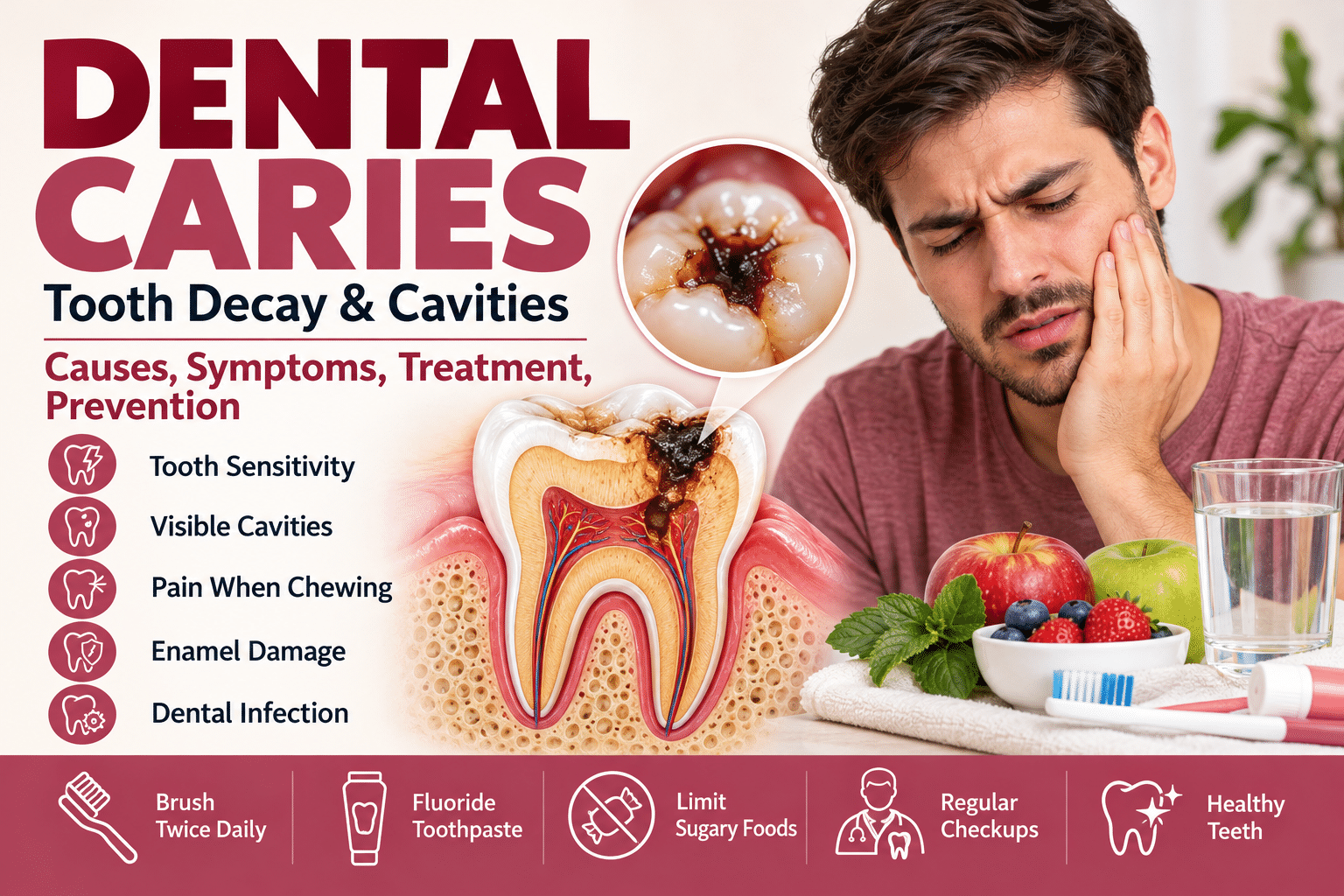
Dental caries, commonly known as tooth decay or cavities, is one of the most common oral health conditions worldwide. It is a disease in which the hard tissues of the teeth gradually lose minerals due to acids produced by bacteria in dental plaque. If the process continues without appropriate care, it can lead to cavities, tooth sensitivity, severe pain, infection, and even tooth loss.
Dental caries can affect people of all ages, including children, teenagers, adults, and older people. Although it is common, it is largely preventable through proper oral hygiene, healthy dietary habits, fluoride use, and regular dental checkups.
Understanding the causes, early warning signs, stages, and available treatments can help people protect their teeth and maintain good oral health throughout life.
1. What Is Dental Caries?
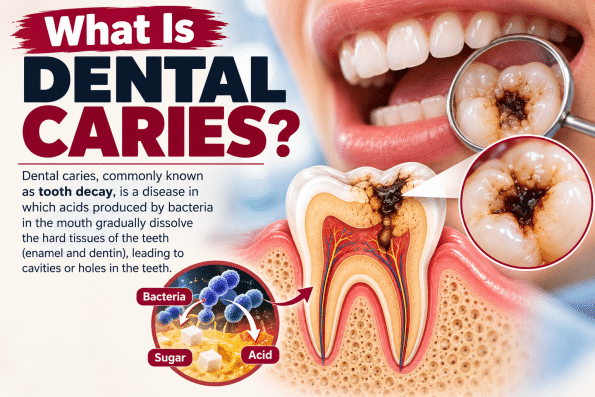
Dental caries is a progressive disease that damages the enamel, dentin, and, in advanced cases, the pulp of a tooth. It develops when bacteria in the mouth metabolize fermentable carbohydrates, particularly sugars, and produce acids that lower the pH at the tooth surface.
Under normal circumstances, saliva helps neutralize acids and supplies minerals that support the repair of early enamel damage. However, when acid attacks occur frequently or last too long, the tooth loses minerals faster than it can replace them. This process is known as demineralization.
Over time, repeated demineralization can result in a permanent cavity. Once a substantial hole has formed, the tooth generally requires professional dental treatment rather than toothpaste alone.
Dental caries is a multifactorial disease. Its development depends on the interaction between oral bacteria, dietary habits, tooth structure, saliva, fluoride exposure, and the amount of time teeth are exposed to acidic conditions.
2. Causes of Dental Caries
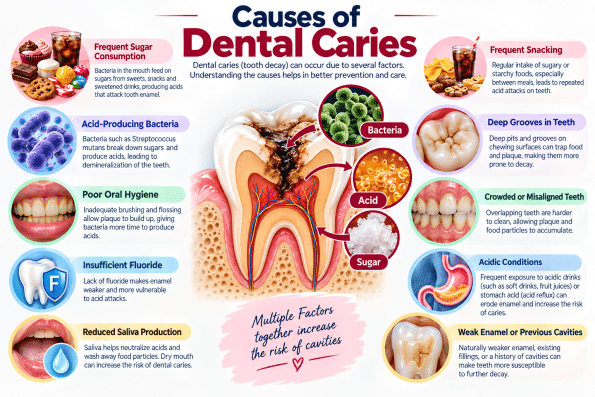
Several factors contribute to the development of tooth decay.
2.1 Poor Oral Hygiene
Inadequate brushing and cleaning between teeth allow dental plaque to accumulate. Plaque is a sticky biofilm containing bacteria, food residues, and other substances. When bacteria in this biofilm metabolize sugars, they produce acids that attack tooth enamel.
Brushing twice daily with fluoride toothpaste and cleaning between teeth regularly help control plaque and reduce the risk of caries.
2.2 Frequent Sugar Consumption
Frequent consumption of sugary foods and beverages is a major risk factor. Common examples include:
- Sweets, candies, and chocolates.
- Cakes, biscuits, and pastries.
- Sugary soft drinks and energy drinks.
- Sweetened tea and coffee.
- Sugar-containing juices and other beverages.
The frequency of sugar exposure matters as well as the total amount consumed. Repeatedly sipping a sugary drink throughout the day can expose teeth to repeated acid attacks and increase the risk of decay.
2.3 Acid-Producing Bacteria
Several bacterial species are associated with dental caries. Streptococcus mutans is an important example because it can metabolize sugars and contribute to an acidic environment. Other organisms, including certain Lactobacillus species, may also be involved, particularly as lesions progress.
However, dental caries is not caused by a single bacterium alone. It results from changes in the oral biofilm and the balance between mineral loss and repair.
2.4 Insufficient Fluoride
Fluoride strengthens enamel and makes it more resistant to acid attacks. It also helps remineralize early lesions. People with inadequate fluoride exposure may have a higher risk of developing cavities, particularly when other risk factors are present.
2.5 Reduced Saliva Production
Saliva protects teeth by washing away food particles, neutralizing acids, and providing calcium and phosphate for remineralization. Reduced saliva production, known as dry mouth or xerostomia, can significantly increase the risk of dental caries.
Dry mouth may be associated with certain medications, dehydration, medical conditions, or treatments that affect the salivary glands.
2.6 Deep Tooth Grooves and Crowded Teeth
Deep pits and grooves on the chewing surfaces of molars can trap food and plaque. Crowded or overlapping teeth can also make cleaning difficult, allowing plaque to accumulate in areas that are hard to reach.
2.7 Other Risk Factors
Additional factors include previous cavities, frequent snacking, limited access to dental care, inadequate oral hygiene instruction, exposed tooth roots due to gum recession, and certain physical or medical circumstances that interfere with daily oral care.
3. Signs and Symptoms of Dental Caries
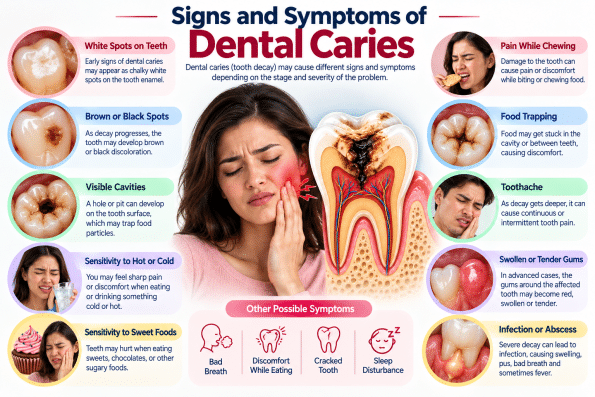
The symptoms of dental caries vary depending on the severity and location of the decay. In its earliest stages, it may cause no pain or noticeable symptoms, which is why regular dental examinations are important.
Common signs and symptoms include:
- White spots: Early mineral loss may appear as chalky white areas on the enamel.
- Brown or black discoloration: The affected area may develop brown or dark spots, although discoloration alone does not always indicate active decay.
- Tooth sensitivity: The tooth may become sensitive to cold, hot, sweet, or acidic foods and drinks.
- Visible cavities: A hole or damaged area may develop on the tooth surface.
- Toothache: Pain may occur when decay progresses deeper into the tooth.
- Pain while chewing: Damage to the tooth may cause discomfort when biting or chewing.
- Food trapping: Food may become lodged in a cavity or between damaged teeth.
- Infection and swelling: Advanced decay can lead to inflammation or infection around the root, sometimes causing facial swelling or an abscess.
Persistent pain, facial swelling, fever associated with dental infection, or difficulty opening the mouth requires prompt dental assessment. Difficulty breathing or swallowing with facial or neck swelling is an emergency.
4. Stages of Dental Caries
Dental caries generally progresses through several stages. The earlier it is detected, the more conservative the treatment may be.
Stage 1: Initial Enamel Demineralization
Minerals begin to leave the enamel, producing a white spot or chalky appearance. There may be no pain. At this stage, the process can often be arrested or partially reversed with fluoride, effective plaque control, and dietary changes.
Stage 2: Enamel Cavitation
The enamel becomes structurally damaged and a cavity may form. A cavity that has developed generally cannot be restored by brushing alone, and a dentist may recommend a filling.
Stage 3: Dentin Involvement
Decay reaches the dentin beneath the enamel. The tooth may become sensitive or painful. Treatment often involves removing or managing the diseased tissue and restoring the tooth.
Stage 4: Pulp Involvement
Deep decay reaches the pulp, which contains nerves and blood vessels. Inflammation or infection can cause severe pain. Root canal treatment or, in some cases, extraction may be necessary.
Stage 5: Abscess or Spreading Infection
Infection may develop around the root and form an abscess. Symptoms can include swelling, tenderness, pus, and fever. Urgent professional treatment is required.
5. Diagnosis of Dental Caries
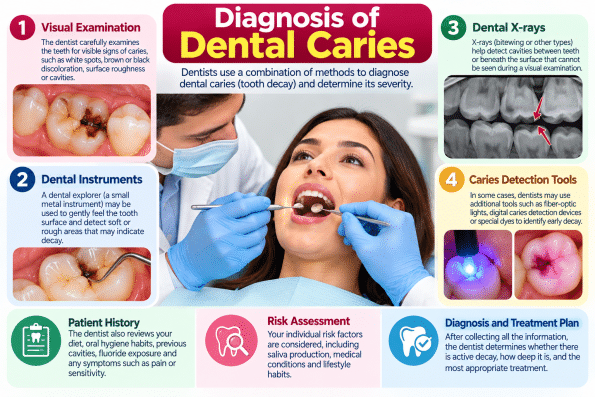
A dentist diagnoses dental caries by examining the teeth, reviewing symptoms, and assessing the patient’s oral health history.
Common diagnostic methods include:
- Visual examination: The dentist examines tooth surfaces for white spots, discoloration, surface breakdown, and visible cavities.
- Dental instruments: Appropriate instruments may be used to assess tooth surfaces and restorations.
- Dental X-rays: Bitewing or other appropriate radiographs can reveal decay between teeth or beneath the surface that is not easily visible during an examination.
- Risk assessment: The dentist considers previous cavities, dietary habits, fluoride exposure, saliva production, and oral hygiene practices.
Not every dark spot is a cavity, and not every early lesion requires drilling. The treatment depends on whether the lesion is active, whether the tooth surface has broken down, and how deeply the decay has progressed.
6. Treatment of Dental Caries
Treatment depends on the stage of the disease, the amount of tooth structure affected, and whether the pulp is involved.
6.1 Fluoride Treatment
Early non-cavitated lesions may be managed with fluoride toothpaste, professional fluoride varnish, and improved oral hygiene. Fluoride helps strengthen enamel and supports remineralization.
6.2 Dental Filling
When a cavity has formed, the dentist may remove or otherwise manage the damaged tissue and restore the tooth using a suitable material, such as composite resin, amalgam where appropriate, or glass ionomer cement.
6.3 Dental Crown
A crown may be recommended when substantial tooth structure has been lost and a filling alone is unlikely to provide adequate strength and protection.
6.4 Root Canal Treatment
If the pulp is irreversibly inflamed or infected, root canal treatment may be used to remove the affected pulp tissue, clean the root canals, and seal them. The tooth is then restored appropriately.
6.5 Tooth Extraction
If a tooth is too severely damaged to be restored, extraction may be necessary. A dentist can discuss options for replacing the missing tooth when appropriate.
Antibiotics do not treat the cavity itself and are not routinely required for ordinary tooth decay. They may be indicated in selected infections, but they do not replace dental treatment to address the source of the problem.
7. Prevention of Dental Caries
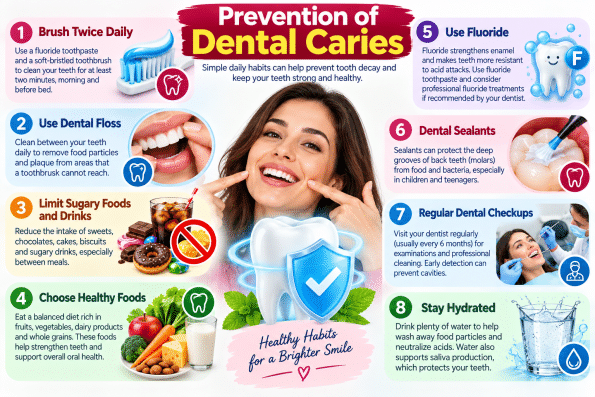
Preventing dental caries is usually easier, less expensive, and less invasive than treating advanced decay.
Brush Twice Daily
Brush your teeth twice a day with fluoride toothpaste, including before bedtime. Use a soft-bristled toothbrush and clean all accessible tooth surfaces gently.
For adults, toothpaste containing approximately 1,350–1,500 ppm fluoride is commonly recommended. Children should use an age-appropriate amount and concentration under dental guidance, with supervision to minimize swallowing.
Clean Between Teeth
Use dental floss or an appropriate interdental brush daily. These methods remove plaque from areas that a toothbrush may not reach effectively.
Reduce Sugar Frequency
Limit sugary snacks and drinks, particularly between meals and before sleeping. Prefer water as your regular drink and choose nutritious, minimally processed foods where possible.
Consider Fluoride and Dental Sealants
Professional fluoride applications may benefit people at increased risk of cavities. Dental sealants can protect the pits and grooves of susceptible molars, particularly in children and teenagers.
Schedule Dental Checkups
Regular examinations allow a dentist to identify early lesions and assess individual risk. The recommended interval depends on age, oral health, previous decay, and other risk factors.
Manage Dry Mouth
Drink water regularly and discuss persistent dry mouth with a healthcare professional or dentist. Do not stop prescribed medication without medical advice.
8. Dental Caries in Children
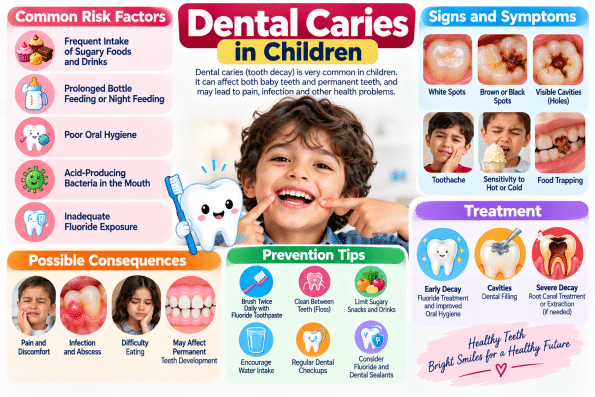
Children are particularly vulnerable to tooth decay because of developing oral hygiene habits, frequent snacking, and exposure to sugary drinks.
Early childhood caries can affect baby teeth and may cause pain, infection, difficulty eating, and disruption of sleep. Primary teeth are important for chewing, speech development, and maintaining space for permanent teeth.
Parents and caregivers can help by:
- Brushing children’s teeth twice daily with an age-appropriate amount of fluoride toothpaste.
- Supervising brushing until the child can clean effectively.
- Avoiding putting a child to bed with a bottle containing milk, formula, juice, or other sugary liquids.
- Limiting frequent exposure to sweetened drinks and snacks.
- Arranging early dental visits and regular preventive care.
Baby teeth should not be ignored simply because they eventually fall out. Untreated decay can have significant consequences for a child’s comfort and oral health.
9. Possible Complications of Untreated Dental Caries
If dental caries is left untreated, it may lead to:
- Increasing tooth sensitivity and pain.
- Pulp inflammation or death of the pulp tissue.
- Dental abscesses and infections around the root.
- Difficulty chewing and eating comfortably.
- Damage severe enough to require extraction.
- Sleep disturbance and reduced quality of life.
In rare but serious cases, a dental infection can spread to surrounding tissues and cause a medical emergency. Prompt treatment is important when symptoms worsen or swelling develops.
10. Frequently Asked Questions
Q1. Is dental caries the same as tooth decay?
Yes. Dental caries is the clinical term for the disease process commonly called tooth decay. A cavity is the hole that may develop as a result.
Q2. Can dental caries heal naturally?
Early mineral loss without a cavity can sometimes be arrested or partially reversed through fluoride, saliva, and effective oral hygiene. A permanent cavity generally requires professional restorative care.
Q3. Does sugar directly cause cavities?
Sugar does not damage teeth simply by touching them. Rather, plaque bacteria metabolize fermentable sugars and produce acids that contribute to mineral loss. Frequent sugar exposure increases risk.
Q4. Can dental caries spread from one tooth to another?
A cavity does not physically spread from tooth to tooth. However, the bacteria and dietary conditions associated with decay can affect multiple teeth.
Q5. Can a cavity be treated at home?
Home care can help prevent further decay and support early enamel remineralization, but it cannot reliably repair an established hole. A dentist should assess suspected cavities.
Q6. Is dental caries preventable?
Yes. Although no prevention method guarantees that cavities will never develop, fluoride toothpaste, regular cleaning, reduced sugar frequency, and appropriate professional care can substantially lower the risk.
Conclusion
Dental caries is a common but largely preventable disease caused by an imbalance between the loss and repair of minerals in the teeth. It begins with changes in the enamel and can progress into deeper tissues if the underlying causes are not controlled.
Early detection is important because initial lesions may be managed without drilling, while established cavities often require fillings or other restorative treatment. Good oral hygiene, fluoride exposure, healthy dietary habits, and regular dental examinations are the foundations of prevention.
The most important message is simple: protect your enamel, reduce frequent sugar exposure, and seek professional dental care early rather than waiting for pain to develop.