Losing weight naturally is a goal for many people, especially those who want to improve their overall health, reduce excess body fat, and feel more energetic. While there is no single herb that can magically burn fat or cause rapid weight loss, some herbs and spices may support a healthy weight-loss routine when combined with a balanced diet, regular physical activity, adequate sleep, and good hydration.
In traditional herbal practices, many plants and spices have been used to support digestion, metabolism, appetite control, and overall wellness. Some of these herbs have also been studied scientifically for their potential effects on body weight and metabolic health.
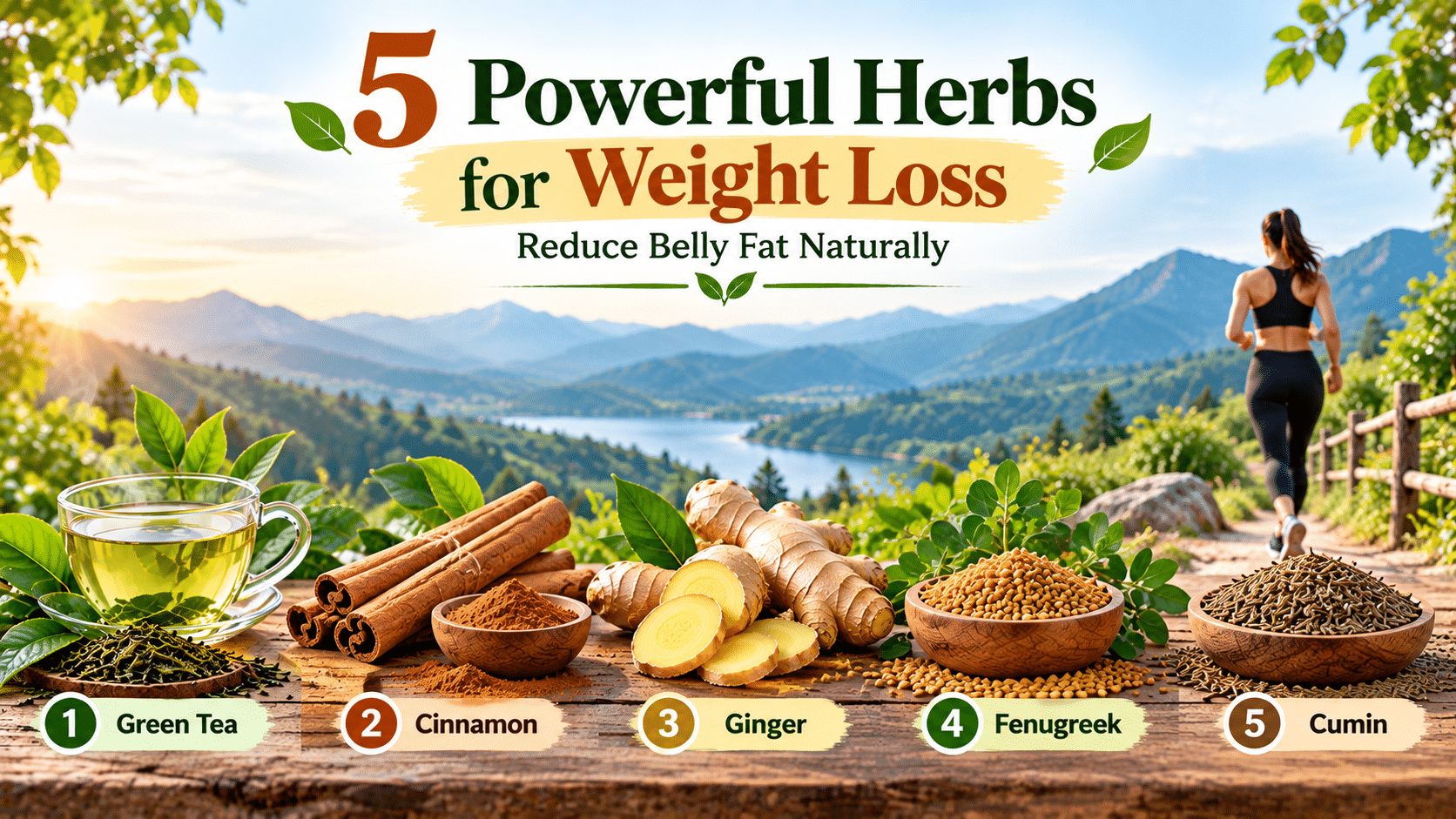
In this article, we will discuss 5 popular herbs and spices that may support healthy weight management and help you work toward reducing excess belly fat naturally.
Important: Belly fat cannot usually be reduced from one specific area simply by taking an herb. Overall fat loss generally comes from creating sustainable healthy habits. Herbs should be considered supportive additions to a healthy lifestyle, not miracle cures.
1. Green Tea

Green tea is one of the most popular natural ingredients associated with weight management. It contains naturally occurring compounds called catechins, including epigallocatechin gallate (EGCG), as well as caffeine.
These compounds have been studied for their potential role in energy metabolism and fat oxidation. Green tea may provide a small supportive effect when used alongside a healthy diet and physical activity.
Potential Benefits of Green Tea
- Supports healthy metabolism
- Provides antioxidant compounds
- May support fat oxidation
- Can be a low-calorie alternative to sugary drinks
- May support overall cardiovascular and metabolic health
How to Use Green Tea
A simple cup of green tea can be consumed between meals. Avoid adding large amounts of sugar if your goal is weight management.
However, more is not always better. Excessive intake of caffeinated green tea can cause problems such as nervousness, difficulty sleeping, or stomach discomfort in sensitive individuals.
People taking certain medications or those with specific medical conditions should speak with a healthcare professional before using concentrated green tea extracts.
2. Cinnamon

Cinnamon is a widely used spice with a long history in traditional herbal practices. It contains aromatic compounds and antioxidants and is commonly used in beverages and foods.
Cinnamon is not a direct fat-burning medicine, but replacing high-sugar flavorings with cinnamon may help make healthy foods and drinks more enjoyable without adding significant calories.
Some research has also explored cinnamon’s relationship with blood glucose regulation and metabolic health, although the evidence is not strong enough to consider cinnamon a weight-loss treatment.
Potential Benefits of Cinnamon
- Contains antioxidant compounds
- Adds flavor without significant calories
- May support healthy blood glucose regulation
- Can be included in balanced meals
- Traditionally used to support digestion
Simple Cinnamon Drink
You can add a small amount of cinnamon powder to warm water, unsweetened tea, or milk.
Avoid consuming very large amounts of cinnamon regularly. Cassia cinnamon, in particular, contains coumarin, which can be problematic in excessive quantities.
3. Ginger

Ginger is another popular herb traditionally used for digestive health. It contains bioactive compounds such as gingerols and has been studied for its antioxidant and anti-inflammatory properties.
A healthy digestive system and a balanced diet are important components of successful weight management. Ginger may be useful as part of a healthy routine, particularly as an ingredient in a low-calorie beverage.
Potential Benefits of Ginger
- Traditionally used to support digestion
- May help with occasional digestive discomfort
- Contains antioxidant compounds
- Can add flavor to healthy drinks
- May support overall metabolic health
Ginger Tea for a Healthy Routine
To prepare ginger tea, add a few thin slices of fresh ginger to hot water and allow it to steep for several minutes. Lemon can be added for flavor.
Avoid turning the drink into a sugary beverage. Large amounts of honey or sugar can significantly increase calories.
People who take blood-thinning medication or have certain medical conditions should ask their healthcare professional whether regular ginger consumption is appropriate.
4. Fenugreek
Fenugreek, also known as methi, is a traditional herb commonly used in South Asian cuisine and herbal practices. Its seeds contain fiber and various plant compounds.
Because fiber can contribute to feelings of fullness, fenugreek may be useful as part of a balanced diet. Some research has investigated fenugreek in relation to blood glucose, appetite, and metabolic health, although more evidence is needed to establish its effectiveness specifically for weight loss.
Potential Benefits of Fenugreek
- Provides dietary fiber
- May support feelings of fullness
- Traditionally used for digestive health
- Contains various plant compounds
- Can be incorporated into meals
How to Include Fenugreek
Fenugreek seeds can be used as a spice in cooking. Some people also prepare fenugreek seed water or tea.
However, fenugreek should not be considered a substitute for a nutritious diet. Excessive consumption may cause digestive symptoms in some people.
People who use medicines for diabetes or blood sugar should be particularly cautious because fenugreek may affect blood glucose.
5. Cumin
Cumin, commonly known as zeera, is a traditional spice used extensively in South Asian and Middle Eastern cooking.
Cumin provides flavor and contains naturally occurring plant compounds. Some research has explored cumin supplementation and body composition, but evidence remains limited and should not be interpreted as proof that cumin alone causes significant fat loss.
Potential Benefits of Cumin
- Supports flavorful, lower-calorie meals
- Traditionally used to support digestion
- Contains antioxidant compounds
- Can be easily added to everyday foods
- May support a healthy lifestyle when used as part of a balanced diet
Simple Cumin Drink
Roast a small amount of cumin seeds, add them to hot water, and allow the mixture to steep. You can drink it without adding sugar.
Remember that a cumin drink is not a replacement for meals, exercise, or medical treatment.
Can Herbal Remedies Really Reduce Belly Fat?
This is one of the most common questions people ask.
The answer is important: no herb can selectively burn belly fat by itself.
Belly fat is influenced by total body fat, calorie intake, physical activity, genetics, sleep, stress, age, and other factors. When a person loses overall body fat through sustainable lifestyle changes, abdominal fat may also decrease.
Herbs can potentially support certain parts of a healthy routine, such as replacing sugary drinks, improving food flavor, supporting digestion, or providing beneficial plant compounds.
The biggest results usually come from consistent lifestyle habits.
5 Lifestyle Tips to Support Natural Weight Loss

1. Reduce Sugary Drinks
Soft drinks, sweetened juices, energy drinks, and heavily sweetened teas can provide a large number of calories without making you feel full.
Choose water, unsweetened tea, or other low-calorie beverages more often.
2. Increase Protein and Fiber
Protein-rich foods and fiber-rich foods can help with fullness and make it easier to maintain a balanced eating pattern.
Include foods such as eggs, fish, chicken, beans, lentils, vegetables, fruits, and whole grains according to your dietary needs.
3. Stay Physically Active
Walking is one of the simplest ways to increase daily activity. Regular resistance exercise can also help maintain muscle while losing weight.
You do not need to start with an extreme workout. Consistency is more important than intensity for many people.
4. Sleep Properly
Poor sleep can affect hunger, appetite, energy, and food choices. Aim for a consistent sleep schedule and adequate sleep.
5. Control Portions
Even healthy foods can contribute to weight gain when consumed in excessive quantities.
Focus on balanced portions rather than completely eliminating individual food groups without a medical reason.
Herbal Weight Loss Tea Recipe
You can combine some of these ingredients into a simple unsweetened herbal drink.
Ingredients
- 1 small piece of fresh ginger
- ½ teaspoon cumin seeds
- A small piece of cinnamon
- 1–2 cups of water
- Lemon, optional
Preparation
Boil the water and add ginger, cumin, and cinnamon. Simmer gently for a few minutes and then strain.
Allow it to cool slightly before adding lemon.
Do not add large amounts of sugar if your goal is weight management.
This drink should be viewed as a healthy beverage option, not as a fat-burning treatment.
Who Should Be Careful With Herbal Remedies?
Natural does not automatically mean risk-free.
Pregnant or breastfeeding women, children, older adults, and people with chronic medical conditions should consult a qualified healthcare professional before using herbs regularly or in concentrated forms.
Extra caution is important for people taking medicines for:
- Diabetes
- Blood pressure
- Blood clotting
- Heart conditions
- Liver or kidney problems
Herbal supplements can sometimes interact with medicines. Concentrated extracts and capsules can also have stronger effects than normal culinary amounts.
Final Thoughts
Green tea, cinnamon, ginger, fenugreek, and cumin are popular herbs and spices that can be included in a healthy lifestyle. They may offer useful nutrients and plant compounds, and some have been studied for their potential effects on metabolism, digestion, appetite, or metabolic health.
However, there is no magic herb that can independently remove belly fat.
For sustainable weight management, focus on a balanced diet, appropriate calorie intake, regular physical activity, adequate sleep, hydration, and long-term consistency.
Think of herbal remedies as supportive tools rather than quick fixes. The best approach is one that you can maintain safely over time.
If you have significant obesity, unexplained weight gain, diabetes, hormonal problems, or difficulty losing weight despite consistent lifestyle changes, speak with a qualified healthcare professional to identify possible underlying causes and develop an appropriate plan.
Disclaimer: This article is for general educational purposes only and does not replace professional medical advice, diagnosis, or treatment. Herbal products and supplements may not be suitable for everyone and can interact with medicines.