What Is Acne?
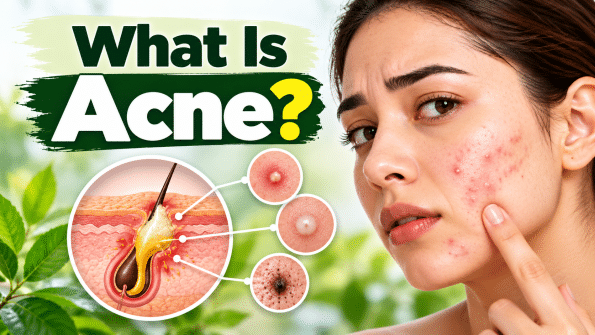
Acne is one of the most common skin conditions, affecting people of different ages, especially teenagers and young adults. It develops when hair follicles become clogged with excess oil (sebum), dead skin cells, and other debris. This can lead to blackheads, whiteheads, pimples, and sometimes deeper, painful lesions.
Acne commonly appears on the face, forehead, chest, shoulders, and upper back because these areas contain many oil-producing glands.
Although acne is usually not dangerous, it can affect a person’s confidence and may sometimes leave dark spots or scars after the lesions heal.
A consistent skincare routine, healthy lifestyle, and appropriate treatment can help manage acne. Some traditional herbal ingredients may also provide supportive skin care when used properly.
Common Causes of Acne
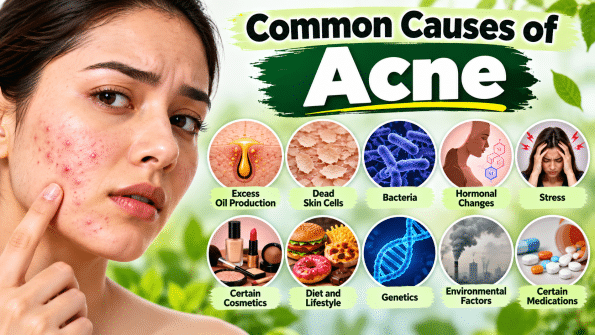
Acne can develop due to several factors. Understanding the possible causes can help you choose an appropriate skincare routine.
1. Excess Oil Production
The sebaceous glands naturally produce sebum to keep the skin moisturized. However, excessive oil production can contribute to clogged pores and acne.
2. Dead Skin Cells
Skin naturally sheds dead cells. When these cells mix with excess oil, they can accumulate inside hair follicles and contribute to blocked pores.
3. Bacteria
Certain bacteria naturally live on the skin. When pores become blocked and inflamed, changes in the local skin environment can contribute to inflammatory acne.
4. Hormonal Changes
Hormonal fluctuations during puberty, menstruation, pregnancy, and other stages of life can influence oil production and make acne more likely.
5. Stress
Stress does not necessarily cause acne by itself, but it may worsen existing acne in some people through hormonal and behavioral changes.
6. Certain Cosmetics
Heavy, oily, or pore-clogging cosmetic products may contribute to breakouts in some individuals. Choosing products labeled non-comedogenic may be helpful.
7. Diet and Lifestyle
For some people, certain dietary patterns may influence acne. A balanced diet containing vegetables, fruits, whole grains, adequate protein, and healthy fats can support overall health and skin health.
Common Symptoms of Acne
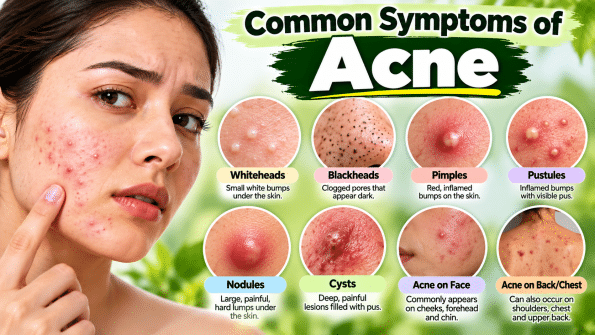
Acne can appear in different forms depending on its severity.
Whiteheads
Whiteheads occur when a clogged pore remains closed at the surface of the skin.
Blackheads
Blackheads occur when a clogged pore remains open. The dark color is not simply dirt; it results from changes in the material exposed to air.
Pimples
Red or inflamed bumps may develop when clogged pores become inflamed.
Pustules
These are inflamed lesions containing visible pus.
Nodules and Cysts
Deep, painful lumps can occur in more severe acne. These types of lesions have a greater risk of causing permanent scarring and may require professional treatment.
Herbal Remedies for Acne
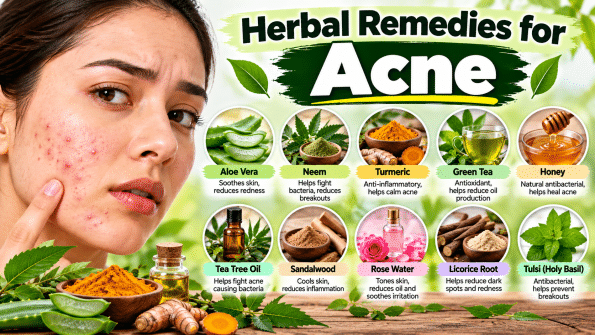
Herbal ingredients have traditionally been used in different cultures for skin care. Some plant-based ingredients contain compounds with antioxidant, soothing, or antimicrobial properties. However, evidence varies significantly between different herbs, and natural does not automatically mean safe or effective for everyone.
Here are some herbal ingredients commonly used in traditional skincare.
1. Aloe Vera
Aloe vera is widely used in skincare because of its soothing and moisturizing properties.
Aloe vera gel may help calm irritated-looking skin and provide lightweight hydration. When using aloe vera, choose a suitable cosmetic product or clean, properly prepared gel and perform a patch test first.
It should not be considered a standalone cure for moderate or severe acne.
2. Green Tea
Green tea contains naturally occurring polyphenols and antioxidants.
Green tea is commonly used in skincare formulations designed for oily or acne-prone skin. Topical green tea preparations may help support skin health, although more research is needed to determine how effective they are for different types of acne.
You can also include unsweetened green tea as part of a balanced diet.
3. Turmeric
Turmeric has a long history of traditional use. Its major compound, curcumin, has antioxidant and anti-inflammatory properties.
Turmeric is sometimes included in traditional face masks and skincare preparations. However, applying kitchen turmeric directly to the face can cause staining or irritation in some people.
If using a turmeric-based skincare product, choose a properly formulated product and test a small area first.
4. Neem
Neem has traditionally been used in South Asian skincare and personal-care practices.
Neem leaves and neem extracts contain various plant compounds that have been studied for antimicrobial and antioxidant activity. However, traditional use should not be confused with proven acne treatment.
Neem-based products should be used carefully, particularly if you have sensitive skin.
5. Green Tea and Aloe Vera Combination
Some skincare products combine soothing ingredients such as aloe vera with antioxidant-rich botanical extracts such as green tea.
The goal is generally to support the skin barrier while reducing irritation and maintaining hydration. When choosing such products, avoid formulations containing excessive fragrance or other ingredients that irritate your skin.
How to Use Herbal Remedies Safely for Acne
Herbal skincare should be approached carefully.
Patch Test First
Apply a small amount of the product to a limited area of skin before using it more widely. Stop if you experience significant redness, itching, burning, or swelling.
Avoid Lemon Juice
Although lemon is sometimes recommended online as a natural acne remedy, applying lemon juice directly to the skin can cause irritation and may increase sensitivity to sunlight. It is generally better to avoid DIY acidic treatments.
Avoid Harsh Scrubs
Scrubbing acne aggressively can irritate the skin and potentially make inflammation worse.
Do Not Pick Pimples
Squeezing or picking pimples can increase inflammation and raise the risk of dark marks and scarring.
Use Clean Products
Choose skincare products designed for your skin type and avoid products that consistently cause breakouts.
Natural Skincare Routine for Acne-Prone Skin
A simple routine can be more useful than using many different products.
Morning
- Wash your face gently with a mild cleanser.
- Apply a lightweight, non-comedogenic moisturizer.
- Use a broad-spectrum sunscreen.
Evening
- Gently cleanse your face.
- Apply your dermatologist-recommended acne treatment or suitable skincare product.
- Use moisturizer if your skin feels dry.
Consistency is important. Changing products frequently can make it difficult to determine what is helping or irritating your skin.
Diet and Acne
Diet is not the only factor responsible for acne, but some people notice that certain foods appear to worsen their breakouts.
A balanced diet should include:
- Fresh vegetables
- Fruits
- Whole grains
- Legumes
- Nuts and seeds
- Adequate protein
- Healthy fats
- Plenty of water
Highly processed foods and diets high in refined carbohydrates may be worth limiting, particularly if you notice a connection between these foods and your acne.
However, there is no single food that universally causes acne in everyone.
Lifestyle Tips for Healthy Skin
Along with skincare, simple lifestyle habits may support overall skin health.
Get Adequate Sleep
Poor sleep can affect overall health and may contribute to stress.
Manage Stress
Regular physical activity, relaxation techniques, hobbies, and adequate rest can help manage everyday stress.
Keep Your Pillowcases Clean
Regularly washing pillowcases can help maintain general hygiene, especially if your skin is oily.
Avoid Touching Your Face
Frequent touching can transfer oil, dirt, and other substances to your face.
Remove Makeup Before Sleeping
Leaving makeup on overnight may contribute to clogged pores for some people.
When Should You See a Dermatologist?
Mild acne can sometimes be managed with an appropriate skincare routine, but professional advice is important when acne is severe or persistent.
Consider seeing a dermatologist if:
- Acne is painful or deep.
- You have large nodules or cysts.
- Acne is leaving scars.
- Dark marks are increasing.
- Breakouts persist despite consistent skincare.
- Acne is affecting your confidence or daily life.
- You are unsure whether your skin condition is actually acne.
A dermatologist can determine the type and severity of acne and recommend evidence-based treatment.
Can Herbal Remedies Cure Acne?
Herbal remedies should not be presented as a guaranteed cure for acne.
Some botanical ingredients may help support healthy skin because of their soothing, antioxidant, or other properties, but the scientific evidence differs from one ingredient to another.
For mild acne, appropriate skincare combined with professional advice when needed may be helpful. Moderate or severe acne may require medical treatment to reduce inflammation and prevent permanent scarring.
The best approach is to consider herbal skincare as supportive care rather than a replacement for proven medical treatment.
Frequently Asked Questions About Acne
What is the best herbal remedy for acne?
There is no single herbal remedy that works best for everyone. Aloe vera, green tea, neem, and turmeric are commonly used in traditional skincare, but individual results vary.
Can aloe vera help acne?
Aloe vera may help soothe irritated skin and provide hydration. However, it should not be considered a cure for acne.
Is turmeric good for pimples?
Turmeric contains curcumin, which has antioxidant and anti-inflammatory properties. However, direct application can irritate or stain the skin, so properly formulated skincare products are preferable.
How can I prevent acne?
Gentle cleansing, avoiding picking or squeezing pimples, using non-comedogenic skincare products, managing stress, getting adequate sleep, and maintaining a balanced lifestyle may help reduce breakouts.
Does drinking water remove acne?
Adequate hydration is important for overall health, but drinking more water alone does not cure acne.
Final Thoughts
Acne is a common skin condition caused by a combination of factors including excess oil production, clogged pores, inflammation, hormonal changes, genetics, and lifestyle factors.
A gentle and consistent skincare routine is an important part of managing acne. Traditional herbal ingredients such as aloe vera, green tea, neem, and turmeric may offer supportive skincare benefits, but they should be used carefully and should not replace appropriate medical treatment when acne is moderate, severe, painful, or causing scars.
For healthy-looking skin, focus on gentle skincare, a balanced diet, adequate sleep, stress management, sun protection, and professional guidance when needed.
Important: This information is for general educational purposes and is not a substitute for diagnosis or treatment by a qualified healthcare professional. Always patch-test new topical products, and discontinue use if irritation occurs.