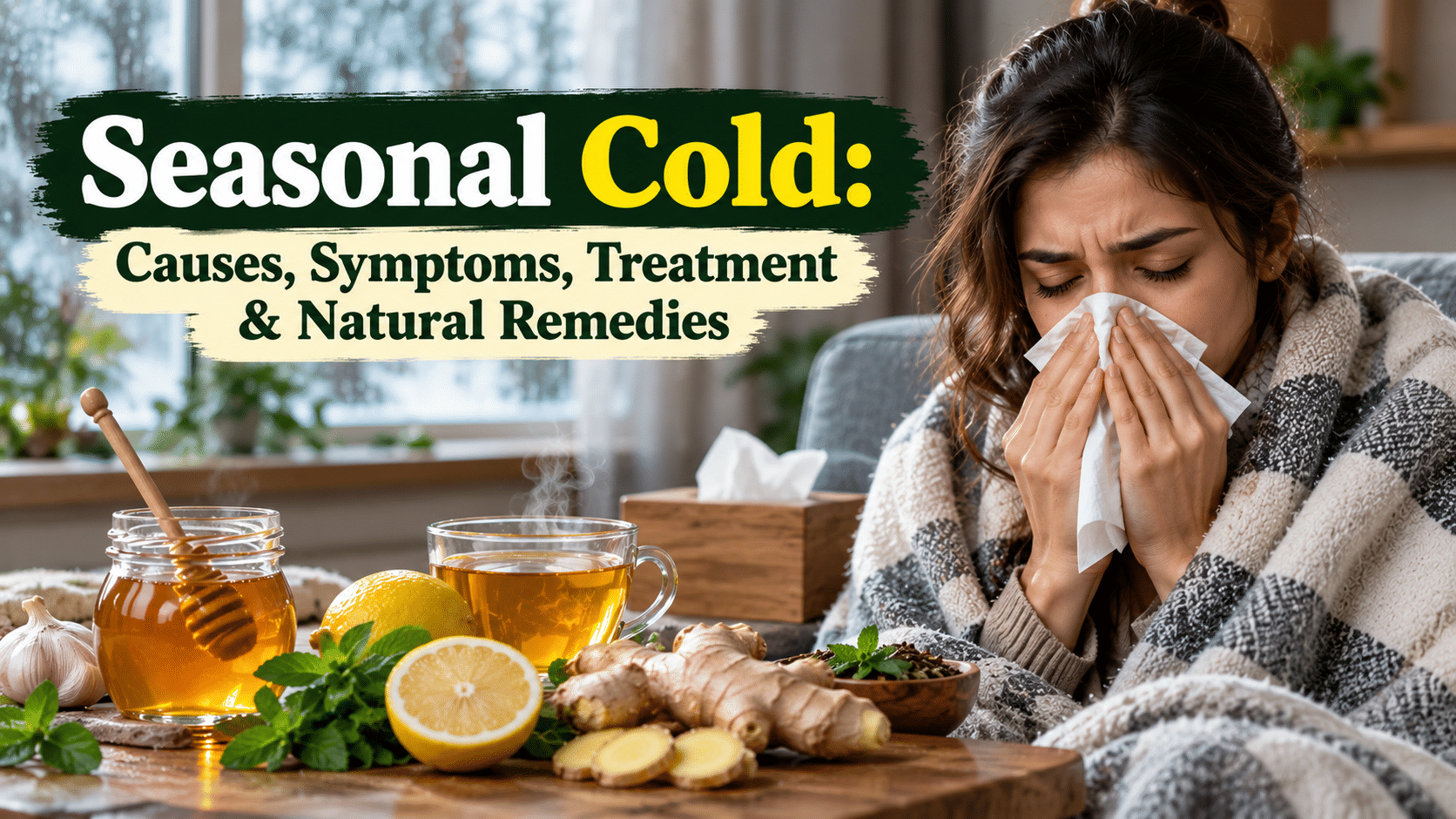
Seasonal changes can bring more than a change in temperature. Many people experience a runny nose, sneezing, sore throat, cough, congestion, headache, and mild body aches when the weather changes from hot to cold, winter to spring, or during sudden temperature fluctuations. This is commonly described as a seasonal cold or a cold caused by weather change.
However, it is important to understand that simply being exposed to cold weather does not directly cause a common cold. Most common colds are caused by viral infections, while seasonal allergies, dry air, changes in humidity, and increased exposure to respiratory viruses can also contribute to cold-like symptoms.
Fortunately, most uncomplicated colds improve on their own with adequate rest, fluids, nutritious food, and supportive care. Traditional home remedies such as warm honey drinks, ginger, lemon, warm fluids, and steam from a shower may also help relieve certain symptoms.
In this article, we will discuss the causes, symptoms, treatment, prevention, and natural remedies for seasonal cold, including how honey may help soothe a cough and sore throat.
What Is a Seasonal Cold?
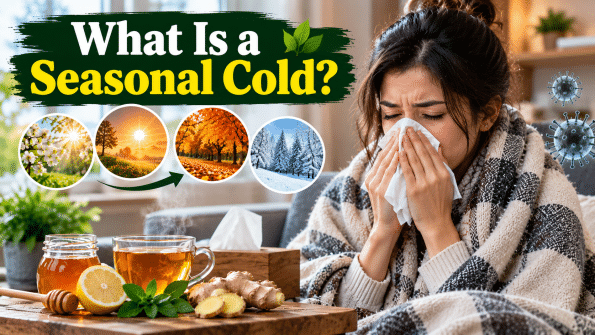
A seasonal cold is a common term used for cold-like symptoms that appear around seasonal or weather changes. A true common cold is usually caused by a viral infection affecting the upper respiratory tract.
More than one type of virus can cause a common cold. Rhinoviruses are among the most common causes, but other respiratory viruses can also produce similar symptoms.
Weather changes may indirectly increase the likelihood of respiratory infections because people may spend more time indoors and in close contact with others. Changes in temperature and humidity can also irritate the nose and throat or trigger allergy symptoms.
This is why some people notice that they frequently develop cough, sneezing, nasal congestion, or a sore throat when the weather changes.
Causes of Seasonal Cold
1. Viral Infections
The most common cause of an ordinary cold is a viral infection. Viruses can spread through respiratory droplets, close contact, and contaminated hands or surfaces.
A person may catch a cold after coming into contact with someone who is infected, particularly in crowded indoor environments.
2. Sudden Weather Changes
Sudden changes from hot to cold or cold to warm can affect the way some people feel. Cold and dry air may irritate the nasal passages and throat, making existing respiratory symptoms more noticeable.
Weather change itself does not create a virus, but it can coincide with conditions that make respiratory infections or irritation more common.
3. Seasonal Allergies
Not every “seasonal cold” is actually a cold.
Pollen, dust, mold, and other environmental allergens can cause allergic rhinitis, which may produce:
- Sneezing
- Runny nose
- Stuffy nose
- Watery eyes
- Itchy nose or throat
Unlike a viral cold, allergies generally do not cause fever and may continue as long as the person is exposed to the allergen.
4. Dry Air
Dry air can remove moisture from the nasal passages and throat. This may result in irritation, dryness, coughing, or a scratchy throat.
Using adequate fluids and maintaining comfortable indoor humidity may help reduce dryness.
5. Close Contact With Others
Respiratory viruses can spread more easily when people are in close contact. Schools, offices, public transport, markets, and crowded indoor spaces can increase opportunities for viral transmission.
Common Symptoms of Seasonal Cold

Symptoms can vary from person to person, but common cold symptoms may include:
- Runny nose
- Stuffy or blocked nose
- Sneezing
- Sore throat
- Mild cough
- Headache
- Mild body aches
- Tiredness
- Postnasal drip
- Watery eyes
- Mild fever in some people
Cold symptoms often develop gradually rather than appearing suddenly.
If symptoms are severe, persistent, or unusual, it is important to seek medical advice because other respiratory illnesses can produce similar symptoms.
Seasonal Cold vs Seasonal Allergy
It can sometimes be difficult to tell whether symptoms are caused by a cold or allergies.
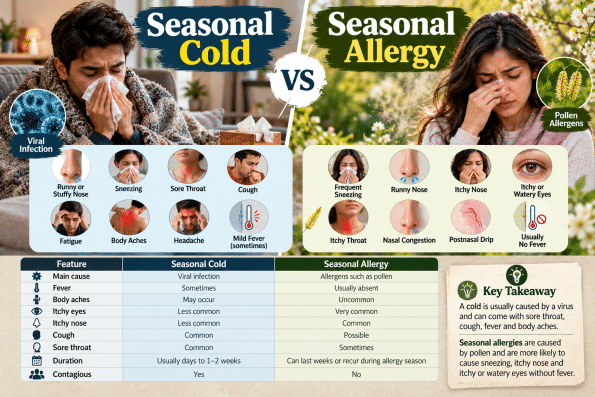
Common Cold
A cold is usually caused by a virus and may include:
- Sore throat
- Cough
- Fatigue
- Mild body aches
- Sometimes a low-grade fever
- Symptoms that usually improve within several days
Seasonal Allergy
Seasonal allergies are caused by exposure to allergens such as pollen. They commonly cause:
- Frequent sneezing
- Itchy eyes
- Watery eyes
- Itchy nose
- Runny nose
- Nasal congestion
Allergy symptoms can continue for weeks or recur whenever a person encounters the triggering allergen.
If you are unsure whether your symptoms are due to a cold or allergies, a healthcare professional can help identify the likely cause.
Natural Remedies for Seasonal Cold
Most uncomplicated colds can be managed with supportive care. Natural remedies may help make you more comfortable while your body recovers.
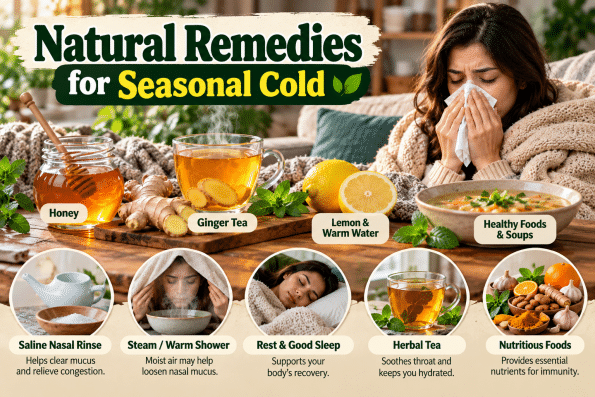
1. Honey for Cough and Sore Throat
Honey is one of the most popular traditional remedies for cough and throat discomfort.
A spoonful of honey or honey mixed into warm water or herbal tea may help soothe an irritated throat and reduce coughing, particularly at night.
A simple home drink can be prepared using:
- 1 cup warm water
- 1 teaspoon honey
- A small amount of fresh lemon juice
Mix the ingredients and drink while warm.
Honey should never be given to babies younger than 12 months because of the risk of infant botulism.
People with diabetes should also consider the sugar content of honey and use it appropriately within their dietary plan.
2. Ginger Tea
Ginger has a long history of traditional use for digestive and respiratory comfort.
You can prepare a simple ginger drink by adding a few slices of fresh ginger to hot water and allowing it to steep for several minutes.
Some people add honey and lemon for flavor and additional soothing effects.
3. Warm Fluids
Drinking enough fluids is important when you have a cold.
Warm beverages such as:
- Herbal tea
- Warm water
- Broth
- Warm lemon and honey water
can help keep you hydrated and may provide temporary relief from throat irritation.
4. Steam and Warm Shower
Warm, moist air may temporarily help loosen nasal mucus and make breathing through a congested nose more comfortable.
A warm shower can provide this effect naturally.
Avoid very hot steam because it can cause burns, especially in children.
5. Saline Nasal Rinse
A saline nasal spray or rinse can help remove mucus and irritants from the nasal passages.
If using a homemade nasal rinse, it is important to use properly prepared sterile, distilled, or previously boiled and cooled water rather than untreated tap water.
6. Rest and Sleep
Adequate rest is an important part of recovery.
When you are experiencing a cold, try to maintain a regular sleep schedule and avoid unnecessary physical strain.
Good-quality sleep also supports normal immune function.
7. Nutritious Foods
During illness, focus on simple, nutritious foods that are easy to tolerate.
Good options include:
- Fresh fruits
- Vegetables
- Soups
- Eggs
- Yogurt
- Whole grains
- Nuts and seeds
- Protein-rich foods
A balanced diet provides the nutrients your body needs during recovery.
Treatment for Seasonal Cold
There is generally no specific cure for an ordinary common cold. Treatment is usually focused on managing symptoms while the immune system clears the infection.
Helpful measures may include:
- Getting adequate rest
- Drinking plenty of fluids
- Using saline nasal sprays
- Drinking warm fluids
- Using honey for cough in adults and children over 1 year
- Using appropriate over-the-counter medicines when necessary and according to the label
Antibiotics do not treat viral common colds because antibiotics work against bacteria, not viruses.
If you have a chronic medical condition, take prescription medicines, are pregnant, or are treating a child, consult a healthcare professional before using medicines or concentrated herbal products.
How to Prevent Seasonal Cold
Although it is impossible to prevent every cold, several healthy habits can reduce the spread of respiratory infections.
Wash Your Hands Regularly
Wash your hands with soap and water, particularly after being in public places and before eating.
Avoid Touching Your Face
Try to avoid frequently touching your eyes, nose, and mouth with unwashed hands.
Keep Your Surroundings Clean
Frequently touched surfaces such as phones, door handles, keyboards, and countertops should be cleaned regularly.
Avoid Close Contact With Sick People
If someone has respiratory symptoms, maintaining reasonable distance and improving ventilation can reduce exposure.
Improve Indoor Ventilation
Fresh air and good ventilation can help reduce the concentration of respiratory particles indoors.
Maintain a Healthy Lifestyle
A healthy lifestyle supports overall immune health. Focus on:
- Balanced nutrition
- Regular physical activity
- Adequate sleep
- Good hydration
- Stress management
When Should You See a Doctor?
Most common colds are mild, but certain symptoms require medical attention.
Contact a healthcare professional if you experience:
- Difficulty breathing
- Chest pain
- Persistent high fever
- Severe weakness
- Confusion
- Dehydration
- Symptoms that become significantly worse
- Symptoms that do not improve as expected
- Severe or persistent sinus or ear pain
People with asthma, heart disease, lung disease, diabetes, weakened immunity, or other chronic conditions may need medical advice earlier.
Young children, older adults, pregnant women, and people with significant underlying conditions should also seek appropriate medical guidance when symptoms are concerning.
Can Honey Prevent Seasonal Cold?
Honey can be a useful traditional food for soothing a cough or irritated throat, but it should not be considered a guaranteed way to prevent viral infections.
The best prevention strategies remain good hygiene, reducing exposure to respiratory infections, adequate sleep, balanced nutrition, and appropriate vaccination where recommended.
Honey can be included as part of a healthy diet and may be especially pleasant in warm herbal tea during a cold.
Final Thoughts
Seasonal Cold is a common problem that many people associate with changing weather. While temperature changes themselves do not directly cause viral infections, seasonal conditions can coincide with increased exposure to respiratory viruses, dry air, allergies, and other factors that produce cold-like symptoms.
Common symptoms include runny nose, sneezing, nasal congestion, sore throat, cough, fatigue, and mild body aches.
Most uncomplicated colds improve with time and supportive care. Simple natural remedies such as honey, ginger tea, warm fluids, saline nasal rinses, adequate hydration, and plenty of rest may help relieve symptoms and make recovery more comfortable.
Honey is particularly popular as a traditional remedy for cough and throat irritation, but it should not be given to children under one year of age.
If symptoms are severe, persistent, or accompanied by breathing difficulties, chest pain, dehydration, or other concerning signs, seek medical advice rather than relying solely on home remedies.
Disclaimer: This article is for educational purposes only and is not intended to diagnose, treat, cure, or prevent any disease. Natural remedies and herbal products should be used responsibly. Consult a qualified healthcare professional if symptoms are severe, persistent, or if you have an existing medical condition.
Frequently Asked Questions
Is seasonal cold caused by weather change?
A common cold is usually caused by a virus, not by cold weather itself. Weather changes can, however, coincide with increased viral exposure, dry air, or allergies that cause similar symptoms.
Is honey good for seasonal cold?
Honey may help soothe an irritated throat and cough. It can be mixed with warm water or tea. Honey should not be given to children under 12 months.
What is the best natural remedy for seasonal cold?
There is no single best remedy for everyone. Rest, adequate fluids, warm beverages, honey for cough, saline nasal care, and nutritious food can provide supportive relief.
How long does a common cold last?
Many uncomplicated colds improve within about one to two weeks, although cough or nasal symptoms can sometimes last longer.
Can weather change cause a runny nose?
Yes, changes in temperature, humidity, and exposure to allergens can trigger a runny nose. A viral infection can also cause a runny nose.
What should I drink during a seasonal cold?
Water, warm herbal tea, broth, and warm lemon-and-honey drinks can help maintain hydration and soothe the throat.
Are antibiotics needed for a common cold?
Usually no. Most common colds are caused by viruses, while antibiotics are designed to treat bacterial infections. A healthcare professional should determine whether antibiotics are appropriate.