Introduction
High blood sugar is a common health concern, especially among people with prediabetes and type 2 diabetes. Many people are interested in natural approaches that may support healthy blood glucose levels, including herbs, spices, and traditional plant-based remedies.
Cinnamon, fenugreek, bitter melon, and ginger are among the ingredients studied for their possible effects on blood sugar. Some research has reported improvements in certain glucose measurements, but the results are inconsistent, and the evidence is not strong enough to recommend herbal supplements as a replacement for diabetes treatment. The American Diabetes Association does not recommend routine herbal supplementation to improve blood glucose control.
In this article, we explore what scientific research says about commonly discussed herbs, how to use them more safely in everyday food, and why medical monitoring remains important.
What Is Blood Sugar?

Blood sugar, also called blood glucose, is the main sugar found in the bloodstream. The body uses glucose as an important source of energy.
Insulin, a hormone produced by the pancreas, helps glucose move from the bloodstream into cells. When the body does not produce enough insulin or cannot use it effectively, blood glucose levels can become too high.
Persistently elevated blood sugar may lead to diabetes-related complications affecting the eyes, kidneys, nerves, heart, and blood vessels.
Common symptoms of high blood sugar may include:
- Increased thirst
- Frequent urination
- Tiredness or weakness
- Blurred vision
- Unexplained weight loss in some cases
Some people with type 2 diabetes may have few noticeable symptoms. Blood tests, including fasting blood glucose and HbA1c, help identify and monitor the condition.
Can Herbs Help Manage Blood Sugar?
Some herbs contain plant compounds that researchers are investigating for possible effects on glucose absorption, insulin activity, and metabolism. However, laboratory findings do not necessarily mean that an herb will produce the same effect in humans.
Clinical studies of herbal supplements often involve small groups of participants, different preparations, varying doses, and short treatment periods. This makes the results difficult to compare.
The current evidence does not establish any herbal supplement as a reliable stand-alone treatment for diabetes. Herbs are best considered potential complementary options to discuss with a qualified healthcare professional, not alternatives to prescribed medicine.
1. Cinnamon for Blood Sugar Support
Cinnamon is a popular spice used in cooking, beverages, and traditional wellness practices. Researchers have investigated whether cinnamon supplements may influence fasting blood glucose and insulin resistance.
What does research say?
Some clinical trials and reviews have reported reductions in fasting blood glucose among people with prediabetes or type 2 diabetes. Other studies have found little or no benefit. Differences in cinnamon species, preparations, doses, and study quality make the findings uncertain.
The National Center for Complementary and Integrative Health concludes that the evidence is not clear enough to establish cinnamon as an effective diabetes treatment.
How can cinnamon be used?
Cinnamon can be added in small culinary amounts to:
- Oatmeal and whole-grain porridge
- Unsweetened tea
- Plain yogurt
- Home-cooked meals
Using cinnamon as a food spice is different from taking concentrated supplements.
Safety precautions
Cassia cinnamon contains coumarin, a compound that may harm the liver when consumed in large amounts over time. People with liver disease should be particularly cautious about concentrated cinnamon products. Anyone taking diabetes medicine should discuss supplements with their healthcare professional.
2. Fenugreek Seeds (Methi)
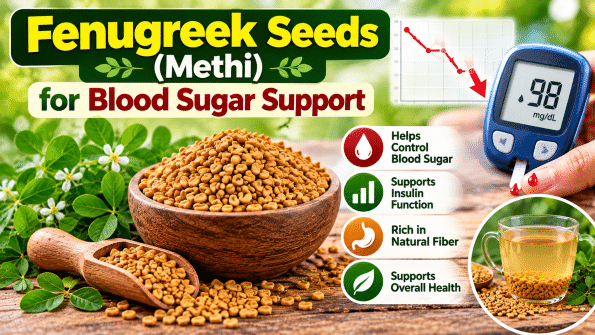
Fenugreek is a traditional culinary and medicinal plant. Its seeds contain soluble fiber and other compounds that have attracted interest in blood sugar research.
Potential benefits
Fenugreek fiber may influence how quickly carbohydrates are digested and absorbed. Some small studies have reported improvements in glucose measurements, but the quality and consistency of the evidence remain limited.
Fenugreek is also used in cooking, where it can contribute fiber and flavor to a balanced diet.
How can fenugreek be included in the diet?
Fenugreek seeds can be used in:
- Vegetable dishes and lentil recipes
- Curries and spice mixtures
- Other meals as part of a balanced eating pattern
There is no universally established herbal dose for treating diabetes, so concentrated preparations should not be self-prescribed.
Safety precautions
Fenugreek may cause diarrhea, gas, or other digestive symptoms. It can also affect blood sugar and interact with glucose-lowering medicines. People who are pregnant should avoid medicinal doses unless specifically advised by a qualified clinician.
3. Bitter Melon (Karela)
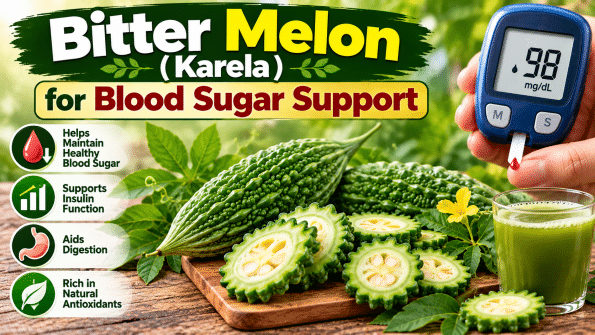
Bitter melon, commonly known as karela, is a vegetable widely used in South Asian cooking and traditional herbal practices.
What are the possible benefits?
Researchers have studied bitter melon because it contains several biologically active compounds that may affect glucose metabolism. However, human studies have not provided sufficiently consistent evidence to establish it as an effective diabetes treatment.
Eating bitter melon as part of a varied diet is different from using concentrated extracts or supplements.
How can it be consumed?
Bitter melon can be prepared as:
- A cooked vegetable
- An ingredient in mixed vegetable dishes
- A small component of a balanced meal
Bitter melon juice and extracts should not be treated as proven methods for lowering blood sugar.
Safety precautions
Bitter melon products may cause digestive discomfort and could increase the risk of low blood sugar when combined with diabetes medicines. Pregnant people should avoid medicinal use because some preparations may pose risks.
4. Ginger (Adrak)
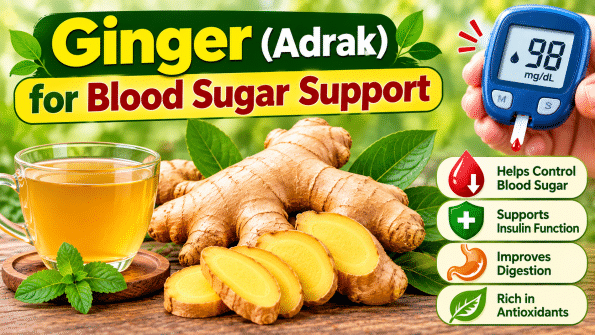
Ginger is a familiar kitchen ingredient used in foods, teas, and traditional remedies. It contains compounds called gingerols and related substances that researchers have investigated for their biological effects.
What does research suggest?
Some studies have explored ginger supplements in people with type 2 diabetes and reported improvements in selected metabolic measurements. However, results are not sufficiently consistent to establish ginger as a reliable blood sugar treatment.
Ginger may be included in a balanced diet, but drinking ginger tea or consuming ginger alone should not be expected to control diabetes.
Everyday uses
Fresh ginger can be added to:
- Vegetable soups
- Lentil dishes
- Cooked vegetables
- Unsweetened ginger tea
Avoid adding excessive sugar or honey to drinks if you are managing blood glucose.
Safety precautions
Concentrated ginger supplements may cause heartburn or digestive discomfort and may interact with some medicines. Seek professional advice before using medicinal amounts, especially if you take several medications.
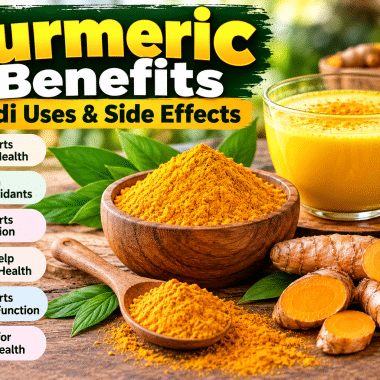
5. Turmeric (Haldi)
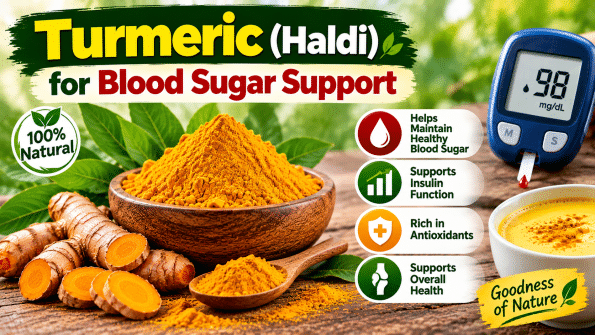
Turmeric is a yellow spice used in many South Asian meals. Curcumin, one of its best-known compounds, has been investigated for its potential effects on inflammation and metabolic health.
What does research say?
Some studies have examined curcumin supplements in people with prediabetes or type 2 diabetes. Although certain results appear promising, the available evidence does not justify routinely recommending turmeric or curcumin supplements for blood sugar control.
Turmeric remains a useful culinary spice, but it should not be promoted as a cure for diabetes.
How can turmeric be used?
Turmeric can be included in:
- Lentil and vegetable dishes
- Soups and stews
- Other home-cooked meals
Safety precautions
Concentrated curcumin supplements can cause digestive problems and may interact with medicines. Some high-bioavailability turmeric products have also been associated with liver injury. People with liver or gallbladder problems should seek medical advice before taking concentrated products.
6. Berberine-Containing Plants
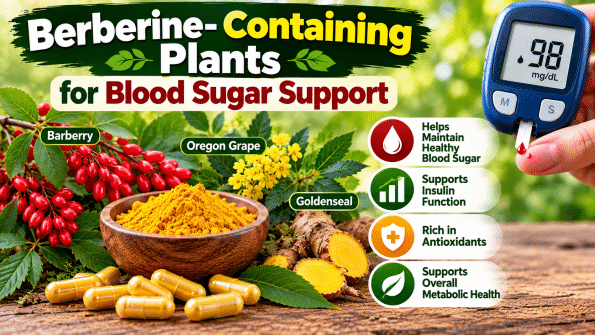
Berberine is a plant-derived compound found in several botanical sources. It is frequently discussed online as a natural option for metabolic health.
What does research say?
Some studies suggest that berberine may influence glucose regulation. However, research limitations, product differences, and uncertainty about long-term safety prevent it from being considered a proven substitute for standard diabetes treatment.
Berberine is a concentrated active compound, not simply an ordinary culinary herb.
Important safety information
Berberine can cause gastrointestinal side effects and may interact with many medications. It should be avoided during pregnancy and breastfeeding and should not be given to infants. Consult a qualified healthcare professional before considering it.
7. Other Herbs Studied for Blood Sugar
Researchers have also examined ginseng, aloe vera, milk thistle, and other botanical products.
Some reviews have reported changes in fasting glucose or HbA1c with selected supplements. However, study limitations and inconsistent results make it difficult to determine which products, if any, offer meaningful and dependable benefits.
No single herb has been established as a cure for diabetes. More rigorous research is needed to clarify effectiveness, suitable preparations, dosage, and long-term safety.
Natural Ways to Support Healthy Blood Sugar
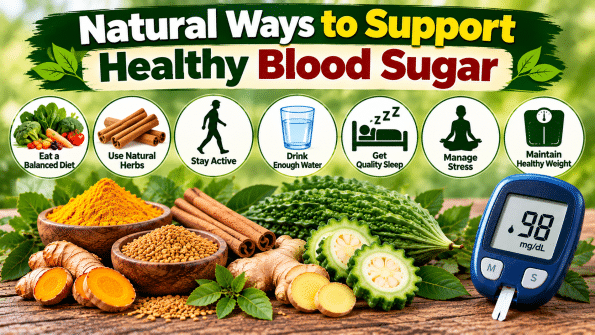
Herbal supplements are not the foundation of diabetes management. The following everyday habits have a stronger role in supporting overall health.
1. Eat balanced meals
Include vegetables, appropriate portions of whole grains, protein-rich foods, and sources of healthy fats. Choose carbohydrate portions that fit your individual nutrition plan.
2. Increase fiber intake
Beans, lentils, vegetables, oats, and other fiber-rich foods can support digestive health and help manage the rise in blood glucose after meals.
3. Limit sugary drinks
Reduce soft drinks, sweetened juices, and heavily sweetened tea. Water and unsweetened drinks are generally better everyday choices.
4. Stay physically active
Regular movement can support insulin sensitivity and overall metabolic health. Choose an activity appropriate for your ability and medical circumstances.
5. Monitor blood glucose
Follow your healthcare professional’s recommendations for glucose monitoring and HbA1c testing. Monitoring helps determine whether your current treatment plan is working.
6. Take prescribed medication
Do not stop, reduce, or replace prescribed diabetes medication with herbs, supplements, or homemade remedies without medical guidance.
Are Herbal Remedies Safe for People with Diabetes?
Natural products are not automatically safe. The concentration of active ingredients can vary substantially between products, and some supplements may contain contaminants or undeclared substances.
Before using an herbal supplement:
- Tell your healthcare professional which product you are considering.
- Check for interactions with your current medicines.
- Avoid products claiming to cure diabetes or replace medication.
- Be especially cautious if you have kidney disease, liver disease, or are pregnant.
- Monitor for symptoms of low blood sugar if your treatment carries that risk.
People with diabetes may already have an increased risk of kidney complications, making unsupervised use of supplements particularly concerning.
Frequently Asked Questions
Can cinnamon cure diabetes?
No. Cinnamon has not been established as a cure for diabetes. Evidence for its effects on blood glucose remains inconsistent.
Which herb is best for lowering blood sugar?
No herb has been proven to reliably control diabetes on its own. Cinnamon, fenugreek, bitter melon, and berberine have been studied, but the evidence and safety considerations differ.
Can I use herbs with diabetes medicine?
Some people may consider complementary products, but certain herbs can interact with diabetes medication or increase the risk of low blood sugar. Consult your healthcare professional before combining them.
Is fenugreek water good for diabetes?
There is not enough reliable evidence to recommend fenugreek water as a treatment for diabetes. It should not replace prescribed medication, blood glucose monitoring, or a balanced diet.
Can herbal remedies prevent diabetes?
No herbal supplement has been established as a reliable way to prevent diabetes. Healthy eating, physical activity, weight management when appropriate, and recommended screening are important for reducing risk.
Is natural blood sugar management possible without medication?
Some people with prediabetes may improve their glucose levels through lifestyle changes. People with diagnosed diabetes need an individualized treatment plan, which may include medication. Do not delay or discontinue necessary treatment in favor of herbal remedies.
Conclusion
Herbs such as cinnamon, fenugreek, bitter melon, ginger, and turmeric are being studied for their possible effects on blood sugar. Some studies have reported encouraging findings, but the overall evidence remains insufficient to establish herbal supplements as reliable diabetes treatments.
For people living with diabetes, the safest approach is to combine evidence-based medical care with balanced nutrition, regular physical activity, appropriate glucose monitoring, and professional guidance about supplements.
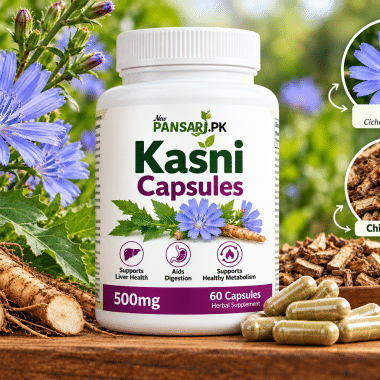
At New Pansari, our goal is to provide educational information about herbs and traditional ingredients while encouraging informed decisions, responsible product use, and realistic health expectations.
Medical disclaimer: This article is for educational purposes only. It does not diagnose, treat, or cure diabetes and is not a substitute for professional medical advice.