Introduction
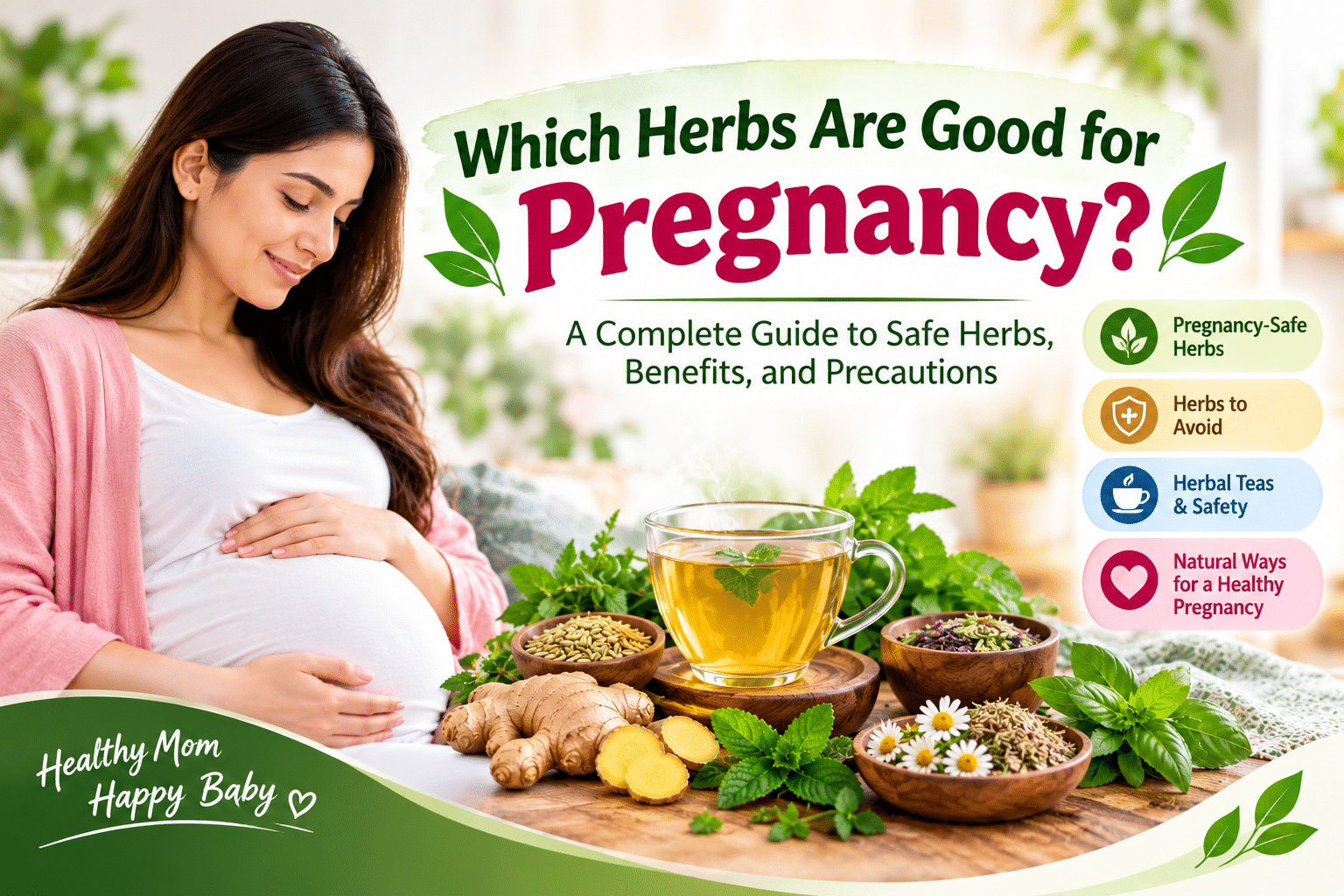
Pregnancy is an important stage of life when a woman needs extra care, balanced nutrition, and reliable health information. Many women look for natural ways to manage common pregnancy symptoms, such as nausea, vomiting, digestive discomfort, and changes in appetite. Herbs have been used in traditional medicine for generations, but not every herb is safe for pregnant women.
Understanding which herbs are good for pregnancy requires more than knowing their traditional uses. The safety of an herb depends on its ingredients, quantity, preparation, and the stage of pregnancy. An herb used safely in a normal meal may not be safe when consumed as a concentrated extract, medicinal tea, or herbal capsule.
Important: This article provides general educational information. Pregnant women should consult a qualified healthcare professional before using herbal remedies or supplements.
1. Understanding Herbs During Pregnancy
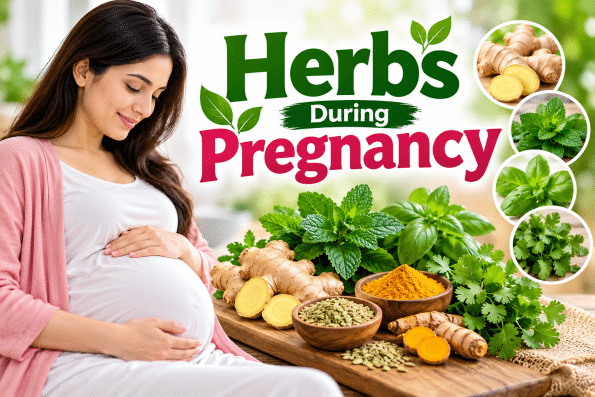
Herbs are plants or plant parts used for flavoring food, preparing drinks, or making traditional remedies. Common examples include ginger, mint, coriander, basil, and fenugreek.
Although herbs are natural, natural does not automatically mean safe. Some plants contain compounds that may affect the uterus, hormones, blood sugar, blood pressure, or the way medicines work in the body.
There is also an important difference between culinary herbs and medicinal herbal products.
- Culinary herbs: Small amounts used to prepare everyday meals.
- Herbal teas: Drinks prepared by steeping herbs in hot water. Their strength can vary.
- Herbal supplements: Capsules, tablets, powders, and concentrated extracts.
- Traditional herbal mixtures: Combinations of several ingredients, sometimes with uncertain quantities.
Normal culinary use is generally less concerning than concentrated medicinal use. However, the safety of each ingredient should still be considered. Many herbal supplements have not been adequately studied in pregnant women.
2. Ginger (Adrak)
Some research suggests that ginger may help reduce mild nausea and vomiting during pregnancy. It is commonly used in cooking, soups, and other foods.
Potential uses include:
- Helping relieve mild pregnancy-related nausea.
- Adding flavor to meals.
- Providing an alternative flavoring ingredient when appetite changes.
How can ginger be used?
Ginger can be included in ordinary meals or foods in modest amounts. However, ginger supplements, concentrated ginger shots, and medicinal preparations should not be started without medical advice.
Ginger may cause heartburn, stomach discomfort, or diarrhea in some people. Its suitability can also depend on existing medical conditions and medications.
The NHS and the US National Center for Complementary and Integrative Health recognize that ginger may help with pregnancy-related nausea while advising professional guidance before using supplements.
3. Mint (Podina)
Mint is a familiar culinary herb used in many South Asian dishes, chutneys, salads, and drinks.
Potential uses of mint
Mint adds a refreshing flavor to food and can make meals more enjoyable. Some people also use mint tea as a traditional remedy for digestive discomfort.
However, evidence supporting medicinal mint preparations during pregnancy is limited. Strong mint teas and concentrated extracts should not be assumed safe simply because fresh mint is commonly eaten.
Mint may also worsen acid reflux or heartburn in some individuals.
Safety recommendations
Pregnant women can discuss ordinary culinary use with their healthcare professional, especially if they have specific medical conditions. Before using mint capsules, concentrated oils, or medicinal preparations, seek professional advice.
Never swallow essential oils as a home remedy during pregnancy.
4. Coriander (Dhania)
Coriander is widely used in Pakistani, Indian, and other cuisines. Its fresh leaves and seeds add flavor to curries, soups, vegetables, and other dishes.
Potential benefits
Coriander contributes flavor and variety to a balanced diet. Fresh coriander can be part of meals that provide vegetables and other nutritious ingredients.
However, there is insufficient reliable evidence to recommend coriander as a treatment for pregnancy-related problems.
How should pregnant women use coriander?
Normal quantities used in cooking are generally a reasonable food choice. Wash fresh coriander thoroughly under clean running water before eating it raw.
Avoid using concentrated coriander extracts, medicinal doses, or herbal mixtures without first checking their safety with a healthcare professional.
5. Basil (Tulsi or Niazbo)
Basil is an aromatic plant used in different cuisines and traditional herbal practices. Holy basil, commonly called tulsi, is not exactly the same as every culinary basil variety.
Traditional uses of basil
Basil is traditionally used in herbal preparations and foods. Nevertheless, traditional use does not establish that a plant is safe during pregnancy.
Is basil safe during pregnancy?
Small culinary quantities of ordinary basil are different from concentrated holy basil supplements or medicinal extracts. Reliable pregnancy-safety evidence for medicinal use of tulsi is limited.
Pregnant women should avoid self-prescribing tulsi capsules, concentrated extracts, and strong medicinal preparations.
If a product contains basil alongside other herbs, check every ingredient with a qualified healthcare professional before using it.
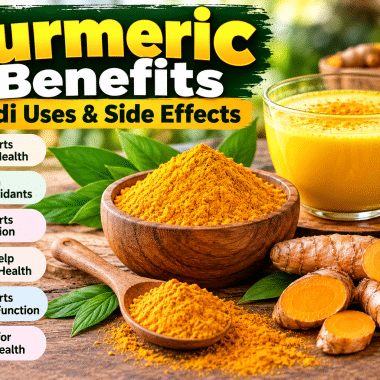
6. Turmeric (Haldi)
Turmeric, scientifically known as Curcuma longa, is a common spice used in South Asian cooking. It contains curcumin and other naturally occurring compounds.
Turmeric in everyday meals
Turmeric is used to add color and flavor to foods such as lentils, vegetables, and curries. Ordinary culinary quantities are different from high-dose turmeric or curcumin supplements.
Turmeric supplements during pregnancy
Concentrated curcumin products have not been adequately established as safe during pregnancy. Pregnant women should not use high-dose turmeric supplements or medicinal preparations without medical advice.
Turmeric should not be presented as a proven treatment for pregnancy complications, inflammation, or other medical conditions.
Practical advice: Use spices as part of normal cooking rather than taking concentrated herbal products for medicinal purposes.
7. Fennel (Saunf)
Fennel is a fragrant plant whose seeds are commonly used in traditional food preparation and digestive remedies.
Traditional uses of fennel
Fennel is traditionally associated with digestion and relief from gas. However, evidence supporting its medicinal use during pregnancy is limited.
Pregnancy precautions
Fennel seeds, strong fennel tea, essential oils, and concentrated extracts may produce different levels of exposure to their active compounds. Their safety during pregnancy is not sufficiently established for routine medicinal use.
Pregnant women should consult their healthcare professional before using fennel as a remedy, especially in concentrated forms.
Do not assume that a traditional digestive preparation is suitable for pregnancy merely because it is commonly used in the community.
8. Which Herbs Should Be Avoided During Pregnancy?
Some herbs have specific safety concerns, while many others simply lack enough reliable evidence to establish their safety. The following products deserve particular caution.
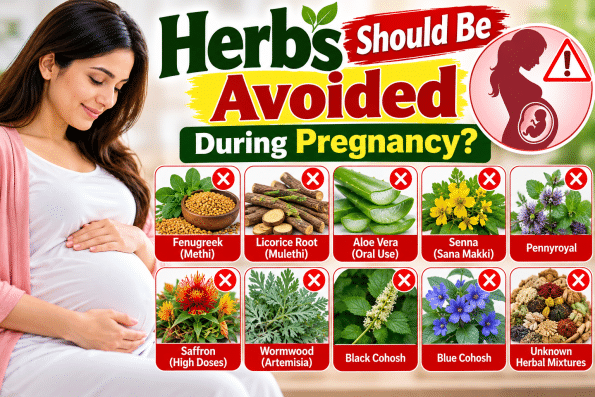
Fenugreek (Methi)
Fenugreek is used as a spice and traditional herbal ingredient. However, the NIH’s National Center for Complementary and Integrative Health states that fenugreek is not safe during pregnancy in amounts greater than those normally found in food. Medicinal amounts may increase pregnancy risks.
Avoid fenugreek supplements and medicinal doses during pregnancy unless a qualified healthcare professional provides specific guidance.
Licorice Root (Mulethi)
Licorice root is used in traditional remedies for various complaints. It should not be treated as a routine pregnancy remedy because concerns exist about its effects and safety.
Avoid medicinal licorice products unless specifically approved by your pregnancy-care professional.
Aloe Vera Taken Orally
Some oral aloe products contain latex compounds with laxative effects. Oral aloe latex and aloe products used as laxatives should be avoided during pregnancy.
Do not confuse oral preparations with products intended for external skin use.
Senna (Sana Makki)
Senna is a stimulant laxative used to relieve constipation. It should not be used routinely as a self-prescribed herbal remedy during pregnancy. Ask a healthcare professional about suitable constipation treatments.
Pennyroyal and Other Strong Traditional Remedies
Pennyroyal oil is particularly dangerous and should never be used as a pregnancy remedy. Other herbs marketed to stimulate menstruation, induce labor, or cause uterine contractions should also be avoided unless their use is specifically directed by a qualified obstetric professional.
Herbal Products With Unknown Ingredients
Avoid unlabelled powders, homemade mixtures of uncertain composition, and products making claims to cleanse the womb, prevent miscarriage, or guarantee an easy delivery.
The safety of a product cannot be determined from its brand name or traditional reputation alone.
For general guidance, consult the and discuss all supplements with your healthcare professional.
9. Natural Ways to Support a Healthy Pregnancy
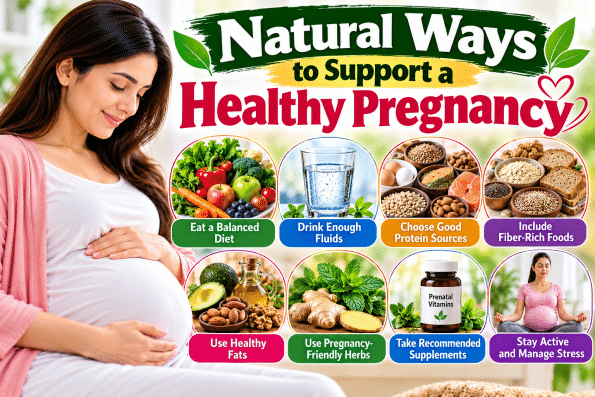
Herbs are only a small part of pregnancy nutrition. A balanced diet, adequate hydration, appropriate supplementation, and regular antenatal care are more important for supporting maternal and fetal health.
Eat a balanced diet
Include a variety of foods such as:
- Freshly washed fruits and vegetables.
- Whole grains and other fiber-rich foods.
- Lentils, beans, and other suitable protein sources.
- Eggs, fish, meat, or other protein foods prepared safely.
- Pasteurized milk and other appropriate dairy products.
- Nuts and seeds, where suitable and safe.
Food choices should reflect individual dietary needs, allergies, and medical advice.
Drink enough fluids
Water is a good everyday choice. Sip fluids regularly, particularly if nausea makes drinking difficult.
If vomiting prevents you from keeping fluids down, seek medical advice promptly.
Take recommended prenatal supplements
Folic acid, iron, vitamin D, and other nutrients may be recommended depending on the stage of pregnancy and individual needs. The exact requirements should be discussed with a healthcare professional.
Herbal supplements are not substitutes for recommended prenatal vitamins or medically prescribed treatments.
Attend antenatal appointments
Regular antenatal care helps monitor the mother’s health, the baby’s development, and potential complications. Tell your doctor or midwife about every herbal product, supplement, or traditional remedy you use.
10. Herbs for Morning Sickness: What Does the Evidence Say?
Morning sickness is common during pregnancy, particularly in the early weeks. Despite its name, nausea can occur at any time of the day.
Ginger has been studied more extensively than many other herbs for pregnancy-related nausea. Some research suggests it may reduce symptoms, although the evidence does not establish that every ginger product or dose is safe for every pregnant woman.
Other approaches that may help include:
- Eating small, frequent meals.
- Trying plain foods if strong smells trigger nausea.
- Drinking fluids in small, frequent sips.
- Avoiding foods or odors that make symptoms worse.
- Asking a healthcare professional about suitable treatment if symptoms continue.
If nausea or vomiting is severe, medical treatment may be necessary. Do not delay care while trying multiple herbal remedies.
11. Are Herbal Teas Safe During Pregnancy?
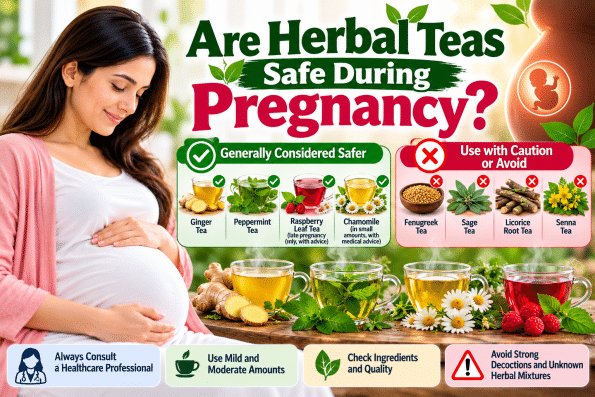
Herbal teas are often marketed as natural wellness drinks, but their safety varies considerably.
A tea made from a single, familiar ingredient may differ from a strong decoction containing several medicinal herbs. The amount of each ingredient, preparation method, frequency of use, and product quality all matter.
Before drinking an herbal tea regularly during pregnancy:
- Check the complete ingredient list.
- Avoid products with unknown or undisclosed ingredients.
- Do not assume that caffeine-free means pregnancy-safe.
- Avoid concentrated medicinal decoctions without professional approval.
- Ask a doctor or pharmacist about possible interactions with medicines.
Special caution is appropriate with herbal mixtures promoted for fertility, menstruation, weight loss, detoxification, or labor induction.
12. Important Safety Tips for Pregnant Women
Follow these precautions when considering herbs during pregnancy:
- Consult your obstetrician, doctor, or pharmacist before starting an herbal remedy.
- Prefer ordinary food use over concentrated extracts or supplements when appropriate.
- Do not stop prescribed medication in favor of herbal treatments.
- Check for interactions with blood thinners, diabetes medicines, and other prescribed drugs.
- Choose products with clear ingredient lists and reliable quality controls.
- Do not use herbs to induce labor or treat bleeding, severe pain, or other pregnancy complications.
- Tell your healthcare professional about any herbal product you have already taken.
Seek urgent medical care for vaginal bleeding, severe abdominal pain, fainting, severe dehydration, or persistent vomiting that prevents you from keeping fluids down.
13. Frequently Asked Questions About Pregnancy-Safe Herbs
Which herb is best for pregnancy?
There is no single herb that is best for every pregnancy. Ginger has some evidence supporting its use for mild nausea, but supplements should be discussed with a healthcare professional. A balanced diet and appropriate antenatal care remain essential.
Is ginger safe during pregnancy?
Ginger used in ordinary foods is generally considered less concerning than concentrated supplements. It may help reduce nausea, but pregnant women should consult a healthcare professional before taking ginger capsules or concentrated products.
Can pregnant women drink mint tea?
Pregnancy-safety evidence for medicinal mint teas is limited. Occasional culinary use differs from regular, strong herbal tea. Ask a healthcare professional before using mint tea as a treatment.
Is fenugreek safe during pregnancy?
Fenugreek in amounts greater than those normally found in food is not considered safe during pregnancy. Avoid medicinal doses and supplements.
Can herbs prevent miscarriage?
No herb has been established as a reliable way to prevent miscarriage. Claims that herbal products can guarantee a healthy pregnancy or prevent pregnancy loss should not be trusted.
Are herbal capsules safe during pregnancy?
Not necessarily. Herbal capsules may contain concentrated ingredients, variable doses, contaminants, or substances that interact with medicines. Use them only after professional review.
Which herbs help with constipation during pregnancy?
Before using senna or other herbal laxatives, consult your healthcare professional. Drinking enough water, eating fiber-rich foods, and staying physically active when medically appropriate may help. A clinician can recommend a suitable treatment if needed.
Can herbs help prepare the uterus for delivery?
Some traditional remedies are promoted for preparing the uterus or inducing labor, but safety and effectiveness vary. Do not use labor-inducing herbs without direct guidance from your obstetric team.
Conclusion
Choosing herbs during pregnancy requires careful attention to safety, evidence, and individual health needs. Ginger may help some women with mild pregnancy-related nausea, while culinary herbs such as mint, coriander, and basil can add variety to everyday meals. However, medicinal teas, concentrated extracts, capsules, and traditional herbal mixtures require much greater caution.
Fenugreek in medicinal amounts, oral aloe latex, pennyroyal oil, and other potentially harmful remedies should be avoided. No herbal product should replace prenatal vitamins, prescribed treatment, or regular pregnancy care.
At New Pansari, our goal is to encourage informed decisions about herbs and traditional wellness. Pregnant women should always check with a qualified healthcare professional before using herbal remedies, especially during the first trimester or when taking other medicines.
Disclaimer: This article is for educational purposes only and does not provide medical diagnosis or treatment. Herbal products are not automatically safe during pregnancy. Always seek advice from a qualified healthcare professional before using medicinal herbs or supplements.