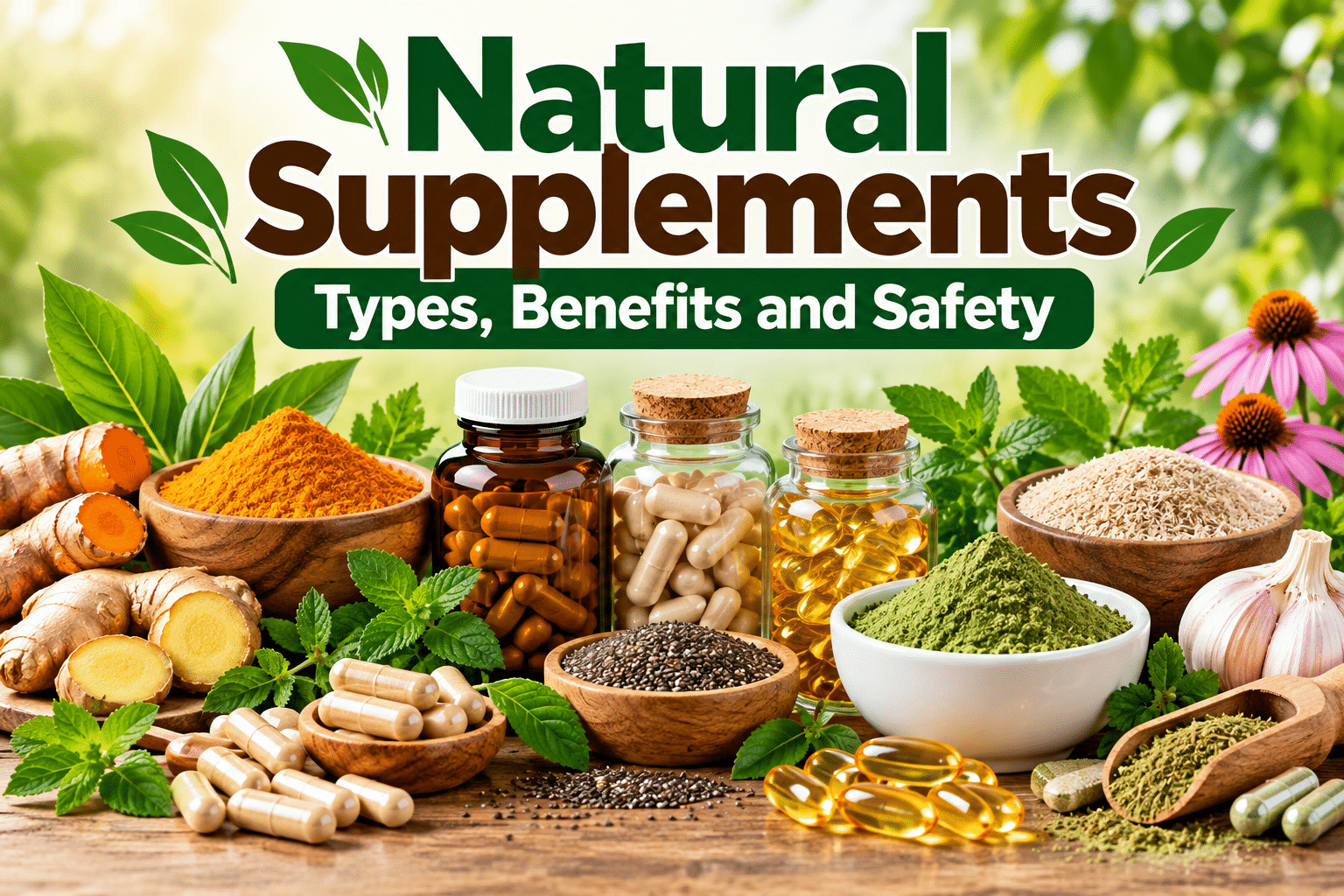
Natural supplements are widely used by people who want to support their general health, improve their diet, or add specific nutrients to their daily routine. They include vitamins, minerals, herbal extracts, plant-based powders, probiotics, and other ingredients derived from natural sources.
Although natural supplements can be useful in certain situations, natural does not automatically mean safe or effective. Their benefits depend on the ingredients, dosage, product quality, individual health needs, and scientific evidence.
In this guide, you will learn what natural supplements are, the different types available, their potential benefits, possible side effects, and how to choose quality products.
What Are Natural Supplements?
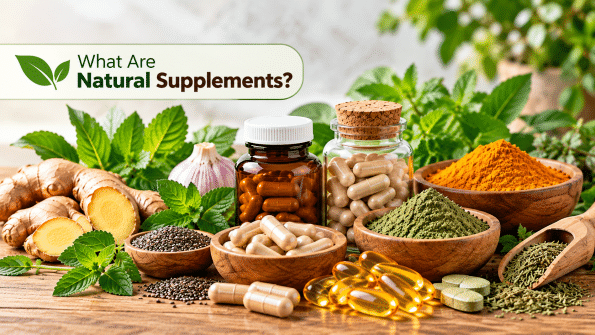
Natural supplements are products intended to supplement the diet with nutrients or other substances. They may contain vitamins, minerals, herbs, botanical extracts, amino acids, fatty acids, probiotics, or other dietary ingredients.
These products are commonly available as capsules, tablets, powders, liquids, gummies, and herbal teas.
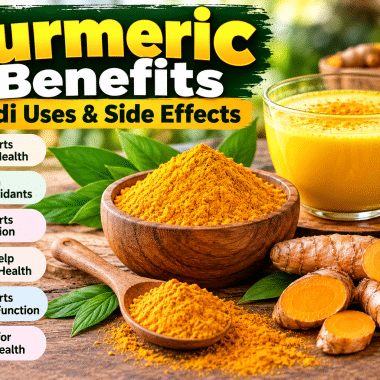
Examples include turmeric, ginger, psyllium husk, vitamin D, magnesium, and certain probiotic products.
Natural supplements are not intended to replace a balanced diet or prescribed medical treatment. Their usefulness depends on the specific ingredient and the reason for taking it.
Types of Natural Supplements
1. Herbal Supplements
Herbal supplements contain ingredients obtained from plants, including their roots, leaves, seeds, flowers, or other parts.
Common examples include:
- Turmeric
- Ginger
- Ashwagandha
- Peppermint
- Chamomile
- Garlic
- Milk thistle
Herbal supplements are traditionally used for different purposes, such as digestive comfort, relaxation, and general wellness. However, the evidence supporting their benefits varies considerably. Some herbs can also interact with prescription medicines.

2. Vitamins
Vitamins are essential nutrients that the body needs for normal growth, development, and physiological functions.
Examples include:
- Vitamin C
- Vitamin D
- Vitamin B12
- Vitamin A
- Vitamin E
- Vitamin K
Vitamins can be obtained from foods or supplements. Supplementation may be helpful when a person has a documented deficiency, increased nutritional requirements, or difficulty obtaining enough of a particular vitamin from their diet.
Taking excessive amounts of certain vitamins can cause harmful effects, particularly with fat-soluble vitamins such as A and D.
3. Minerals
Minerals support important functions such as bone health, muscle contraction, fluid balance, and normal nerve function.
Common mineral supplements include:
- Magnesium
- Zinc
- Iron
- Calcium
- Selenium
- Potassium
Not everyone needs mineral supplements. For example, iron supplements are generally most appropriate when iron deficiency or increased requirements have been identified. Excessive iron can be harmful.
4. Plant-Based Powders
Plant-based powders are made from seeds, roots, leaves, fruits, or other plant materials.
Examples include:
- Psyllium husk
- Moringa powder
- Beetroot powder
- Wheatgrass powder
- Ginger powder
- Turmeric powder
Some plant powders provide fiber or nutrients, while others are marketed for specific wellness purposes. Their nutritional content and effectiveness depend on the ingredient and preparation.
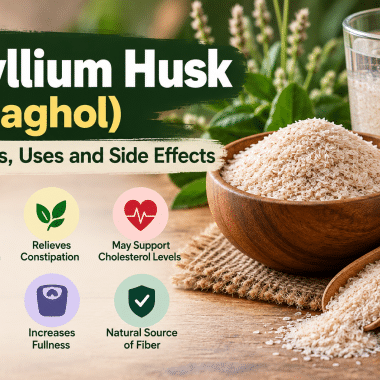
Psyllium husk, for example, provides soluble fiber that can help support regular bowel movements when taken with sufficient water.
5. Probiotics
Probiotics are live microorganisms that may provide health benefits when consumed in adequate amounts.
They are available in some fermented foods and dietary supplements. Different probiotic strains have different effects, so the benefits of one product cannot automatically be applied to another.
Some specific probiotics may help with certain digestive conditions, but results vary according to the strain, dosage, and individual circumstances.
People with serious illnesses or weakened immune systems should consult a healthcare professional before using probiotic supplements.
6. Omega-3 Fatty Acids
Omega-3 supplements may contain fish oil, algal oil, or other sources of omega-3 fatty acids.
These fats play important roles in normal body function. Fish and certain seafood are dietary sources, while algal oil can provide a plant-based alternative.
Supplementation may be useful for some people, particularly when recommended for a specific nutritional or medical reason. High doses can cause side effects and may affect bleeding risk or interact with certain medicines.
Potential Benefits of Natural Supplements
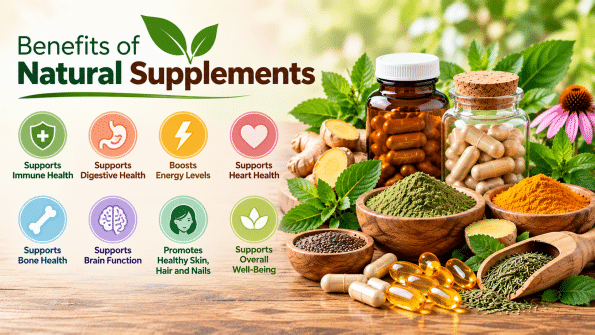
The benefits of natural supplements depend on their ingredients, the person’s nutritional status, and the quality of the scientific evidence.
1. Support Nutritional Needs
Supplements can help fill specific nutritional gaps when food intake is insufficient or requirements are increased.
For example, vitamin B12 may be important for people following certain restrictive diets, while vitamin D supplementation may be appropriate for people who do not get enough from dietary sources and sunlight.
2. Support Digestive Health
Certain supplements can help support normal digestive function.
Psyllium husk provides soluble fiber that can improve stool consistency and help relieve constipation. It should be taken with adequate fluid and separated from some medicines according to product instructions or professional advice.
Some probiotic strains may also help with particular digestive problems.
3. Support Bone Health
Calcium and vitamin D contribute to normal bone health. Supplements may be useful when dietary intake is insufficient or when a healthcare professional recommends them.
However, excessive supplementation is not necessarily more beneficial and may cause unwanted effects.
4. Support Normal Immune Function
Several nutrients, including vitamins C and D and zinc, play roles in normal immune function.
Correcting a deficiency can help restore normal physiological function. However, taking extra supplements does not guarantee protection against infections or prevent every illness.
5. Support General Well-Being
Some supplements may help address specific needs related to diet, age, lifestyle, or a diagnosed deficiency.
For example, magnesium contributes to normal muscle and nerve function. Whether supplementation is beneficial depends on the person’s dietary intake, health status, and other factors.
Natural supplements should not be considered a substitute for sleep, physical activity, a balanced diet, or appropriate medical care.
6. Provide Convenient Nutritional Support
Capsules and powders can be convenient for people who have difficulty meeting particular nutritional needs through food alone.
Nevertheless, food usually provides a wider range of nutrients and other beneficial compounds. Supplements are best used to complement an appropriate diet rather than replace it.
Are Natural Supplements Safe?
Natural supplements can be safe for many people when appropriately selected and used according to reliable guidance. However, safety varies by ingredient, dose, product quality, and individual health circumstances.
Potential risks include:
- Allergic reactions to specific ingredients.
- Digestive discomfort, nausea, or diarrhea.
- Harm from excessive doses of vitamins or minerals.
- Interactions with prescription or over-the-counter medicines.
- Contamination, adulteration, or inaccurate ingredient labeling.
- Risks associated with unsuitable products during pregnancy or breastfeeding.
Certain herbal ingredients can affect blood pressure, blood clotting, liver function, or the way medicines are processed by the body.
People who take regular medication, have chronic health conditions, are preparing for surgery, or are pregnant or breastfeeding should seek professional advice before using supplements.
How to Choose Quality Natural Supplements
Choosing an appropriate supplement requires more than looking for a natural label.
1. Check the Ingredients
Read the full ingredient list, including the amount of each active ingredient per serving. Check for allergens, unnecessary additives, and ingredients you have been advised to avoid.
2. Follow the Recommended Dosage
More is not always better. Follow the product directions and professional advice, and avoid combining several products that contain the same nutrient without checking the total amount.
3. Look for Quality Testing
Choose manufacturers that provide transparent labeling, batch information, and credible independent quality testing where available.
Certifications and testing can help assess product quality, but they do not guarantee that a supplement is effective for every purpose.
4. Check Expiry Dates and Packaging
Check the expiry date, batch number, packaging integrity, and storage instructions. Avoid products with damaged seals, unclear labels, or suspicious claims.
5. Be Careful With Health Claims
Be cautious of products advertised as miracle cures or as guaranteed solutions for weight loss, diabetes, infertility, or other medical conditions.
Reliable supplement information distinguishes between traditional use, preliminary research, and well-established evidence.
6. Buy From Reputable Sellers
Choose sellers who provide clear product information, transparent contact details, and appropriate storage and handling practices. For imported products, check relevant local regulatory requirements.
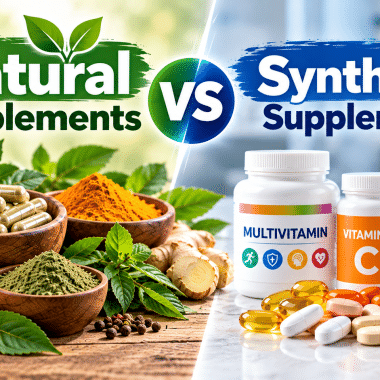
Natural Supplements vs. Synthetic Supplements
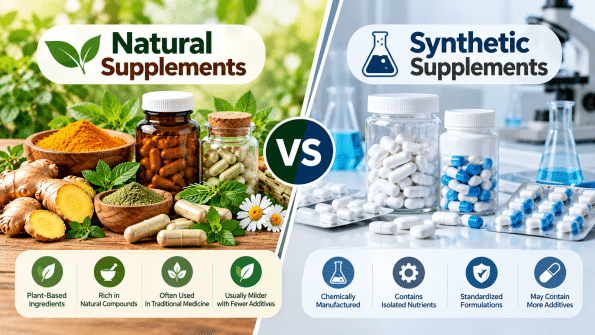
Natural supplements may contain ingredients obtained from plants or other natural sources, while synthetic supplements contain ingredients manufactured through chemical or industrial processes.
However, the distinction does not automatically determine safety or effectiveness. Some synthetic nutrients have the same chemical structure as their naturally occurring counterparts, while botanical extracts can contain many different compounds.
When comparing products, consider the actual ingredient, its form, dosage, purity, evidence, and suitability for your needs rather than relying only on the words “natural” or “synthetic.”
Who May Need Natural Supplements?
Some people may benefit from supplements because of specific nutritional needs or circumstances, including:
- People with a confirmed nutrient deficiency.
- Individuals following restrictive diets.
- People with certain medical conditions affecting nutrient absorption.
- Older adults with particular nutritional requirements.
- Individuals advised to take supplements during specific life stages.
Not everyone needs a supplement, and the right choice varies from person to person. A healthcare professional can help determine whether supplementation is appropriate and whether testing is necessary.
Common Myths About Natural Supplements
Myth 1: Natural supplements have no side effects.
Fact: Natural ingredients can cause side effects, allergies, and medication interactions.
Myth 2: Taking more supplements produces better results.
Fact: Excessive doses can be harmful and may not provide additional benefits.
Myth 3: All herbal products are scientifically proven.
Fact: Evidence varies widely. Some uses are well studied, while others rely mainly on traditional practice or limited research.
Myth 4: Supplements can replace healthy food.
Fact: Supplements do not reproduce the full nutritional value of a balanced diet.
Myth 5: Expensive supplements are always better.
Fact: Price alone does not establish quality, purity, or effectiveness.
Frequently Asked Questions
What are the most common natural supplements?
Common options include vitamins, minerals, herbal supplements, psyllium husk, probiotics, and omega-3 fatty acids. The most appropriate choice depends on a person’s needs and the evidence for the intended use.
Can I take natural supplements every day?
Some supplements are intended for daily use, but not all are suitable for everyone. The appropriate dose and duration depend on the ingredient, your diet, medical history, and medicines.
Are herbal supplements better than vitamins?
Neither category is universally better. Vitamins address specific nutritional needs, while herbal products contain plant-derived ingredients with different effects and levels of supporting evidence.
Can natural supplements interact with medicines?
Yes. Some supplements can change how medicines work or increase the risk of side effects. Ask a qualified healthcare professional or pharmacist to review your supplements and medications.
Should I take supplements on an empty stomach?
It depends on the product. Some supplements are better tolerated with food, while others have specific administration instructions. Follow the label and professional guidance.
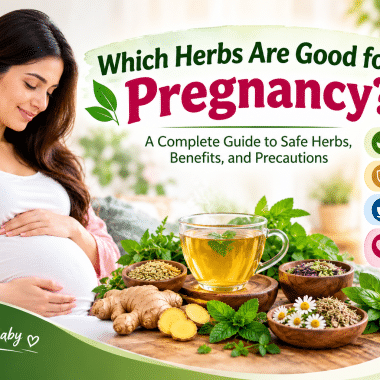
Are natural supplements suitable during pregnancy?
Not automatically. Some herbs and high doses of certain nutrients can be harmful during pregnancy. Pregnant people should consult a qualified healthcare professional before starting herbal supplements.
Conclusion
Natural supplements can play a useful role in supporting nutritional needs and certain aspects of health when chosen carefully. Common categories include herbal extracts, vitamins, minerals, plant-based powders, probiotics, and omega-3 fatty acids.
The best approach is to identify a genuine need, select a quality product, use an appropriate dose, and check for possible side effects or medicine interactions. A balanced diet and healthy lifestyle remain the foundation of good health.
Disclaimer: This article is for educational purposes only and does not replace professional medical advice, diagnosis, or treatment. Consult a qualified healthcare professional before starting a new supplement, particularly if you take medication, have a medical condition, or are pregnant or breastfeeding.