Lion’s Mane mushroom and Reishi mushroom are two popular fungi used in traditional wellness practices and modern dietary supplements. Both have attracted attention for their unique compounds and potential health benefits, but they are different in appearance, traditional uses, chemical composition, and areas of scientific research.
Lion’s Mane mushroom is particularly interesting to researchers studying memory, learning, and cognitive function. Reishi mushroom, on the other hand, has a long history of use in traditional East Asian medicine and is studied for its potential effects on immune function, inflammation, and general wellness.
But which mushroom is better? Should you choose Lion’s Mane for brain health or Reishi for overall wellness? Understanding the differences can help you make a more informed decision about mushroom supplements.
In this guide, we compare Lion’s Mane vs Reishi mushroom, including their potential benefits, nutritional properties, supplement forms, side effects, safety precautions, and the scientific evidence behind their traditional uses.
Lion’s Mane Mushroom
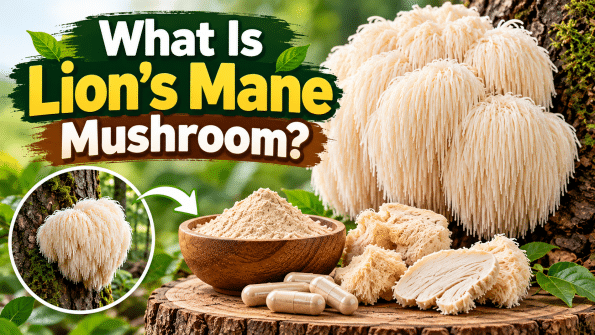
Lion’s Mane mushroom, scientifically known as Hericium erinaceus, is an edible mushroom recognized by its distinctive white, shaggy appearance. Its long, cascading spines resemble a lion’s mane, which explains its common name.
This mushroom grows naturally on hardwood trees and is used as both a culinary ingredient and a dietary supplement. It is popular in various wellness markets because researchers are investigating its potential relationship with brain function and the nervous system.
Lion’s Mane contains several bioactive compounds, including hericenones and erinacines, which have attracted scientific interest because of their possible biological effects. However, findings from laboratory studies do not automatically mean that consuming the mushroom produces the same effects in humans.
Potential Benefits of Lion’s Mane Mushroom
1. Supports research into cognitive health
Lion’s Mane is widely studied for its potential relationship with memory, learning, and cognitive function. Some small human studies have reported promising findings, but the evidence remains limited. More large-scale clinical trials are needed to determine whether supplementation meaningfully improves cognition.
2. May support general neurological research
Certain compounds found in Lion’s Mane have been investigated for their effects on nerve cells and nerve growth-related pathways in laboratory settings. These findings are scientifically interesting, but Lion’s Mane has not been established as a treatment for neurological diseases.
3. Contains naturally occurring bioactive compounds
Lion’s Mane contains compounds that researchers are investigating for antioxidant, anti-inflammatory, and other biological activities. The relevance of these effects to human health depends on the preparation, dose, and results of further clinical research.
4. Provides a versatile food ingredient
Fresh Lion’s Mane can be cooked and incorporated into meals. Dried mushroom powder and concentrated extracts are also available as supplements. Culinary mushrooms and concentrated supplements may differ considerably in composition.
Reishi Mushroom
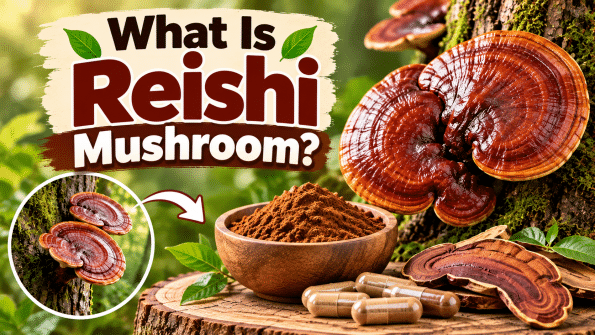
Reishi mushroom, commonly associated with the scientific name Ganoderma lucidum, is a woody mushroom traditionally used in East Asian wellness practices. Related Ganoderma species are also sold as Reishi, so the exact species can vary between products.
Unlike Lion’s Mane, Reishi is generally not used as a typical culinary mushroom because of its tough, woody texture and bitter taste. It is more commonly prepared as tea, powder, extract, or capsules.
Reishi contains several groups of compounds, including triterpenes and polysaccharides. Researchers have investigated these compounds for possible effects on immune-related pathways, inflammation, and other biological processes.
Although Reishi has a long history of traditional use, traditional popularity is not the same as proof of clinical effectiveness.
Potential Benefits of Reishi Mushroom
1. Studied for immune-related effects
Reishi polysaccharides and other constituents have been investigated for their potential effects on immune-system activity. However, evidence that Reishi supplements reliably improve meaningful health outcomes in healthy people remains insufficient.
2. Investigated for antioxidant activity
Laboratory studies have examined compounds in Reishi for antioxidant activity. Whether these effects translate into substantial benefits from taking supplements in everyday life is not yet clear.
3. Traditionally used for general wellness
Reishi has traditionally been used in preparations associated with vitality and general well-being. These traditional applications help explain its popularity, but they should not be interpreted as proof that it prevents or treats disease.
4. Studied for inflammation-related pathways
Some Reishi compounds have shown biological activity in experimental research. More high-quality human studies are necessary to establish which effects, if any, are clinically meaningful.
Lion’s Mane vs Reishi Mushroom: Key Differences
Although both mushrooms are used in dietary supplements, they have distinct characteristics.
| Feature | Lion’s Mane Mushroom | Reishi Mushroom |
|---|---|---|
| Scientific name | Hericium erinaceus | Commonly Ganoderma lucidum; species may vary |
| Appearance | White, shaggy, cascading spines | Woody cap, often reddish-brown and glossy |
| Traditional use | Food and traditional wellness applications | Traditional East Asian herbal preparations |
| Main research interest | Cognition and neurological pathways | Immune-related pathways and general wellness |
| Compounds studied | Hericenones and erinacines | Triterpenes and polysaccharides |
| Culinary use | Edible and used in cooking | Usually consumed in prepared forms due to its woody texture |
| Common supplement forms | Powder, capsules, extracts | Tea, powder, capsules, extracts |
| Human evidence | Limited research on cognition | Limited evidence for many marketed health claims |
Both mushrooms contain biologically active compounds, but their effects depend on the specific species, preparation, concentration, and amount consumed.
Lion’s Mane vs Reishi for Brain Health

Brain health is one of the main reasons people become interested in Lion’s Mane mushroom supplements.
Lion’s Mane has received research attention because certain compounds may influence nerve-related biological pathways. A small number of human studies have examined memory and cognitive performance, but the results are not sufficient to establish a reliable benefit for everyone.
Reishi is not primarily known as a cognitive supplement. Although researchers have investigated its biological properties, there is not enough high-quality clinical evidence to conclude that Reishi improves memory, concentration, or cognitive performance.
Which is the better option for brain health?
Lion’s Mane is the more directly relevant mushroom for people researching cognition because its scientific literature includes preliminary human studies focused on cognitive function. However, this does not mean it is proven to improve memory or prevent cognitive decline.
Neither mushroom should replace medical evaluation or established treatment for memory problems or neurological conditions.
Lion’s Mane vs Reishi for Stress and Relaxation
Reishi is traditionally associated with rest, vitality, and general wellness. Some people use Reishi tea or supplements as part of their evening routine, but strong clinical evidence that it reduces stress or improves sleep is lacking.
Lion’s Mane is also marketed for mental wellness and focus. However, evidence that it reliably reduces anxiety or stress in humans is limited.
If your goal is relaxation, it is important to consider the quality of the evidence rather than relying only on marketing claims. Regular sleep, physical activity, stress-management techniques, and appropriate medical care remain important foundations of well-being.
Neither mushroom should be considered a proven treatment for anxiety, depression, or insomnia.
Lion’s Mane vs Reishi for Immune Support
Reishi is especially well known for its traditional association with immune health. Its polysaccharides and other compounds have been studied for their potential effects on immune-related processes.
Lion’s Mane also contains bioactive compounds that are being investigated for several biological activities, including immune-related effects. However, it is not possible to conclude that either mushroom reliably strengthens immunity or prevents infections based on the available evidence.
People with autoimmune conditions or those taking medicines that affect the immune system should consult a qualified healthcare professional before using concentrated mushroom supplements.
Can You Take Lion’s Mane and Reishi Together?
Some commercial mushroom supplements combine Lion’s Mane and Reishi in one formula. These products are marketed to people who want to explore different mushroom ingredients in a single supplement.
However, there is insufficient clinical evidence to establish that taking the two mushrooms together provides greater benefits than taking either one individually.
If you are considering a combined supplement, review the ingredient list, serving size, species identification, extraction method, and quality-testing information. Avoid assuming that a blend is more effective simply because it contains more ingredients.
It is also worth considering that combining supplements can make it harder to identify which ingredient causes an unwanted reaction.
People taking prescription medicines or managing ongoing health conditions should consult a healthcare professional before starting a mushroom supplement combination.
Lion’s Mane Powder vs Capsules
Lion’s Mane is available in several forms, and each has practical advantages.
Lion’s Mane Powder
Powder may be made from dried mushroom material or from a concentrated extract. It can be mixed into drinks or incorporated into recipes, depending on the product instructions.
When purchasing powder, check whether it contains whole mushroom material, an extract, or a mixture. These forms may differ in their concentration and composition.
Lion’s Mane Capsules
Capsules are convenient for people who prefer a measured serving without preparing a drink. However, capsule size alone does not establish potency or effectiveness.
Look for clear labeling that identifies the mushroom species, amount per serving, other ingredients, and relevant quality-testing information.
Reishi Tea vs Reishi Capsules
Reishi tea is traditionally prepared by simmering the woody mushroom material in water. The resulting drink may have a bitter, earthy taste.
Reishi capsules offer a convenient alternative, but their composition depends on whether they contain powdered mushroom, an extract, or a combination of ingredients.
Neither tea nor capsules can automatically be considered more effective. Product quality, preparation, concentration, and the limited clinical evidence should all be considered when choosing a form.
Lion’s Mane and Reishi Side Effects
Natural supplements can cause side effects, and neither mushroom is suitable for everyone.
Potential Side Effects of Lion’s Mane
Reported or possible adverse effects include:
- Digestive discomfort.
- Nausea or stomach upset.
- Skin reactions.
- Allergic reactions in susceptible individuals.
Stop taking the supplement and seek medical advice if you experience an unexpected reaction.
Potential Side Effects of Reishi
Potential adverse effects reported with Reishi products include:
- Digestive discomfort.
- Nausea or diarrhea.
- Dizziness.
- Skin reactions.
Reishi may also increase bleeding risk or interact with certain medicines. Rare reports of liver injury associated with Reishi supplements have been published, although the precise risk is not well established.
Who Should Be Careful?
Consult a qualified healthcare professional before using either supplement if you:
- Take prescription medicines, particularly blood-thinning medicines.
- Have a bleeding disorder or liver condition.
- Have an autoimmune condition or take immunosuppressive medicines.
- Are pregnant or breastfeeding.
- Are scheduled for surgery.
- Have a known mushroom allergy.
Safety information for supplements can be incomplete, and individual products may differ in composition and purity.
How to Choose a Quality Mushroom Supplement
If you decide to purchase Lion’s Mane or Reishi, careful product selection is important.
1. Check the scientific name: The label should identify the mushroom species rather than using only a general marketing term.
2. Review the ingredients: Check the amount per serving, added ingredients, allergens, and recommended directions.
3. Understand the product type: Determine whether the supplement contains whole mushroom powder, a concentrated extract, or a blend.
4. Look for independent quality testing: Where available, choose products with credible testing for identity, contaminants, heavy metals, and microbial quality.
5. Avoid exaggerated claims: Be cautious of products promising to cure diseases, guarantee better memory, or deliver immediate results.
6. Follow the label: Do not exceed the manufacturer’s directions in an attempt to achieve faster or stronger effects.
Frequently Asked Questions
1. Is Lion’s Mane better than Reishi?
Neither mushroom is universally better. Lion’s Mane is more directly studied for cognitive function, while Reishi has a longer tradition of use in general wellness and is investigated for immune-related effects. Evidence for many advertised benefits remains limited.
2. Which mushroom is better for memory?
Lion’s Mane is the more relevant research subject for memory and cognition. However, current human evidence is preliminary, and it has not been proven to prevent dementia or reliably improve memory in all users.
3. Is Reishi good for immune health?
Reishi contains compounds studied for immune-related biological activity. However, more high-quality human research is needed to determine whether supplementation meaningfully improves immune function or prevents illness.
4. Can Lion’s Mane and Reishi be taken daily?
Some products are designed for daily use, but appropriate use depends on the formulation, the manufacturer’s directions, individual health, and possible medicine interactions. Consult a healthcare professional if you are unsure whether a supplement is suitable for you.
5. Can you take Lion’s Mane and Reishi together?
Combination products are available, but evidence supporting additional benefits from taking both together is insufficient. Consider potential interactions and consult a healthcare professional before combining supplements.
6. Are Lion’s Mane and Reishi suitable for vegetarians?
Mushrooms themselves are suitable for vegetarian diets. However, capsules and other supplement ingredients can vary, so check the label if you require vegetarian or vegan products.
7. How long does it take for mushroom supplements to work?
There is no established timeframe in which Lion’s Mane or Reishi supplements are proven to deliver specific health benefits. Results from limited studies cannot be generalized to every product or individual.
Conclusion
Lion’s Mane and Reishi are two distinct mushrooms with different traditional uses and areas of scientific interest. Lion’s Mane is particularly relevant to research on memory and cognitive function, while Reishi is commonly associated with traditional wellness practices and research into immune-related pathways.
Neither mushroom has been conclusively proven to deliver all the health benefits frequently advertised online. Product quality, individual circumstances, safety precautions, and the strength of human research should guide supplement decisions.
For readers exploring natural wellness products, understanding these differences is a useful starting point. Choose clearly labeled products, avoid exaggerated health claims, and consult a qualified healthcare professional when needed.
At New Pansari, educational content about natural ingredients can help readers understand the available options and make more informed decisions about their wellness routines.