Introduction
Natural skincare has become a popular choice for people who want to keep their skin soft, smooth and moisturized. Plant-based oils are widely used in facial serums, moisturizers, massage oils and homemade beauty routines.
But with so many options available, choosing the right oil can be confusing. Is jojoba oil better for oily skin? Can rosehip oil improve the appearance of uneven skin tone? Is almond oil suitable for dry skin?
The answer depends on your skin type, personal preferences and the specific product you choose.
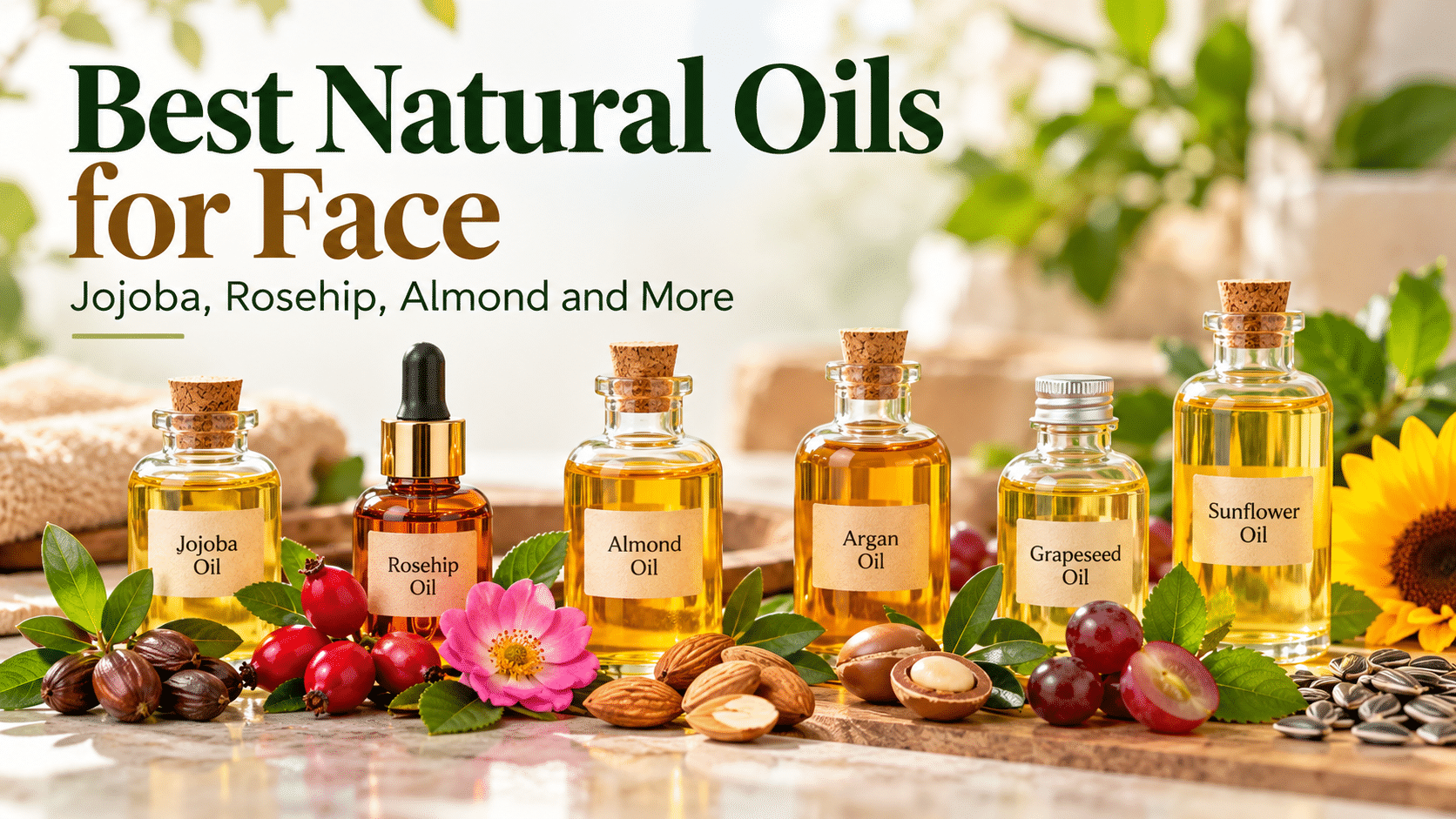
The best natural oils for face care include jojoba oil, rosehip seed oil, sweet almond oil, argan oil, grapeseed oil and sunflower seed oil. These oils contain different fatty acids and other naturally occurring compounds that may help soften the skin and reduce moisture loss. However, their effects vary, and research does not support every beauty claim made about them.
In this guide, we will explore the uses, potential benefits and limitations of popular facial oils so you can make an informed choice.
What Are Natural Facial Oils?
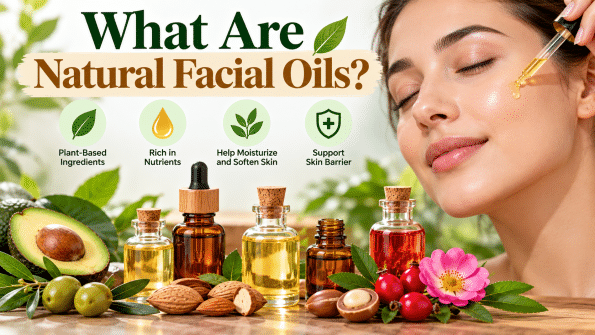
Natural facial oils are oils obtained from plant seeds, nuts, fruits or other botanical materials. They are used in skincare products to soften the skin, improve its feel and help reduce moisture loss.
Many plant oils contain fatty acids, such as oleic acid and linoleic acid, which contribute to their skincare properties. Some also contain naturally occurring antioxidants, including vitamin E compounds.
A scientific review published in the International Journal of Cosmetic Science examined several commonly used plant oils, including jojoba, rosehip and sweet almond oil, and discussed their potential applications in skincare.
However, natural does not automatically mean safe for everyone. Some oils can cause irritation, allergic reactions or breakouts, depending on the individual and the formulation.
1. Jojoba Oil for Face
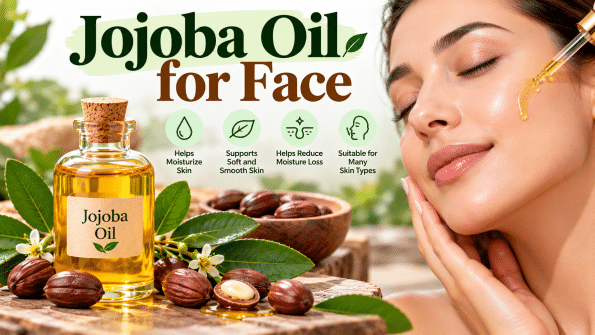
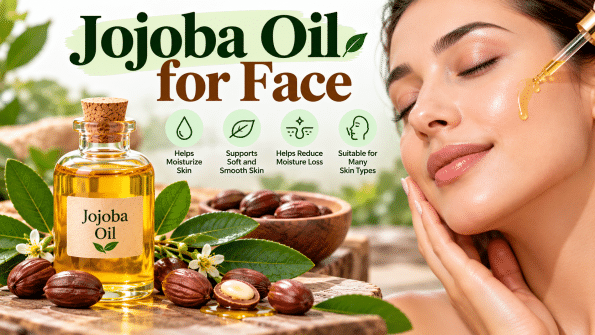
Jojoba oil is one of the most popular ingredients in facial oils and moisturizers. It is obtained from the seeds of the jojoba plant (Simmondsia chinensis).
Although commonly called an oil, jojoba is chemically different from many conventional plant oils because it consists mainly of liquid wax esters.
Potential Benefits of Jojoba Oil
1. Helps soften the skin
Jojoba oil acts as an emollient, helping the skin feel smoother and softer.
2. Helps reduce moisture loss
When applied to the skin, jojoba oil can help retain moisture, particularly when used alongside a suitable moisturizer.
3. Suitable for many skin types
Some people with normal, combination or oily skin find jojoba oil comfortable to use. Individual results vary, especially for acne-prone skin.
4. Supports a smooth skin appearance
Regular use may improve the appearance and feel of dry, rough skin.
How to Use Jojoba Oil
- Cleanse your face with a gentle cleanser.
- Apply your usual moisturizer.
- If needed, apply two or three drops of jojoba oil as the final skincare step.
- Begin with occasional use and adjust according to your skin’s response.
Jojoba oil is not a proven cure for acne, and it should not replace established acne treatments.
2. Rosehip Seed Oil for Face
Rosehip seed oil is extracted from the seeds of certain rose species, including Rosa canina. It contains unsaturated fatty acids and other naturally occurring compounds used in cosmetic formulations.
Rosehip oil is especially popular in facial serums designed for dry skin, mature-looking skin and uneven skin tone.
Potential Benefits of Rosehip Oil
1. Helps moisturize dry skin
Its fatty acids can help soften the skin and improve its overall feel.
2. Supports the skin’s moisture barrier
Rosehip oil may help reduce moisture loss when incorporated into a suitable skincare routine.
3. Improves the appearance of rough skin
By softening dry areas, it can make the skin feel smoother.
4. Supports a healthy-looking complexion
Its cosmetic properties may contribute to a more supple appearance, although evidence for specific brightening or anti-aging effects remains limited.
How to Use Rosehip Oil
Apply a small amount to clean skin after your moisturizer, or follow the directions on a formulated rosehip facial serum.
Choose a well-packaged product and follow its storage instructions. Plant oils can oxidize over time, which may affect their quality.
Rosehip oil does not replace sunscreen and should not be relied upon to remove acne scars or treat pigmentation disorders.
3. Sweet Almond Oil for Face

Sweet almond oil comes from the kernels of sweet almonds (Prunus dulcis). It is used in cosmetic creams, massage oils and body moisturizers.
Its fatty acid composition makes it a useful emollient, particularly for skin that feels dry or rough.
Potential Benefits of Sweet Almond Oil
1. Softens dry skin
Sweet almond oil helps improve the feel of rough, dry areas.
2. Supports moisture retention
It can help reduce water loss from the skin’s surface.
3. Makes skin feel smoother
Its emollient properties can improve skin softness with regular use.
4. Useful for body massage
Its smooth texture makes it a popular ingredient in massage products.
How to Use Almond Oil
Use a small amount of cosmetic-grade sweet almond oil on a limited area first. If your skin tolerates it, you may use it as part of your moisturizing routine.
People with almond or relevant tree-nut allergies should seek appropriate medical advice before using almond-derived products. Avoid bitter almond essential oil for routine facial skincare.
Almond oil may feel heavy on oily or acne-prone skin, so a lighter product may be preferable.
4. Argan Oil for Face
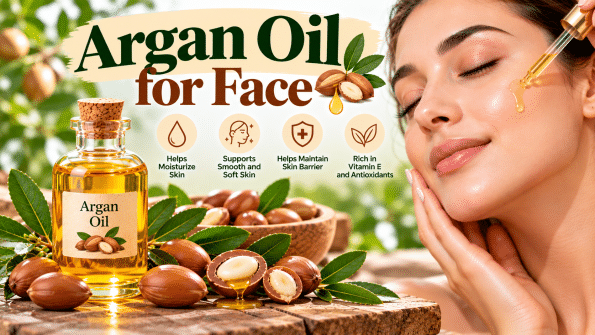
Argan oil is obtained from the kernels of the argan tree (Argania spinosa). It is widely used in skincare and haircare products.
It contains fatty acids and naturally occurring vitamin E compounds.
Potential Benefits of Argan Oil
- Helps soften dry skin.
- Supports moisture retention.
- Improves the feel of rough skin.
- Adds a smooth finish to a skincare routine.
How to Use Argan Oil
Apply a few drops to your face after moisturizing, or choose a facial product that contains argan oil.
People with oily skin should start with a small amount and observe how their skin responds. Argan oil is a moisturizer, not a guaranteed treatment for wrinkles, acne or dark spots.
5. Grapeseed Oil for Face

Grapeseed oil is extracted from grape seeds and is commonly used in cosmetic formulations. It contains unsaturated fatty acids, including linoleic acid.
Its relatively lightweight feel makes it appealing to people who dislike heavier facial oils.
Potential Benefits of Grapeseed Oil
1. Softens the skin: Helps improve skin texture and comfort.
2. Supports moisture retention: Can help reduce moisture loss from the skin’s surface.
3. Provides fatty acids: Contains naturally occurring lipids used in cosmetic skincare products.
4. Offers a lightweight option: Some formulations feel less greasy than richer oils.
How to Use Grapeseed Oil
Choose a facial product formulated for your skin type. Apply a small amount after your moisturizer if you need additional softness.
Although grapeseed oil is often marketed for oily skin, it is not guaranteed to prevent clogged pores or acne.
6. Sunflower Seed Oil for Face
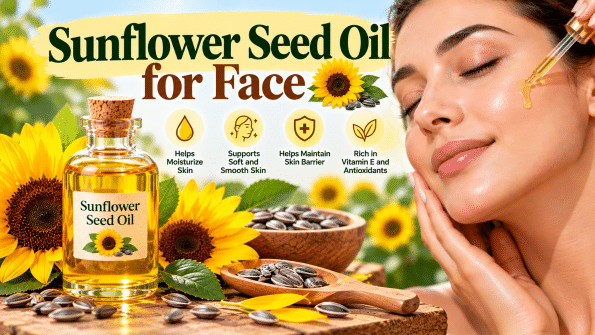
Sunflower seed oil comes from the seeds of Helianthus annuus. It is used in moisturizers, cleansers and other skincare formulations.
Its fatty acid profile depends on the variety and processing method.
Potential Benefits of Sunflower Seed Oil
- Helps soften dry skin.
- Supports the skin’s natural moisture barrier.
- Helps reduce moisture loss.
- Can be useful in fragrance-free moisturizing formulations.
Sunflower seed oil has been studied for its potential role in skin-barrier care. Nevertheless, the suitability of an oil depends on its composition, formulation and the condition of the person’s skin.
For sensitive skin, a simple, fragrance-free product may be a better starting point than a complex blend of botanical oils.
7. Coconut Oil for Face

Coconut oil is widely used in traditional beauty routines and moisturizing products. It contains a high proportion of saturated fatty acids, including lauric acid.
Potential Benefits of Coconut Oil
- Helps soften dry areas.
- Can reduce moisture loss.
- May improve the feel of rough skin.
However, coconut oil is relatively rich and may clog pores or worsen breakouts in some people. It is not the best first choice for everyone, particularly those with acne-prone facial skin.
If you want to try it, use a small amount and stop if you notice new breakouts or irritation.
8. Olive Oil for Face

Olive oil is obtained from olives (Olea europaea) and contains oleic acid and other naturally occurring compounds.
Although it is well known in cooking and cosmetic products, applying cooking oil directly to the face is not necessarily the best approach for every skin type.
Potential Benefits and Limitations
Olive oil can soften skin and help reduce moisture loss. However, its high oleic acid content may not suit every skin barrier, and some people experience irritation or worsening dryness.
For facial skincare, consider a product specifically formulated for the face rather than assuming that every food-grade oil is suitable for regular use.
Comparison of the Best Natural Oils for Face
| Facial oil | Common skincare use | Considerations |
|---|---|---|
| Jojoba oil | General moisturizing | Start with a small amount if acne-prone |
| Rosehip seed oil | Dryness and skin softness | Protect from oxidation |
| Sweet almond oil | Dry skin and massage | Consider nut-allergy risks |
| Argan oil | Softening and moisture retention | Can feel rich on some skin types |
| Grapeseed oil | Lightweight moisturizing | Results depend on formulation |
| Sunflower seed oil | Moisture-barrier support | Fragrance-free formulas may suit sensitive skin |
| Coconut oil | Dry areas and body care | May worsen facial breakouts |
| Olive oil | Softening dry skin | May not suit every skin barrier |
No single oil is best for everyone. Your skin type, existing skin conditions and the product’s formulation matter more than marketing claims.
Which Facial Oil Is Best for Your Skin Type?
For Dry Skin
Jojoba, sweet almond, argan and rosehip oils may help soften dry skin. Use them alongside a moisturizer rather than relying on oil alone.
For Oily Skin
Consider a lightweight formulation containing jojoba or grapeseed oil. Introduce only one new product at a time and monitor for breakouts.
For Combination Skin
You may prefer a lightweight oil applied only to dry areas. There is no need to coat your entire face if some areas already feel oily.
For Sensitive Skin
Choose simple, fragrance-free products with fewer ingredients. Even natural oils can trigger irritation or allergy, so patch testing is important.
For Mature Skin
Facial oils may improve softness and reduce the appearance of dryness-related fine lines. They cannot be expected to reverse all signs of aging.
How to Apply Facial Oil Correctly
Follow these simple steps when introducing a facial oil into your routine.
- Cleanse: Wash your face with a gentle cleanser.
- Moisturize: Apply a moisturizer suited to your skin type.
- Use a small amount of oil: Start with two or three drops if the product instructions allow.
- Apply gently: Spread the oil without rubbing harshly.
- Use sunscreen during the day: A facial oil is not a substitute for broad-spectrum sunscreen.
- Monitor your skin: Stop using the product if you develop irritation or persistent breakouts.
You do not need to combine several oils to achieve good skincare results. A simple routine is often easier to maintain and makes it easier to identify products that cause a reaction.
Common Mistakes to Avoid When Using Natural Facial Oils
1. Applying Too Much Oil
Excessive application may leave the skin greasy and can contribute to clogged pores in susceptible individuals.
2. Ignoring Your Skin Type
A rich oil that works for dry skin may not be comfortable for oily or acne-prone skin.
3. Using Essential Oils Directly
Concentrated essential oils are different from carrier oils. Applying essential oils undiluted may cause irritation or allergic reactions.
4. Expecting Immediate Results
Moisturizing benefits may be noticeable relatively quickly, but claims about pigmentation, scars or wrinkles require stronger evidence.
5. Skipping Sunscreen
Natural oils do not provide reliable, tested sun protection. Use a broad-spectrum sunscreen with SPF 30 or higher during the day.
6. Using Products That Have Gone Bad
Heat, light and air can affect the stability of plant oils. Follow the product’s storage instructions and discard products that show changes in smell, color or texture.
Safety Tips Before Using Natural Oils on Your Face
Natural skincare ingredients can cause side effects, just like other cosmetic ingredients.
- Patch-test a new product before applying it to your entire face.
- Follow the American Academy of Dermatology’s guidance to test products on a small area twice daily for seven to ten days.
- Avoid products containing ingredients to which you are allergic.
- Do not apply oils to broken or infected skin unless advised by a healthcare professional.
- Stop using a product if you experience persistent redness, itching, swelling or burning.
- Seek medical advice for persistent acne, unexplained rashes or significant pigmentation concerns.
You can read the American Academy of Dermatology’s skincare product testing guidance for more information.
Frequently Asked Questions
1. What is the best natural oil for the face?
There is no universally best facial oil. Jojoba, rosehip, sweet almond, argan and grapeseed oils are common choices. The right option depends on your skin type, allergies and skincare goals.
2. Which oil is best for glowing skin?
Jojoba, rosehip and argan oils may help skin look smoother and more supple by reducing dryness. A healthy-looking complexion also depends on gentle cleansing, moisturizing, sun protection and overall skincare habits.
3. Can I use facial oil every day?
Many people can use a suitable facial oil daily. Start with a small amount and adjust based on how your skin responds. Stop if it causes irritation or breakouts.
4. Is jojoba oil good for oily skin?
Jojoba oil may suit some people with oily skin because it can feel relatively lightweight. However, it does not reliably control oil production or treat acne.
5. Is rosehip oil good for dark spots?
Rosehip oil is used in products designed to improve the appearance of uneven skin tone, but strong clinical evidence that it removes dark spots is limited. Sunscreen and evidence-based treatments may be more effective.
6. Can almond oil be applied directly to the face?
Cosmetic-grade sweet almond oil may be applied in small amounts if your skin tolerates it. Avoid it if you have a relevant allergy, and consider a lighter option if your skin is acne-prone.
7. Are natural oils better than commercial moisturizers?
Not necessarily. A well-formulated moisturizer may contain humectants, emollients and occlusive ingredients that work together. Natural oils can complement a skincare routine, but they do not replace every function of a moisturizer.
8. Can I mix different facial oils together?
Some facial oils can be combined, but mixing multiple products may increase the chance of irritation and make it harder to identify the cause of a reaction. Start with one oil at a time.
Conclusion
The best natural oils for face care are those that suit your skin type and help you maintain a comfortable, moisturized skin barrier. Jojoba oil is a versatile option, rosehip seed oil is popular in facial serums, sweet almond oil is useful as an emollient, and argan, grapeseed and sunflower seed oils offer other moisturizing options.
Remember that natural does not automatically mean suitable for every skin type. Choose quality products, introduce them gradually and avoid expecting oils to cure acne, remove scars or replace sunscreen.
For a simple routine, start with a gentle cleanser, a suitable moisturizer and daily sunscreen. Add one facial oil only if your skin needs additional softness or moisture.
Healthy skincare is not about using the most products. It is about choosing the right products and using them consistently.