Introduction
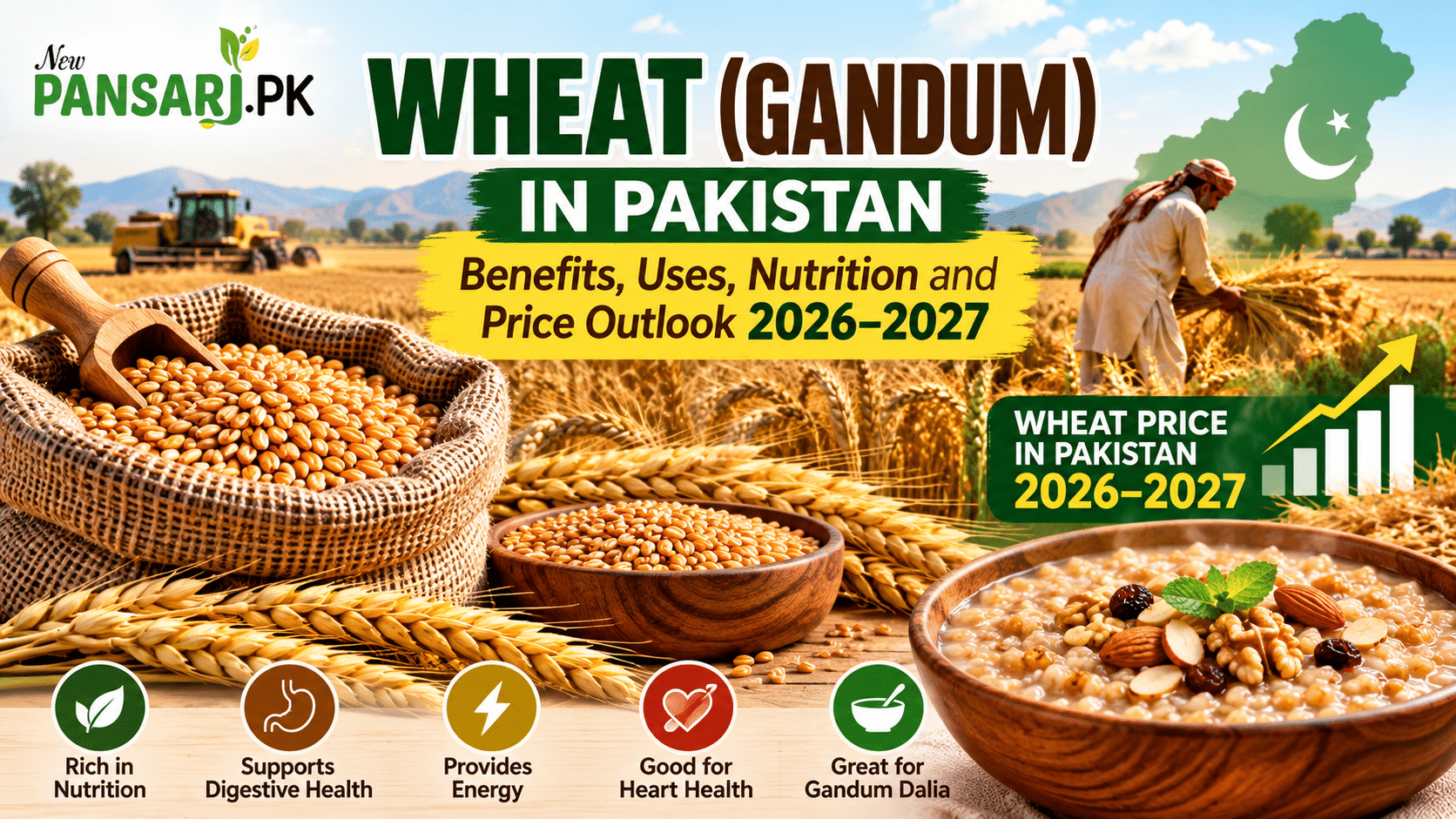
Wheat, known as Gandum in Urdu, is one of the most important staple foods in Pakistan. From freshly prepared roti and chapati to wheat porridge (Gandum Dalia), wheat is a familiar part of everyday meals in many Pakistani households.
At New Pansari.pk, we believe that understanding traditional foods and their nutritional value helps people make informed choices about their daily diet. Wheat provides carbohydrates, plant-based protein, dietary fiber and several essential nutrients, particularly when whole-grain varieties are used.
In addition to its nutritional value, wheat is an important agricultural commodity in Pakistan. Its market price affects farmers, grain traders, flour mills and consumers. The 2026–2027 wheat season is therefore relevant to anyone interested in food prices, agriculture and household budgeting.
In this guide, we explore the nutritional benefits of wheat, its traditional uses, how to prepare Gandum Dalia, important dietary precautions and the wheat price outlook for Pakistan.
What Is Wheat (Gandum)?
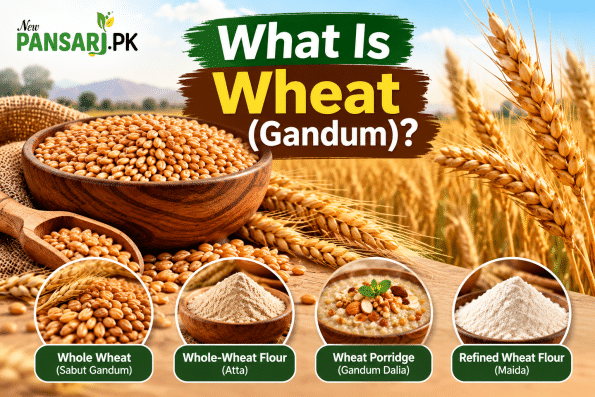
Wheat is a cereal grain cultivated in many countries and widely consumed in Pakistan. It is processed into different food products, including whole-wheat flour, refined flour, cracked wheat and wheat porridge.
The outer bran, inner germ and starchy endosperm are the three main parts of a wheat kernel. Whole-wheat products retain the bran and germ, while refined flour contains less of these components.
Common wheat products include:
- Whole-wheat flour: Used to prepare roti, chapati and other baked foods.
- Gandum Dalia: Coarsely broken wheat used in porridge and savory dishes.
- Wheat grains: Used in cooking and traditional recipes.
- Refined wheat flour: Used in many breads, biscuits and baked products.
Choosing whole-grain wheat products can help increase dietary fiber intake.
Nutritional Value of Wheat
Whole wheat contains several nutrients that contribute to a balanced diet.
Carbohydrates
Wheat is a source of carbohydrates, which provide energy for the body. The amount depends on the serving size and processing method.
Dietary Fiber
Whole-wheat products contain dietary fiber that helps support normal bowel movements and digestive health.
Plant-Based Protein
Wheat provides plant-based protein, which contributes to normal growth and maintenance of body tissues.
B Vitamins
Whole wheat contains B vitamins involved in normal energy metabolism and other body functions.
Minerals
Wheat provides minerals such as magnesium, phosphorus and iron in varying amounts. The exact nutritional profile depends on the variety and processing.
Health Benefits of Whole Wheat
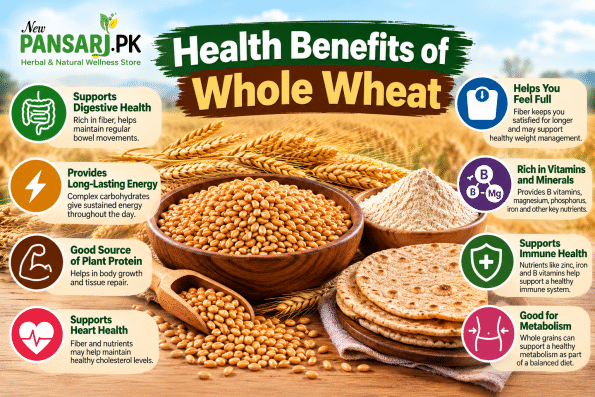
1. Supports Digestive Health
Whole-wheat foods provide dietary fiber that helps maintain regular bowel movements. Including fiber-rich foods in a balanced diet, together with adequate fluid intake, can support normal digestive function.
2. Provides Energy for Daily Activities
Wheat contains carbohydrates that supply energy for work, exercise and everyday activities. It can be included in meals alongside vegetables, protein sources and healthy fats.
3. Helps Build Balanced Meals
Whole-wheat roti and Gandum Dalia can be paired with lentils, vegetables, yogurt, eggs or other protein sources to create satisfying meals.
4. Supports Heart-Healthy Eating Patterns
Whole grains are associated with better cardiovascular health when consumed as part of an overall balanced dietary pattern. Replacing some refined grains with whole grains can help increase fiber intake.
5. Provides Important Nutrients
Whole wheat contributes fiber, plant-based protein, B vitamins and minerals. Eating a variety of whole grains, legumes, fruits and vegetables helps provide a broader range of nutrients.
6. Can Help with Meal Satisfaction
The fiber and texture of whole-grain foods may help people feel satisfied after eating. Portion size and the other ingredients in a meal also influence fullness and overall calorie intake.
Important: Wheat is a nutritious food, but it is not a treatment for disease. Its benefits depend on the overall diet and individual nutritional needs.
Gandum Dalia: A Traditional Wheat Food
Gandum Dalia, or wheat porridge, is made from cracked or coarsely ground wheat. It can be prepared with water or milk and served as a sweet or savory dish.
It is popular because it is versatile, easy to prepare and suitable for a variety of meals.
How to Make Gandum Dalia
Ingredients
- ½ cup wheat dalia
- 2 cups water or milk
- A pinch of salt, if desired
- Optional: chopped fruit, nuts or cinnamon
Method
- Rinse the dalia if required by the package instructions.
- Add it to a saucepan with water.
- Bring to a boil, then reduce the heat.
- Simmer for approximately 15–25 minutes or until tender, stirring occasionally.
- Add milk if desired and continue cooking until the preferred consistency is reached.
- Serve warm with your preferred toppings.
Cooking time varies according to the size and processing of the wheat pieces.
Sweet Gandum Dalia
Prepare dalia with milk and add fruit, cinnamon or a small quantity of nuts. Limit added sugar according to your dietary requirements.
Savory Gandum Dalia
Cook dalia with vegetables, a little salt and mild spices. Pair it with yogurt or another protein source to make a more balanced meal.
Wheat in Pakistan: Price Outlook for 2026–2027
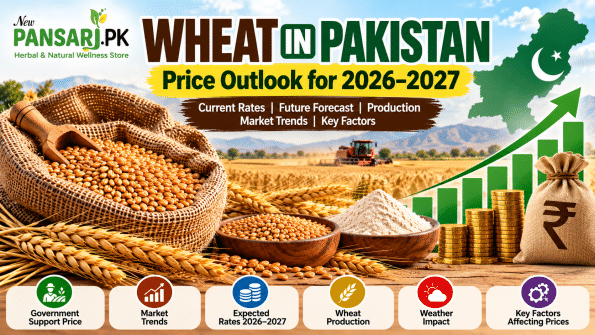
Wheat is a major agricultural commodity in Pakistan, and its price influences the cost of flour and many everyday foods.
On 26 October 2026, Pakistan’s Ministry of National Food Security and Research announced a wheat price of Rs. 4,500 per 40 kg following consultation with the provincial governments.
This announced price is a policy benchmark and does not guarantee that every transaction in the open market will occur at the same rate.
Wheat Price Conversion
| Quantity | Equivalent at Rs. 4,500 per 40 kg |
|---|---|
| 1 kg | Rs. 112.50 |
| 10 kg | Rs. 1,125 |
| 20 kg | Rs. 2,250 |
| 40 kg | Rs. 4,500 |
| 100 kg | Rs. 11,250 |
| 1 tonne | Rs. 112,500 |
These figures are mathematical conversions, not verified retail or local mandi prices.
What May Affect Wheat Prices in 2027?
Several factors may influence wheat prices during the 2026–2027 season:
- Weather conditions and rainfall
- Irrigation water availability
- Wheat production and crop yields
- Seed, fertilizer, fuel and labour costs
- Government purchasing and stock policies
- Demand from flour mills and consumers
- Transportation and storage expenses
A strong harvest and plentiful stocks could put downward pressure on prices, while crop losses or supply shortages could push prices higher.
The USDA Foreign Agricultural Service estimated Pakistan’s wheat production for the 2026/27 season at approximately 29 million tonnes in its July 2026 report. This is an estimate and may change as more information becomes available.
For current buying or selling decisions, check recent local market quotations and official announcements rather than relying solely on price forecasts.
Who Should Be Careful About Eating Wheat?
Although wheat is a common food, it is not suitable for everyone.
People with Celiac Disease
Wheat contains gluten, which people with celiac disease must avoid. Wheat-based dalia, flour and other wheat products are unsuitable for a gluten-free diet.
People with Wheat Allergy
People with a diagnosed wheat allergy should avoid wheat and follow advice from their healthcare professional.
People Managing Diabetes
Wheat contains carbohydrates that can affect blood glucose levels. Portion size, preparation method and the other foods eaten with wheat all matter. Individual meal planning can help support blood glucose management.
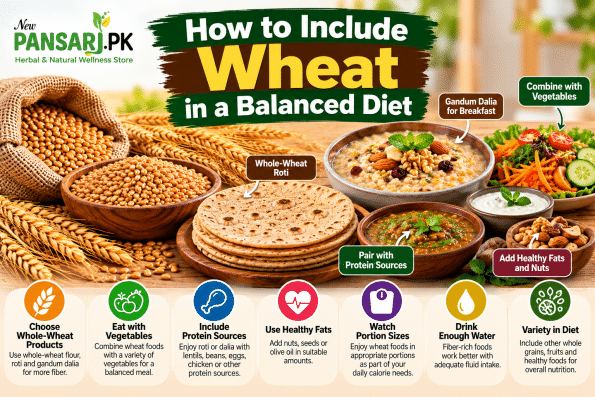
How to Include Wheat in a Balanced Diet
Here are simple ways to enjoy wheat as part of everyday meals:
- Choose whole-wheat flour for roti when suitable.
- Prepare Gandum Dalia for breakfast.
- Combine wheat foods with vegetables and protein sources.
- Vary your grains by including other suitable whole grains.
- Pay attention to portion sizes and added sugar.
- Drink sufficient fluids when increasing dietary fiber.
A varied diet is generally more beneficial than relying on one food for all nutritional needs.
Frequently Asked Questions
What is Gandum in English?
Gandum is the Urdu word for wheat, a cereal grain widely used to prepare flour, bread and porridge.
What is Gandum Dalia?
Gandum Dalia is cracked or coarsely ground wheat cooked with water or milk to prepare a porridge or savory dish.
Is whole wheat healthier than refined wheat flour?
Whole wheat generally contains more fiber because it retains the bran and germ. Both products provide carbohydrates, but whole-grain choices are often recommended as part of a balanced diet.
What was the announced wheat price in Pakistan for 2027?
The government announced a price of Rs. 4,500 per 40 kg on 26 October 2026. Actual market rates can differ according to location, grain quality and trading conditions.
Will wheat prices rise in Pakistan during 2027?
The direction of prices is uncertain. Production, weather, demand, stocks and government policies will influence the market.
Can everyone eat wheat porridge?
Many people can enjoy wheat porridge, but it is unsuitable for people with celiac disease or wheat allergy. People managing specific health conditions may need individualized dietary guidance.
How can I buy quality wheat products?
Purchase from reliable suppliers, check packaging and storage conditions, and look for clear product information. For packaged foods, follow the manufacturer’s storage and preparation instructions.
Conclusion
Wheat (Gandum) is an important part of Pakistani food culture and provides carbohydrates, fiber and other nutrients. Whole-wheat flour and Gandum Dalia are versatile ways to include grains in everyday meals.
For readers of New Pansari.pk, understanding wheat’s nutritional value, traditional uses and dietary precautions can help support informed food choices. The wheat market also deserves attention during the 2026–2027 season, as production, government policies and local supply conditions may influence prices.
Choose suitable whole-grain foods, prepare them in balanced meals and consult reliable sources when checking current wheat prices.