Introduction
Protein is one of the most important nutrients required by the human body. It plays an essential role in building muscles, repairing tissues, supporting the immune system and maintaining healthy skin, hair and nails. Whether you want to build muscle, manage your weight, improve your overall nutrition or maintain good health, eating enough protein is important.
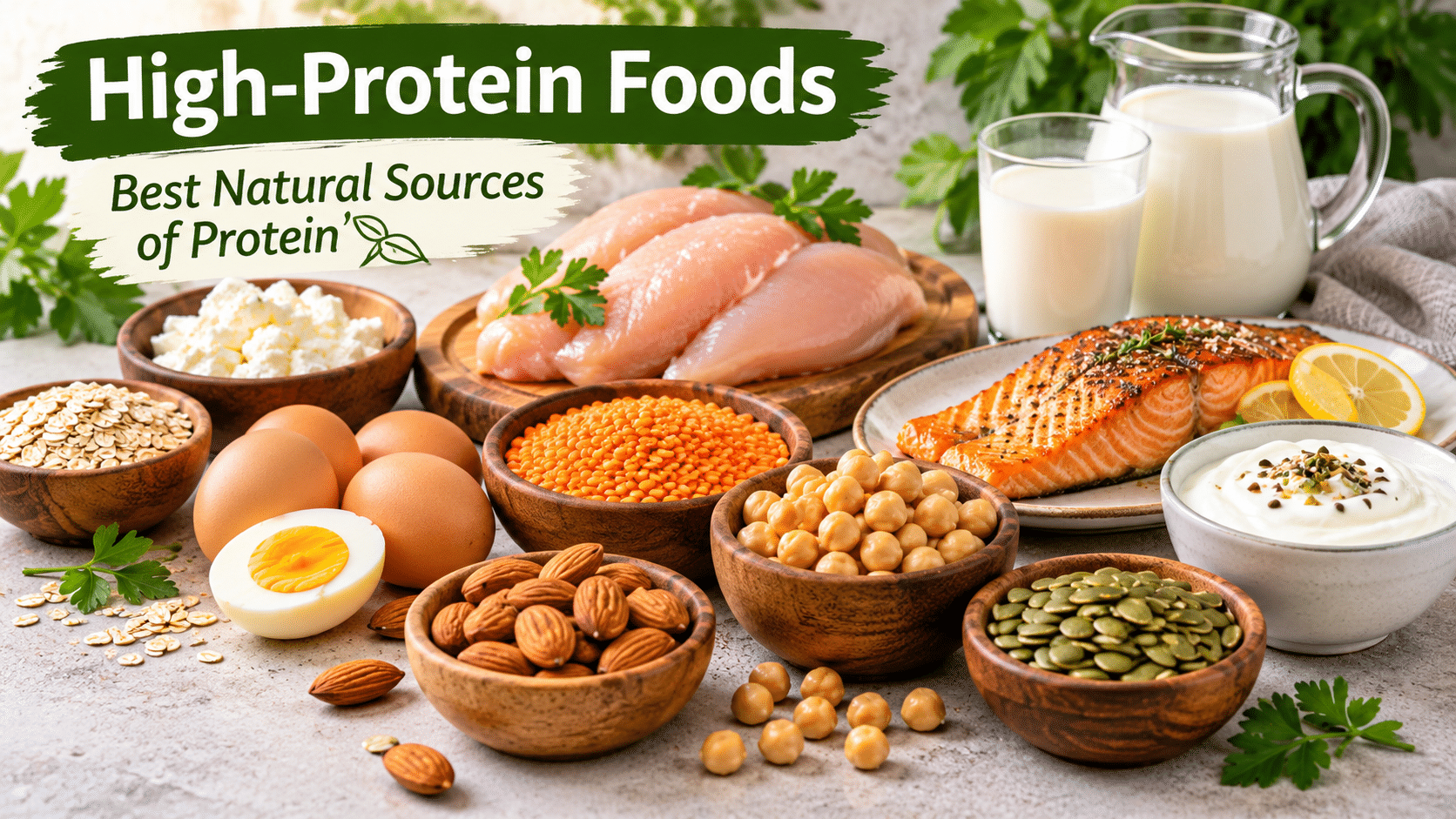
Fortunately, you do not always need expensive protein powders or supplements to meet your daily protein requirements. Many natural foods provide excellent amounts of protein, including eggs, milk, lentils, chickpeas, beans, nuts, seeds, fish and chicken.
In Pakistan, several affordable and easily available foods can help increase daily protein intake. Traditional foods such as daal, chana, milk, yogurt and eggs are excellent additions to a balanced diet.
In this guide, we will explore the best high-protein foods, their nutritional benefits and practical ways to include them in your everyday meals.
What Is Protein?
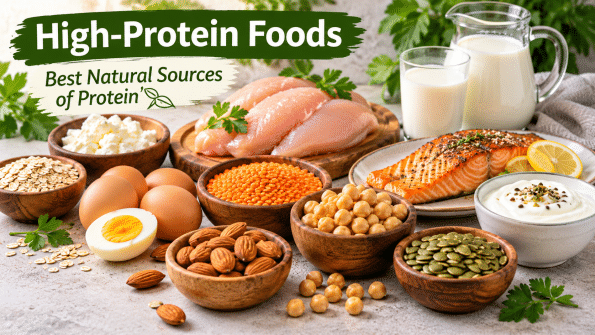
Protein is an essential macronutrient made up of smaller units called amino acids. These amino acids help the body perform many important functions.
The human body uses protein to build and repair muscles, produce enzymes and hormones, support immune function and maintain different tissues.
There are 20 amino acids used by the body to make proteins. Nine of these are considered essential amino acids because the body cannot produce them independently. They must come from food.
Protein is especially important for:
- Muscle growth and repair.
- Healthy skin, hair and nails.
- Supporting immune system function.
- Producing enzymes and hormones.
- Maintaining bones and body tissues.
- Supporting normal growth and development.
- Helping maintain fullness after meals.
Why Is Protein Important for Your Health?
Protein supports several important processes in the body. Getting sufficient protein through a balanced diet can contribute to better overall health.
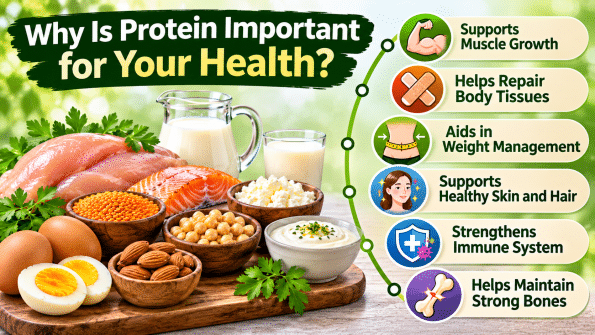
1. Supports Muscle Growth
Protein provides amino acids that muscles need to grow and recover. It is particularly important for people who perform strength training, exercise regularly or participate in sports.
Eating protein-rich foods throughout the day can help support muscle maintenance and recovery.
2. Helps Repair Body Tissues
The body continuously repairs and replaces damaged or worn-out cells. Protein supplies the building materials needed for this process.
It supports the maintenance of muscles, skin, organs and other tissues.
3. Supports Weight Management
Protein can help you feel full and satisfied after meals. This may help reduce unnecessary snacking and support a healthy eating routine.
Combining protein-rich foods with vegetables, whole grains and healthy fats can help create balanced meals.
4. Supports Healthy Hair and Skin
Hair and skin contain proteins that contribute to their structure. Keratin, for example, is an important structural protein found in hair and nails.
Eating enough protein supports normal hair and skin maintenance, although hair loss and skin problems can have many other causes.
5. Supports Immune System Function
The body uses amino acids to produce antibodies and other proteins involved in immune function.
Adequate protein intake helps maintain the normal functioning of the immune system.
20 Best Natural High-Protein Foods
Here are 20 excellent natural protein sources that you can include in your daily diet.
1. Eggs
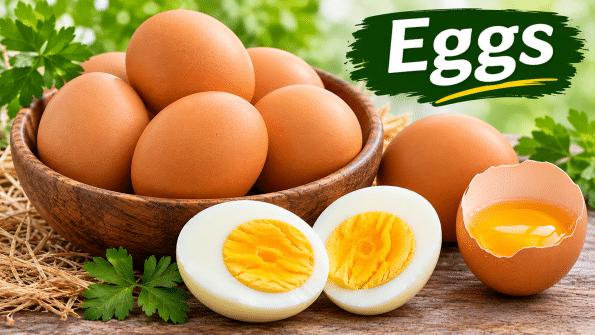
Eggs are among the most convenient and affordable sources of high-quality protein.
One large egg provides approximately 6–7 grams of protein. Eggs also contain vitamin B12, choline, selenium and other important nutrients.
Benefits of eggs:
- Support muscle maintenance.
- Provide essential amino acids.
- Support normal brain function through choline.
- Help make meals more filling.
- Provide important vitamins and minerals.
How to use: Enjoy boiled eggs, omelettes or scrambled eggs as part of breakfast.
2. Chicken Breast
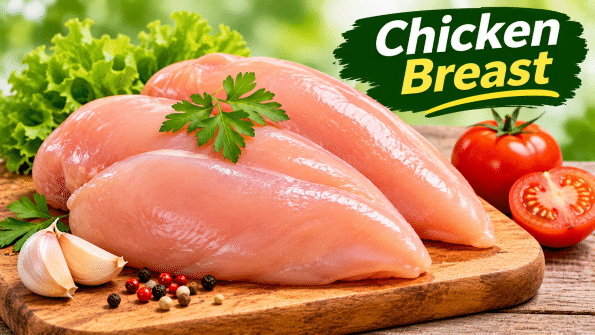
Chicken breast is a popular lean protein source, particularly among people who exercise or want to build muscle.
Approximately 100 grams of cooked, skinless chicken breast provides around 30–31 grams of protein.
Benefits:
- Provides high-quality protein.
- Supports muscle repair.
- Contains vitamin B6 and niacin.
- Can be included in balanced weight-management meals.
How to use: Prepare grilled chicken, chicken soup, baked chicken or lightly cooked chicken curry.
3. Fish
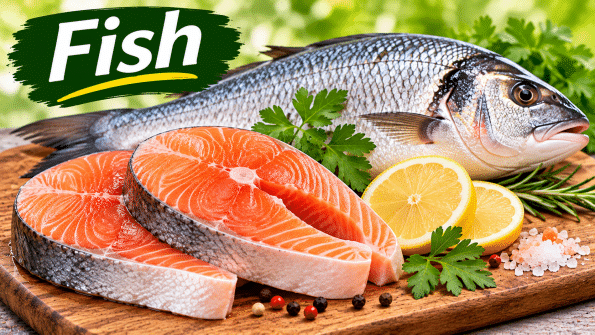
Fish provides high-quality protein along with other important nutrients.
Depending on the variety, 100 grams of cooked fish may provide approximately 20–26 grams of protein.
Fatty fish such as salmon, sardines and mackerel also contain omega-3 fatty acids.
Benefits:
- Supports muscle maintenance.
- Provides essential amino acids.
- Fatty fish provide omega-3 fats.
- Supplies vitamin B12 and other nutrients.
How to use: Include grilled, baked or lightly cooked fish in your meals.
4. Milk
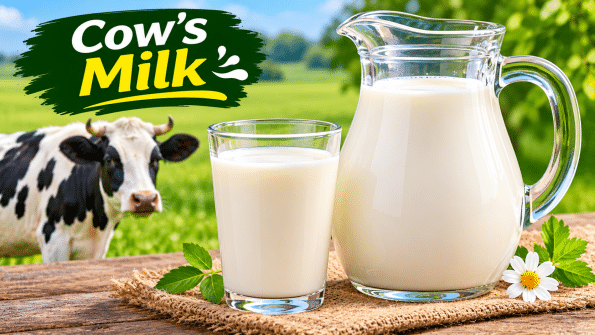
Milk is a natural source of protein, calcium and several vitamins.
One cup (approximately 250 ml) of cow’s milk provides around 8 grams of protein.
Milk contains two major proteins: casein and whey.
Benefits:
- Supports muscle maintenance.
- Provides calcium for healthy bones.
- Supplies vitamin B12.
- Contributes to daily protein intake.
How to use: Drink milk, add it to porridge or use it in smoothies.
5. Greek Yogurt
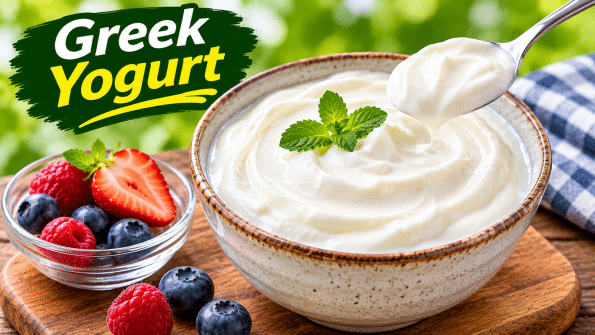
Greek yogurt is a protein-rich dairy food that is often higher in protein than regular yogurt.
Depending on the brand and preparation, 100 grams may provide approximately 8–10 grams of protein or more.
Benefits:
- Provides protein and calcium.
- Supports muscle maintenance.
- Can be a satisfying snack.
- Some varieties contain live cultures.
How to use: Enjoy plain Greek yogurt with fruit, nuts or seeds.
6. Lentils (Daal)
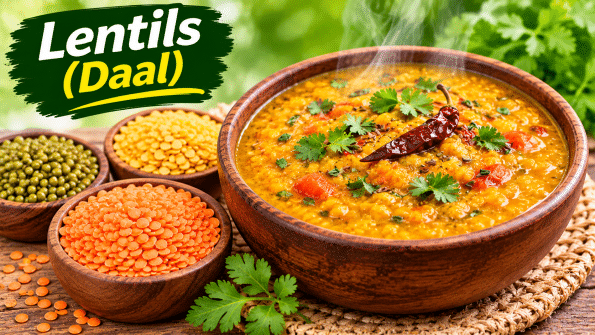
Lentils are an affordable and nutritious plant-based protein source commonly consumed in Pakistan.
Approximately 100 grams of cooked lentils provides around 9 grams of protein.
Benefits:
- Provides plant-based protein.
- Contains dietary fibre.
- Supplies iron and folate.
- Supports a healthy digestive diet.
How to use: Prepare masoor daal, moong daal, chana daal or mixed lentils.
7. Chickpeas (Chana)
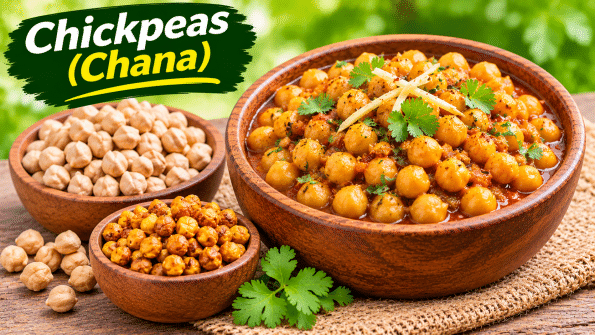
Chickpeas are nutritious legumes that contain protein, fibre and several essential minerals.
Approximately 100 grams of cooked chickpeas provides around 9 grams of protein.
Benefits:
- Supports a fibre-rich diet.
- Provides plant-based protein.
- Contains iron and magnesium.
- Helps make meals satisfying.
How to use: Eat boiled chickpeas, chana chaat, hummus or roasted chickpeas.
8. Kidney Beans (Rajma)
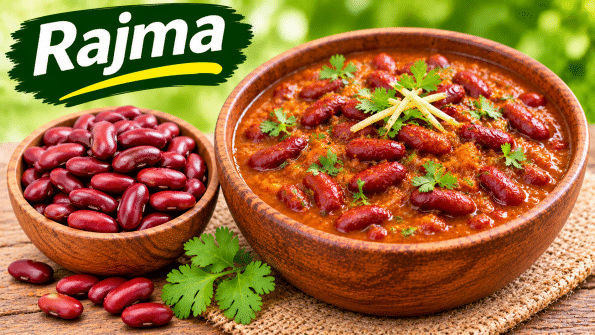
Kidney beans are another excellent source of plant-based protein.
Approximately 100 grams of cooked kidney beans provides around 8–9 grams of protein.
Benefits:
- Provides protein and dietary fibre.
- Contains folate and iron.
- Supports balanced meals.
- Offers a nutritious alternative to some animal-based foods.
How to use: Prepare rajma curry, bean salad or mixed bean dishes.
9. Soybeans
Soybeans are among the most protein-rich plant foods.
Approximately 100 grams of cooked soybeans provides around 18 grams of protein.
Benefits:
- Contains all nine essential amino acids.
- Provides plant-based protein.
- Contains iron and other minerals.
- Can support a balanced vegetarian diet.
How to use: Include cooked soybeans, tofu, tempeh or unsweetened soy milk in your diet.
10. Almonds
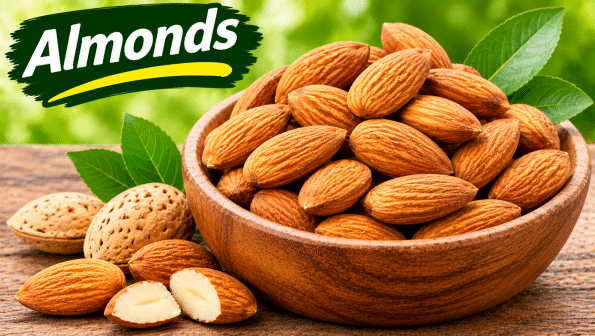
Almonds provide protein, healthy fats, fibre, vitamin E and magnesium.
Approximately 28 grams of almonds (one small handful) contains around 6 grams of protein.
Benefits:
- Provides plant-based protein.
- Contains vitamin E.
- Supplies healthy unsaturated fats.
- Makes a convenient snack.
How to use: Eat a small handful of almonds or add chopped almonds to porridge and yogurt.
11. Peanuts
Peanuts are an affordable and widely available source of plant-based protein.
Approximately 28 grams of peanuts contains around 7 grams of protein.
Benefits:
- Provides protein and healthy fats.
- Contains niacin and magnesium.
- Offers energy and dietary nutrients.
- Makes a convenient snack.
How to use: Enjoy roasted peanuts or natural peanut butter in moderate portions.
12. Pumpkin Seeds
Pumpkin seeds are nutritious seeds that contain protein, magnesium, zinc and healthy fats.
Approximately 28 grams provides around 8–9 grams of protein.
Benefits:
- Provides plant-based protein.
- Contains zinc and magnesium.
- Supplies healthy fats.
- Adds nutritional value to meals.
How to use: Add pumpkin seeds to salads, yogurt, smoothies or oatmeal.
13. Chia Seeds
Chia seeds are small but nutritious seeds containing protein, fibre and omega-3 fatty acids.
Approximately 28 grams provides around 4–5 grams of protein.
Benefits:
- Contains dietary fibre.
- Provides plant-based omega-3 fats.
- Supplies minerals.
- Adds texture and nutrition to meals.
How to use: Mix chia seeds into yogurt, milk, smoothies or overnight oats.
14. Oats
Oats are a nutritious whole grain that provides protein, fibre and complex carbohydrates.
Approximately 100 grams of dry oats contains around 13 grams of protein.
Benefits:
- Provides plant-based protein.
- Contains beta-glucan fibre.
- Supports a balanced breakfast.
- Provides sustained dietary energy.
How to use: Prepare oatmeal with milk, nuts and seeds.
15. Quinoa
Quinoa is a nutritious seed commonly used as a grain alternative.
Approximately 100 grams of cooked quinoa provides around 4–5 grams of protein.
Benefits:
- Contains all nine essential amino acids.
- Provides dietary fibre.
- Supplies magnesium and iron.
- Offers a useful plant-based protein option.
How to use: Use cooked quinoa in salads, bowls or as an alternative to rice.
16. Cottage Cheese
Cottage cheese is a dairy food that provides protein and calcium.
Approximately 100 grams can provide around 11–13 grams of protein, depending on the product.
Benefits:
- Provides high-quality dairy protein.
- Supports muscle maintenance.
- Contains calcium.
- Can be included in healthy snacks.
How to use: Eat cottage cheese with vegetables or add it to sandwiches.
17. Tuna
Tuna is a convenient source of high-quality protein.
Approximately 100 grams of cooked tuna provides around 25–30 grams of protein.
Benefits:
- Provides essential amino acids.
- Supports muscle maintenance.
- Contains vitamin B12.
- Some varieties provide omega-3 fatty acids.
How to use: Prepare tuna salad or include it in sandwiches. Choose varieties with lower mercury levels and follow appropriate consumption guidance, particularly during pregnancy.
18. Sunflower Seeds
Sunflower seeds contain protein, vitamin E, magnesium and healthy fats.
Approximately 28 grams provides around 5–6 grams of protein.
Benefits:
- Provides plant-based protein.
- Contains vitamin E.
- Supplies magnesium.
- Adds nutrients to everyday meals.
How to use: Sprinkle sunflower seeds over salads, yogurt or oatmeal.
19. Tofu
Tofu is made from soybeans and is a useful protein source for vegetarians and vegans.
Approximately 100 grams provides around 8–17 grams of protein, depending on the type.
Benefits:
- Provides plant-based protein.
- Contains essential amino acids.
- Supplies minerals.
- Can replace meat in many recipes.
How to use: Add tofu to vegetable stir-fries, soups and salads.
20. Whey Protein
Whey protein is derived from milk during cheese production. Although it is commonly sold as a supplement, it is a dairy-derived protein source.
A typical serving of whey protein powder provides around 20–25 grams of protein, depending on the product.
Benefits:
- Provides high-quality protein.
- Contains essential amino acids.
- Convenient for people with higher protein requirements.
- Can supplement an otherwise balanced diet.
How to use: Mix with water or milk according to the product instructions. Supplements are not essential for everyone.
High-Protein Foods Comparison Table
The following table provides approximate protein values. Actual amounts depend on preparation, brand and serving size.
| Food | Serving | Protein |
|---|---|---|
| Egg | 1 large | 6–7 g |
| Chicken breast | 100 g cooked | 30–31 g |
| Fish | 100 g cooked | 20–26 g |
| Milk | 250 ml | 8 g |
| Greek yogurt | 100 g | 8–10 g |
| Lentils | 100 g cooked | 9 g |
| Chickpeas | 100 g cooked | 9 g |
| Kidney beans | 100 g cooked | 8–9 g |
| Soybeans | 100 g cooked | 18 g |
| Almonds | 28 g | 6 g |
| Peanuts | 28 g | 7 g |
| Pumpkin seeds | 28 g | 8–9 g |
| Chia seeds | 28 g | 4–5 g |
| Oats | 100 g dry | 13 g |
| Quinoa | 100 g cooked | 4–5 g |
Animal-Based vs Plant-Based Protein
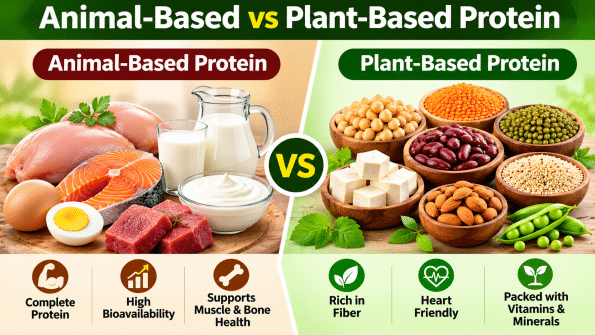
Protein foods can generally be divided into two main categories: animal-based and plant-based.
Animal-Based Protein
Examples include:
- Eggs
- Chicken
- Fish
- Milk
- Yogurt
- Cottage cheese
- Beef
Most animal-based protein foods provide all nine essential amino acids in sufficient proportions and are considered complete protein sources.
Plant-Based Protein
Examples include:
- Lentils
- Chickpeas
- Kidney beans
- Soybeans
- Almonds
- Peanuts
- Pumpkin seeds
- Chia seeds
- Quinoa
Some plant proteins have lower amounts of particular essential amino acids. However, eating a variety of plant foods throughout the day can help provide all essential amino acids.
Soy and quinoa are examples of plant foods that provide all nine essential amino acids.
How Much Protein Do You Need Every Day?
Daily protein requirements depend on age, body weight, physical activity, health conditions and individual goals.
For most healthy adults, the basic recommended dietary allowance is approximately 0.8 grams of protein per kilogram of body weight per day.
For example:
| Body Weight | Basic Daily Protein |
|---|---|
| 50 kg | 40 g |
| 60 kg | 48 g |
| 70 kg | 56 g |
| 80 kg | 64 g |
| 90 kg | 72 g |
| 100 kg | 80 g |
People who exercise regularly, participate in strength training or are recovering from certain illnesses may need more protein. Older adults may also benefit from individualized protein targets.
People with kidney disease or certain other medical conditions should discuss their protein requirements with a healthcare professional.
Best High-Protein Foods for Vegetarians
Vegetarians can obtain sufficient protein from a variety of natural foods.
Some excellent options include:
- Soybeans
- Lentils
- Chickpeas
- Kidney beans
- Greek yogurt
- Milk
- Cottage cheese
- Almonds
- Peanuts
- Pumpkin seeds
Combining different protein sources throughout the day can help provide a balanced range of amino acids.
For example, daal with whole-wheat roti is a practical traditional meal that combines different plant protein sources.
Best High-Protein Foods for Muscle Growth
People who want to build muscle need sufficient protein along with appropriate resistance exercise, calories and recovery.
Some useful foods include:
- Eggs
- Chicken breast
- Fish
- Milk
- Greek yogurt
- Cottage cheese
- Soybeans
- Lentils
- Chickpeas
- Pumpkin seeds
Eating protein-containing meals throughout the day can help support muscle protein synthesis.
Remember that protein alone does not build muscle. Regular strength training, adequate energy intake and sufficient sleep are also important.
Best Affordable High-Protein Foods in Pakistan
You do not need expensive imported foods to eat a protein-rich diet.
Many affordable foods are easily available in Pakistani markets.
Budget-Friendly Protein Sources
1. Eggs: An affordable and convenient source of complete protein.
2. Daal: Masoor, moong and chana daal provide plant-based protein and fibre.
3. Chana: Boiled and roasted chickpeas are nutritious and versatile.
4. Milk: A convenient source of dairy protein and calcium.
5. Yogurt: A traditional food that contributes protein and calcium.
6. Peanuts: An economical snack containing protein and healthy fats.
7. Soybeans: A useful plant-based protein source.
8. Chicken: A versatile source of high-quality protein.
These foods can help families improve their daily protein intake without relying entirely on expensive supplements.
Simple High-Protein Meal Plan
Here is an example of a balanced daily meal plan using commonly available foods.
Breakfast
- 2 boiled eggs
- 1 glass of milk
- Whole-wheat bread
Mid-Morning Snack
- A small handful of almonds
- 1 fruit
Lunch
- 1 serving of chicken or daal
- Whole-wheat roti
- Fresh vegetable salad
- Plain yogurt
Evening Snack
- Roasted chickpeas
- Unsweetened tea
Dinner
- Grilled fish, chicken or kidney beans
- Cooked vegetables
- Whole-wheat roti
This is an example rather than a prescribed diet. Portions should be adjusted according to individual energy and protein needs.
Are High-Protein Foods Safe for Everyone?
Protein is essential for good health, but individual requirements can vary.
For most healthy people, obtaining protein from a variety of nutritious foods is generally safe.
However, some precautions are important:
- People with chronic kidney disease may need individualized protein intake.
- People with lactose intolerance may prefer lactose-free dairy products.
- People with food allergies should avoid the relevant allergenic foods.
- Processed meats should not be the main source of daily protein.
- Excessive reliance on protein supplements can make the diet less balanced.
- People with medical conditions should seek individualized dietary advice.
A balanced diet should include protein, carbohydrates, healthy fats, vitamins, minerals and fibre.
Conclusion
High-protein foods play an important role in maintaining muscles, repairing tissues, supporting immunity and promoting overall health.
Fortunately, there are many natural protein sources available, including eggs, chicken, fish, milk, yogurt, lentils, chickpeas, beans, nuts and seeds.
For people living in Pakistan, traditional foods such as daal, chana, eggs, milk and yogurt offer affordable ways to improve daily protein intake.
Instead of depending entirely on expensive supplements, focus on eating a variety of whole, nutritious foods. A balanced diet combined with regular physical activity and healthy lifestyle habits can support long-term wellness.
Frequently Asked Questions (FAQs)
1. What are the best high-protein foods?
Some of the best high-protein foods include chicken breast, fish, eggs, milk, Greek yogurt, lentils, chickpeas, soybeans, nuts and seeds.
2. Which fruit contains the most protein?
Most fruits are not particularly high in protein. Guava, jackfruit and blackberries provide some protein, but fruits should not be considered primary protein sources.
3. Which vegetarian food is highest in protein?
Cooked soybeans are among the richest commonly consumed whole plant-based protein foods, providing approximately 18 grams per 100 grams.
4. Are eggs a good source of protein?
Yes. One large egg contains approximately 6–7 grams of high-quality protein and provides all nine essential amino acids.
5. Is daal a good source of protein?
Yes. Cooked lentils provide approximately 9 grams of protein per 100 grams, along with fibre, iron and folate.
6. Can I build muscle without protein powder?
Yes. You can obtain sufficient protein from natural foods such as eggs, chicken, fish, milk, yogurt, lentils, beans and soybeans.
7. How can I increase protein naturally?
Include a protein-rich food in every main meal. Eat eggs at breakfast, daal or chicken at lunch, and fish, beans or yogurt at dinner.
8. Are nuts high in protein?
Yes. Almonds, peanuts and pistachios contain protein, but they are also calorie-dense and should be eaten in appropriate portions.
9. Is milk a complete protein?
Yes. Milk contains all nine essential amino acids and provides high-quality complete protein.
10. Which high-protein foods are best for weight management?
Eggs, chicken breast, fish, lentils, beans, plain yogurt and other minimally processed protein foods can help support fullness and balanced weight management.
Disclaimer: This article is for educational purposes only and does not replace professional medical or nutritional advice.