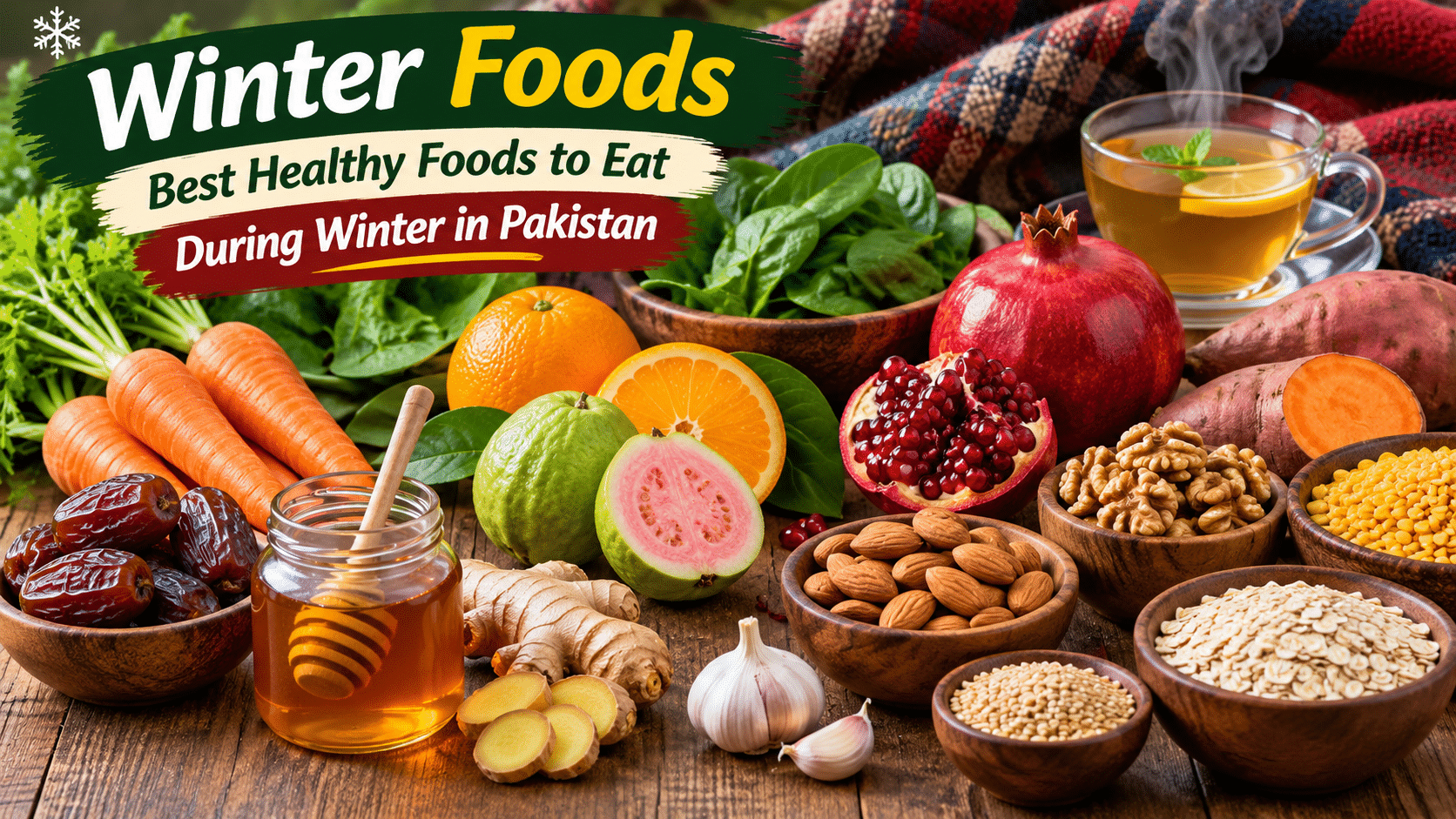
What Are Winter Foods?
Winter foods are seasonal fruits, vegetables, nuts, seeds, grains, and other nutritious foods commonly consumed during colder months.
These foods provide essential nutrients such as vitamins, minerals, antioxidants, fiber, healthy fats, and protein. Some winter foods are traditionally eaten warm, while others are enjoyed fresh or dried.
A balanced winter diet should include:
- Seasonal fruits and vegetables
- Nuts and seeds
- Whole grains
- Protein-rich foods
- Healthy fats
- Warm soups and beverages
- Adequate water
Eating a variety of nutritious foods helps maintain a balanced diet throughout the winter season.
20 Best Healthy Foods to Eat During Winter
1. Carrots
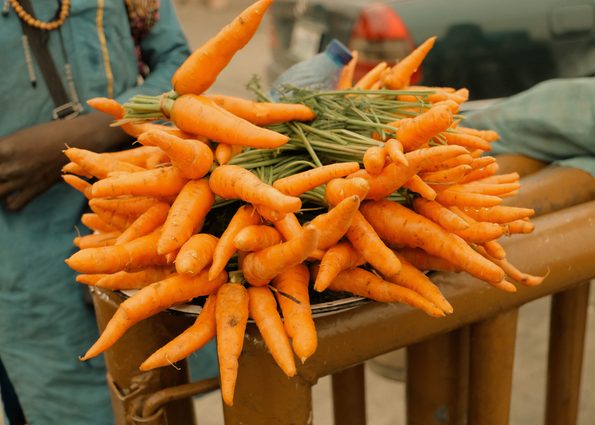
Carrots are among the most popular winter vegetables in Pakistan. They are rich in beta-carotene, which the body converts into vitamin A.
Health Benefits of Carrots:
- Support normal eye health.
- Provide antioxidants.
- Support healthy skin.
- Supply dietary fiber.
- Contribute to normal immune function.
Carrots can be eaten raw, cooked, added to salads, or prepared as traditional gajar ka halwa. For a healthier option, enjoy fresh carrots or lightly cooked carrots with minimal added sugar.
2. Oranges
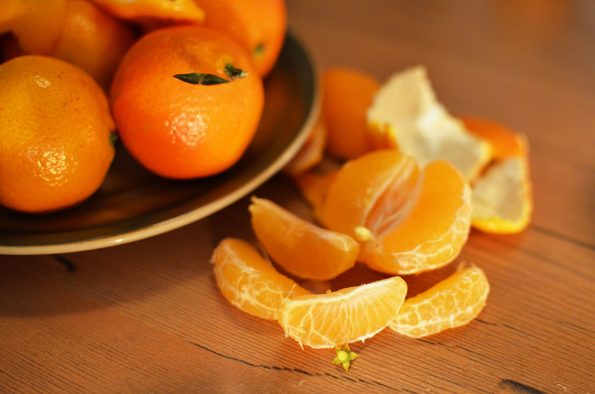
Oranges are delicious winter fruits and an excellent source of vitamin C. Vitamin C is an essential nutrient that supports normal immune function and collagen production.
Health Benefits of Oranges:
- Support normal immune function.
- Help maintain healthy skin.
- Provide antioxidants.
- Support collagen formation.
- Supply hydration and dietary fiber.
Eating whole oranges is generally better than drinking juice because whole fruit contains more fiber.
3. Dates

Dates are nutritious fruits commonly consumed during winter in Pakistan. They provide natural sugars, fiber, potassium, and other minerals.
Health Benefits of Dates:
- Provide quick energy.
- Support digestive health through dietary fiber.
- Supply potassium.
- Help satisfy sweet cravings.
- Provide antioxidants.
Dates can be eaten as a snack or combined with milk, almonds, or walnuts. People with diabetes should consider portion sizes because dates contain concentrated natural sugars.
4. Almonds

Almonds are nutritious nuts containing healthy fats, protein, vitamin E, magnesium, and fiber.
Health Benefits of Almonds:
- Support heart health.
- Provide vitamin E.
- Help maintain normal muscle function.
- Support healthy skin.
- Provide energy and protein.
A small handful of almonds can make a nutritious winter snack. Choose unsalted almonds whenever possible.
5. Walnuts
Walnuts are particularly valuable because they contain plant-based omega-3 fatty acid called alpha-linolenic acid (ALA).
Health Benefits of Walnuts:
- Provide healthy unsaturated fats.
- Support cardiovascular health.
- Supply antioxidants.
- Provide plant-based omega-3 fats.
- Contribute to a balanced diet.
Add walnuts to oatmeal, salads, smoothies, or enjoy them as a snack.
6. Spinach

Spinach is a nutrient-rich green leafy vegetable commonly available during winter.It contains vitamins A, C, and K, folate, iron, and antioxidants.
Health Benefits of Spinach:
- Supports normal blood health.
- Helps maintain healthy bones.
- Provides antioxidants.
- Supports normal immune function.
- Supplies dietary fiber.
Spinach can be used in soups, salads, vegetable dishes, and traditional Pakistani saag.
7. Sweet Potatoes
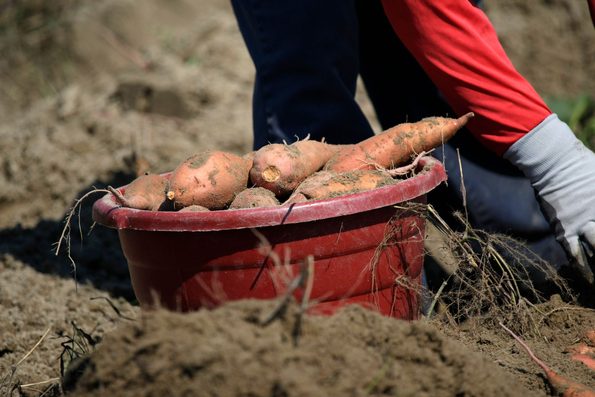
Sweet potatoes are nutritious root vegetables containing complex carbohydrates, fiber, potassium, and beta-carotene.
Health Benefits of Sweet Potatoes:
- Provide sustained dietary energy.
- Support digestive health.
- Supply antioxidants.
- Support normal eye health.
- Contribute to a healthy diet.
Boiled, steamed, or baked sweet potatoes are healthier choices than deep-fried preparations.
8. Guava
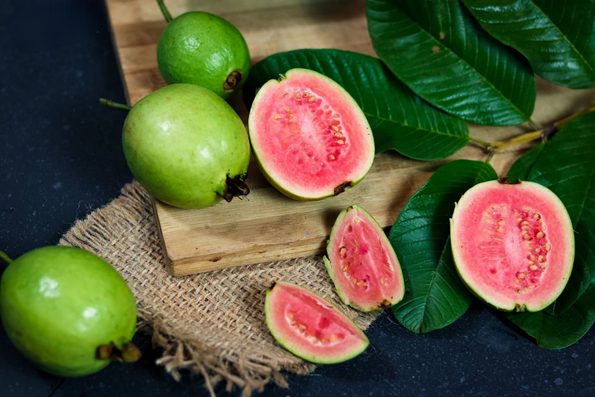
Guava is one of the best winter fruits available in Pakistan. It is especially rich in vitamin C and dietary fiber.
Health Benefits of Guava:
- Supports normal immune function.
- Provides antioxidants.
- Supports digestive health.
- Helps maintain healthy skin.
- Provides dietary fiber.
Fresh guava makes an excellent winter snack. Wash it properly before eating.
9. Pomegranates
Pomegranates contain antioxidants called polyphenols, along with fiber and several essential nutrients.
Health Benefits of Pomegranates:
- Provide antioxidant compounds.
- Support cardiovascular health as part of a balanced diet.
- Supply dietary fiber.
- Help add variety to fruit consumption.
- Provide hydration.
Enjoy fresh pomegranate seeds in salads, fruit bowls, or as a snack.
10. Mustard Greens (Sarson Ka Saag)
Sarson ka saag is a traditional winter food in Pakistan, particularly in Punjab. Mustard greens contain vitamins A, C, and K, along with folate and fiber.
Health Benefits of Mustard Greens:
- Provide antioxidants.
- Support normal bone health.
- Supply essential vitamins.
- Support digestive health.
- Contribute to normal immune function.
Enjoy homemade sarson ka saag with makki ki roti. Use moderate amounts of butter or ghee to keep the meal balanced.
Best Winter Foods for Different Health Goals
Different foods provide different nutrients. Here are some useful choices depending on your nutritional goals.
| Health Goal | Foods to Include |
|---|---|
| Immune function | Oranges, guava, amla |
| Healthy skin | Carrots, almonds, walnuts |
| Digestive health | Oats, lentils, spinach |
| Heart health | Walnuts, oats, garlic |
| Bone health | Milk, yogurt, sesame seeds |
| Daily energy | Dates, eggs, sweet potatoes |
| Healthy eating | Seasonal fruits and vegetables |
Remember that no single food can prevent or cure a disease. Overall dietary patterns, physical activity, sleep, and medical care all contribute to good health.
Best Winter Foods for Strong Immunity
The immune system requires several nutrients to function normally. A varied diet can help provide these nutrients.
Some useful winter foods include:
- Oranges: Rich in vitamin C.
- Guava: Provides vitamin C and fiber.
- Amla: Contains vitamin C and antioxidants.
- Almonds: Provide vitamin E.
- Spinach: Supplies folate and vitamins.
- Yogurt: May provide beneficial live cultures.
- Garlic: Contains sulfur-containing plant compounds.
Eating these foods regularly as part of a balanced diet can help support normal immune function. However, no food guarantees protection against infections.
Healthy Winter Drinks to Try
Warm beverages are popular during colder months. Here are some simple options:
1. Ginger Tea
Add a few slices of fresh ginger to hot water. Simmer for several minutes and strain. Add lemon if desired.
2. Cinnamon Tea
Add a small cinnamon stick to hot water and steep for 5–10 minutes. Enjoy without excessive sugar.
3. Fennel Tea
Add crushed fennel seeds to hot water and allow them to steep. Strain before drinking.
4. Turmeric Milk
Mix a small amount of turmeric into warm milk. Add a pinch of black pepper for flavor if desired.
5. Lemon and Honey Water
Mix lemon juice and a small amount of honey into warm water. Avoid adding honey to boiling water.
These beverages can be enjoyable additions to a healthy winter routine, but they should not replace medical treatment.
Foods to Limit During Winter

Cold weather and holidays can sometimes encourage overeating. It is helpful to limit foods that provide excessive calories, salt, and added sugar.
Consider reducing:
- Deep-fried snacks such as pakoras and samosas.
- Excessively sugary winter sweets.
- Processed foods high in sodium.
- Sugary beverages and packaged juices.
- Large portions of calorie-dense desserts.
- Excessive amounts of ghee and butter.
You do not need to completely avoid traditional winter foods. Enjoy them in reasonable portions as part of a balanced diet.
A Simple Healthy Winter Diet Plan
Here is an example of a balanced daily winter meal plan using commonly available foods in Pakistan.
| Meal | Suggested Foods |
|---|---|
| Early Morning | Warm water or unsweetened herbal tea |
| Breakfast | Boiled eggs, whole-wheat roti and guava |
| Mid-Morning | A handful of almonds and walnuts |
| Lunch | Daal, seasonal vegetables and whole-wheat roti |
| Evening Snack | Orange or pomegranate |
| Dinner | Vegetable soup, chicken or lentils |
| Before Bed | Warm milk, if suitable |
Adjust portion sizes according to your age, activity level, health conditions, and nutritional requirements.
Tips for Staying Healthy During Winter

Along with eating nutritious foods, follow these simple habits:
- Eat seasonal fruits and vegetables regularly.
- Drink enough water throughout the day.
- Include protein in your meals.
- Choose whole grains instead of refined grains more often.
- Maintain regular physical activity.
- Get adequate sleep.
- Wash fruits and vegetables properly.
- Avoid excessive sugar and fried foods.
- Maintain good personal hygiene.
- Get recommended vaccinations and medical care when appropriate.
Frequently Asked Questions (FAQs)
1. Which foods are best to eat during winter?
Some of the best winter foods include oranges, guava, carrots, spinach, sweet potatoes, almonds, walnuts, dates, eggs, oats, and lentils. These foods provide essential nutrients that support overall health.
2. Which fruits are best during winter in Pakistan?
Oranges, guava, pomegranates, apples, kinnow, and amla are popular winter fruits in Pakistan. They provide vitamins, minerals, antioxidants, and dietary fiber.
3. Which dry fruits are good for winter?
Almonds, walnuts, pistachios, dates, and dried figs are nutritious choices. They provide healthy fats, fiber, minerals, and energy.
4. What should we eat for breakfast in winter?
Healthy winter breakfast options include boiled eggs, oatmeal, whole-wheat roti, milk, yogurt, seasonal fruits, and a small portion of nuts.
5. Which foods help support immunity during winter?
Foods containing vitamin C, vitamin A, vitamin E, zinc, and protein help provide nutrients required for normal immune function. Examples include oranges, guava, carrots, almonds, eggs, lentils, and leafy vegetables.
6. Is honey good to eat during winter?
Honey can be used as a natural sweetener and may help soothe cough symptoms. However, it contains sugar and should be consumed in moderation. Never give honey to infants under 12 months.
7. Are nuts good for daily consumption during winter?
Yes, nuts can be part of a healthy daily diet. Almonds and walnuts provide healthy fats, protein, fiber, and essential nutrients. A small handful is generally a reasonable serving for many adults.
8. Should we drink more water during winter?
Yes. Hydration remains important during winter, even when you do not feel thirsty. Drink water regularly throughout the day.
9. Are warm herbal teas beneficial during winter?
Unsweetened ginger, fennel, and cinnamon teas can be enjoyable warm beverages. However, herbs may interact with certain medicines, so people taking medication should check for possible interactions.
10. What foods should be avoided during winter?
Try to limit excessive fried foods, sugary drinks, processed snacks, and foods containing too much added sugar or salt. Focus on a balanced diet rather than completely eliminating traditional foods.
Conclusion
Winter is an excellent opportunity to enjoy a variety of seasonal and nutritious foods. From oranges, guava, and carrots to almonds, walnuts, spinach, and sweet potatoes, many foods available in Pakistan can help provide essential nutrients during the colder months.
A healthy winter diet should include fruits, vegetables, whole grains, protein-rich foods, nuts, seeds, and adequate water. Combine these foods with regular exercise, sufficient sleep, and healthy daily habits to support your overall well-being.
At New Pansari.pk – Herbal & Natural Wellness Store, we believe that informed food choices and balanced nutrition are important parts of a healthy lifestyle. Enjoy seasonal foods and make nutritious eating a part of your everyday routine.
Disclaimer: This article is for educational purposes only and is not intended to replace professional medical advice, diagnosis, or treatment.