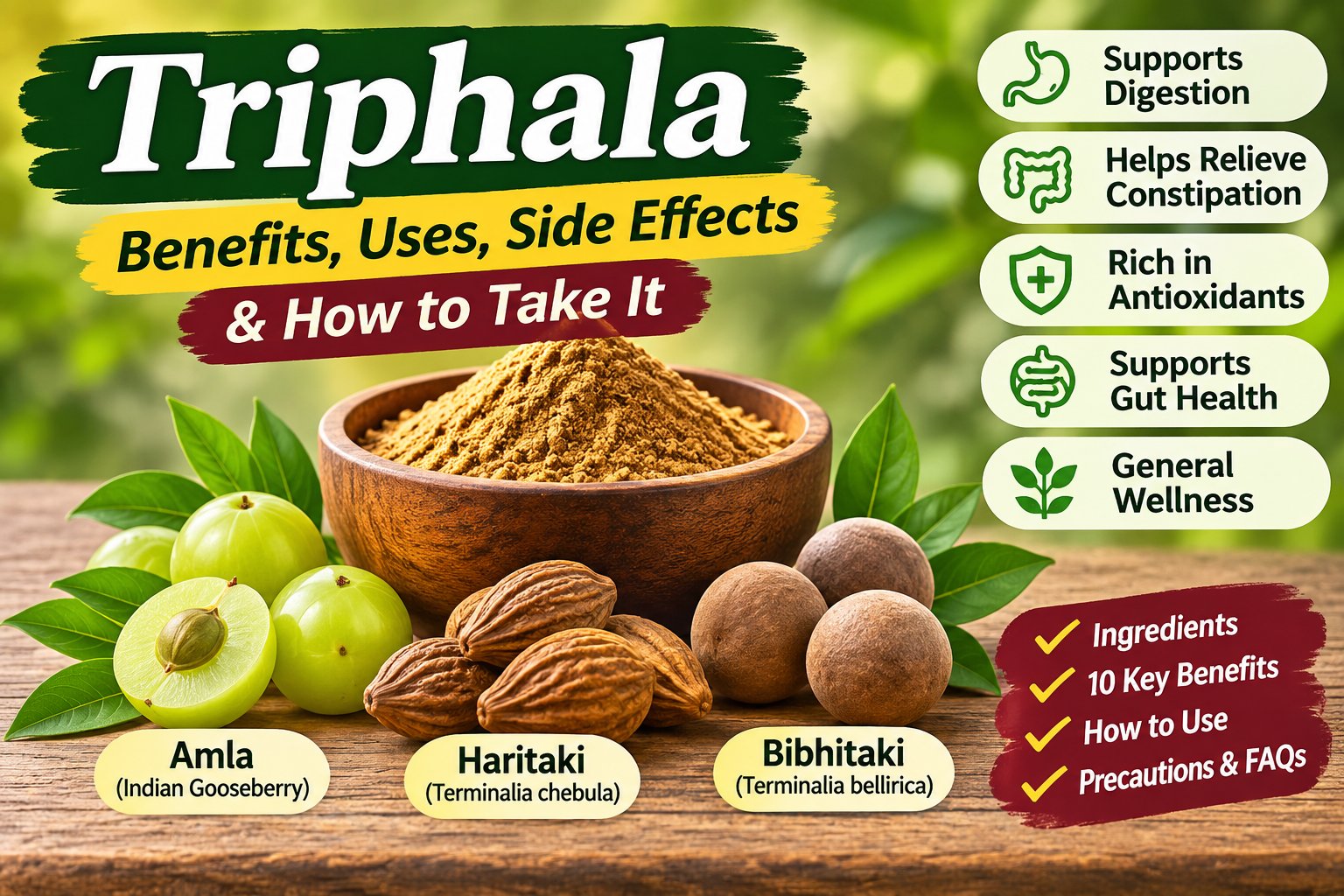
Triphala is a traditional herbal formulation widely used in Ayurvedic medicine for digestive health and general wellness. Made from three powerful fruits, Amla, Haritaki and Bibhitaki, Triphala has been used for centuries as a natural herbal preparation.
Today, Triphala is available in different forms, including Triphala powder, capsules, tablets and herbal extracts. Many people use it as part of their wellness routine, particularly for digestive support and occasional constipation.
But what exactly is Triphala? What are its potential health benefits, how should it be used, and are there any side effects?
In this complete guide, we will explore everything you need to know about Triphala, including its ingredients, traditional uses, potential benefits, preparation methods, precautions and frequently asked questions.
What Is Triphala?
Triphala is a traditional herbal formulation made from the dried fruits of three medicinal plants. The word Triphala comes from two Sanskrit words: “Tri,” meaning three, and “Phala,” meaning fruits.
These three fruits are:
- Amla (Emblica officinalis) – Indian Gooseberry
- Haritaki (Terminalia chebula) – Chebulic Myrobalan
- Bibhitaki (Terminalia bellirica) – Beleric Myrobalan
Traditionally, these ingredients are combined in equal proportions to prepare Triphala powder, also known as Triphala Churna.
In traditional Ayurvedic practice, Triphala is commonly used to support digestion, bowel regularity and overall wellness.
The formulation contains naturally occurring plant compounds, including tannins, polyphenols and other antioxidants. However, scientific research on its health benefits in humans is still developing.
Three Main Ingredients of Triphala
Triphala combines three different fruits, each with its own traditional uses and nutritional characteristics.
1. Amla (Indian Gooseberry)
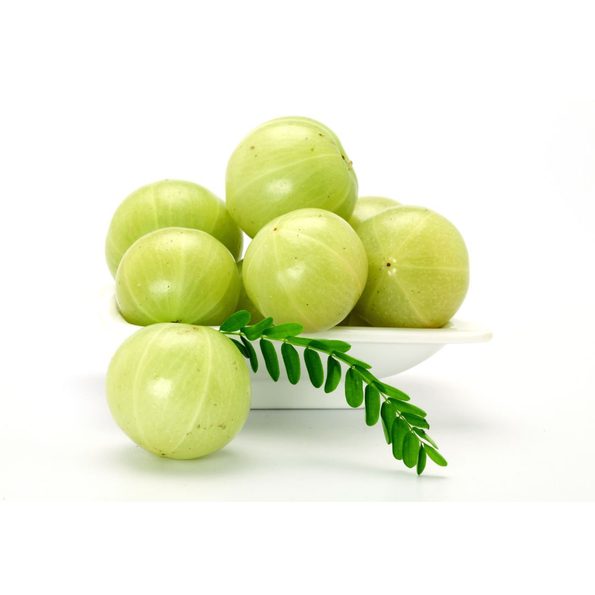
Amla, also known as Indian Gooseberry, is a small green fruit traditionally used in Ayurvedic and Unani herbal preparations.
It naturally contains vitamin C and various antioxidant plant compounds.
Traditional uses of Amla:
- Supports general wellness.
- Provides natural antioxidant compounds.
- Traditionally used for digestive support.
- Commonly included in hair and skin care preparations.
- Used in traditional herbal tonics.
2. Haritaki (Terminalia chebula)
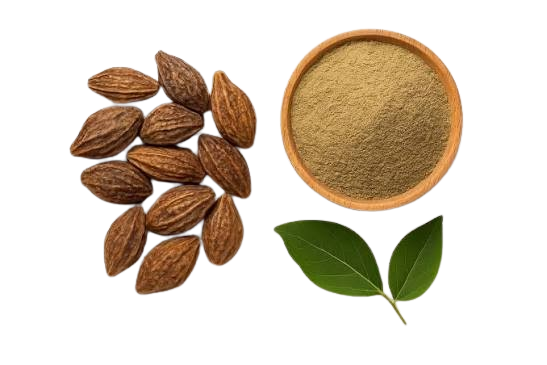
Haritaki, commonly known as Harad, is another important ingredient in Triphala. Its dried fruit has a long history of use in traditional herbal medicine.
Haritaki is particularly valued in traditional Ayurveda for digestive and bowel health.
Traditional uses of Haritaki:
- Traditionally used to support bowel regularity.
- Commonly included in digestive herbal formulations.
- Contains naturally occurring tannins and polyphenols.
- Traditionally used in preparations for general wellness.
3. Bibhitaki (Terminalia bellirica)

Bibhitaki, also called Baheda or Bahera, is the third fruit used in Triphala.
It contains naturally occurring plant compounds and is traditionally included in herbal formulations for digestive and respiratory wellness.
Traditional uses of Bibhitaki:
- Traditionally used for digestive support.
- Contains antioxidant plant compounds.
- Commonly used in Ayurvedic herbal preparations.
- Traditionally included in respiratory wellness formulations.
10 Potential Health Benefits of Triphala
Triphala has attracted interest because of its traditional uses and the plant compounds found in its three ingredients. However, not all traditionally claimed benefits have been confirmed through high-quality human studies.
Here are ten potential benefits and traditional uses of Triphala.
1. Supports Digestive Health
One of the most well-known traditional uses of Triphala is digestive support.
Its three ingredients contain various natural plant compounds that have been studied for their effects on digestive processes.
Triphala is traditionally used to support normal digestion and maintain digestive comfort.
A healthy digestive routine should also include adequate water, dietary fibre, fruits and vegetables.
2. May Help Relieve Occasional Constipation
Triphala is traditionally used as a mild herbal laxative to help relieve occasional constipation.
It is commonly included in traditional formulations intended to support bowel regularity.
However, individual responses can vary, and excessive use may cause loose stools or diarrhoea.
People experiencing persistent constipation should consult a healthcare professional to identify the underlying cause.
3. Provides Natural Antioxidants
All three fruits used in Triphala contain naturally occurring antioxidant compounds.
Antioxidants help protect cells from oxidative damage caused by unstable molecules known as free radicals.
Amla, Haritaki and Bibhitaki contain different types of polyphenols and other plant compounds that contribute to their antioxidant properties.
Including a variety of antioxidant-rich foods in your diet can support overall health.
4. Supports Gut Health
A healthy gut plays an important role in digestion, nutrient absorption and normal immune function.
Researchers have investigated Triphala for its possible effects on gut bacteria and intestinal health.
Some laboratory and early research findings suggest that Triphala may influence the composition of gut microorganisms.
However, more human research is required before these effects can be considered established health benefits.
5. May Support Oral Health
Triphala has also been studied for its potential oral health benefits.
Some research has examined Triphala mouthwash and its effects on dental plaque and oral bacteria.
Traditional herbal preparations containing Triphala have been used for oral hygiene.
However, Triphala should not replace regular brushing, flossing, dental check-ups or professional dental treatment.
6. Contains Anti-Inflammatory Plant Compounds
The three fruits in Triphala contain various naturally occurring polyphenols and other bioactive compounds.
Laboratory studies have investigated their potential anti-inflammatory properties.
These findings are interesting, but laboratory results do not automatically prove that taking Triphala supplements reduces inflammation or treats inflammatory diseases in humans.
7. May Support Metabolic Wellness
Some early studies have investigated Triphala for its possible effects on blood sugar and cholesterol-related measurements.
A small human study examined the short-term safety of an aqueous Triphala extract in healthy volunteers.
However, this research is not enough to establish Triphala as a treatment for diabetes or high cholesterol.
People taking blood sugar-lowering medicines should consult their healthcare professional before using Triphala.
8. Supports General Wellness
Triphala has traditionally been used as a rejuvenating herbal formulation in Ayurveda.
Its three fruits provide a combination of naturally occurring plant compounds.
Some people include Triphala in their wellness routines as part of a balanced diet and healthy lifestyle.
It should not be considered a substitute for nutritious food, physical activity or appropriate medical care.
9. May Support Skin Health
Amla, Haritaki and Bibhitaki contain naturally occurring antioxidant compounds.
These compounds have been investigated for their potential effects on oxidative stress and skin-related biological processes.
However, there is insufficient clinical evidence to claim that oral Triphala can treat acne, pigmentation, eczema or other skin diseases.
10. May Support Hair and Scalp Wellness
Amla is traditionally used in various herbal hair care preparations, and Triphala contains Amla along with two other fruits.
Traditional hair care products may include Triphala extracts or powders.
However, evidence that taking Triphala orally promotes hair growth or treats hair loss is limited.
People experiencing persistent hair loss should seek medical evaluation to identify possible nutritional, hormonal or other causes.
How to Use Triphala
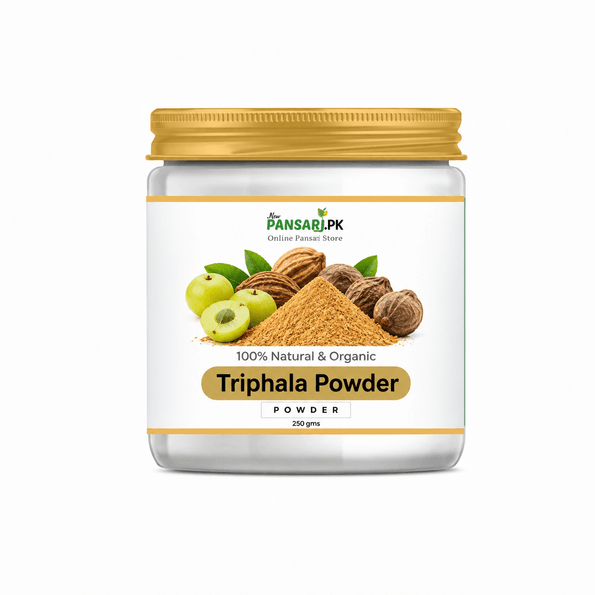
Triphala is available in several forms. The appropriate method depends on the product, its formulation and the individual’s health requirements.
1. Triphala Powder
Triphala powder, also known as Triphala Churna, is one of the traditional ways to consume this herbal formulation.
It can be mixed with water according to the product’s directions.
Always follow the recommended serving instructions on the packaging rather than assuming that every Triphala powder has the same strength.
2. Triphala Capsules
Triphala capsules offer a convenient alternative for people who do not prefer the taste of herbal powder.
Capsules may contain powdered fruits or concentrated extracts.
Check the ingredient list, serving size and extract concentration before purchasing.
3. Triphala Herbal Tea
Some people prepare Triphala as a herbal infusion.
The preparation method and strength can vary depending on the powder and product instructions.
Avoid combining multiple herbal supplements without professional advice.
Best Time to Take Triphala
The best time to take Triphala depends on the product formulation, individual tolerance and reason for use.
Some traditional preparations are taken in the evening or before bedtime, while others may be used at different times.
There is no universally established best time supported by strong clinical evidence.
Follow the manufacturer’s directions and consult a qualified healthcare professional if you take regular medication.
Triphala Side Effects
Although Triphala is a traditional herbal formulation, natural products can still cause unwanted effects.
Possible side effects include:
- Loose stools.
- Diarrhoea.
- Abdominal discomfort.
- Stomach cramps.
- Nausea.
- Digestive irritation.
These effects may be more likely with excessive amounts or products that do not suit an individual’s digestive system.
Stop using the product and seek medical advice if you experience significant or persistent symptoms.
Who Should Avoid Triphala?
Certain individuals should seek professional medical advice before using Triphala.
Pregnant and breastfeeding women: There is insufficient safety information to recommend routine use during pregnancy or breastfeeding.
People with diabetes: Triphala may affect blood glucose levels. People taking diabetes medication should consult their healthcare provider before use.
People with chronic digestive problems: Individuals with persistent diarrhoea, inflammatory bowel conditions or unexplained abdominal symptoms should seek medical advice.
People taking regular medication: Herbal products may interact with medicines or affect their absorption. A pharmacist or doctor can assess possible interactions.
Children: Do not give concentrated Triphala supplements to children without professional guidance.
Triphala vs Amla: What Is the Difference?
Both Triphala and Amla are popular ingredients in traditional herbal preparations, but they are not the same.
| Feature | Triphala | Amla |
|---|---|---|
| Composition | Three fruits | One fruit |
| Main ingredients | Amla, Haritaki, Bibhitaki | Amla |
| Traditional use | Digestive and general wellness | General wellness and nutrition |
| Preparation | Powder, capsules, extracts | Powder, juice, capsules |
| Plant compounds | Various compounds from three fruits | Compounds from Amla |
Triphala combines three fruits, whereas Amla is a single botanical ingredient.
How to Choose Good Quality Triphala Powder in Pakistan
If you are purchasing Triphala powder in Pakistan, product quality should be an important consideration.
Here are some useful buying tips:
- Check the ingredients: A traditional Triphala formulation should contain Amla, Haritaki and Bibhitaki.
- Check the botanical names: Look for the correct botanical identities on the packaging.
- Check product freshness: Choose products with clear manufacturing and expiry dates.
- Check packaging: Properly sealed packaging helps protect the powder from moisture and contamination.
- Look for quality information: Prefer sellers who provide batch details and relevant quality-testing information.
- Compare prices carefully: Extremely cheap products may not always offer reliable quality.
- Purchase from a trusted seller: Choose a reputable herbal store with transparent product information.
Customers looking for Triphala powder in Pakistan should compare product ingredients, quality and packaging before purchasing.
Frequently Asked Questions About Triphala
1. What is Triphala made of?
Triphala is traditionally made from three dried fruits: Amla (Emblica officinalis), Haritaki (Terminalia chebula) and Bibhitaki (Terminalia bellirica).
2. What are the main benefits of Triphala?
Triphala is traditionally used for digestive support, occasional constipation and general wellness. It also contains naturally occurring antioxidant plant compounds.
3. Is Triphala good for constipation?
Triphala is traditionally used as a mild laxative for occasional constipation. However, it may cause diarrhoea or abdominal discomfort in some people.
4. Can Triphala be taken daily?
Daily use depends on the formulation, serving size and individual health status. Consult a qualified healthcare professional before making it part of a long-term routine.
5. What is Triphala powder called in Urdu?
Triphala powder is commonly called Triphala Churna. Its ingredients are known as Amla, Harar and Bahera.
6. What is the best time to take Triphala?
Traditional preparations are sometimes taken in the evening or before bedtime. However, there is no universally established best time. Follow the product instructions.
7. Does Triphala help with weight loss?
Some laboratory and animal studies have investigated Triphala for metabolic and body-weight-related effects. However, strong human evidence supporting Triphala as a weight-loss treatment is lacking.
8. Does Triphala have any side effects?
Possible side effects include diarrhoea, loose stools, abdominal cramps and digestive discomfort.
9. Can Triphala help improve digestion?
Triphala has a long history of traditional use for digestive support. However, its effectiveness for specific digestive conditions requires further human research.
10. Where can I buy Triphala powder in Pakistan?
You can look for Triphala powder at reputable herbal stores and online herbal wellness shops in Pakistan. Always check the ingredients, packaging and quality information before buying.
Conclusion
Triphala is a traditional herbal formulation made from Amla, Haritaki and Bibhitaki. It has a long history of use in Ayurveda, particularly for digestive support, bowel regularity and general wellness.
Its three ingredients contain naturally occurring antioxidant compounds that have attracted scientific interest. Early research has explored its possible effects on digestive health, oral hygiene, gut microorganisms and metabolic wellness.
However, more high-quality human studies are needed to confirm many of its traditional uses.
If you are considering Triphala as part of your wellness routine, choose a quality product, follow its directions and consult a healthcare professional when necessary.
At New Pansari.pk – Herbal & Natural Wellness Store, our goal is to help customers learn about traditional herbs and make informed choices about natural wellness products.