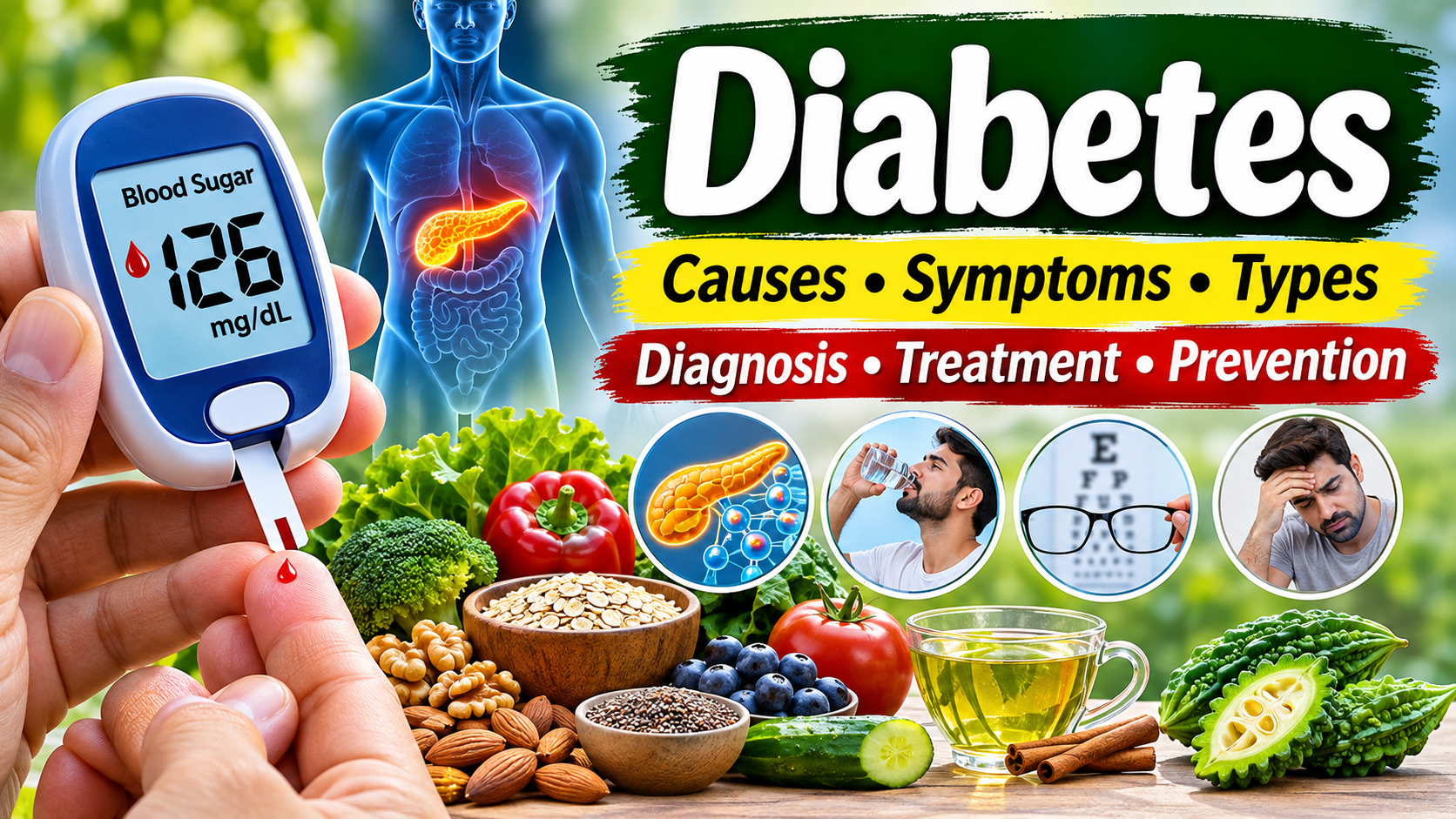
Diabetes is a chronic health condition that affects how the body converts food into energy. It occurs when the blood glucose (blood sugar) level becomes too high because the body does not produce enough insulin or cannot use insulin properly.
Diabetes is one of the most common health conditions worldwide. If left unmanaged, it can affect the heart, kidneys, eyes, nerves, and other organs. However, with proper treatment, healthy eating habits, regular physical activity, and blood sugar monitoring, people with diabetes can live healthy and active lives.
In this comprehensive guide, we will explore the types of diabetes, causes, early symptoms, risk factors, diagnosis, treatment options, natural approaches, and prevention tips.
What Is Diabetes?
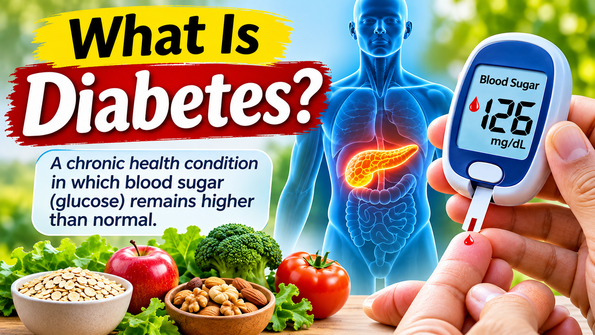
Diabetes mellitus is a metabolic disorder characterized by elevated blood glucose levels. Glucose is the body’s primary source of energy, and it comes mainly from the foods we eat.
The pancreas produces a hormone called insulin, which helps glucose move from the bloodstream into the body’s cells, where it is used for energy.
When the body does not produce enough insulin or becomes resistant to its effects, glucose builds up in the blood instead of entering the cells. This results in high blood sugar, a condition known as hyperglycemia.
Over time, uncontrolled diabetes can damage various organs and tissues.
Types of Diabetes
There are several types of diabetes, but the three main types are:
- Type 1 Diabetes
- Type 2 Diabetes
- Gestational Diabetes
What Are the Causes of Diabetes?
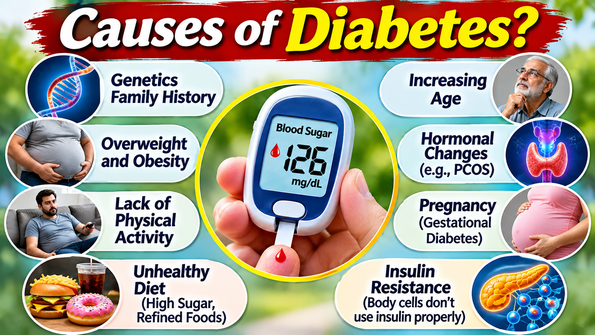
Diabetes can develop due to problems with insulin production, insulin resistance, or a combination of both. The exact causes depend on the type of diabetes.
Common causes and contributing factors include:
- Genetics: A family history of diabetes can increase the risk.
- Insulin resistance: Body cells become less responsive to insulin.
- Excess body weight: Overweight and obesity can increase the risk of type 2 diabetes.
- Physical inactivity: A sedentary lifestyle can contribute to insulin resistance.
- Unhealthy eating habits: Regularly consuming excessive calories, sugary drinks, and highly processed foods can contribute to weight gain and metabolic problems.
- Age: The risk of type 2 diabetes generally increases with age.
- Hormonal changes: Certain hormonal conditions can affect insulin sensitivity.
- Pregnancy: Hormonal changes during pregnancy can contribute to gestational diabetes.
Type 1 diabetes has a different cause. It develops when the immune system mistakenly attacks insulin-producing cells in the pancreas. It is not caused by eating too much sugar.
Common Symptoms of Diabetes
Recognizing the early symptoms of diabetes is important because early diagnosis can help prevent serious complications.
The most common symptoms include:
- Frequent urination: High blood sugar causes the kidneys to remove excess glucose through urine.
- Excessive thirst: Frequent urination can cause dehydration and increased thirst.
- Increased hunger: The body’s cells may not receive enough glucose for energy.
- Unexplained weight loss: The body may break down fat and muscle for energy.
- Constant fatigue: Poor glucose utilization can contribute to tiredness.
- Blurred vision: High blood sugar can affect the fluid balance in the eyes.
- Slow wound healing: Diabetes can affect blood circulation and immune function.
- Frequent infections: High blood sugar can increase susceptibility to certain infections.
- Numbness or tingling: Nerve damage can cause unusual sensations, particularly in the feet and hands.
Some people with type 2 diabetes experience no noticeable symptoms for years. Regular blood sugar testing is therefore important for people at increased risk. World Health Organization+1
Risk Factors for Diabetes
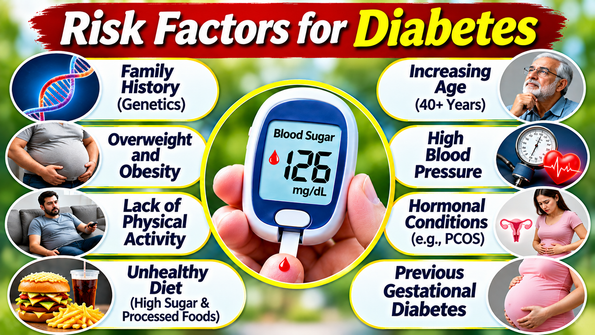
Several factors can increase the likelihood of developing diabetes, particularly type 2 diabetes.
- Family history of diabetes
- Overweight or obesity
- Lack of regular exercise
- High blood pressure
- Unhealthy dietary habits
- Previous gestational diabetes
- Prediabetes
- Increasing age
- Polycystic ovary syndrome (PCOS)
Having one or more risk factors does not necessarily mean someone will develop diabetes. However, people with these risk factors should discuss appropriate screening with a healthcare professional.
How Is Diabetes Diagnosed?
Diabetes is diagnosed through blood tests that measure glucose levels. Doctors may recommend one or more of the following tests.
1. Fasting Blood Sugar Test
This test measures blood glucose after at least eight hours without eating or drinking anything except water.
- Normal: Below 100 mg/dL
- Prediabetes: 100–125 mg/dL
- Diabetes: 126 mg/dL or higher
2. HbA1c Test
The HbA1c test measures average blood glucose levels over approximately the previous three months.
- Normal: Below 5.7%
- Prediabetes: 5.7%–6.4%
- Diabetes: 6.5% or higher
3. Oral Glucose Tolerance Test (OGTT)
This test measures blood glucose before and two hours after drinking a glucose-containing solution.
- Normal: Below 140 mg/dL
- Prediabetes: 140–199 mg/dL
- Diabetes: 200 mg/dL or higher
4. Random Blood Sugar Test
This test measures blood glucose at any time of the day. A result of 200 mg/dL or higher, together with typical symptoms, can indicate diabetes.
An abnormal result generally requires confirmation unless the clinical situation clearly establishes the diagnosis. Certain conditions can also affect HbA1c accuracy. NIDDK+1
Treatment Options for Diabetes
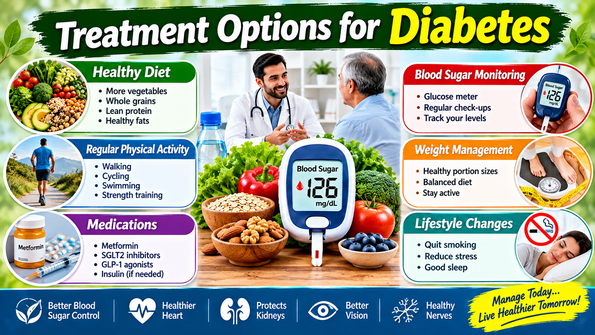
Diabetes treatment depends on the type of diabetes, blood glucose levels, overall health, and individual medical needs.
1. Healthy Diet
A balanced diet is an important part of diabetes management. People with diabetes should focus on:
- Green leafy vegetables
- Whole grains
- Beans and lentils
- Nuts and seeds
- Fresh whole fruits in appropriate portions
- Lean protein sources
- Healthy fats
Limit sugary beverages, sweets, refined carbohydrates, and highly processed foods.
2. Regular Physical Activity
Exercise helps improve insulin sensitivity and supports blood glucose control.
Suitable activities may include:
- Walking
- Cycling
- Swimming
- Light jogging
- Strength training
Many adults should aim for at least 150 minutes of moderate-intensity physical activity each week, according to their health and physical abilities.
3. Diabetes Medications
Doctors may prescribe medications such as metformin, SGLT2 inhibitors, GLP-1 receptor agonists, or other medicines depending on the patient’s condition.
Some people with type 2 diabetes also require insulin.
People with type 1 diabetes need insulin treatment to survive.
4. Blood Sugar Monitoring
Regular blood glucose monitoring helps people understand how food, exercise, medication, and daily routines affect their blood sugar.
5. Weight Management
For people with overweight or obesity, gradual and sustainable weight reduction can improve insulin sensitivity and help manage type 2 diabetes.
Natural Ways to Help Manage Diabetes
Natural lifestyle approaches can support blood sugar management, particularly in people with type 2 diabetes. However, they should complement prescribed medical treatment rather than replace it.
1. Include Fiber-Rich Foods in Your Diet
Fiber helps slow digestion and can reduce rapid increases in blood glucose after meals.
Good sources include:
- Oats
- Lentils
- Chickpeas
- Beans
- Vegetables
- Flaxseeds
- Chia seeds
2. Consider Fenugreek Seeds (Methi Dana)
Fenugreek seeds contain soluble fiber and other plant compounds that may have modest effects on blood glucose.
Some research suggests potential benefits, but the evidence is not strong enough to recommend fenugreek as a replacement for diabetes medication.
People taking glucose-lowering medicines should discuss fenugreek supplements with their healthcare professional because blood sugar may become too low.
3. Eat Bitter Gourd (Karela)
Bitter gourd is traditionally used in various herbal food preparations. It contains several plant compounds that researchers are investigating for possible effects on glucose metabolism.
However, current evidence does not establish bitter gourd as an effective diabetes treatment. Avoid relying on karela juice or extracts instead of prescribed medication.
4. Include Cinnamon in Your Diet
Cinnamon contains natural plant compounds that have been studied for their potential effects on blood glucose.
It can be included in food in moderate culinary quantities. However, research has not established that cinnamon supplements reliably control diabetes. High amounts of cassia cinnamon may also affect liver health.
5. Eat Nuts and Seeds
Nuts and seeds provide healthy fats, fiber, protein, and minerals.
Consider including:
- Almonds
- Walnuts
- Pumpkin seeds
- Flaxseeds
- Chia seeds
Choose unsalted varieties and keep portions moderate.
6. Drink Enough Water
Water supports normal hydration and helps the kidneys eliminate waste products.
Choose plain water instead of sugary drinks, packaged juices, and sweetened beverages.
7. Get Enough Quality Sleep
Poor sleep can affect hormones involved in appetite and glucose regulation.
Adults should generally aim for seven to nine hours of quality sleep each night.
8. Walk After Meals
A short walk after eating can help muscles use glucose and may reduce post-meal blood sugar increases.
Start with 10–15 minutes of comfortable walking, if medically appropriate.
Complications of Uncontrolled Diabetes
Long-term uncontrolled diabetes can damage blood vessels and nerves throughout the body.
Some common complications include:
1. Heart Disease: Diabetes increases the risk of heart attacks and other cardiovascular conditions.
2. Kidney Disease: High blood glucose can damage the kidneys and eventually lead to kidney failure.
3. Eye Problems: Diabetes can damage the blood vessels in the retina, causing diabetic retinopathy and possible vision loss.
4. Nerve Damage: Diabetic neuropathy can cause burning, pain, tingling, or numbness in the hands and feet.
5. Foot Problems: Poor circulation and nerve damage can lead to foot ulcers, infections, and serious complications.
6. Slow Wound Healing: People with diabetes may experience delayed wound healing and an increased risk of infections.
7. Dental Problems: Diabetes can increase the risk of gum disease and other oral health problems.
Regular medical check-ups and good blood glucose management can help prevent or delay many of these complications. World Health Organization+1
How to Prevent Type 2 Diabetes
Although type 1 diabetes cannot currently be prevented, many cases of type 2 diabetes can be prevented or delayed through healthy lifestyle choices.
Follow these practical tips:
- Maintain a healthy body weight.
- Exercise regularly.
- Eat a balanced diet.
- Reduce sugary drinks and processed foods.
- Include fiber-rich foods in your meals.
- Avoid smoking and tobacco products.
- Get sufficient sleep.
- Monitor blood glucose if you have risk factors.
- Manage blood pressure and cholesterol.
- Schedule regular health check-ups.
People with prediabetes can particularly benefit from early lifestyle changes and medical guidance.
Diabetes Diet: Foods to Eat and Avoid
Choosing the right foods is an important part of managing diabetes.
| Foods to include | Foods to limit |
|---|---|
| Green vegetables | Sugary drinks |
| Lentils and beans | Sweets and candies |
| Oats and whole grains | Refined flour products |
| Almonds and walnuts | Deep-fried foods |
| Whole fruits | Packaged fruit juices |
| Fish and lean protein | Highly processed foods |
| Plain yogurt | Sweetened yogurt |
People with diabetes do not necessarily need to eliminate all carbohydrates or fruits. Portion size, food quality, and overall meal balance are important.
When Should You See a Doctor?
Consult a healthcare professional if you experience excessive thirst, frequent urination, unexplained weight loss, persistent fatigue, or blurred vision.
Seek emergency medical attention if you experience vomiting, abdominal pain, fruity-smelling breath, difficulty breathing, severe dehydration, or confusion. These can be warning signs of a serious diabetes-related emergency.
Frequently Asked Questions (FAQs)
1. What is the main cause of diabetes?
Diabetes develops when the body does not produce enough insulin or cannot use insulin effectively. Type 1 diabetes is an autoimmune condition, while type 2 diabetes is commonly associated with insulin resistance and genetic and lifestyle factors.
2. What are the first warning signs of diabetes?
Early warning signs include frequent urination, excessive thirst, increased hunger, fatigue, blurred vision, and unexplained weight loss.
3. Can diabetes be cured permanently?
There is currently no established cure for type 1 diabetes. Some people with type 2 diabetes can achieve remission, particularly after substantial and sustained weight loss, but remission does not mean the condition has been permanently cured.
4. Can people with diabetes eat fruits?
Yes. Whole fruits such as apples, berries, oranges, and guavas can be included in a balanced diabetes diet. Portion sizes are important, and whole fruit is generally preferable to fruit juice.
5. Is walking good for diabetes?
Yes. Regular walking can improve insulin sensitivity, support weight management, and help control blood glucose levels.
6. Can fenugreek seeds reduce blood sugar?
Fenugreek seeds may have modest blood glucose-lowering effects, but scientific evidence remains limited. They should not replace prescribed diabetes medication.
7. What is the difference between type 1 and type 2 diabetes?
Type 1 diabetes occurs when the immune system destroys insulin-producing pancreatic cells. Type 2 diabetes occurs when the body becomes resistant to insulin and may gradually produce insufficient insulin.
8. Can stress increase blood sugar levels?
Yes. Stress hormones can affect glucose regulation and may increase blood sugar levels, particularly in people with diabetes.
Conclusion
Diabetes is a long-term metabolic condition that requires proper attention, regular monitoring, and appropriate treatment. Understanding its causes, recognizing early symptoms, maintaining a healthy diet, and exercising regularly can make a significant difference in managing the condition.
Natural foods and lifestyle changes may provide additional support, but they should never replace prescribed diabetes medications or insulin. Early diagnosis and consistent medical care are essential for reducing the risk of complications and maintaining a healthy quality of life.