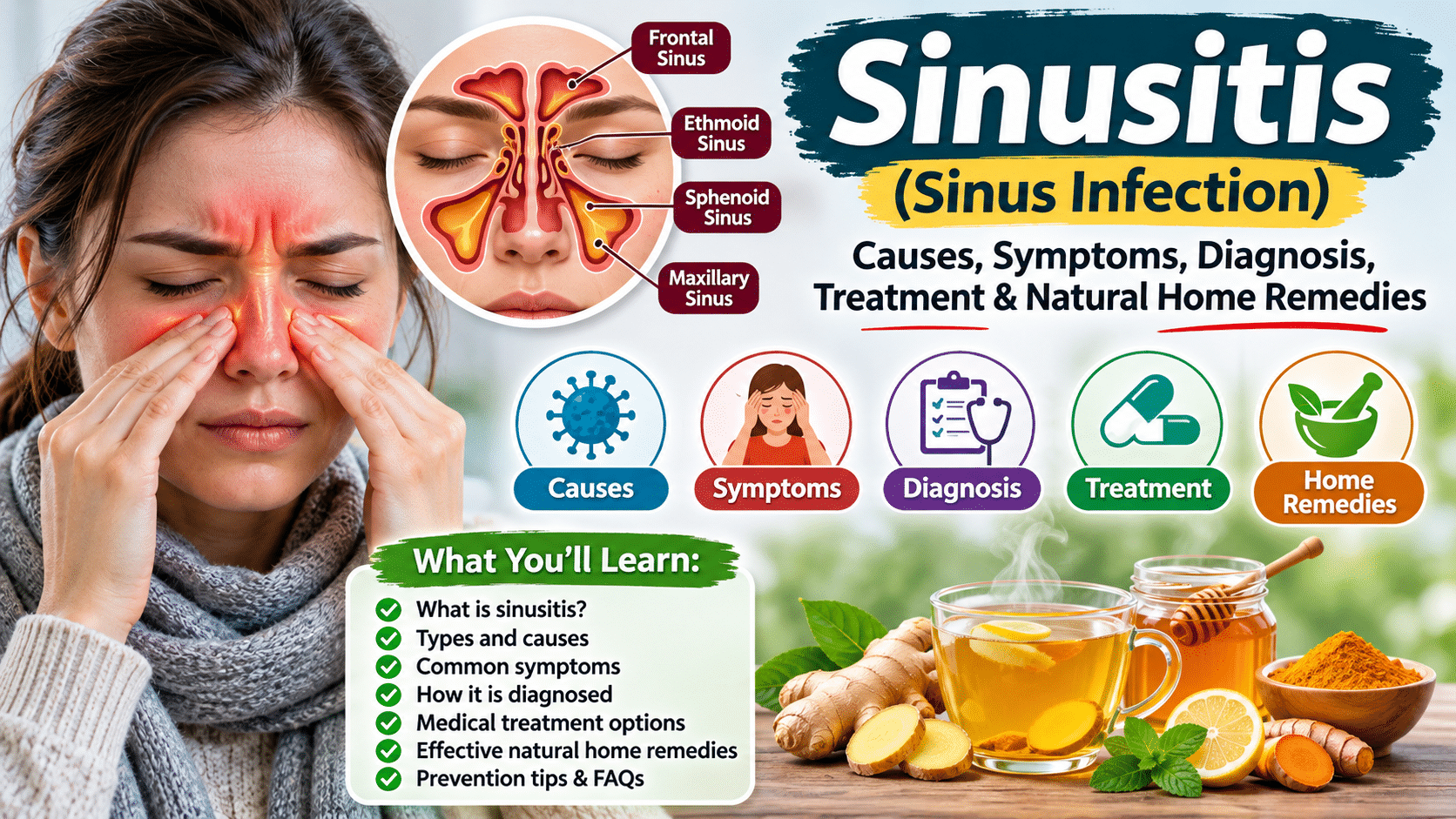
Sinusitis, also known as a sinus infection, is a common condition that affects millions of people worldwide. It occurs when the tissues lining the sinuses become inflamed or swollen, often causing nasal congestion, facial pressure, headaches, and difficulty breathing through the nose. Sinusitis can develop after a common cold, due to allergies, or because of bacterial infections.
Although many cases of sinusitis improve on their own, persistent or recurring symptoms can affect sleep, daily activities, and overall quality of life. Understanding the causes, symptoms, treatment options, and preventive measures can help you manage this condition effectively.
In this comprehensive guide, we will explore what sinusitis is, its different types, common causes, warning signs, diagnosis, medical treatments, and natural ways to support sinus health.
What Is Sinusitis?
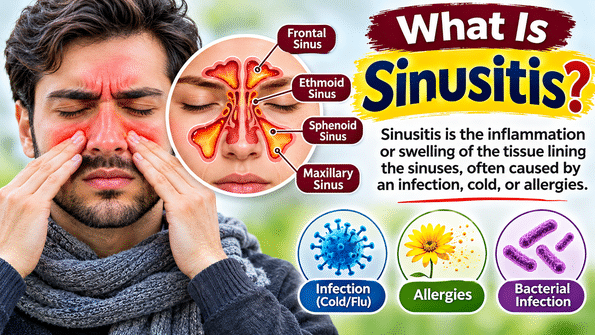
Sinusitis is the inflammation or swelling of the tissue lining the sinuses. The sinuses are small, air-filled cavities located around the nose, cheeks, forehead, and eyes. They produce mucus that helps keep the nasal passages moist and traps dust, allergens, and harmful particles.
Normally, mucus drains from the sinuses into the nasal passages. However, when the sinus lining becomes inflamed, the drainage pathways may become blocked. This causes mucus to build up, creating pressure and discomfort.
Sinusitis may occur due to viral infections, bacterial infections, allergies, nasal polyps, or structural problems inside the nose.
It can affect people of all ages, including children and adults. Some people experience sinusitis only occasionally, while others develop chronic or recurring symptoms.
Types of Sinusitis
Sinusitis is classified according to how long the symptoms last.
- Acute Sinusitis: Usually lasts less than four weeks and commonly develops after a cold or viral infection.
- Subacute Sinusitis: Symptoms continue for approximately four to twelve weeks.
- Chronic Sinusitis: Inflammation lasts for at least twelve weeks, even with treatment.
- Recurrent Acute Sinusitis: Four or more separate episodes of acute sinusitis occur within one year, with symptom-free periods between episodes.
Understanding the type of sinusitis is important because treatment may vary depending on the duration and underlying cause.
What Causes Sinusitis?
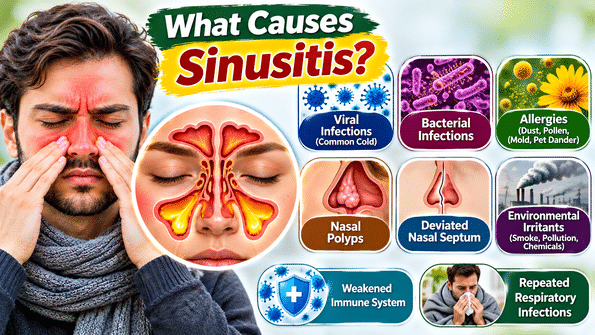
Several factors can cause inflammation and blockage of the sinuses. In many cases, sinusitis develops after an upper respiratory infection, but allergies and structural nasal problems can also contribute.
1. Viral Infections
Viral infections are among the most common causes of acute sinusitis. The common cold and other respiratory viruses can cause swelling inside the nasal passages and sinus openings.
When these openings become blocked, mucus cannot drain properly, leading to congestion and facial pressure.
2. Bacterial Infections
Sometimes, a bacterial infection develops after a viral respiratory illness. Bacteria can multiply inside blocked sinus cavities, causing persistent inflammation and discomfort.
Symptoms that last more than ten days without improvement, become severe, or worsen again after initially improving may suggest bacterial sinusitis. However, these symptoms do not automatically confirm a bacterial infection.
3. Allergies
Allergic reactions to dust, pollen, mold, and pet dander can cause inflammation in the nasal passages.
People with allergic rhinitis may experience frequent sneezing, a runny nose, nasal congestion, and sinus pressure. Long-term uncontrolled allergies can increase the risk of sinus problems.
4. Nasal Polyps
Nasal polyps are soft, noncancerous growths that develop inside the nasal passages or sinuses.
Large polyps can block sinus drainage pathways and make it difficult to breathe through the nose. They are sometimes associated with chronic sinusitis.
5. Deviated Nasal Septum
The nasal septum is the wall that separates the two nostrils. When it is significantly bent or displaced, it may interfere with normal airflow and sinus drainage.
A deviated septum can contribute to repeated nasal blockage and sinus-related problems.
6. Environmental Irritants
Exposure to cigarette smoke, air pollution, chemical fumes, and strong fragrances can irritate the nasal lining.
These irritants may worsen existing inflammation and increase nasal congestion, particularly in people with allergies or sensitive airways.
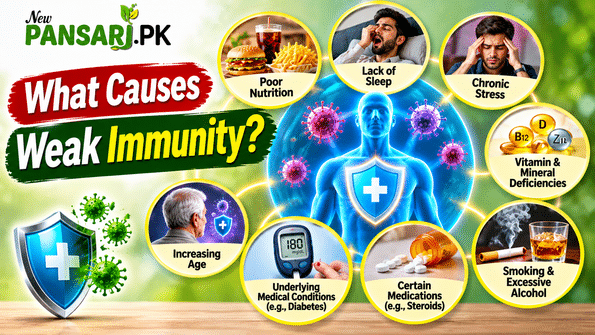
7. Weakened Immune System
People with certain immune system disorders or those taking immune-suppressing medications may be more vulnerable to infections, including sinus infections.
Common Symptoms of Sinusitis
The symptoms of sinusitis may vary depending on the severity, duration, and affected sinus cavities.
Common symptoms include:
- Nasal congestion or blocked nose
- Thick nasal mucus or discharge
- Facial pain or pressure around the cheeks and forehead
- Headache, especially around the eyes
- Reduced or lost sense of smell
- Postnasal drip (mucus dripping down the throat)
- Sore throat
- Cough, especially at night
- Bad breath
- Tiredness and fatigue
- Fever in some cases
- Ear pressure or discomfort
Early Warning Signs
Early symptoms of sinusitis may resemble those of a common cold.
You may initially experience:
- A stuffy or runny nose
- Frequent sneezing
- Mild facial pressure
- Reduced sense of smell
- Mild headache
- Thick mucus
If symptoms persist, become severe, or worsen after initially improving, medical evaluation may be necessary.
How Is Sinusitis Diagnosed?
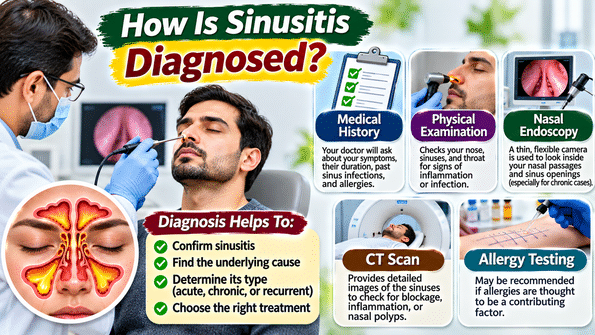
Doctors usually diagnose sinusitis by reviewing symptoms, medical history, and performing a physical examination.
1. Medical History
The doctor may ask questions about:
- How long symptoms have been present
- Whether symptoms are improving or worsening
- Previous sinus infections
- History of allergies or asthma
- Nasal blockage or breathing difficulties
- Any medications currently being used
2. Physical Examination
The doctor may examine the nose, throat, and face to identify swelling, tenderness, nasal discharge, or other signs of inflammation.
3. Nasal Endoscopy
In cases of chronic or complicated sinusitis, an ENT specialist may use a thin instrument with a small camera to examine the nasal passages and sinus openings.
4. CT Scan
A CT scan may be recommended when chronic sinusitis is suspected, symptoms do not improve with treatment, or surgery is being considered.
It provides detailed images of the sinuses and can help identify inflammation, blockages, or nasal polyps.
5. Allergy Testing
If allergies are suspected to be contributing to repeated sinus problems, a doctor may recommend allergy testing.
Not every patient requires imaging or laboratory tests. Most uncomplicated cases can be diagnosed based on symptoms and examination.
Medical Treatment Options for Sinusitis
Treatment depends on the underlying cause, severity, and duration of sinusitis. Most cases of acute sinusitis are caused by viruses and improve without antibiotics.
1. Saline Nasal Spray or Rinse
Saline solutions help wash away mucus, dust, allergens, and other irritants from the nasal passages.
A saline nasal spray can help relieve congestion and keep the nasal lining moist.
For nasal irrigation, always use distilled, sterile, or previously boiled and cooled water. Never use untreated tap water.
2. Nasal Corticosteroid Sprays
Doctors may recommend corticosteroid nasal sprays to reduce inflammation inside the nasal passages.
These sprays can be particularly helpful for people with chronic sinusitis, nasal polyps, or allergies.
3. Decongestants
Some decongestant medications help reduce swelling in the nasal passages and temporarily improve breathing.
However, decongestant nasal sprays should generally not be used for more than three days because prolonged use can cause rebound congestion.
4. Antihistamines
If sinus symptoms are associated with allergies, antihistamines may help reduce sneezing, itching, and a runny nose.
They are not routinely necessary for sinusitis caused by infections.
5. Antibiotics
Antibiotics may be prescribed when a doctor suspects bacterial sinusitis.
They are not effective against viral infections, and unnecessary use can contribute to antibiotic resistance.
6. Surgery
In severe or persistent chronic sinusitis, an ENT specialist may recommend endoscopic sinus surgery.
Surgery may help open blocked sinus drainage pathways, remove nasal polyps, and improve mucus drainage when appropriate medical treatment has not worked.
10 Natural Home Remedies for Sinusitis
Some natural approaches can help relieve sinus pressure, improve comfort, and support normal nasal drainage. However, they do not replace medical treatment when an infection or serious complication requires professional care.
1. Steam and Warm Moist Air
Breathing comfortably in a warm, humid environment may help relieve nasal dryness and congestion.
You can take a warm shower or sit in a comfortably humidified room.
Avoid inhaling steam directly from boiling water because it can cause serious burns. Steam is not proven to shorten the duration of sinusitis.
2. Ginger Tea
Cup of hot ginger tea with slices of ginger root on wooden background. Warming drink. Alternative medicine. Tea with honey, lemon, ginger and mint. Space for text. Copy space
Ginger is traditionally used in herbal preparations and contains naturally occurring compounds called gingerols.
It may provide a soothing effect, particularly when sinusitis is accompanied by throat irritation or coughing.
How to prepare ginger tea:
- Take a small piece of fresh ginger.
- Wash and slice it.
- Add it to one cup of hot water.
- Let it steep for 5–10 minutes.
- Strain and allow it to cool slightly.
- Add a little honey if desired.
Drink it warm as a comforting beverage.
3. Honey and Warm Water
11 Reasons to Drink a Glass of Lemon and Honey Water Daily
hucklebeefarms.com
Honey is traditionally used to soothe throat irritation and cough.
Although honey does not cure sinus infections, it may provide relief when postnasal drip causes throat discomfort.
How to use:
- Add one teaspoon of honey to a cup of warm water.
- Mix well.
- Drink slowly.
Do not give honey to children under one year of age.
4. Turmeric Milk
Golden turmeric milk on the white background with spices cinnamon and ingredients
Turmeric contains curcumin, a naturally occurring compound studied for its anti-inflammatory properties.
Turmeric milk is a traditional wellness drink that may provide comfort, although there is insufficient clinical evidence that it treats sinusitis.
How to prepare:
- Take one cup of warm milk.
- Add a small pinch of turmeric powder.
- Mix thoroughly.
- Drink while comfortably warm.
5. Garlic in Your Diet
Garlic cloves and bulbs landscape top wide
Garlic contains sulfur-containing compounds, including allicin, which have been studied for their biological properties.
Including garlic in a balanced diet can be part of a healthy eating pattern. However, eating garlic has not been proven to cure sinus infections.
Avoid putting raw garlic inside the nostrils because it can irritate or damage the nasal lining.
6. Warm Compress
Petua Hilangkan Resdung Secara Tradisional
A warm compress may help relieve facial discomfort and pressure associated with sinusitis.
How to use:
- Take a clean, soft towel.
- Soak it in comfortably warm water.
- Remove excess water.
- Place it gently over your forehead and cheeks.
- Leave it for 5–10 minutes.
Repeat when needed, making sure the towel is not too hot.
7. Peppermint Tea
Peppermint contains menthol, which produces a cooling sensation and may make breathing feel more comfortable.
Drinking peppermint tea can be soothing, although it does not physically clear blocked sinuses or treat an infection.
Preparation:
- Take a few fresh peppermint leaves.
- Add them to a cup of hot water.
- Steep for 5–7 minutes.
- Strain and drink warm.
8. Drink Enough Water
Proper hydration supports normal mucus production and helps prevent dehydration.
Drink enough water throughout the day according to your needs, particularly if you have a fever or are experiencing increased mucus production.
Warm soups and caffeine-free herbal drinks can also contribute to fluid intake.
9. Use a Humidifier
Dry air can irritate the nasal passages and make congestion feel worse.
A clean humidifier may help maintain comfortable indoor humidity.
Important tips:
- Clean the humidifier regularly.
- Change its water as recommended.
- Avoid excessive humidity.
- Keep the surrounding area free from mold.
10. Get Enough Sleep and Rest
Sleep supports normal immune system function and recovery from infections.
Try to:
- Maintain a regular sleeping schedule.
- Get sufficient sleep.
- Keep your bedroom clean.
- Avoid cigarette smoke.
- Elevate your head slightly if congestion makes sleeping uncomfortable.
Rest is especially important during acute respiratory infections.
Foods That May Support Sinus Health
A balanced diet provides vitamins, minerals, antioxidants, and other nutrients that support normal immune function.
Consider including these foods in your daily diet:
| Food | Nutritional benefits |
|---|---|
| Oranges | Rich in vitamin C |
| Lemons | Provide vitamin C |
| Guava | Contains vitamin C and fiber |
| Ginger | Contains gingerols |
| Garlic | Contains sulfur compounds |
| Spinach | Provides vitamins and minerals |
| Almonds | Provide vitamin E |
| Yogurt | Provides protein and may contain probiotics |
| Carrots | Provide beta-carotene |
| Broccoli | Contains vitamin C and fiber |
No particular food can cure sinusitis, but a varied and nutritious diet supports overall health.
How to Prevent Sinusitis
Preventing sinusitis mainly involves reducing exposure to infections, controlling allergies, and maintaining good nasal and respiratory health.
Here are some useful preventive measures:
- Wash Your Hands Regularly: Wash your hands with soap and water to reduce the spread of viruses and bacteria.
- Avoid Allergens: Reduce exposure to dust, pollen, mold, and other substances that trigger allergies.
- Avoid Smoking: Cigarette smoke can irritate the nasal passages and increase inflammation.
- Stay Hydrated: Drink sufficient water to maintain normal mucus production.
- Manage Allergies: Seek appropriate treatment for allergic rhinitis and other allergy-related conditions.
- Maintain Indoor Cleanliness: Regularly clean your home to reduce dust and mold.
- Use Saline Nasal Spray: Saline sprays can help keep nasal passages moist and remove irritants.
- Get Recommended Vaccinations: Stay up to date with recommended influenza and other respiratory infection vaccinations.
- Avoid Close Contact With Sick People: Reduce exposure to people with respiratory infections when possible.
- Maintain a Healthy Lifestyle: Eat nutritious foods, exercise regularly, and get enough sleep.
Possible Complications of Sinusitis
Most cases of sinusitis resolve without serious complications. However, untreated or complicated infections can occasionally spread to nearby structures.
Possible complications include:
- Eye Infections: Infection may spread to tissues surrounding the eyes, causing swelling and redness.
- Meningitis: In rare cases, infection can spread to the membranes surrounding the brain and spinal cord.
- Bone Infection: Infection may spread to nearby bones, although this is uncommon.
- Vision Problems: Severe infections around the eyes can threaten vision.
- Chronic Inflammation: Persistent sinus inflammation can affect breathing, sleep, and daily activities.
Seek urgent medical attention if you experience swelling or redness around the eyes, double vision, reduced vision, severe headache, stiff neck, confusion, or other neurological symptoms.
When Should You See a Doctor?
Although mild sinusitis often improves with home care, medical evaluation is important when symptoms become persistent or severe.
Consult a healthcare professional if:
- Symptoms last more than 10 days without improvement.
- Symptoms improve but then become significantly worse.
- You experience a high or persistent fever.
- You have severe facial pain or headache.
- You experience repeated sinus infections.
- Nasal congestion continues for several weeks.
- You have symptoms of chronic sinusitis lasting 12 weeks or longer.
Seek emergency care for eye swelling with vision changes, severe headache with neck stiffness, confusion, or other signs of a serious complication.
Frequently Asked Questions (FAQs)
1. What is the main cause of sinusitis?
Viral respiratory infections, particularly the common cold, are among the most common causes of acute sinusitis. Allergies, bacterial infections, nasal polyps, and structural nasal problems can also contribute.
2. What are the first symptoms of sinusitis?
Early symptoms may include nasal congestion, a runny nose, facial pressure, headache, sneezing, and reduced sense of smell.
3. Can sinusitis go away on its own?
Yes. Many cases of acute sinusitis, especially those caused by viruses, improve without specific medical treatment. However, persistent or severe symptoms should be evaluated by a doctor.
4. Is sinusitis a bacterial or viral infection?
Sinusitis can be associated with both viral and bacterial infections. Most acute cases are viral, and antibiotics are not effective against viruses.
5. Which drink is good for sinusitis?
Warm water, ginger tea, peppermint tea, and warm soups can help maintain hydration and soothe throat irritation. However, no drink has been proven to cure sinusitis.
6. Does ginger help with sinusitis?
Ginger contains naturally occurring compounds with anti-inflammatory properties. Ginger tea may provide comfort, but there is insufficient clinical evidence that it treats sinus infections.
7. Can sinusitis cause headaches?
Yes. Sinus inflammation and congestion can cause facial pressure and headaches, particularly around the forehead, cheeks, and eyes. Not all headaches around these areas are caused by sinusitis; migraines can sometimes produce similar symptoms.
8. How long does sinusitis last?
Acute sinusitis usually lasts less than four weeks. Chronic sinusitis is defined by symptoms lasting at least 12 weeks.
9. Is sinusitis contagious?
Sinusitis itself is not usually contagious. However, the viruses that cause many cases of sinusitis, such as common cold viruses, can spread from person to person.
10. Can sinusitis be permanently cured?
Many people recover completely from acute sinusitis. Chronic sinusitis can often be controlled with appropriate treatment, although some people experience recurring symptoms.
Conclusion
Sinusitis is a common inflammatory condition that affects the sinus cavities and can cause nasal congestion, facial pressure, headaches, and breathing difficulties. It may develop because of viral infections, bacterial infections, allergies, or structural problems inside the nose.
Most acute cases improve with supportive care, including hydration, saline nasal rinses, adequate rest, and appropriate medical treatment when needed. Natural approaches such as ginger tea, honey, turmeric milk, and warm compresses may provide comfort but should not be considered cures.
Maintaining good hygiene, controlling allergies, avoiding smoke, and following a healthy lifestyle can help reduce the risk of recurring sinus problems. If symptoms persist or become severe, consult a qualified healthcare professional for proper diagnosis and treatment.