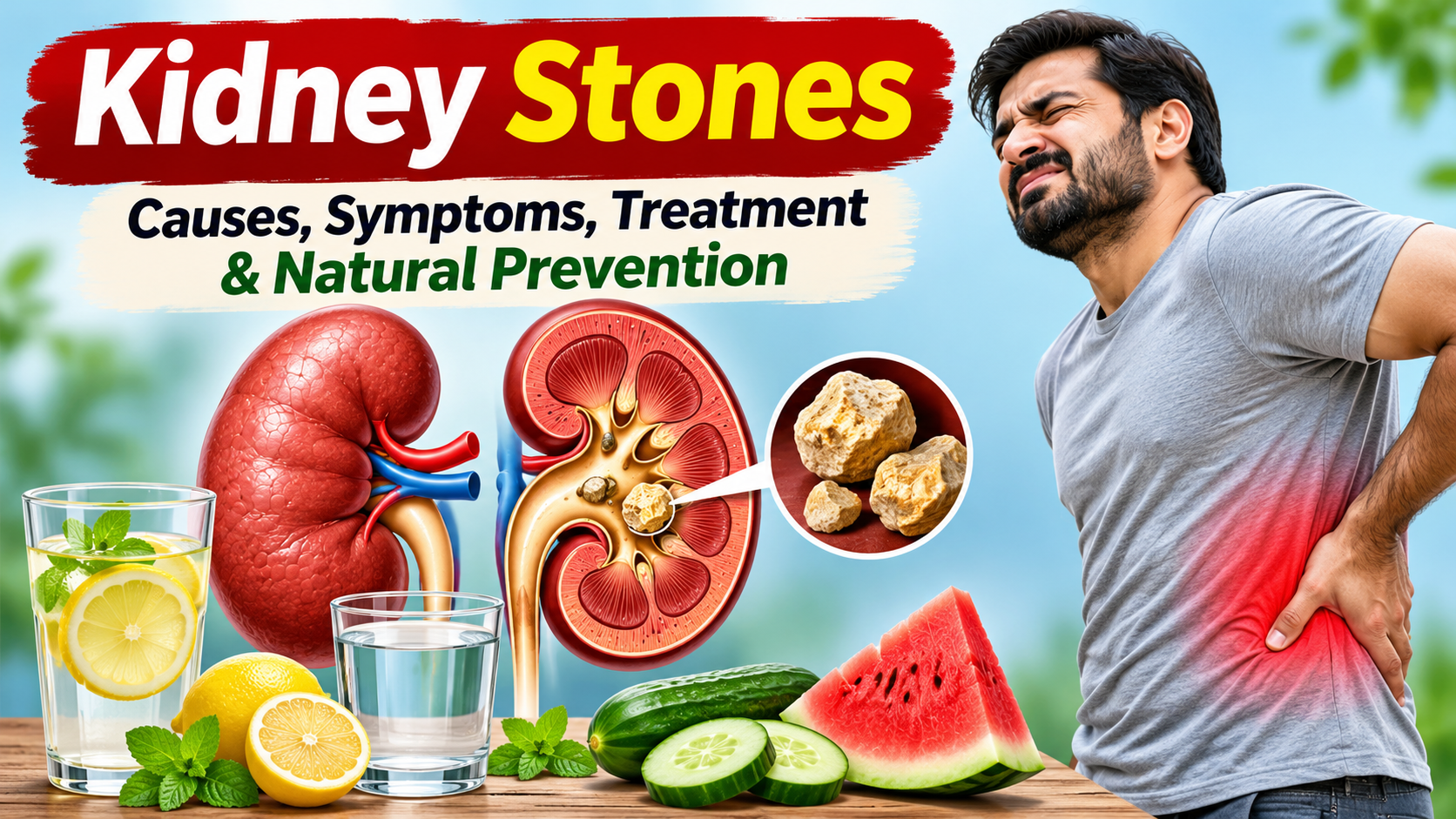
Kidney stones are a common urinary tract problem that occurs when minerals and salts accumulate in the kidneys and form hard deposits. These stones can vary in size, from tiny crystals that pass naturally through urine to larger stones that may cause severe pain and require medical treatment.
Kidney stones can affect people of different ages, although certain dietary habits, dehydration, family history, and medical conditions can increase the risk.
What Are Kidney Stones?
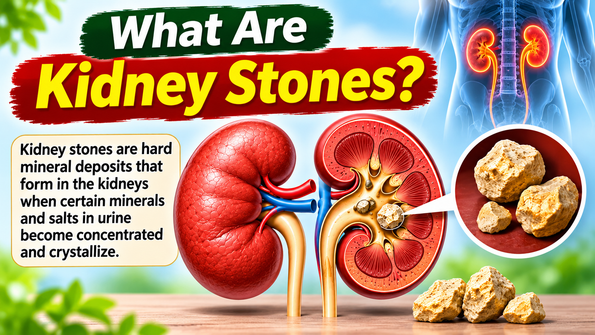
Kidney stones, medically known as renal calculi or nephrolithiasis, are hard mineral deposits that develop inside one or both kidneys.
They form when urine contains high concentrations of certain minerals and salts, such as calcium, oxalate, and uric acid. When these substances become concentrated, they can crystallize and gradually develop into stones.
Small kidney stones may pass out of the body through urine without causing noticeable symptoms. However, larger stones can become stuck in the urinary tract, blocking the flow of urine and causing severe pain.
Kidney stones can develop in different parts of the urinary system, including:
- Kidneys
- Ureters (the tubes connecting the kidneys to the bladder)
- Bladder
- Urethra
Not all kidney stones require surgery. Treatment depends on the stone’s size, location, composition, and symptoms.
What Causes Kidney Stones?
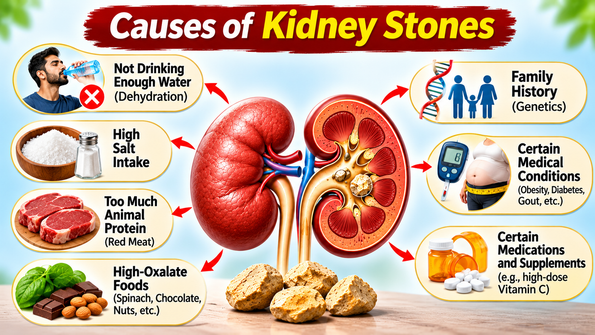
Kidney stones develop when certain minerals and waste products become highly concentrated in urine. Several factors can contribute to their formation.
1. Not Drinking Enough Water
Dehydration is one of the major risk factors for kidney stones. When the body does not receive enough water, urine becomes concentrated, allowing minerals and salts to collect and form crystals.
People who live in hot climates, sweat excessively, or drink insufficient water may have a higher risk.
2. High Salt Intake
Consuming too much salt can increase the amount of calcium released into urine. This may increase the risk of calcium-based kidney stones.
Common sources of excess salt include:
- Processed and packaged foods
- Salty snacks and chips
- Pickles with excessive salt
- Fast food
- Excessive table salt
3. Eating Too Much Animal Protein
A diet containing excessive amounts of red meat, poultry, and other animal proteins may increase uric acid levels and reduce citrate levels in urine, contributing to stone formation.
4. High-Oxalate Foods
Oxalate is a naturally occurring substance found in many foods. When it combines with calcium in urine, it can contribute to calcium oxalate stones.
Foods containing higher amounts of oxalate include:
- Spinach
- Beetroot
- Almonds
- Peanuts
- Chocolate
- Some nuts and seeds
People with calcium oxalate stones may benefit from discussing oxalate intake with a healthcare professional.
5. Family History and Genetics
People with a family history of kidney stones may have a greater risk of developing the condition. Certain inherited disorders can also increase the amount of stone-forming substances in urine.
6. Certain Medical Conditions
Some health conditions can increase the likelihood of kidney stone formation, including:
- Obesity
- Diabetes
- Gout
- Recurrent urinary tract infections
- Hyperparathyroidism
- Certain digestive disorders
7. Certain Medications and Supplements
Some medicines and supplements may increase the risk of kidney stones in susceptible individuals. These include certain diuretics, antacids, and high-dose vitamin C supplements.
Never stop prescribed medication without discussing it with your doctor.
Types of Kidney Stones
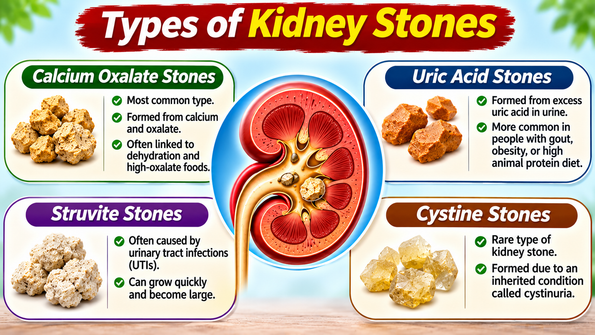
Kidney stones are classified according to the substances they contain. Identifying the type is important because prevention and dietary recommendations may differ.
1. Calcium Oxalate Stones
These are the most common type of kidney stones. They develop when calcium combines with oxalate in urine.
Dehydration, high urinary oxalate, and certain metabolic conditions may increase their formation.
2. Uric Acid Stones
Uric acid stones develop when urine becomes too acidic or contains excessive uric acid.
They are more common in people with gout, obesity, metabolic syndrome, or diets high in animal protein.
3. Struvite Stones
Struvite stones are usually associated with certain urinary tract infections. They can grow quickly and sometimes become quite large.
Medical treatment is important because untreated infections can lead to complications.
4. Cystine Stones
Cystine stones are uncommon and develop due to an inherited condition called cystinuria, which causes excessive cystine to enter the urine.
People with this condition may experience repeated kidney stones.
Common Symptoms of Kidney Stones
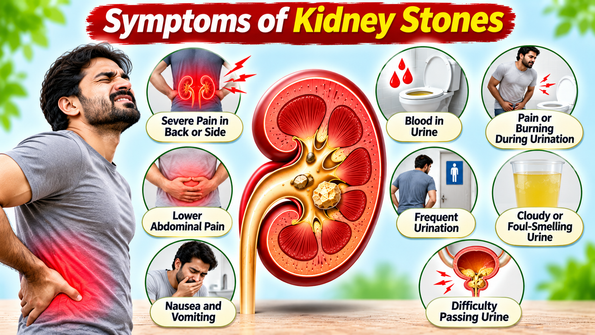
The symptoms of kidney stones depend on their size, location, and whether they obstruct the urinary tract.
Small stones may not cause any noticeable symptoms, while larger stones can cause severe discomfort.
Common symptoms include:
Severe Back Pain: Sharp pain in the back or side, usually below the ribs.
Lower Abdominal Pain: Discomfort that may spread toward the lower abdomen.
Painful Urination: Burning or pain when passing urine.
Blood in Urine: Urine may appear pink, red, or brown.
Frequent Urination: Feeling the need to urinate more frequently.
Nausea and Vomiting: Some people experience nausea due to severe pain.
Cloudy Urine: Urine may become cloudy or develop an unpleasant smell.
Difficulty Passing Urine: A stone may partially or completely block urine flow.
Important: Fever, chills, severe pain, inability to urinate, or persistent vomiting require urgent medical assessment. A kidney stone accompanied by an infection or urinary obstruction can be dangerous. NHS+1
How Are Kidney Stones Diagnosed?
Doctors use different tests to identify kidney stones, determine their size, and understand their location.
1. Medical History and Physical Examination
A healthcare professional may ask about:
- Your symptoms and pain location
- Previous kidney stones
- Family history
- Daily water intake
- Dietary habits
- Current medications
2. Urine Test
A urine examination can detect blood, infection, and certain substances that contribute to kidney stone formation.
3. Blood Tests
Blood tests may help evaluate kidney function and measure calcium, uric acid, and other important substances.
4. Ultrasound
An ultrasound scan uses sound waves to examine the kidneys and urinary tract. It can help identify stones and urinary blockages.
5. CT Scan
A CT scan can provide detailed images of the urinary system and help determine the exact size and location of kidney stones.
6. Stone Analysis
If a stone passes naturally or is removed through a medical procedure, it may be sent to a laboratory to identify its chemical composition.
This information helps doctors recommend appropriate treatment and prevent future stones. NIDDK+1
Treatment Options for Kidney Stones
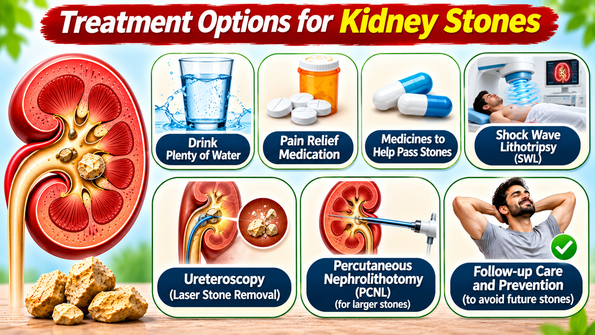
Treatment depends on the size, location, type, and severity of the kidney stone.
1. Drinking Enough Water
For small stones that are suitable for natural passage, adequate fluid intake may help the stone move through the urinary tract.
However, people with kidney failure, heart failure, or certain other conditions may need fluid restrictions. Follow medical advice.
2. Pain Relief Medication
Doctors may prescribe pain-relieving medicines to manage the discomfort associated with kidney stones.
3. Medicines to Help Pass Stones
Certain prescription medicines, such as alpha-blockers, may help relax the ureter and make it easier for selected stones to pass.
4. Shock Wave Lithotripsy (SWL)
This treatment uses external shock waves to break kidney stones into smaller pieces so they can pass through urine.
5. Ureteroscopy
A doctor inserts a thin instrument through the urinary tract to locate and remove or break the stone using a laser.
6. Percutaneous Nephrolithotomy (PCNL)
This procedure is generally used for larger or complex kidney stones. A small incision is made in the back to access and remove the stone.
The appropriate procedure is selected by a urologist according to the patient’s condition. NIDDK+1
Natural Ways to Help Prevent Kidney Stones
Natural approaches can support urinary health and reduce the risk of future kidney stones. However, no herbal drink or home remedy has been reliably proven to dissolve every type of existing kidney stone.
1. Drink Plenty of Water
Drinking enough water helps dilute urine and reduces the concentration of minerals that may form stones.
Water requirements vary according to climate, physical activity, and medical conditions. People who frequently develop stones may need a personalized fluid target from their doctor.
2. Include Lemon Water in Your Diet
Lemons contain citrate, a substance that can help reduce the formation of certain kidney stones.
Adding fresh lemon juice to drinking water can be a useful dietary habit. However, lemon water is not a treatment for an obstructing kidney stone.
3. Eat Fresh Fruits and Vegetables
Fresh fruits and vegetables provide water, fibre, potassium, and other nutrients that support overall health.
Consider including:
- Apples
- Watermelon
- Oranges
- Cucumbers
- Melons
- Seasonal vegetables
4. Reduce Excessive Salt
Reducing sodium intake can help lower urinary calcium levels and reduce the risk of calcium-based kidney stones.
Avoid excessive consumption of processed foods, salty snacks, and heavily salted meals.
5. Maintain Healthy Calcium Intake
Avoid unnecessarily eliminating calcium-rich foods from your diet.
Normal dietary calcium can actually help reduce the absorption of oxalate in the digestive system. Choose appropriate calcium sources according to your dietary needs.
6. Limit Excessive Animal Protein
Avoid eating excessive quantities of red meat and other animal proteins. A balanced diet with suitable portions of protein may help reduce the risk of certain types of kidney stones.
7. Maintain a Healthy Body Weight
Obesity and metabolic problems are associated with an increased risk of kidney stones. Regular physical activity and a balanced diet can support healthy weight management.
8. Avoid Excessive Vitamin C Supplements
High-dose vitamin C supplements may increase urinary oxalate in some people. Discuss supplement use with a healthcare professional, particularly if you have a history of calcium oxalate stones.NIDDK+2
Foods to Eat and Avoid for Kidney Stones
Dietary changes can help reduce the risk of developing kidney stones again. The right diet depends on the type of stone.
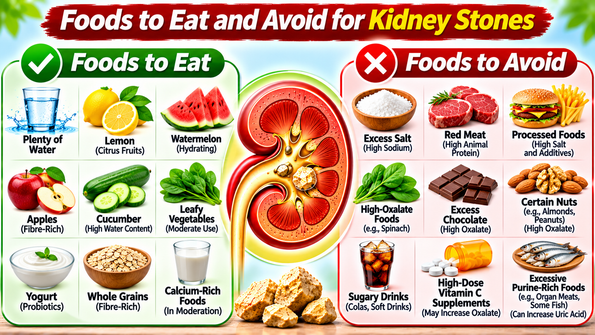
Foods to Include
- Fresh fruits
- Vegetables
- Citrus fruits
- Adequate dietary calcium
- Whole grains
- Sufficient water
Foods to Limit
- Excessive salt
- Too much red meat
- Processed foods
- Excessive sugary drinks
- High-dose vitamin C supplements
- Excessive high-oxalate foods if advised
People with calcium oxalate stones should discuss their oxalate intake with a dietitian rather than eliminating all oxalate-containing foods.
How to Prevent Kidney Stones
Prevention is particularly important for people who have experienced kidney stones previously.
Follow these healthy habits:
- Drink enough water throughout the day.
- Reduce excessive salt consumption.
- Maintain a balanced diet.
- Avoid excessive animal protein.
- Maintain a healthy body weight.
- Include appropriate amounts of dietary calcium.
- Avoid unnecessary supplements.
- Get regular medical checkups if you have recurrent stones.
- Follow dietary advice based on your kidney stone analysis.
People with recurring kidney stones may benefit from a 24-hour urine test to identify the substances responsible for stone formation. NIDDK+1
When Should You See a Doctor?
Kidney stones should not be ignored, particularly when they cause severe symptoms.
Seek urgent medical attention if you experience:
- Severe pain in your back or side.
- Blood in your urine.
- Fever or chills.
- Persistent vomiting.
- Difficulty or inability to pass urine.
- Severe pain accompanied by cloudy or foul-smelling urine.
Early diagnosis and appropriate treatment can help prevent complications and protect kidney function.
Frequently Asked Questions (FAQs)
1. What is the main cause of kidney stones?
Dehydration and concentrated urine are important risk factors. Excessive urinary minerals, dietary habits, genetics, and certain medical conditions can also contribute.
2. Can kidney stones pass naturally?
Yes. Many small kidney stones can pass naturally through urine. However, larger stones may require medical treatment.
3. Does lemon water help prevent kidney stones?
Lemon juice contains citrate, which may help prevent certain types of kidney stones. It is not a guaranteed treatment for existing stones.
4. Which foods should kidney stone patients avoid?
Excessive salt, high amounts of animal protein, and certain high-oxalate foods may need to be limited depending on the type of kidney stone.
5. Are kidney stones dangerous?
Some kidney stones are small and pass without complications. However, stones that block urine flow or cause infections can become serious and require urgent treatment.
6. Can kidney stones come back?
Yes. People who have experienced kidney stones once may develop them again. Proper hydration, dietary changes, and medical follow-up can help reduce recurrence.
7. Can herbal remedies dissolve kidney stones?
There is insufficient reliable clinical evidence that herbal remedies can consistently dissolve existing kidney stones. Some herbs may also interact with medicines or affect kidney function. Consult a healthcare professional before using herbal preparations.
Conclusion
Kidney stones are a common urinary health problem that can cause severe pain and discomfort. Dehydration, excessive salt intake, dietary habits, genetics, and certain medical conditions can contribute to their formation.
Maintaining proper hydration, eating a balanced diet, reducing excessive salt, and following appropriate medical advice can help reduce the risk of kidney stones.
Although some small stones pass naturally, larger stones and stones causing infection or urinary obstruction may require medical treatment. Early diagnosis and prevention are essential for maintaining healthy kidneys.