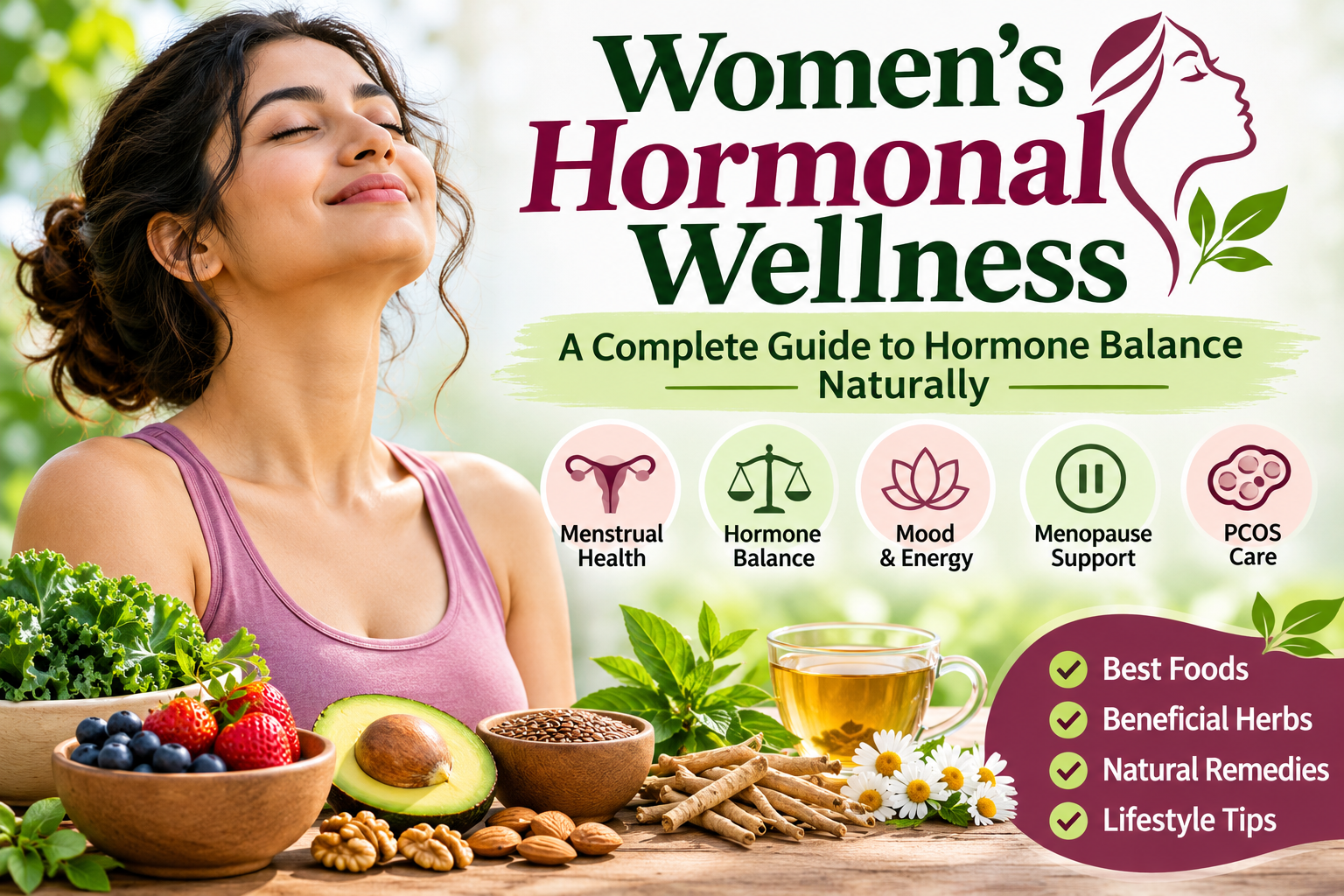
Women’s hormonal wellness plays an important role in overall health, energy, mood, reproductive health, metabolism, skin, hair, and emotional well-being. Hormones are chemical messengers that regulate many essential functions in the female body. When hormones remain balanced, they help maintain regular menstrual cycles, healthy sleep patterns, stable energy levels, and reproductive function.
However, hormonal changes can occur throughout a woman’s life, including puberty, menstruation, pregnancy, breastfeeding, perimenopause, and menopause. Lifestyle habits, stress, poor nutrition, certain medical conditions, and ageing can also influence hormonal health.
Many women experience symptoms such as irregular periods, acne, mood swings, fatigue, weight changes, hair thinning, and sleep disturbances. These symptoms may sometimes be associated with hormonal changes, although they can also have other causes.
In this comprehensive guide, we will explore women’s hormonal wellness, common hormonal imbalances, their causes, symptoms, healthy foods, beneficial herbs, and natural ways to support hormonal health.
What Is Women’s Hormonal Wellness?
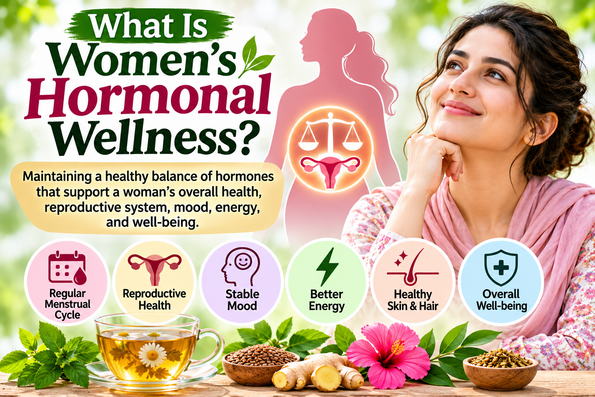
Women’s hormonal wellness refers to maintaining healthy hormone production, regulation, and balance throughout different stages of life.
Hormones are produced by several glands and organs, including:
- Ovaries
- Thyroid gland
- Adrenal glands
- Pituitary gland
- Pancreas
- Hypothalamus
These hormones communicate with different organs and tissues to regulate important bodily functions.
Some of the most important hormones in women’s health include:
1. Estrogen
Estrogen is one of the primary female sex hormones. It supports reproductive development, menstrual cycle regulation, bone health, vaginal health, and skin elasticity.
2. Progesterone
Progesterone helps regulate the menstrual cycle and prepares the uterus for pregnancy. It also plays an important role in maintaining early pregnancy.
3. Testosterone
Although commonly associated with men, women also produce testosterone in smaller amounts. It contributes to sexual desire, muscle strength, bone health, and energy.
4. Thyroid Hormones
Thyroid hormones regulate metabolism, body temperature, energy production, and many other bodily functions.
5. Insulin
Insulin controls blood glucose levels and influences how the body stores and uses energy. Insulin resistance can contribute to hormonal problems, particularly in women with PCOS.
6. Cortisol
Cortisol is produced by the adrenal glands and helps the body respond to stress. It also influences blood sugar regulation, metabolism, and sleep patterns.
What Causes Hormonal Imbalance in Women?
Hormonal imbalance can develop for several reasons. Some causes are related to natural life stages, while others involve medical conditions or lifestyle factors.
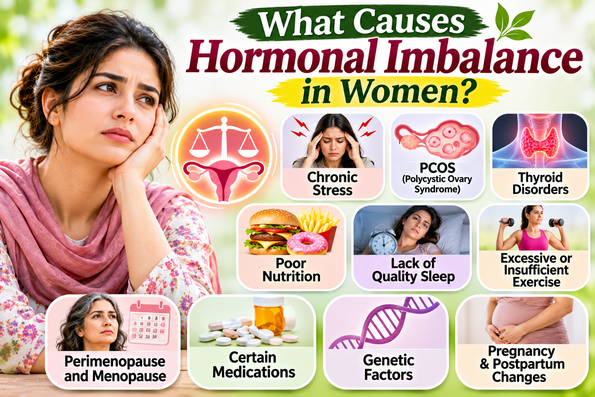
Common causes include:
1. Chronic Stress
Long-term stress can affect the body’s hormonal regulation and influence cortisol levels. It may also contribute to sleep disturbances, menstrual irregularities, and changes in appetite.
2. Polycystic Ovary Syndrome (PCOS)
PCOS is a common hormonal and metabolic condition affecting women of reproductive age. It may involve irregular ovulation, elevated androgen levels, and polycystic ovarian appearances.
Common features include irregular periods, acne, excessive facial hair, and difficulty with ovulation.
3. Thyroid Disorders
An underactive thyroid (hypothyroidism) or overactive thyroid (hyperthyroidism) can affect menstrual cycles, energy levels, body weight, and fertility.
4. Poor Nutrition
A diet lacking essential nutrients may affect normal hormone production and overall metabolic health.
Insufficient protein, healthy fats, vitamins, and minerals can negatively affect general well-being.
5. Sleep Deprivation
Poor sleep can influence metabolic hormones, appetite regulation, insulin sensitivity, and stress responses.
6. Excessive Exercise or Physical Inactivity
Very intense exercise combined with insufficient calorie intake can disrupt menstrual function. On the other hand, physical inactivity may contribute to insulin resistance and metabolic problems.
7. Perimenopause and Menopause
During perimenopause, estrogen and progesterone levels fluctuate. After menopause, estrogen levels remain considerably lower, causing changes in menstrual patterns, sleep, bone health, and vaginal health.
8. Certain Medications and Medical Conditions
Some medications and medical conditions can affect hormone levels. These include hormonal contraceptives, certain fertility treatments, pituitary disorders, and other endocrine conditions.
Common Signs and Symptoms of Hormonal Imbalance in Women
Hormonal symptoms vary depending on which hormones are affected and the underlying cause.
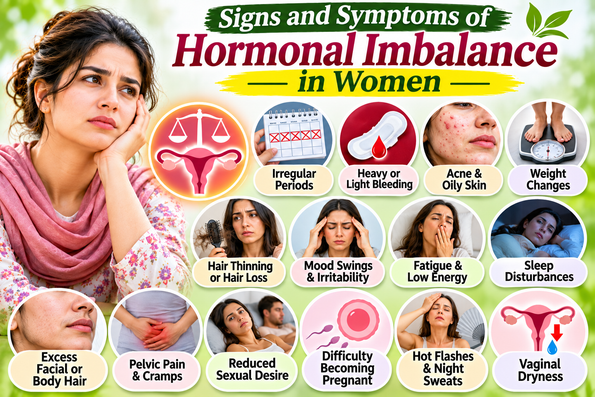
Some common symptoms include:
- Irregular menstrual periods.
- Heavy or unusually light menstrual bleeding.
- Acne and oily skin.
- Unexplained weight gain or difficulty losing weight.
- Hair thinning or excessive hair growth.
- Mood swings and irritability.
- Fatigue and low energy.
- Sleep disturbances.
- Reduced sexual desire.
- Hot flashes and night sweats.
- Vaginal dryness.
- Difficulty becoming pregnant.
It is important to understand that these symptoms do not automatically indicate hormonal imbalance. A healthcare professional can help identify the underlying cause.
Understanding the Main Hormonal Conditions in Women
Several hormonal conditions can affect women’s health and quality of life.
1. Polycystic Ovary Syndrome (PCOS)
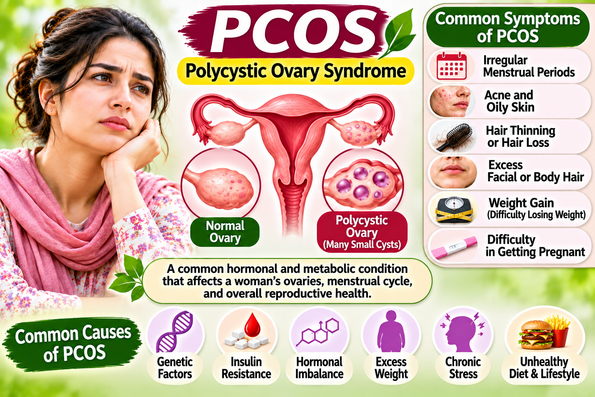
PCOS is a hormonal and metabolic condition that can affect menstrual cycles, ovulation, and fertility.
Common symptoms include:
- Irregular or absent periods.
- Acne and oily skin.
- Excess facial or body hair.
- Hair thinning on the scalp.
- Weight gain in some women.
- Difficulty with ovulation.
Management may include lifestyle changes, medical treatment, and addressing insulin resistance when present.
2. Hypothyroidism
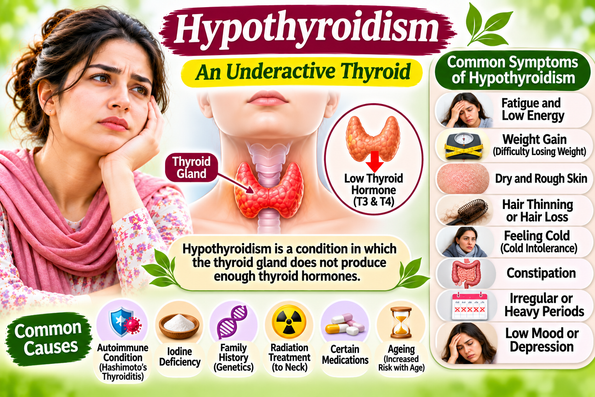
Hypothyroidism occurs when the thyroid gland does not produce enough thyroid hormones.
Possible symptoms include:
- Tiredness and fatigue.
- Weight gain.
- Dry skin.
- Hair thinning.
- Feeling unusually cold.
- Constipation.
- Menstrual irregularities.
Diagnosis generally involves blood tests, including TSH and sometimes free T4.
3. Hyperthyroidism
Hyperthyroidism occurs when the thyroid gland produces excessive thyroid hormones.
Symptoms may include:
- Unexplained weight loss.
- Rapid heartbeat.
- Anxiety and nervousness.
- Excessive sweating.
- Difficulty sleeping.
- Irregular menstrual periods.
Treatment depends on the underlying cause and may involve medication or other medical procedures.
4. Perimenopause
Perimenopause is the transition period before menopause. During this stage, estrogen and progesterone levels fluctuate.
Women may experience irregular periods, mood changes, hot flashes, sleep problems, and changes in sexual health.
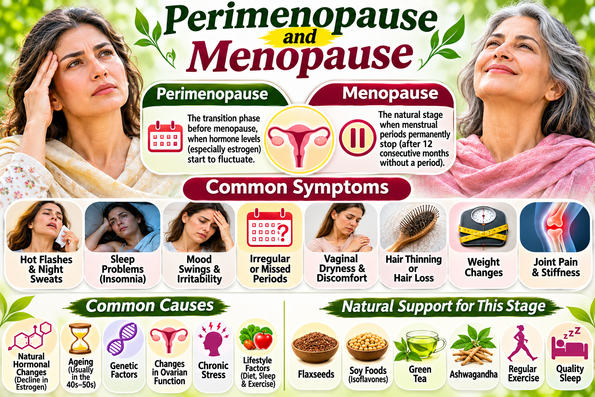
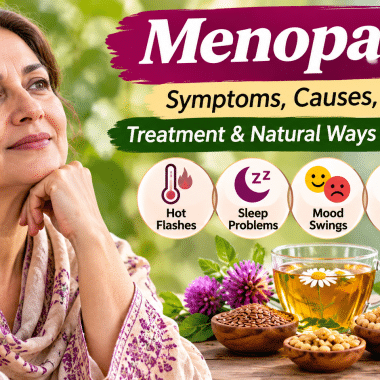
5. Menopause
Menopause is the natural stage when menstrual periods permanently stop after 12 consecutive months without menstruation, when there is no other medical explanation.
It commonly occurs between ages 45 and 55.
Common symptoms include hot flashes, night sweats, vaginal dryness, sleep problems, and changes in bone health.
Best Foods for Women’s Hormonal Wellness
A balanced diet provides essential nutrients that support normal hormone production, metabolism, and general health.
Here are some nutritious foods to include in a healthy eating pattern.
1. Leafy Green Vegetables
Spinach, kale, broccoli, and other green vegetables provide fibre, folate, magnesium, and antioxidants.
Benefits include:
- Supporting digestive health.
- Providing essential vitamins and minerals.
- Supporting overall metabolic health.
- Contributing to a balanced diet.
2. Healthy Fats
Avocados, walnuts, almonds, olive oil, and seeds provide unsaturated fats.
Healthy fats are important for normal cell function and the absorption of fat-soluble vitamins.
3. Flaxseeds
Flaxseeds contain fibre, omega-3 fatty acids, and plant compounds called lignans.
They may support cardiovascular and digestive health as part of a balanced diet.
4. Pumpkin Seeds
Pumpkin seeds contain magnesium, zinc, protein, and healthy fats.
These nutrients contribute to normal immune function, muscle function, and general health.
5. Berries
Blueberries, strawberries, raspberries, and other berries provide antioxidants and dietary fibre.
They can be included in a healthy eating pattern to support overall metabolic health.
6. Eggs
Eggs provide protein, vitamin B12, choline, and other nutrients.
Adequate protein intake helps maintain muscle health and supports normal body functions.
7. Fatty Fish
Salmon, sardines, and other oily fish provide omega-3 fatty acids.
Omega-3 fats support cardiovascular health and may help manage inflammation.
8. Beans and Lentils
Chickpeas, kidney beans, and lentils are excellent sources of plant-based protein and fibre.
They can help support digestive health and more stable blood glucose levels.
Best Herbs for Women’s Hormonal Wellness
Certain herbs have traditionally been used in different cultures to support women’s health. Some have been investigated in scientific studies, but the strength of evidence varies considerably.
1. Shatavari (Asparagus racemosus)
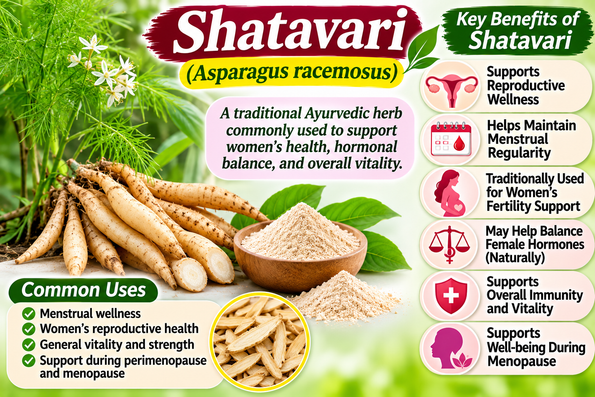
Shatavari is a traditional Ayurvedic herb commonly associated with women’s wellness.
Traditional uses include:
- Supporting general reproductive wellness.
- Traditionally used during different stages of women’s lives.
- Supporting general vitality.
However, strong clinical evidence that Shatavari balances female hormones is currently limited. Its safety during pregnancy and breastfeeding is not well established.
2. Ashwagandha (Withania somnifera)
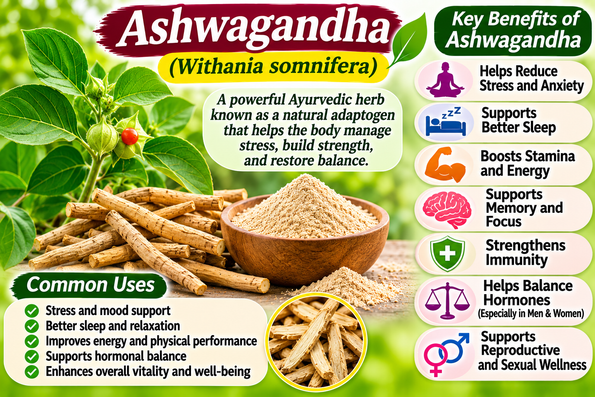
Ashwagandha is traditionally used in herbal medicine for stress management and general well-being.
Potential areas of research include:
- Stress response.
- Sleep quality.
- General well-being.
Ashwagandha is not a proven treatment for hormonal imbalance. It may affect thyroid function and interact with medications. It should be avoided during pregnancy and used cautiously in people with thyroid or autoimmune conditions.
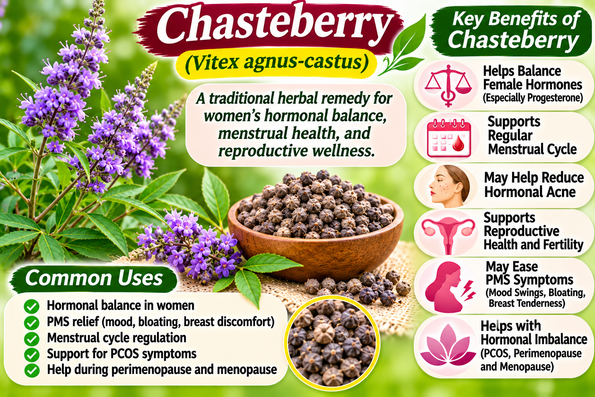
3. Vitex (Chasteberry)
Vitex agnus-castus is traditionally used for certain menstrual-related symptoms.
Some research suggests it may help with premenstrual syndrome (PMS), although evidence is not conclusive.
It may interact with hormonal medications and dopamine-related medicines.
4. Spearmint
Spearmint tea has attracted research interest because of its possible effects on androgen-related symptoms.
Some small studies have investigated spearmint tea in women with PCOS, particularly in relation to androgen levels.
However, more research is needed before recommending it as a treatment for PCOS or unwanted facial hair.
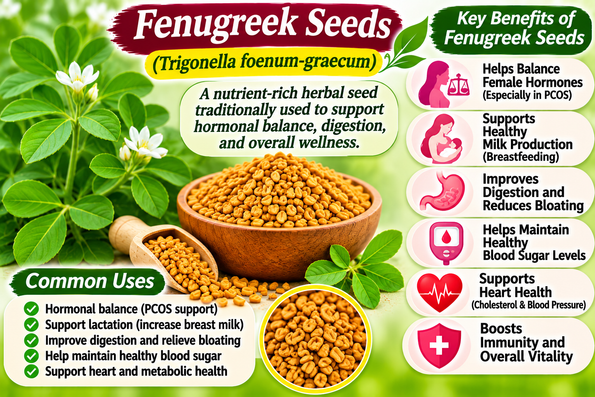
5. Fenugreek (Methi)
Fenugreek seeds are widely used in traditional cooking and herbal practices.
They contain fibre and several plant compounds.
Fenugreek may support aspects of blood glucose regulation, but evidence for its effects on female hormone balance is insufficient.
It may interact with diabetes medications and can cause digestive discomfort.
6. Turmeric (Haldi)
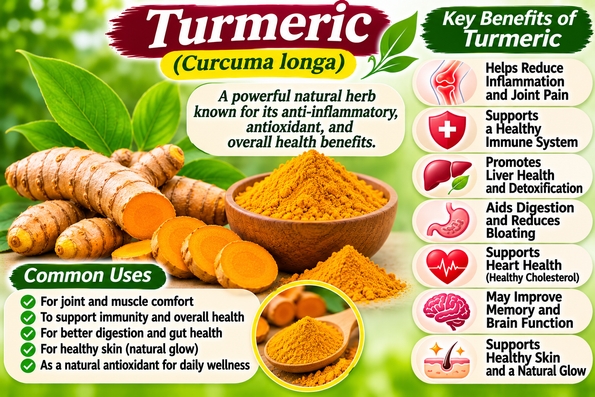
Turmeric contains curcumin, a compound studied for its anti-inflammatory and antioxidant properties.
It may contribute to a healthy dietary pattern, but it is not an established treatment for hormonal disorders.
High-dose curcumin supplements may interact with medicines and can cause side effects.
Important: Herbal products are not automatically safe because they are natural. Women who are pregnant, breastfeeding, trying to conceive, or taking medication should seek professional advice before using concentrated herbal supplements.
Natural Ways to Support Women’s Hormonal Wellness
Healthy lifestyle habits can support normal hormonal function and improve overall well-being.
1. Maintain a Balanced Diet
Eat a variety of whole foods, including vegetables, fruits, whole grains, legumes, nuts, seeds, and protein-rich foods.
Avoid relying heavily on highly processed foods and sugary beverages.
2. Exercise Regularly
Regular physical activity supports cardiovascular health, insulin sensitivity, metabolism, and mental well-being.
Consider:
- Walking.
- Cycling.
- Swimming.
- Strength training.
- Yoga.
Aim for at least 150 minutes of moderate-intensity physical activity per week, along with muscle-strengthening activities on two or more days.
3. Get Quality Sleep
Sleep plays an important role in metabolic regulation, mood, and general health.
Most adults should aim for 7–9 hours of sleep each night.
Helpful habits include maintaining a consistent bedtime, reducing screen exposure before bed, and keeping the bedroom comfortable.
4. Manage Stress
Long-term stress can affect several hormonal pathways.
Helpful stress-management practices include:
- Meditation.
- Deep breathing.
- Yoga.
- Spending time outdoors.
- Relaxation exercises.
- Maintaining social connections.
5. Maintain a Healthy Weight
Maintaining a weight that supports your overall health may improve insulin sensitivity and menstrual regularity in some women, particularly those with PCOS.
Avoid crash diets and extreme calorie restriction.
6. Stay Hydrated
Drinking enough water supports digestion, circulation, temperature regulation, and normal bodily functions.
Individual water requirements vary according to activity, climate, and health conditions.
7. Avoid Smoking
Smoking can negatively affect reproductive health and is associated with earlier menopause and other health risks.
Avoiding tobacco supports long-term health.
Hormonal Wellness During Different Stages of a Woman’s Life
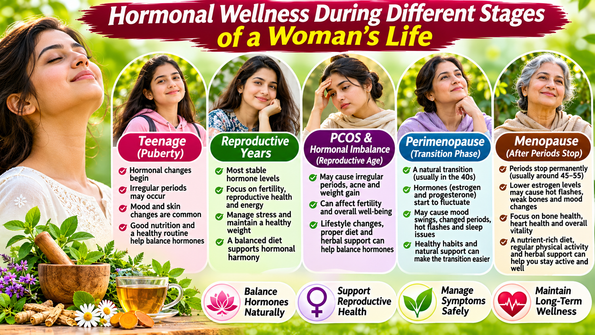
Women’s hormone levels naturally change throughout life. Understanding these changes can help women make informed health decisions.
Puberty: Estrogen and other hormones contribute to breast development, menstruation, and reproductive maturity.
Reproductive Years: Estrogen and progesterone regulate the menstrual cycle and prepare the body for potential pregnancy.
Pregnancy: Hormones such as progesterone, estrogen, and human chorionic gonadotropin (hCG) support pregnancy and fetal development.
Postpartum and Breastfeeding: Estrogen and progesterone levels change after childbirth, while prolactin and oxytocin play important roles in breastfeeding.
Perimenopause: Hormone levels fluctuate, and menstrual cycles may become irregular.
Menopause and Beyond: Estrogen levels decline, influencing bone health, vaginal tissues, cardiovascular risk factors, and other aspects of health.
How Is Hormonal Imbalance Diagnosed?
There is no single test that identifies every type of hormonal imbalance.
A healthcare professional usually considers symptoms, medical history, menstrual patterns, physical examination, and relevant laboratory tests.
Depending on the suspected condition, tests may include:
- TSH and free T4 for thyroid function.
- Prolactin for elevated prolactin levels.
- Testosterone and other androgen tests when appropriate.
- Blood glucose and HbA1c for metabolic health.
- Pregnancy testing when relevant.
- FSH and estradiol in selected situations.
- Pelvic ultrasound when clinically indicated.
Testing should be selected according to symptoms and medical history. Hormone levels naturally fluctuate during the menstrual cycle, so the timing of certain tests matters.
When Should You See a Doctor?
Women should seek medical advice if they experience persistent or unexplained symptoms.
Important warning signs include:
- Periods that suddenly become irregular or stop.
- Very heavy menstrual bleeding.
- Severe pelvic pain.
- Unexplained rapid weight changes.
- Persistent excessive facial hair or acne.
- Difficulty becoming pregnant.
- Unusual nipple discharge.
- Vaginal bleeding after menopause.
Very heavy bleeding accompanied by dizziness, fainting, or severe weakness requires urgent medical attention.
Early evaluation can help identify treatable conditions and prevent complications.
Frequently Asked Questions (FAQs)
1. What is the best way to maintain hormonal balance naturally?
A balanced diet, regular exercise, sufficient sleep, stress management, and maintaining good metabolic health can support normal hormonal function.
2. Which foods are best for women’s hormonal wellness?
Leafy greens, flaxseeds, pumpkin seeds, walnuts, berries, eggs, fatty fish, lentils, and whole grains are nutritious choices.
3. Which herbs are traditionally used for women’s hormonal health?
Shatavari, Vitex, Ashwagandha, fenugreek, spearmint, and turmeric are traditionally used or researched for different aspects of women’s health. However, they are not proven treatments for hormonal disorders.
4. Can stress affect women’s hormones?
Yes. Chronic stress can influence cortisol regulation, sleep, metabolism, and reproductive function.
5. Does PCOS affect hormonal balance?
Yes. PCOS is associated with hormonal and metabolic changes, including increased androgen levels in many affected women and irregular ovulation.
6. Can hormonal imbalance cause weight gain?
Some hormonal conditions, including hypothyroidism and PCOS-related metabolic problems, can contribute to weight changes. However, weight gain has many possible causes.
7. How does menopause affect women’s hormones?
During menopause, estrogen and progesterone levels decline. This can cause hot flashes, night sweats, vaginal dryness, sleep disturbances, and changes in bone health.
8. Is herbal tea beneficial for hormonal wellness?
Some herbal teas may provide antioxidants and contribute to relaxation and hydration. However, herbal tea should not be considered a treatment for hormonal disorders.
9. Can hormonal imbalance affect fertility?
Yes. Conditions such as PCOS, thyroid disorders, and elevated prolactin can interfere with ovulation and fertility.
10. How long does it take to improve hormonal health naturally?
There is no fixed timeline. Results depend on the underlying cause, lifestyle changes, and whether medical treatment is needed.
Conclusion
Women’s hormonal wellness is an important part of overall health. Hormones influence menstrual cycles, reproductive function, metabolism, sleep, mood, bone strength, and many other bodily processes.
A healthy lifestyle that includes nutritious foods, regular physical activity, adequate sleep, stress management, and appropriate medical care can support hormonal health throughout different stages of life.
Herbs such as Shatavari, Ashwagandha, Vitex, Spearmint, and Fenugreek have traditional uses and varying levels of scientific research. However, they should not replace medical diagnosis or evidence-based treatment.
Every woman’s body is different. Understanding hormonal changes, recognizing unusual symptoms, and seeking appropriate professional guidance are essential steps towards long-term women’s wellness.