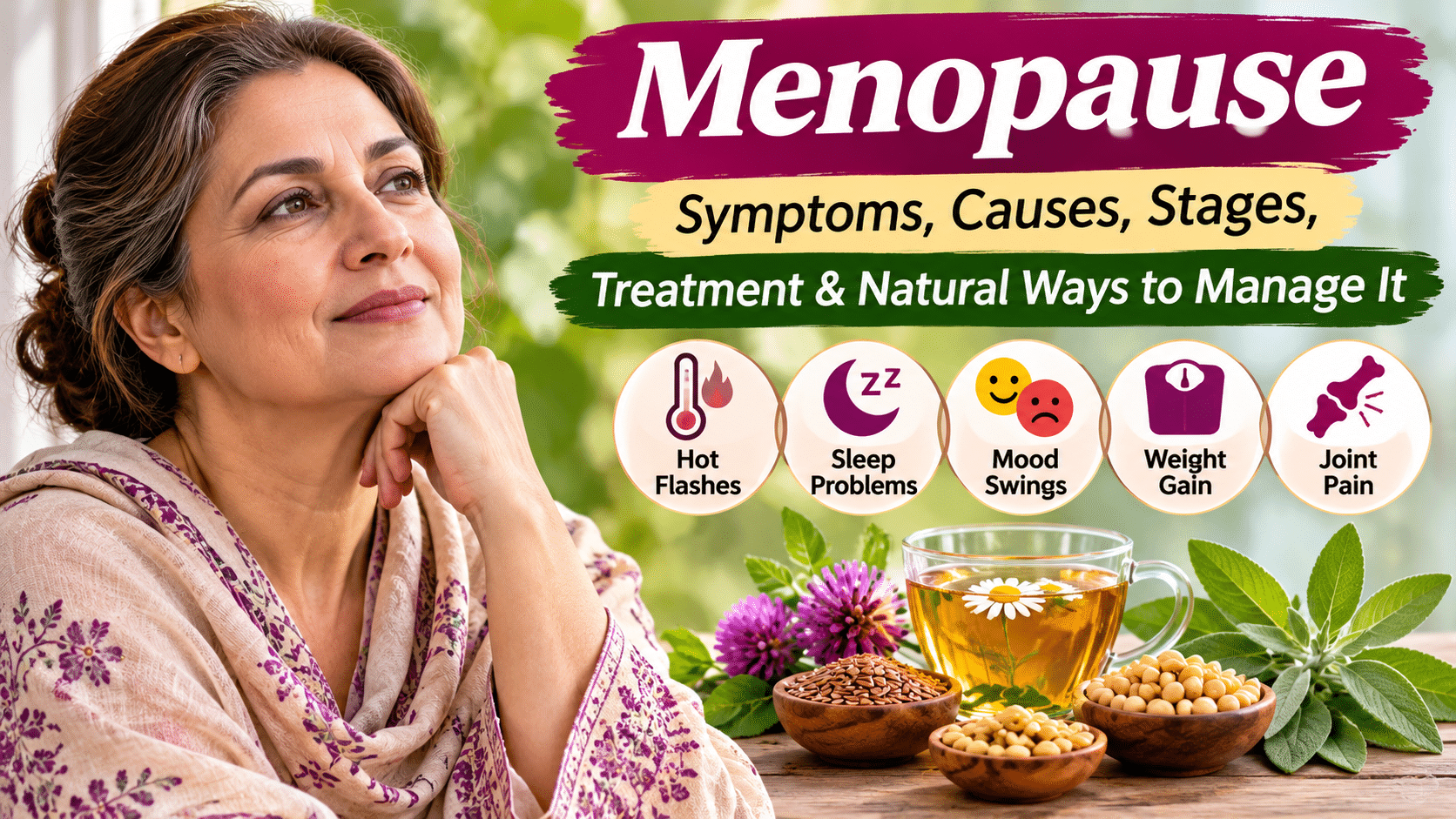
Menopause is a natural stage in every woman’s life that marks the end of menstrual periods and reproductive years. It usually occurs between the ages of 45 and 55, although the timing can vary. During this transition, hormone levels, particularly estrogen and progesterone, gradually decline, leading to physical, emotional, and hormonal changes.
Understanding menopause, its symptoms, causes, and management options can help women maintain their health and quality of life. In this guide, we will explore everything you need to know about menopause, including natural approaches, lifestyle changes, and treatment options.
What Is Menopause?
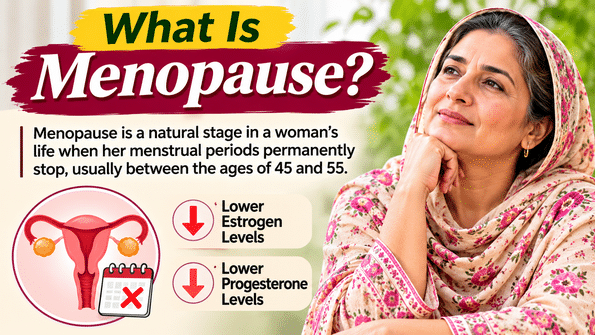
Menopause is a natural biological process that occurs when a woman’s ovaries stop releasing eggs and menstrual periods permanently end.
A woman is considered to have reached menopause after going 12 consecutive months without a menstrual period, provided there is no other medical explanation.
During this stage, the ovaries produce lower amounts of estrogen and progesterone. These hormonal changes can affect several parts of the body, including the reproductive system, bones, heart, skin, and brain.
What Causes Menopause?
Menopause primarily occurs because of natural age-related changes in the ovaries.
The main causes include:
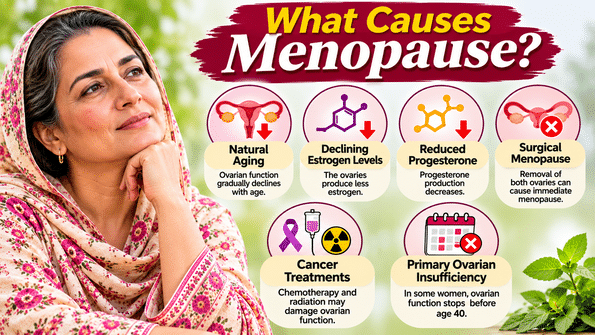
- Natural Aging: As women get older, ovarian function gradually declines.
- Declining Estrogen Levels: The ovaries produce less estrogen, affecting menstrual cycles and other body functions.
- Reduced Progesterone: Progesterone production decreases as ovulation becomes less frequent.
- Surgical Menopause: Removal of both ovaries can cause immediate menopause.
- Cancer Treatments: Chemotherapy and radiation therapy may damage ovarian function.
- Primary Ovarian Insufficiency: In some women, ovarian function stops before age 40.
Common Symptoms of Menopause
Menopause symptoms vary from woman to woman. Some women experience mild changes, while others may have symptoms that affect their daily lives.
Common symptoms include:
- Hot flashes
- Night sweats
- Irregular menstrual periods
- Vaginal dryness
- Mood swings
- Sleep disturbances
- Reduced sexual desire
- Weight gain
- Dry skin
- Hair thinning
- Joint and muscle pain
- Difficulty concentrating
- Memory changes
- Fatigue
- Headaches
What Are the Three Stages of Menopause?
Menopause generally occurs in three stages.
1. Perimenopause
Perimenopause is the transition period before menopause. During this stage, hormone levels fluctuate, and menstrual periods may become irregular.
Common symptoms include hot flashes, mood changes, sleep problems, and irregular periods.
2. Menopause
Menopause is officially reached after 12 consecutive months without menstruation. At this point, the ovaries have significantly reduced their production of reproductive hormones.
3. Postmenopause
Postmenopause refers to the years after menopause. Some symptoms, such as hot flashes and vaginal dryness, may continue, while the risk of osteoporosis and cardiovascular disease becomes more important to monitor.
Natural Ways to Manage Menopause Symptoms
Healthy lifestyle habits may help women manage some menopause symptoms and support overall well-being.
1. Eat a Balanced Diet
Include vegetables, fruits, whole grains, nuts, seeds, and protein-rich foods in your daily diet. These foods provide essential nutrients that support general health.
2. Include Calcium-Rich Foods
Calcium supports bone health, which becomes especially important after menopause.
Good sources include:
- Milk and yogurt
- Sesame seeds
- Almonds
- Broccoli
- Leafy green vegetables
3. Get Enough Vitamin D
Vitamin D helps the body absorb calcium and maintain healthy bones. Safe sunlight exposure and foods such as eggs and oily fish can help support vitamin D intake.
4. Exercise Regularly
Walking, cycling, strength training, and yoga may help improve mood, sleep, muscle strength, and bone health.
5. Maintain a Healthy Weight
A balanced diet and regular physical activity can help manage weight changes that may occur during menopause.
6. Improve Sleep Quality
Maintain a regular sleep schedule, keep your bedroom cool, and avoid caffeine close to bedtime.
7. Manage Stress
Deep breathing, meditation, yoga, and relaxation techniques may help improve emotional well-being.
Herbal Remedies for Menopause
Some herbs are traditionally used to support women’s health during menopause. However, evidence for their effectiveness varies, and herbal products can interact with medications.
- Sage: Traditionally used for women’s wellness and sometimes studied for hot flashes.
- Red Clover: Contains plant compounds called isoflavones, which have estrogen-like activity.
- Flaxseeds: Provide lignans and dietary fiber.
- Soy: Contains isoflavones that may provide modest relief from hot flashes in some women.
- Chamomile: Commonly used as a calming herbal tea to support relaxation.
Important: Herbal supplements are not automatically safe. Women with hormone-sensitive cancers, liver conditions, or those taking prescription medicines should consult a healthcare professional before using menopause supplements. Black cohosh, in particular, has been associated with rare reports of liver injury.
Medical Treatment Options for Menopause
Medical treatments can help manage troublesome symptoms.
- Hormone Replacement Therapy (HRT): May relieve hot flashes, night sweats, and vaginal symptoms. Suitability depends on age, medical history, and individual risks.
- Vaginal Estrogen: Can help relieve vaginal dryness and discomfort.
- Non-Hormonal Medicines: Certain prescription medicines can help manage hot flashes.
- Bone Health Treatment: Calcium, vitamin D, and prescribed osteoporosis medications may be recommended depending on individual needs.
When Should You See a Doctor?
Consult a healthcare professional if menopause symptoms interfere with your daily life, sleep, or emotional well-being.
Seek medical evaluation for:
- Heavy or unusually frequent bleeding.
- Bleeding after 12 months without periods.
- Severe pelvic pain.
- Persistent unexplained fatigue.
- Significant mood changes.
Frequently Asked Questions (FAQs)
1. At What Age Does Menopause Usually Start?
Menopause usually occurs between 45 and 55 years of age, with an average age of approximately 51.
2. What Are the First Signs of Menopause?
Irregular periods, hot flashes, night sweats, sleep disturbances, and mood changes are common early signs.
3. Can Menopause Cause Weight Gain?
Yes. Hormonal changes, aging, reduced muscle mass, and lifestyle factors can contribute to weight gain, particularly around the abdomen.
4. How Long Do Menopause Symptoms Last?
Symptoms vary. Hot flashes and night sweats can continue for several years, and some women experience them for longer.
5. Can Menopause Be Managed Naturally?
Healthy eating, exercise, good sleep habits, stress management, and selected lifestyle changes can help manage some symptoms.
6. Can a Woman Get Pregnant During Menopause?
Pregnancy is still possible during perimenopause. After natural menopause is confirmed, spontaneous pregnancy is extremely unlikely.