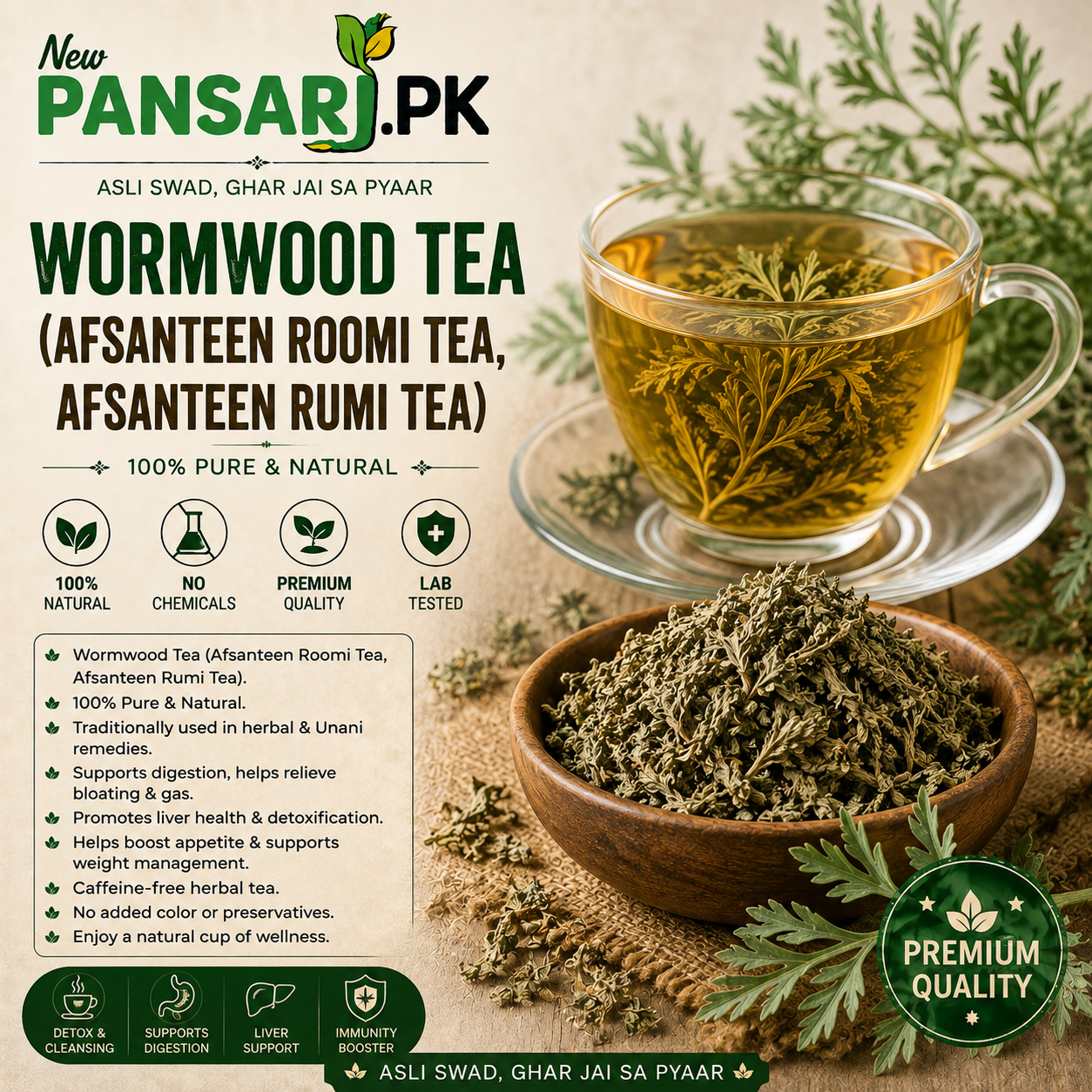
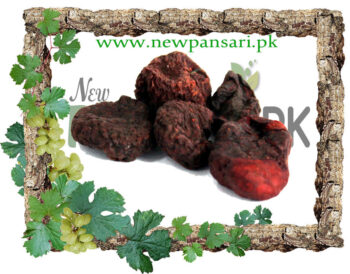
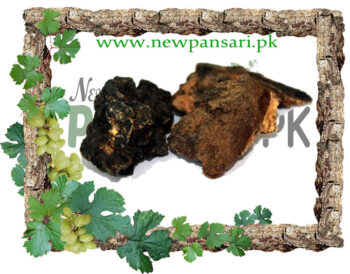
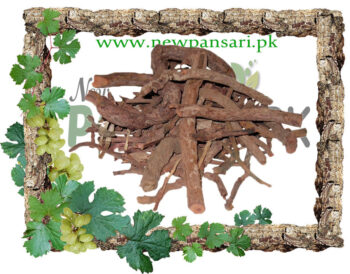
Wormwood Afsateen Roomi, Afsateen Rumi 100% Pure Artemisia absinthium.
₨200.00 – ₨1,500.00Price range: ₨200.00 through ₨1,500.00
- Supports digestive health
- aids liver function
- boosts immunity
- relieves bloating and gas
- reduces inflammation
- promotes detoxification
- enhances overall wellness
Wormwood (Afsateen Roomi, Afsateen Rumi) | افسنطین رومی
Wormwood (Afsateen Roomi / Afsateen Rumi) is a strongly aromatic and naturally bitter herb traditionally associated with herbal medicine, Unani practices, and European botanical traditions. The name Afsateen Roomi (افسنطین رومی) is commonly used in South Asian herbal markets for wormwood, generally referring to Artemisia absinthium.
The dried aerial parts of the plant are commonly used as a traditional botanical ingredient and may be available as dried herb, cut leaves, powder, or herbal tea.
What Is Wormwood?
Wormwood, botanically known as Artemisia absinthium, is a perennial herb belonging to the Asteraceae (daisy) family. It is native to parts of Europe, North Africa, and Asia and is now cultivated in many regions.
The plant is recognizable by its silvery-gray foliage, aromatic fragrance, and intensely bitter taste. Its leaves and flowering tops are traditionally harvested and dried for herbal preparations.
In South Asian herbal terminology, it may be called Afsanteen, Afsantin, Afsateen Roomi, or Afsateen Rumi.
Afsateen Roomi
Afsateen Roomi (افسنطین رومی) is a traditional name associated with wormwood in Unani and regional herbal commerce. The word “Roomi” is a historical regional descriptor and does not necessarily indicate the modern geographical origin of the herb.
Because common names can vary between markets, checking the botanical name Artemisia absinthium is recommended when purchasing wormwood.
Traditional Herbal Uses
Wormwood has a long history of traditional use. Its intense bitterness has traditionally made it an ingredient in preparations associated with digestion and appetite.
Traditional uses may include:
- Herbal digestive preparations
- Traditional bitter-tonic formulations
- Herbal teas and infusions
- Traditional appetite-support preparations
- Botanical blends
- Unani herbal formulations
These are traditional uses only and should not be interpreted as established medical treatments.
Bitter Herbal Profile
One of the most distinctive characteristics of wormwood is its exceptionally bitter taste. Bitter herbs have historically been used in various traditional systems as ingredients in preparations intended to support normal digestive function.
Wormwood also contains naturally occurring aromatic compounds and essential oils that contribute to its characteristic fragrance.
Because some of its constituents are biologically active, wormwood should be used carefully and in appropriate quantities.
Wormwood Tea
Dried wormwood may be prepared as an herbal infusion. Because the herb is extremely bitter, only a small quantity is generally needed to produce a noticeable infusion.
To prepare an herbal tea, use the amount recommended on the product label, steep in hot water for the specified period, and strain before drinking.
Wormwood tea should not be consumed excessively or continuously without professional guidance.
Appearance and Aroma
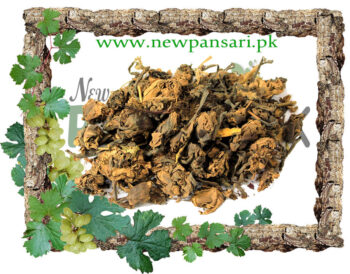
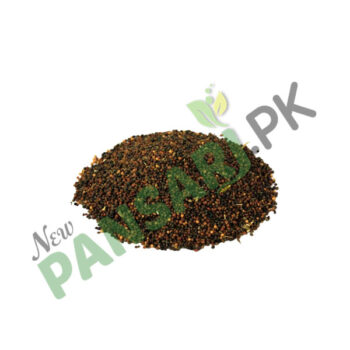
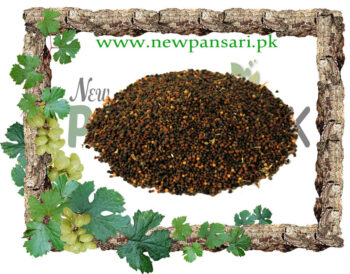
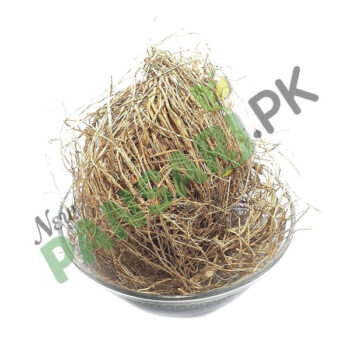
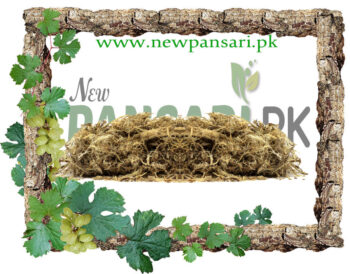
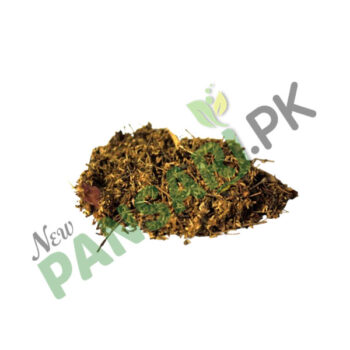
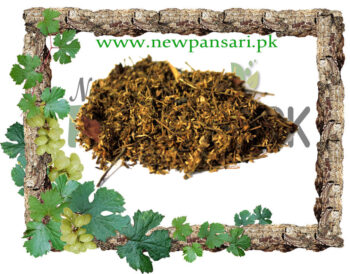
High-quality dried Wormwood generally consists of greenish-gray to silvery leaves and stems with a characteristic strong herbal aroma.
Typical characteristics include:
- Silvery or gray-green leaves
- Strong aromatic fragrance
- Intensely bitter taste
- Dried leaf and stem material
- Naturally variable color and texture
Natural variation can occur according to growing conditions, harvesting time, drying method, and storage.
Botanical Constituents
Artemisia absinthium contains several naturally occurring compounds, including sesquiterpene lactones and volatile oil constituents. One historically notable compound is thujone, although the amount can vary significantly between plant material and preparations.
Because of these biologically active constituents, concentrated wormwood preparations require greater caution than ordinary culinary herbs.
Product Features
- Botanical name: Artemisia absinthium
- Traditional name: Afsateen Roomi
- Strong natural bitter flavor
- Aromatic dried herb
- Traditionally associated with Unani herbal practice
- Suitable for appropriate traditional herbal preparations
- Available as dried herb, cut herb, or powder
How to Use Wormwood
Use Wormwood according to the product label or under the guidance of a qualified herbal practitioner.
If prepared as tea, use only the recommended amount. Avoid making highly concentrated decoctions or taking large quantities.
Wormwood is not an everyday culinary herb, and prolonged or excessive use is not recommended.
Storage Instructions
Store dried Wormwood in an airtight container in a cool, dry place away from direct sunlight, heat, and moisture.
Keep it away from children and pets. Proper storage helps protect the herb from humidity, insects, contamination, and loss of aroma.
Important Safety Information
Wormwood requires particular caution because it contains biologically active constituents, including thujone.
Do not use wormwood during pregnancy or breastfeeding. It should also not be given to children unless specifically advised by an appropriate healthcare professional.
People with seizure disorders, liver disease, or other medical conditions should avoid self-use and consult a healthcare professional. Individuals taking prescription medicines should seek professional advice before using wormwood.
Do not consume concentrated wormwood essential oil. Excessive intake of wormwood preparations can be harmful.
If you experience nausea, dizziness, abdominal discomfort, unusual neurological symptoms, or another concerning reaction, discontinue use and seek medical advice.
Choosing Quality Afsateen Roomi
When purchasing Wormwood, look for a product with clear botanical identification and clean, properly dried plant material.
Because names such as Afsateen, Afsateen Roomi, and Afsateen Rumi may be used differently in regional markets, confirming Artemisia absinthium helps ensure that you are purchasing the intended herb.
Why Choose Wormwood from New Pansari?
New Pansari offers Wormwood (Afsateen Roomi / Afsateen Rumi) as a traditional dried botanical herb for customers interested in Unani and traditional herbal preparations.
Its distinctive silvery appearance, strong aroma, and intensely bitter taste make it a recognizable traditional herb. Use responsibly and follow appropriate preparation and safety guidance.
Product Name
Wormwood (Afsateen Roomi, Afsateen Rumi)
Botanical Name
Artemisia absinthium
Common Names
Wormwood, Afsateen Roomi, Afsateen Rumi, Afsantin, Afsanteen, افسنطین رومی, افسنطین
Product Type
Dried Herbal Herb / Traditional Botanical
Disclaimer
This product description is for general informational purposes and describes traditional herbal use. Wormwood contains biologically active compounds and should not be treated as an ordinary food herb. Do not use during pregnancy or breastfeeding, and do not give to children without professional advice. Avoid concentrated preparations and essential oil. Traditional uses do not constitute proven medical benefits. This product is not intended to diagnose, treat, cure, or prevent any disease. Consult a qualified healthcare professional before internal use, especially if you have a medical condition or take medication.
| Quantity | 50GM, 100GM, 250GM, 500GM |
|---|---|
| Form | Whole ( ثابت ), Grounded ( کٹی ہوی ), Powder ( پسا ہوا ) |
| 5 |
|
0 |
| 4 |
|
0 |
| 3 |
|
0 |
| 2 |
|
0 |
| 1 |
|
0 |
Related Products
- Good for digestion: Reduces gas, bloating, and constipation.
- Helps in cough & cold: Clears chest congestion and soothes throat.
- Reduces menstrual cramps: Eases pain during periods.
- Anti-inflammatory: Helps with joint pain.
- Fights bad breath: Acts as a natural mouth freshener.
- Helps digestion
- Increases alertness (like caffeine)
- Used in traditional medicine for worms
- Part of cultural and social customs
- Softens and moisturizes skin
- Heals cuts, burns, and rashes
- Strengthens hair and soothes scalp
- Used in natural candles, balms, and creams
- Supports digestive health
- boosts immunity
- aids liver function
- reduces inflammation
- promotes heart health
- natural antioxidant
- enhances overall wellness
- Boosts digestion
- improves appetite
- relieves cold and cough
- supports respiratory health
- reduces inflammation
- enhances metabolism
- natural antioxidant
- helps in treating digestive disorders
- supports skin health
- reduces inflammation
- aids in weight management
- improves immunity
- promotes liver health
- helps in wound healing.
- Promotes relaxation
- reduces stress and anxiety
- supports skin health
- aids digestion
- boosts immunity
- improves sleep quality
- natural detoxifier
- enhances overall wellness
- Skin: Helps heal wounds, burns, and skin inflammation.
- Respiratory: Relieves cough and bronchitis.
- Digestion: Aids digestion and relieves constipation.
- Pain & Inflammation: Reduces joint pain and swelling.
- Reproductive Health: Can improve sexual health.
- Hair: Strengthens hair and improves scalp health.
- Supports respiratory health
- cough and cold
- eases asthma symptoms
- reduces inflammation
- boosts immunity
- promotes overall wellness
- natural detoxifier
- Good for teeth and gums
- Heals wounds
- Clears skin
- Helps stomach problems
- Fights germs
- May lower sugar
- May help heart and brain health
- Supports skin, teeth, and bones
- Could help control blood sugar and weight
- May aid digestion
- Can improve soil when used as compost
- Sometimes used as animal feed
- Good for digestion – helps with constipation.
- Helps in weight loss – makes you feel full.
- Controls blood sugar – good for diabetics.
- Healthy heart – reduces cholesterol.
- Good for skin – antioxidants fight aging.
- Reduces inflammation – helps with swelling and pain.
- Cooling effect – soothes body heat.


Reviews
There are no reviews yet.