White Beeswax (Desi Moom Safaid) 100% Pure
₨100.00 – ₨780.00Price range: ₨100.00 through ₨780.00
- Softens and moisturizes skin
- Heals cuts, burns, and rashes
- Strengthens hair and soothes scalp
- Used in natural candles, balms, and creams
White Beeswax (Desi Moom Safaid) | سفید شہد کی موم
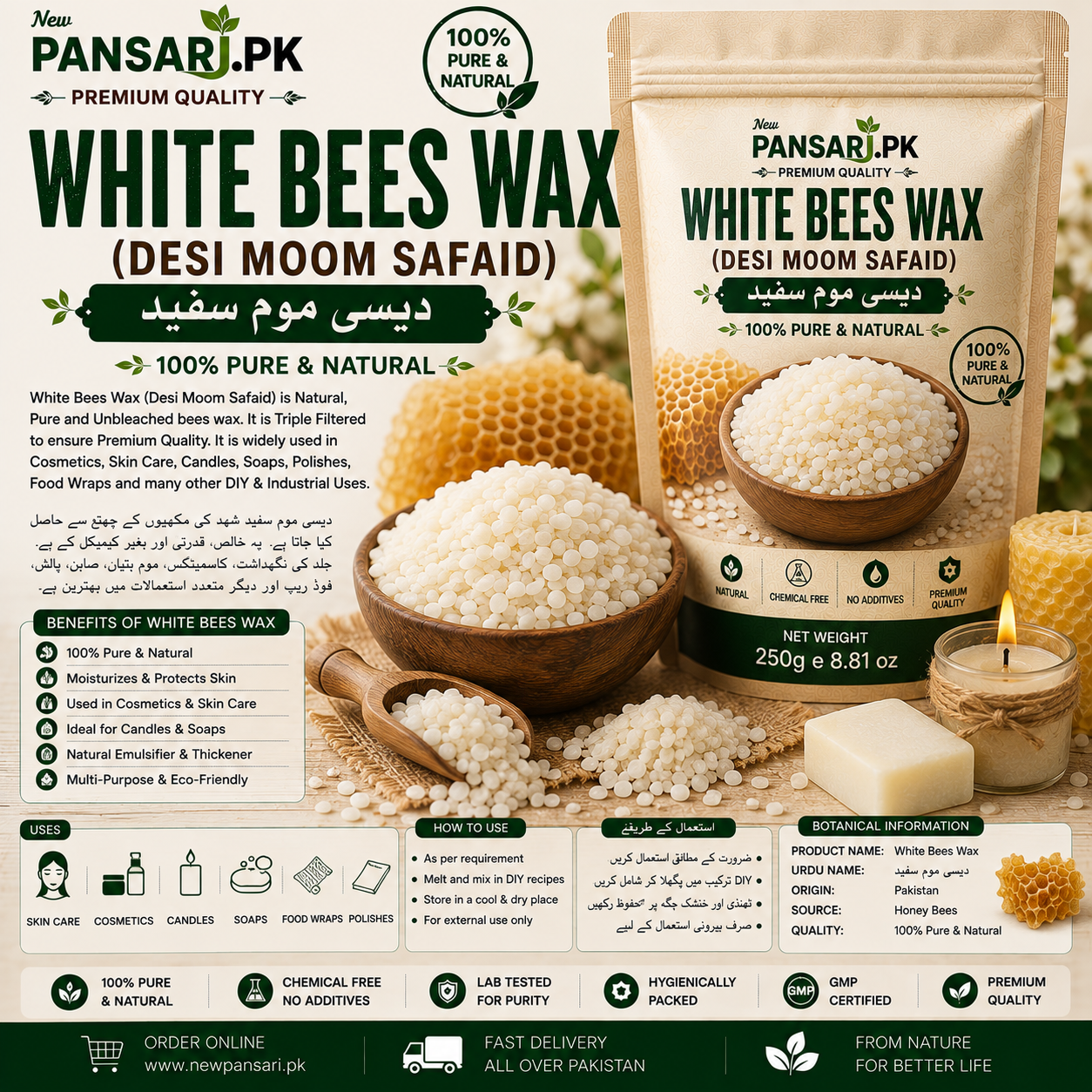
White Beeswax (Desi Moom Safaid) is a naturally derived wax obtained from honeybees and purified to produce a clean, light-colored beeswax suitable for a variety of traditional, cosmetic, craft, and formulation applications. In South Asian markets, it is commonly known as Desi Moom Safaid (دیسی موم سفید) or White Moom.
Beeswax has been valued for centuries because of its natural texture, pleasant characteristics, protective properties, and ability to form a stable wax layer. White beeswax is particularly popular when a lighter-colored ingredient is preferred in creams, balms, candles, polishes, soaps, and other preparations.
What Is White Beeswax?
Beeswax is a natural wax produced by honeybees, primarily Apis mellifera and related honeybee species. Worker bees produce wax from specialized glands and use it to construct the honeycomb in which honey and brood are stored.
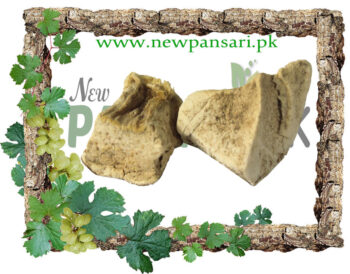
Raw beeswax is normally yellow to golden because of naturally occurring pigments, pollen, propolis, and other components. White Beeswax is produced by cleaning and refining beeswax to remove much of this natural coloration, resulting in a pale white to ivory-colored wax.
The exact color and characteristics depend on the source and purification process.
Desi Moom Safaid
Desi Moom Safaid (دیسی موم سفید) is a traditional South Asian name for white beeswax. It is commonly used as a natural raw material in cosmetic, household, craft, and traditional formulations.
The wax is generally solid at room temperature and becomes soft or liquid when appropriately heated. Once cooled, it returns to a firm waxy consistency.
Uses of White Beeswax
White Beeswax is a versatile natural ingredient with many practical applications, including:
- Skin-care creams
- Lip balms
- Body balms
- Salves and ointments
- Natural soaps
- Moisturizing formulations
- Hair-care products
- Candles
- Furniture and wood polish
- Leather-care products
- Craft projects
- Cosmetic formulations
- Natural wax blends
Its neutral light color makes it particularly useful in formulations where the darker color of unrefined yellow beeswax is undesirable.
White Beeswax for Cosmetics
Beeswax is widely used in cosmetic formulations because it can provide structure, consistency, and a protective waxy layer.
It can be incorporated into products such as lip balms, creams, body butters, salves, and solid cosmetic products. In formulations, beeswax can help give a product a firmer texture and improve its consistency.
It is commonly combined with plant oils such as coconut oil, olive oil, almond oil, jojoba oil, or other suitable cosmetic ingredients.
Beeswax for Lip Balm
White Beeswax is a popular ingredient for homemade and commercial lip balm formulations. It can help provide the solid structure required for a balm while contributing a smooth waxy texture.
A typical formulation may combine beeswax with suitable carrier oils and butters. The exact proportions should be determined according to the desired hardness, texture, and application.
Uses in Candle Making
Beeswax is one of the traditional natural waxes used in candle making. White Beeswax can be used to produce candles where a light-colored wax is preferred.
It can also be blended with other compatible waxes depending on the desired hardness, appearance, melting characteristics, and burning properties.
Natural Craft and Polish Applications
Beeswax has historically been used for polishing and protecting various materials. It can be incorporated into suitable wood and leather polishes to provide a smooth finish.
For any specialized application, test the formulation on a small inconspicuous area first because different materials can react differently to wax-based products.
Product Features
- Natural beeswax
- Refined/purified light-colored wax
- White to ivory appearance
- Solid at normal room temperature
- Softens when heated
- Suitable for cosmetic formulations
- Useful for candles and crafts
- Suitable for wax-based balms and polishes
- Convenient natural formulation ingredient
How to Use White Beeswax
White Beeswax is generally melted gently using a double-boiler or controlled indirect-heating method before being combined with compatible ingredients.
Avoid direct high heat or an open flame. Beeswax is combustible, and overheating can damage the material or create a fire hazard.
Allow the finished formulation to cool gradually so the wax can solidify properly.
Storage Instructions
Store White Beeswax in a cool, dry place away from direct sunlight, moisture, and excessive heat.
Keep it in a clean, sealed container or suitable packaging to protect it from dust and strong odors. Properly stored beeswax can remain stable for a long time.
Quality and Purity
Quality White Beeswax should have a clean appearance and a characteristic mild waxy aroma. Depending on the level of refinement, the wax may range from bright white to creamy or ivory.
For cosmetic or formulation use, choose a product with clear information about its intended grade and processing. Cosmetic-grade, pharmaceutical-grade, food-grade, and craft-grade materials should not automatically be considered interchangeable.
Important Safety Information
White Beeswax is generally used as an external formulation ingredient, but individual sensitivity is possible. People with known allergies to bee products should use appropriate caution.
Do not apply beeswax-containing products to damaged or irritated skin unless the formulation is specifically designed for that purpose. If redness, itching, swelling, or irritation occurs, discontinue use.
When melting beeswax, use appropriate heat safety because molten wax can cause burns and is combustible at sufficiently high temperatures.
Why Choose White Beeswax from New Pansari?
New Pansari offers White Beeswax (Desi Moom Safaid) as a versatile natural wax for cosmetic, craft, candle-making, polishing, and other appropriate formulation applications.
Its clean light color and convenient solid form make it a useful ingredient for customers who prefer a refined beeswax material for their DIY and professional projects.
Product Name
White Beeswax (Desi Moom Safaid)
Common Names
White Beeswax, Desi Moom Safaid, سفید موم, Moom Safaid, White Moom, Refined Beeswax
Natural Source
Honeybee wax — primarily from Apis species
Product Type
Natural Wax / Beeswax / Cosmetic & Craft Raw Material
Disclaimer
This product description is provided for general informational purposes. Beeswax is a natural material, and its color, aroma, and physical characteristics can vary according to source and purification. Use the appropriate grade for your intended application. This product is not intended to diagnose, treat, cure, or prevent any disease. Use appropriate precautions when melting beeswax, and discontinue topical use if irritation or an allergic reaction occurs.
| Quantity | 50GM, 100GM, 250GM, 500GM |
|---|
| 5 |
|
0 |
| 4 |
|
0 |
| 3 |
|
0 |
| 2 |
|
0 |
| 1 |
|
0 |
Related Products
- Good for digestion – helps with diarrhea and stomach issues.
- Anti-inflammatory – reduces swelling and irritation.
- Helps skin – heals wounds, burns, and skin problems.
- Supports respiratory health – soothes mild coughs.
- May help blood sugar – can assist in controlling sugar levels.
- Oral care – strengthens gums and reduces inflammation.
- Good for teeth and gums
- Good for bones and joints
- Helps digestion
- Good for heart
- Soothes cough and throat
- Good for skinHelps control weight
- May help heart and brain health
- Supports skin, teeth, and bones
- Could help control blood sugar and weight
- May aid digestion
- Can improve soil when used as compost
- Sometimes used as animal feed
- Helps digestion
- Increases alertness (like caffeine)
- Used in traditional medicine for worms
- Part of cultural and social customs
- Helps skin heal – good for cuts, burns, and wounds.
- Reduces skin inflammation – soothes redness and irritation.
- Fights microbes – can help prevent minor infections.
- Rich in antioxidants – protects skin from damage.
- Natural dye – used to color cosmetics and soaps.
- Skin Health
- Energy Balance
- Improves Fertility and Libido
- Prevents Intestinal Problems
- Remedy for Respiratory
- Digestive Health
- Anti-Inflammatory and Pain Relief
- Immune Support
- Metabolic and Cardiovascular Benefits
- Antimicrobial Properties
- Detoxification and Liver Support
- Weight Management
- Good for skin – helps with vitiligo, eczema, and fungal infections.
- Strengthens bones – supports bone health.
- Fights germs – has antibacterial and antifungal properties.
- Supports hormones – may help with reproductive health.
- Protects cells – acts as an antioxidant.
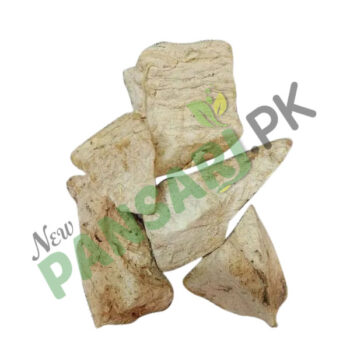
- Helps digestion.
- Relieves cough and throat problems.
- Gives quick energy.
- Supports immunity.
- Reduces inflammation.
- Promotes relaxation.
- Antidiabetic / Blood Sugar‑Lowering Effect
- Rich in Nutrients / Oil Profile Favorable
- Anti‑Inflammatory, Antioxidant, Antimicrobial Potential
- Digestive / Purgative Effects (Traditional Use)
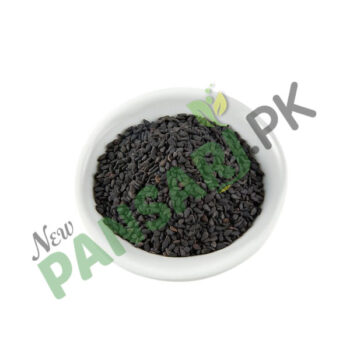
- Good for digestion – helps with constipation.
- Helps in weight loss – makes you feel full.
- Controls blood sugar – good for diabetics.
- Healthy heart – reduces cholesterol.
- Good for skin – antioxidants fight aging.
- Reduces inflammation – helps with swelling and pain.
- Cooling effect – soothes body heat.
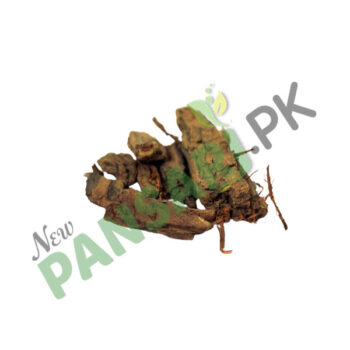
- Good for heart – strengthens heart and improves circulation.
- Lowers cholesterol – helps reduce bad cholesterol and increase good cholesterol.
- Reduces blood pressure – supports healthy blood pressure.
- Antioxidant – protects cells from damage.
- Anti-inflammatory – helps reduce inflammation.
- Supports kidneys – helps in detox and kidney health.


Reviews
There are no reviews yet.