






- Helps digestion
- Controls sugar
- Boosts immunity
- Good for heart and liver
- Helps skin and breathing
Arjuna bark Extract Terminalia Arjuna 100% Pure
Price range: ₨550.00 through ₨2,200.00
29 sold in last 12 hours
Hurry! Over 16 people have this in their carts
Brand: New Pansari
- Supports heart health – Traditionally used to strengthen the heart and cardiovascular system
- Helps maintain healthy blood pressure – May support healthy circulation
- Antioxidant support – Helps protect cells from oxidative stress
- Supports stamina and vitality – Promotes overall energy and endurance
- Supports overall wellness – Used in Ayurveda for general health and longevity
... people are viewing this right now
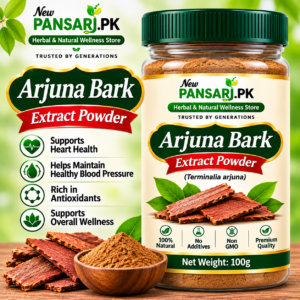
Arjuna Bark Extract Powder
: What It Is and How to Judge It
What Is Arjuna Bark Extract Powder?
Arjuna bark extract powder is a concentrated, dried extract made from the bark of the arjuna tree (Terminalia arjuna), which grows beside rivers and canals in Pakistan, India, Nepal and Sri Lanka. The bark, called arjun ki chaal in Urdu, is one of the best-known herbs in Ayurveda and also appears in Unani and folk traditions.
To make the extract, the bark is soaked or simmered in a solvent such as water or an alcohol-water mix. The liquid is then filtered, concentrated and dried into a fine powder. The result is stronger per gram than plain ground bark, and it usually dissolves more easily.
Extract Powder vs Plain Bark Powder
- Bark powder: Simply ground bark. It is coarser, contains all the fibre, and has a lower concentration of active compounds.
- Extract powder: Processed to concentrate compounds such as tannins and flavonoids. It is finer, darker, more soluble and more potent per gram.
Because extract powder is more concentrated, the same spoonful is not equivalent to bark powder, and strength differs a lot between brands.
Understanding Extract Ratios and Standardisation
Two terms matter on the label:
- Extract ratio (for example 10:1): About 10 kg of bark were used to make 1 kg of extract. A higher ratio means a more concentrated product, but it says little about quality on its own.
- Standardisation: Some extracts state a minimum percentage of certain compounds, such as total tannins or arjunolic acid. A standardised product is more consistent from batch to batch.
If a seller can give neither the ratio nor a standardisation figure, you cannot tell how strong the product is.
What Else Is in the Powder?
Many extract powders contain a carrier such as maltodextrin, starch or rice flour, which helps the extract dry and flow freely. This is normal, but it should be on the label. A product labelled “100% pure extract” should still state the carrier percentage, or say that none is used.
What the Research Says
Arjuna bark contains tannins, flavonoids, triterpenoids and other plant compounds. Researchers have studied it in laboratories, animals and a few small human trials, but the evidence is limited and mixed. Arjuna is not a proven treatment for any heart condition or other disease. Treat it as a traditional herbal ingredient, and never as a replacement for a doctor’s care or prescribed medicine.
How Extract Powder Is Used
- Capsule and tablet making: Manufacturers fill capsules or press tablets with it.
- Herbal blends: Mixed with other powdered herbs by practitioners.
- Traditional drinks: Stirred into warm water by some households.
- Cosmetic and formulation use: Occasionally used in skincare formulations.
There is no widely accepted standard dose, and extract strength varies, so please don’t copy amounts from social media or videos. Ask a qualified doctor, hakim or vaidya, and follow the manufacturer’s label.
What to Check Before Buying
- Botanical name: Terminalia arjuna bark, not another Terminalia species or another bark.
- Extract ratio and standardisation: For example “10:1” or a stated tannin percentage.
- Solvent used: Water, ethanol or a mix, and whether any residue remains.
- Carrier and other ingredients: Listed with percentages where possible.
- Certificate of analysis (COA): A genuine COA shows identity, compound content, and tests for heavy metals, microbes and pesticide residues. Ask for it, especially for bulk orders.
- Batch number, packing date and expiry date.
- Manufacturer details: Name, address and contact information.
- Registration: In Pakistan, supplements and herbal products are expected to be registered or notified with DRAP. Ask for details.
- Packaging: A sealed, moisture-proof pouch or tub.
Quality Signs and Red Flags
Good signs
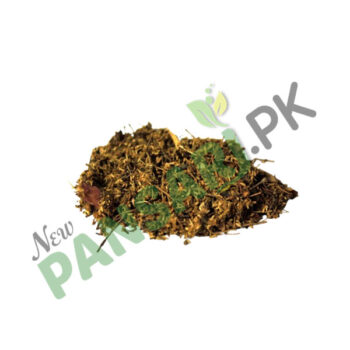
- Reddish-brown to dark brown colour
- Fine, dry, free-flowing texture
- Mild earthy, astringent smell
- A COA that matches the batch number
Red flags
- No botanical name, ratio or ingredient list
- “100% pure” with no explanation of carriers
- Very bright or unusual colour
- Damp, clumped or musty-smelling powder
- Claims to cure heart disease or replace medicines
- A price far below other sellers for a “concentrated” product
Storage
Keep the powder in an airtight container, in a cool, dry place away from sunlight and moisture. Extract powders absorb humidity easily and clump, so use a dry spoon and close the pack tightly. Properly stored, it usually lasts one to two years, but follow the label. Discard it if it smells sour or musty, or becomes hard and damp.
Who Should Be Careful?
Arjuna may act on the heart and circulation, so extra care matters:
- Heart conditions and heart medicines: Do not use arjuna in place of prescribed medicine, and never stop any medicine on your own. It may interact with blood pressure tablets, blood thinners, nitrates, digoxin and other heart drugs. Ask your doctor first.
- Blood pressure: It may lower blood pressure, so people with low blood pressure, or on blood pressure medicine, should be careful.
- Blood thinners and surgery: Tell your doctor, and ask whether to stop before planned surgery.
- Diabetes medicines: Ask a doctor if you take regular medication.
- Liver and kidney conditions: There are rare reports of harm with some herbal products, so ask a doctor first.
- Pregnancy and breastfeeding: Avoid unless a doctor approves.
- Children: Do not give it to children.
- Stomach upset or constipation: The tannins can irritate some people.
- Chest pain, breathlessness, fainting or palpitations: Seek medical help immediately, and do not treat these at home with herbs.
Final Thoughts
Arjuna bark extract powder is a concentrated form of a respected traditional herb, and concentration is also the reason for care. Choose a product with a stated ratio, a named manufacturer, a genuine COA and honest claims, and speak to a doctor before using it, especially if you take any medicine.
| Form | Powder ( پسا ہوا ) |
|---|---|
| Quantity | 50GM, 100GM, 250GM |
Related Products
Barley (Joo) Hordeum vulgare 100% Pure
Price range: ₨150.00 through ₨750.00
- Good for digestion – helps your stomach and bowels.
- Lowers cholesterol – supports heart health.
- Controls blood sugar – slows sugar absorption.
- Helps with weight – keeps you full longer.
- Hydrating & refreshing – caffeine-free and good for detox.
- Rich in nutrients – contains vitamins and minerals for bones and skin.
Kudzu Root Badhari Qand (Badari Qand) 100% Natural
Price range: ₨150.00 through ₨1,000.00
بدھاری قند
- Helps digestion.
- Relieves cough and throat problems.
- Gives quick energy.
- Supports immunity.
- Reduces inflammation.
- Promotes relaxation.
Black Dammar (Chandras) Canarium strictum 100% Pure
Price range: ₨100.00 through ₨700.00
- Wound Healing
- Respiratory Support
- Anti-inflammatory
- Digestive Aid
- Skin Protection
- Hair Care
Australian Pine Tree Fruit (Mae Khurdo) 100% Pure Casuarina equisetifolia
Price range: ₨100.00 through ₨450.00
- Boosts immunity – may help your body fight infections.
- Good for eyes – supports eye health.
- Improves circulation – may help blood flow.
- Skin & hair – may improve skin and prevent hair problems.
- Respiratory health – used for cough, sore throat, asthma.
- General tonic – traditional use for overall health and energy.
Bitter Apple (Sheem Hanzal) Tuma 100% Natural
Price range: ₨100.00 through ₨650.00
- Digestive Support
- Blood Sugar Regulation
- Metabolic Support
- Antioxidant, Anti‑inflammatory
- Detoxification
- Skin & External Uses
Babool Leaves (Barg-e-Babool) babul 100% Natural Acacia nilotica
Price range: ₨150.00 through ₨1,000.00
- Good for teeth and gums
- Heals wounds
- Clears skin
- Helps stomach problems
- Fights germs
- May lower sugar
Black Mustard Seeds (Rai) Brassica nigra Brassica juncea 100% Pure
Price range: ₨100.00 through ₨650.00
- Supports Digestion
- Promotes Heart Health
- Anti-Inflammatory Properties
- Rich in Antioxidants
- Boosts Metabolism
- Respiratory Relief
Bitter Gourd Dry (Karela Khushk) Karala Momordica charantia 100% Natural
Price range: ₨60.00 through ₨450.00
- Blood Sugar Management
- Supports Digestion
- Boosts Immunity
- Liver Health
- Heart Health
- Weight Management
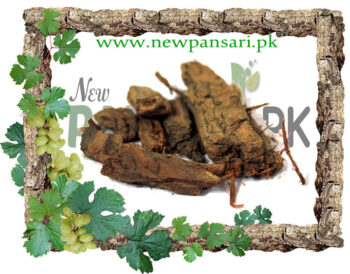
Arjuna Bark (Arjun Ki Chaal) Terminalia arjuna tree 100% Pure
Price range: ₨220.00 through ₨730.00
- Good for heart – strengthens heart and improves circulation.
- Lowers cholesterol – helps reduce bad cholesterol and increase good cholesterol.
- Reduces blood pressure – supports healthy blood pressure.
- Antioxidant – protects cells from damage.
- Anti-inflammatory – helps reduce inflammation.
- Supports kidneys – helps in detox and kidney health.


Black Chebulic Myrobalan (Chotti Harr)100% Natural
Price range: ₨100.00 through ₨450.00
- Digestive Health
- Detoxification & Liver Health
- Immunity & Respiratory Support
- Skin & Hair Health
- Cardiovascular Benefits
- Cognitive & Nervous System Support
- Blood Sugar Regulation


Babchi (Baabchi Seeds) Cullen corylifolium 100% Pure
Price range: ₨200.00 through ₨850.00
- Good for skin – helps with vitiligo, eczema, and fungal infections.
- Strengthens bones – supports bone health.
- Fights germs – has antibacterial and antifungal properties.
- Supports hormones – may help with reproductive health.
- Protects cells – acts as an antioxidant.
Reviews
There are no reviews yet.