







- Softens and moisturizes skin
- Heals cuts, burns, and rashes
- Strengthens hair and soothes scalp
- Used in natural candles, balms, and creams
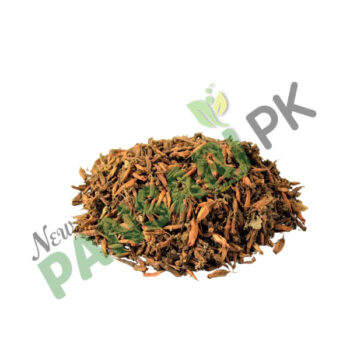
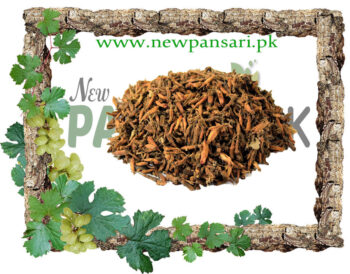
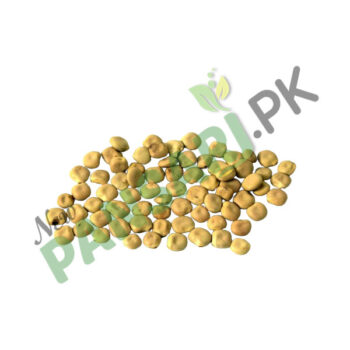
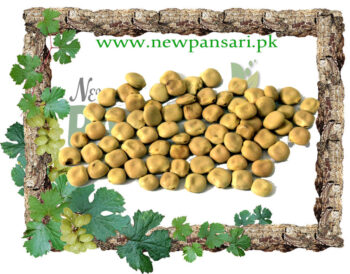
Safflower Seeds (Qurtum, Kurtum) – 100% Pure Natural Seeds
Buy 100% pure Safflower Seeds (Qurtum, Kurtum) online. Naturally sourced Carthamus tinctorius seeds for traditional use. Fast delivery in Pakistan.
Product Overview
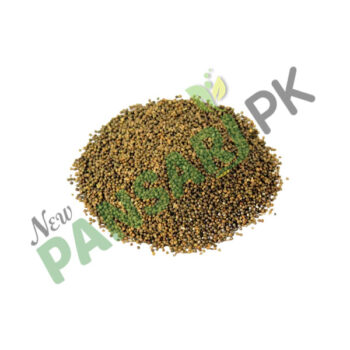
Looking for genuine Safflower Seeds, known locally as Qurtum or Kurtum? Sourced from Carthamus tinctorius, the safflower plant, these seeds hold a long-standing place in traditional Unani medicine, where they’ve been used for generations as an ingredient in herbal formulations prepared by hakims and traditional practitioners. Safflower is also globally recognized as a source of cooking oil and a traditional dye plant, making it a genuinely versatile crop with deep historical roots.
We supply Qurtum Seeds in their raw, natural form — cleaned and quality-checked, but otherwise unprocessed, exactly as sourced from the plant.
Why Choose Our Safflower Seeds (Qurtum)?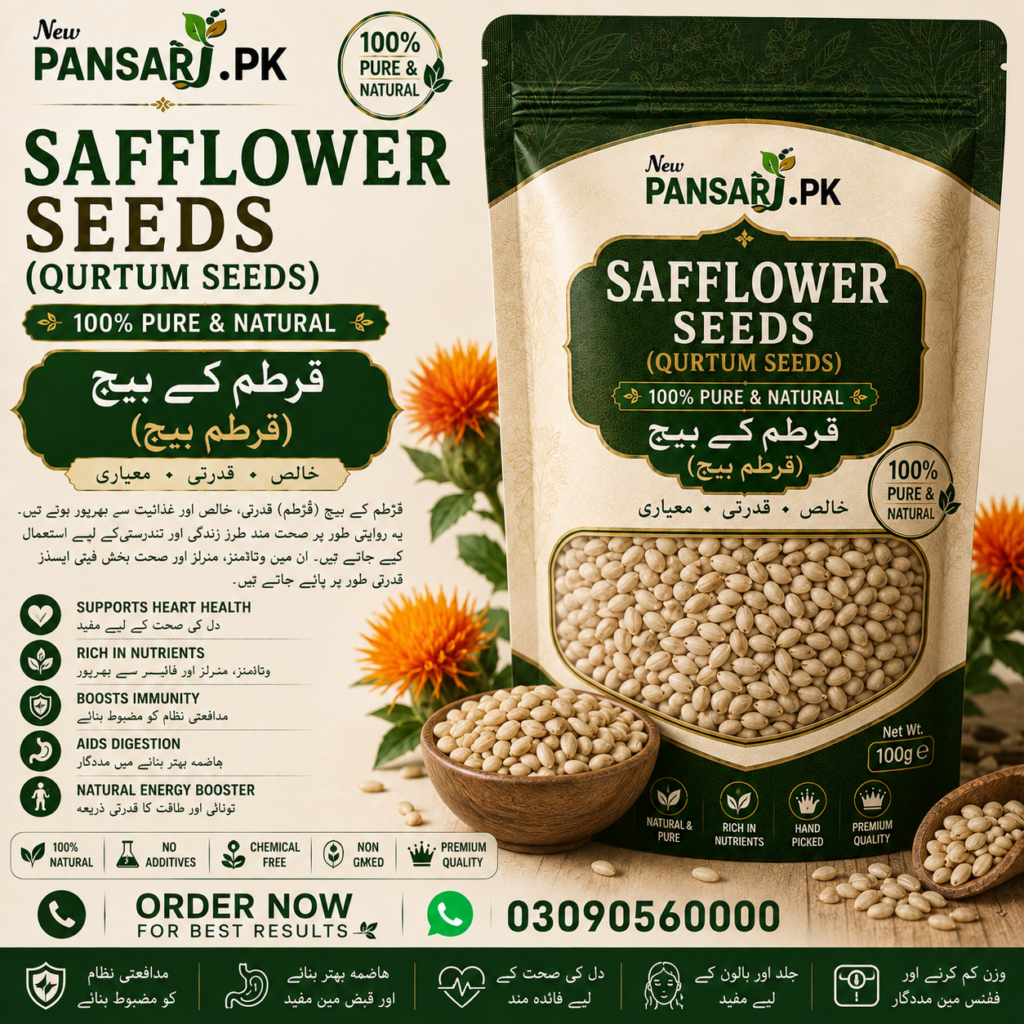
- 100% Natural & Pure – Genuine Carthamus tinctorius seeds, no mixing or substitution
- Naturally Sourced – Cleaned and sorted without chemical treatment
- No Additives or Preservatives – Pure seed, nothing else added
- Trusted in Traditional Medicine – A recognized ingredient in Unani herbal practice
- Hygienically Processed – Sieved to remove husk and debris
- Fair, Transparent Pricing – Genuine quality at an honest price
- Fast & Secure Delivery – Reliable shipping across Pakistan
About Qurtum (Safflower Seeds)
Safflower is a thistle-like flowering plant, long cultivated for its vibrant orange-red flowers, oil-rich seeds, and traditional medicinal use. In Unani medicine, Qurtum seeds have historically been included in traditional formulations, valued by practitioners as part of preparations addressing various traditional health concerns. Beyond herbal medicine, safflower seeds are globally recognized as a source of safflower oil, a light cooking oil, and the plant’s flowers have traditionally been used as a natural dye and as a more affordable substitute for saffron in some regional cuisines (hence one of its common names, “false saffron”).
Found in attar shops, herbal pharmacies, and traditional pansari stores across Pakistan and the wider region, Qurtum remains a familiar name among practitioners preparing traditional herbal remedies.
Traditional & Practical Uses
- Unani Formulations – Used by hakims as an ingredient in traditional herbal preparations
- Oil Extraction – Seeds are a recognized source of safflower oil used in cooking
- Traditional Dye – The plant’s flowers have historically been used as a natural dye
- Herbal Blends – Combined with other traditional herbs in various preparations
Important Safety Note
Safflower seeds are a traditional herbal ingredient and should be used in the customary manner, ideally under the guidance of a qualified hakim, herbalist, or healthcare provider. Safflower is traditionally noted to have properties that may affect menstruation and pregnancy, so it is not recommended for use by pregnant or breastfeeding women without professional guidance. It is also not intended for self-medication or unsupervised use by children or individuals with existing health conditions, including those on blood-thinning medication, without consulting a doctor first. Please consult a qualified practitioner before use. This listing is for the sale of raw herbal material only and does not constitute medical advice.
How It’s Packed
Each batch of Qurtum Seeds is:
- Sourced from trusted regional suppliers
- Cleaned and sieved to remove husk and impurities
- Packed in moisture-resistant, sealed packaging
- Stored in a cool, dry environment away from direct sunlight until dispatch
Suggested Use
Traditionally used in small, measured quantities as part of herbal formulations under practitioner guidance. Store the seeds in a cool, dry place, tightly sealed and away from moisture and direct sunlight, to preserve their natural condition over time.
Frequently Asked Questions
Q: Is Qurtum the same as saffron?
No, despite sometimes being called “false saffron” due to its use as a cheaper dye substitute, safflower is a completely different plant from true saffron (Crocus sativus).
Q: What is Qurtum traditionally used for?
It has a long history of use in Unani herbal formulations, typically prepared and prescribed by qualified hakims.
Q: Is safflower seed oil the same as this product?
No, this listing is for the whole raw seed; safflower oil is a separately extracted product made from these seeds.
Q: Can pregnant women use Qurtum?
It is traditionally not recommended during pregnancy without professional guidance, due to its traditional association with effects on menstruation.
Q: How should I store it?
Keep in a cool, dry, airtight container away from direct sunlight and humidity.
Order Now
Get authentic Safflower Seeds (Qurtum, Kurtum) delivered straight to your door. Genuine sourcing, honest pricing, and dependable delivery across Pakistan.
Add to cart today and bring home a trusted traditional herbal seed.
Reviews
There are no reviews yet.