



- DigestionRespiratory
- HealthSkin & Hair
- Heart & Liver
- Antioxidant & Anti-inflammatory
- Triphala Ingredient
Tamarind Seeds – Imli Seeds – Tukhm-e-Imli 100% Pure
Price range: ₨100.00 through ₨700.00
11 sold in last 13 hours
Hurry! Over 17 people have this in their carts
- Supports digestion
- aids weight management
- regulates blood sugar
- promotes heart health
- boosts immunity
- reduces inflammation
- natural detoxifier
- enhances skin health
... people are viewing this right now
Tamarind Seeds – Imli Seeds – Tukhm-e-Imli
Tamarind Seeds (Imli Seeds / Tukhm-e-Imli) are the natural seeds found inside the pods of the Tamarind tree (Tamarindus indica). Tamarind is widely known for its pleasantly sour fruit pulp, but the hard seeds have also been valued traditionally as a natural botanical material and have various traditional, household, food-processing, and industrial applications.
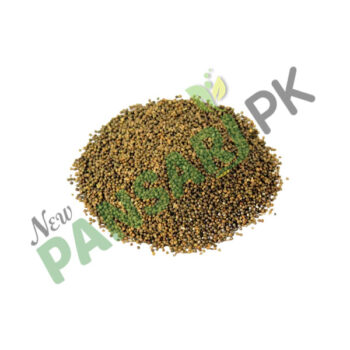
Tukhm-e-Imli is a familiar name in South Asian herbal markets, particularly in Pakistan and India. The seeds are generally hard, smooth, and brown to dark reddish-brown in appearance. They may be available as whole seeds or processed into tamarind seed powder.
What Are Tamarind Seeds?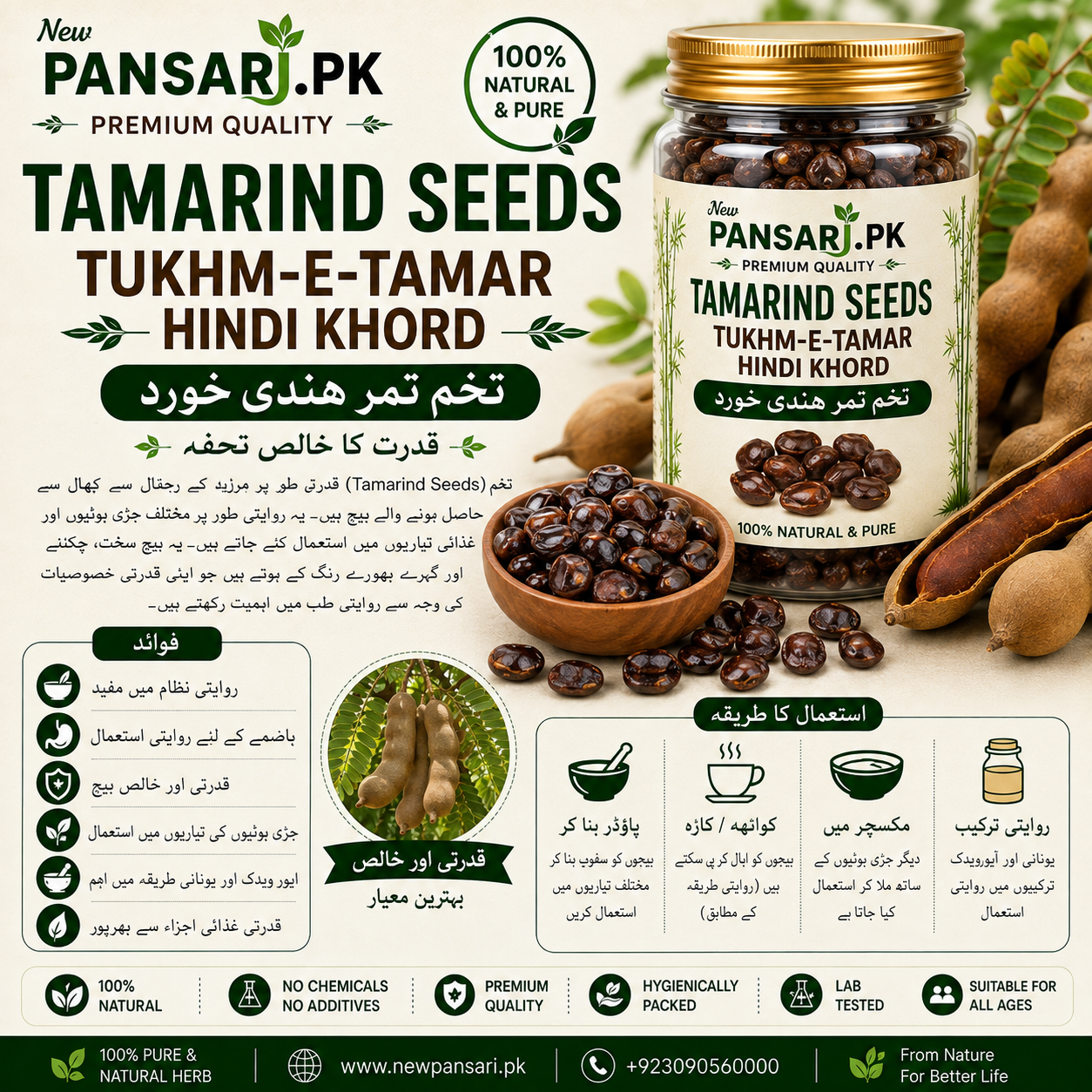
Tamarind seeds are enclosed within the brown pods of the tamarind tree. Each mature pod contains several seeds surrounded by the well-known sour tamarind pulp.
After the fruit is harvested, the seeds can be separated from the pulp, cleaned, dried, and prepared for different applications. Their outer seed coat is naturally hard and durable, so appropriate processing may be required depending on the intended use.
Unlike tamarind pulp, which is commonly used directly as a food ingredient, whole tamarind seeds are not normally consumed without suitable preparation.
Botanical Information
Scientific Name: Tamarindus indica
Common Name: Tamarind
Urdu Name: املی کے بیج
Traditional Name: Tukhm-e-Imli
Other Names: Imli Seeds, Tamarind Seeds, Imli Beej
Tamarindus indica is a tropical evergreen tree cultivated in many warm regions of Asia, Africa, and other parts of the world. Its characteristic brown pods contain acidic fruit pulp and several hard seeds.
Traditional Uses of Tukhm-e-Imli
Tamarind seeds have a long history of use in South Asian traditional practices. Traditionally, the seeds have been cleaned, dried, roasted, soaked, or otherwise processed before being incorporated into particular preparations.
Traditional uses vary by region and may include:
- Traditional herbal preparations
- Preparation of tamarind seed powder
- Household natural preparations
- Traditional food-processing applications
- Natural starch and gum-related uses
- Various artisan and industrial applications
Traditional usage should not be interpreted as proof that tamarind seeds can treat or cure a medical condition.
Tamarind Seed Powder
One of the common ways to process Imli Seeds is to produce Tamarind Seed Powder. After appropriate preparation and grinding, the hard seeds can be converted into a fine or coarse powder.
Powdered tamarind seed is easier to measure and incorporate into suitable formulations than whole seeds. The color of the powder can range from light brown to reddish-brown depending on the processing method.
Natural Composition
Tamarind seeds contain naturally occurring starch, protein, dietary fiber, minerals, polysaccharides, and other plant compounds. Tamarind seed has also attracted interest as a source of plant-based materials for food and industrial applications.
The composition can vary depending on the tamarind variety, growing conditions, maturity, and processing method.
Uses in Food and Food Processing
Processed tamarind seed material has historically been used in certain food-related applications. Tamarind seed contains starch and other components that can be processed into useful food ingredients.
However, customers should distinguish between food-grade tamarind seed products and raw or industrial-grade seed material. Only products specifically processed and labeled for food use should be used as food ingredients.
Industrial and Practical Applications
Tamarind seeds have uses beyond traditional herbal markets. Their naturally occurring starch and polysaccharide components have made them useful in selected technical and industrial applications.
Processed tamarind seed materials have been explored for use in:
- Natural starch preparations
- Adhesive formulations
- Textile applications
- Paper-related processes
- Thickening materials
- Traditional craft applications
- Other plant-based industrial products
The appropriate grade and processing method depend on the specific application.
Appearance and Characteristics
Natural Tamarind Seeds typically have:
- Hard outer seed coat
- Brown to dark brown color
- Smooth, compact surface
- Firm texture
- Oval, angular, or irregular shape
- Naturally durable seed structure
Natural agricultural products can vary in size and color from one harvest or supplier to another.
Storage Instructions
Store Tukhm-e-Imli in a cool, dry place away from moisture, insects, direct sunlight, and excessive heat. Use a clean, airtight container for storage.
If purchasing tamarind seed powder, keep the container tightly sealed because powdered products are more susceptible to moisture absorption.
How to Choose Quality Imli Seeds
Good-quality Tamarind Seeds should be clean, properly dried, and free from visible mold, excessive moisture, insect damage, or unusual odors.
For specialized applications, always select the appropriate grade. Food-grade, herbal, cosmetic, and industrial raw materials should not automatically be considered interchangeable.
Important Safety Information
Tamarind seeds are not the same as tamarind pulp, and whole raw seeds are not generally ready-to-eat. Their hard outer coating means that suitable processing may be necessary for particular applications.
Do not consume raw or unprocessed Tamarind Seeds unless they are specifically prepared and labeled for food use. People with allergies, dietary restrictions, or specific health concerns should seek appropriate professional advice before using concentrated or processed seed preparations.
Tamarind seeds should not be used as a substitute for medical treatment or prescribed medication.
Why Choose Tamarind Seeds from New Pansari?
New Pansari offers Tamarind Seeds – Imli Seeds – Tukhm-e-Imli as a natural botanical raw material for customers looking for traditional South Asian ingredients and suitable plant-based materials.
Whether you are interested in whole Imli Seeds for traditional applications or Tamarind Seed Powder for an appropriate formulation, proper sourcing, processing, and storage are important for maintaining product quality.
Product Name
Tamarind Seeds – Imli Seeds – Tukhm-e-Imli
Common Names
Tamarind Seeds, Imli Seeds, Tukhm-e-Imli, Imli Beej, Tamarind Seed, Tamarindus indica Seeds
Scientific Name
Tamarindus indica
Product Type
Natural Seeds / Botanical Raw Material
Disclaimer
This product description is provided for general informational purposes. Traditional uses of Tamarind Seeds do not constitute proven medical claims. Whole tamarind seeds are hard and should not be confused with edible tamarind pulp. Use only products specifically prepared and labeled for their intended application. For dietary or specialized traditional use, consult a qualified professional.
| Quantity | 50GM, 100GM, 250GM, 500GM |
|---|---|
| Form | Whole ( ثابت ), Grounded ( کٹی ہوی ), Powder ( پسا ہوا ) |
Related Products
Madras Leaf Flower Seeds (Tukhm-e-Kanucha) Phyllanthus Maderaspatensis Seeds (Kanocha) 100% Pure
Price range: ₨180.00 through ₨1,750.00
- Easy to grow and maintain
- Enhances garden aesthetics with vibrant flowers
- Attracts pollinators like bees and butterflies
- Improves air quality around home or garden
- Can be grown in pots, gardens, or balconies
Arjuna Bark (Arjun Ki Chaal) Terminalia arjuna tree 100% Pure
Price range: ₨220.00 through ₨730.00
- Good for heart – strengthens heart and improves circulation.
- Lowers cholesterol – helps reduce bad cholesterol and increase good cholesterol.
- Reduces blood pressure – supports healthy blood pressure.
- Antioxidant – protects cells from damage.
- Anti-inflammatory – helps reduce inflammation.
- Supports kidneys – helps in detox and kidney health.
Axle Wood Flower (Gul-e-Dhawa) Anogeissus latifolia 100% Pure
Price range: ₨150.00 through ₨600.00
- Helps breathing – may ease cough and mild asthma.
- Aids digestion – can reduce bloating and stomach discomfort.
- Good for skin – soothes minor skin irritations.
- Relaxing aroma – used in incense or oils for stress relief.
- Anti-inflammatory – may reduce minor inflammation.
Beleric (Beherra) | Baheda Beleric Myrobalan | Bastard Myrobalan 100%
Price range: ₨100.00 through ₨850.00
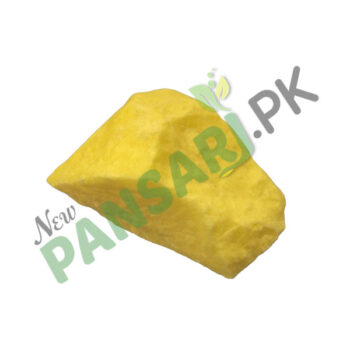
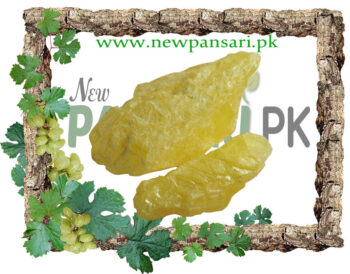
Yellow Sulfur (Amla Saar Gandhak) 100% Pure
Price range: ₨180.00 through ₨1,300.00
- Supports skin health
- aids digestion
- boosts immunity
- promotes liver and kidney function
- reduces inflammation
- natural detoxifier
- enhances overall wellness
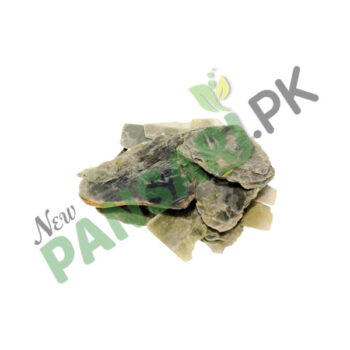
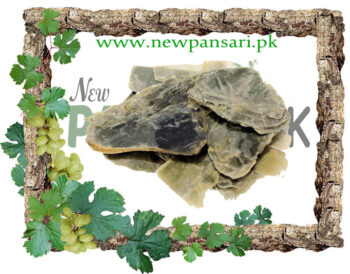
White Mica Abrak Safeed 100% Natural Mineral
Price range: ₨150.00 through ₨1,050.00
- Supports bone and joint health
- aids digestion
- boosts immunity
- promotes skin health
- reduces inflammation
- natural detoxifier
- enhances overall wellness


Almond Straw (Badam Ki Khali) 100% Natural Prunus dulcis
Price range: ₨100.00 through ₨800.00
- May help heart and brain health
- Supports skin, teeth, and bones
- Could help control blood sugar and weight
- May aid digestion
- Can improve soil when used as compost
- Sometimes used as animal feed
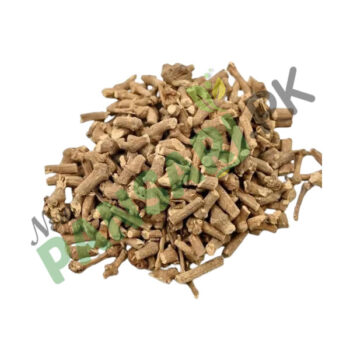
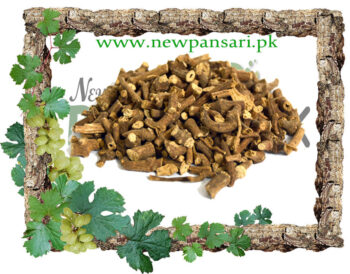
Long Pepper Root (Peeplamool) 100% Pure Piper longum
Price range: ₨170.00 through ₨1,050.00
- Boosts digestion
- improves appetite
- relieves cold and cough
- supports respiratory health
- reduces inflammation
- enhances metabolism
- natural antioxidant


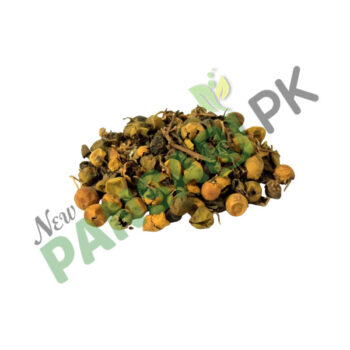
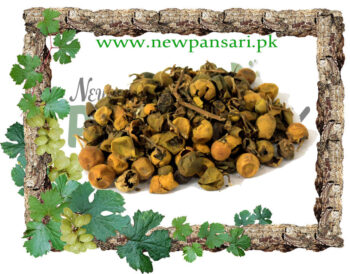
Many Spiked Flacorita (Zarnab) Flacourtia jangomas 100% Pure
Price range: ₨120.00 through ₨900.00
- Improves digestion
- Boosts immunity
- Reduces inflammation
- Supports respiratory health
- Enhances metabolism
- Acts as a natural antioxidant
- Helps in detoxification
- Supports heart health
Wild Egg Plant (Bhat Katiya)
Price range: ₨250.00 through ₨1,450.00
- Supports digestive health
- boosts immunity
- aids liver function
- reduces inflammation
- promotes heart health
- natural antioxidant
- enhances overall wellness
Asafoetida (Hing) 100% Natural
Price range: ₨400.00 through ₨7,200.00
- Good for digestion: Reduces gas, bloating, and constipation.
- Helps in cough & cold: Clears chest congestion and soothes throat.
- Reduces menstrual cramps: Eases pain during periods.
- Anti-inflammatory: Helps with joint pain.
- Fights bad breath: Acts as a natural mouth freshener.
Betel Nut Flower (Gul Supari) Areca Catechu Flower 100% Natural
Price range: ₨120.00 through ₨550.00
- Digestive Aid
- Anti-inflammatory Properties
- Antioxidant Effects
- Respiratory Support
- Skin HealthMild Stimulant
Reviews
There are no reviews yet.