






- DigestionRespiratory
- HealthSkin & Hair
- Heart & Liver
- Antioxidant & Anti-inflammatory
- Triphala Ingredient
White Cowrie Shells Kauri Safed Arkam White moorei 100% Pure
Price range: ₨550.00 through ₨2,400.00
27 sold in last 12 hours
Hurry! Over 15 people have this in their carts
Brand: New Pansari
کوڈی سفید
- Supports bone health (calcium source)
- Helps with skin issues
- May aid digestion
- Used as a general body tonic
... people are viewing this right now
White Cowrie Shells (Kauri Safed): Uses, Tradition and Buying Guide
What Are Kauri Safed?
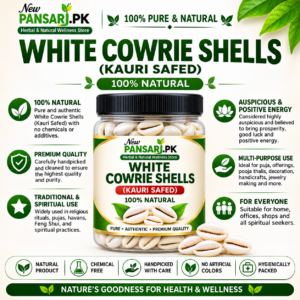
White Cowrie Shells (Kauri Safed)
Kauri (also spelled kaudi or cowrie) are the small, smooth, glossy shells of sea snails, mostly Monetaria moneta (the money cowrie) and related species. They live in warm Indian Ocean and Pacific waters, and the shells are collected after the animal has died. A white or cream cowrie is about the size of a fingernail, with an oval, humped back and a long, toothed slit on the underside.
For thousands of years cowries were used as money in Africa, India, China and parts of Pakistan. That history is why the Hindi word “kaudi” survives in sayings about small amounts of money, and why cowries still carry cultural meaning.
Common Uses
- Ritual and religious use: Cowries are placed in puja, kept in homes and shops as a symbol of prosperity, and used in some Hindu traditions and in Lakshmi worship.
- Astrology and belief practices: Some people keep or wear them for luck. This is belief and tradition, with no scientific support.
- Jewellery and crafts: Strung into necklaces, anklets, bracelets and hair ornaments, and sewn onto textiles, bags and decorative items.
- Games and divination: Used as tokens in traditional board games, and in cowrie shell reading in some cultures.
- Home decor: Used in bowls, wall hangings, aquariums and gift trays.
- Traditional herbal practice: In Unani and Ayurvedic texts, cowrie shells are processed by heating into a calcined ash, kauri bhasma, which is used in some classical formulas.
An Important Safety Point About Bhasma
Whole cowrie shells are mostly calcium carbonate. Preparing bhasma involves strong heating and chemical processing, and quality varies widely. Reviews of traditional bhasmas have raised concerns about contamination with heavy metals and about inconsistent preparation. For this reason, you should not grind or burn shells yourself, and you should not swallow shell powder. Any internal use should be only under the guidance of a qualified practitioner, using a properly prepared, tested product from a registered maker.
How to Choose Good Quality Kauri Safed
- Natural white to cream colour: Slight variation is normal, and shells may have faint patches or a tan tint.
- Glossy, smooth surface: Real cowries have a polished, porcelain-like shine.
- Intact shells: No cracks, holes or chips, unless you want ones with a drilled hole for jewellery.
- Clean and dry: No odour, residue, dirt or leftover marine material.
- Even sizing: Useful for ritual sets, crafts and gift packs.
- No dye or paint: Shells should look natural, not bleached to unnatural white or coloured.
- Clear labelling: The seller should say whether the shells are natural, bleached or polished.
Simple checks
- Smell test: Properly cleaned shells smell of nothing or faintly of the sea. A strong fishy or rotten smell means poor cleaning.
- Surface check: Look for a smooth, shiny, unbroken surface.
- Rub test: Natural shells don’t leave colour on your fingers or a damp cloth.
Sourcing and Ethical Notes
Cowrie shells come from marine animals, so sourcing matters. Choose shells from sellers who say they are collected from empty shells found after the animal has died, and avoid products that look freshly harvested. Some shell species are protected or regulated in certain countries, and rules on moving shells across borders differ. If you sell shells, check the rules for your area and each destination.
Storage
Keep kauri in a dry box or cloth bag, away from damp and direct sunlight. Moisture and acid, such as vinegar or lemon, can dull or etch the shell. Wipe with a soft dry cloth, and don’t use harsh chemicals, which can strip the shine. Keep small shells away from young children and pets, since they are a choking hazard.
Who Should Be Careful?
- Children and pets: Cowries are small, hard and easy to swallow. Keep them out of reach.
- Swallowing or burning shells: Don’t do it. The shells are not edible, and homemade ash can be contaminated or irritating.
- Bhasma products: Use only registered products from reputable makers, and only under practitioner guidance. Pregnant and breastfeeding women, children and anyone with kidney or liver conditions should avoid them unless a doctor approves.
- Skin sensitivity: Some people react to dyes, glue or metal fittings on shell jewellery.
- Persistent health problems: See a doctor rather than relying on shells or ritual items.
Final Thoughts
Kauri safed are small shells with a very long human history, from ancient currency to ritual symbol and craft material. Choose clean, glossy, undamaged shells from an honest source, and treat them as cultural and decorative items. They are not a medicine, and they should never be swallowed or burned at home.
| Quantity | 50GM, 100GM, 250GM |
|---|---|
| Form | Whole ( ثابت ), Grounded ( کٹی ہوی ), Powder ( پسا ہوا ) |
Related Products
Arugula Seeds (Tukhm-e-Tara Mera) Eruca sativa 100% Pure
Price range: ₨60.00 through ₨700.00
- Rich in nutrients: Vitamins, minerals, and antioxidants.
- Good for digestion: High in fiber.
- Heart health: Helps blood flow and lowers blood pressure.
- Anti-inflammatory: Reduces inflammation.
- Strong bones: Contains calcium and vitamin K.
- Weight management: Low calorie, keeps you full.
- Healthy skin & hair: Supports repair and growth.
Acanthus Seeds (Tukhm-e-Utangan) 100% Pure
Price range: ₨350.00 through ₨1,500.00
- Skin: Helps heal wounds, burns, and skin inflammation.
- Respiratory: Relieves cough and bronchitis.
- Digestion: Aids digestion and relieves constipation.
- Pain & Inflammation: Reduces joint pain and swelling.
- Reproductive Health: Can improve sexual health.
- Hair: Strengthens hair and improves scalp health.
Black Mustard Seeds (Rai) Brassica nigra Brassica juncea 100% Pure
Price range: ₨100.00 through ₨650.00
- Supports Digestion
- Promotes Heart Health
- Anti-Inflammatory Properties
- Rich in Antioxidants
- Boosts Metabolism
- Respiratory Relief
Basil Seeds (Tukham Banalga) 100% Pure تخم بلنگو Ocimum basilicum
Price range: ₨200.00 through ₨1,150.00
- Good for digestion – helps with constipation.
- Helps in weight loss – makes you feel full.
- Controls blood sugar – good for diabetics.
- Healthy heart – reduces cholesterol.
- Good for skin – antioxidants fight aging.
- Reduces inflammation – helps with swelling and pain.
- Cooling effect – soothes body heat.
Black Musli (Siyah Musli) Curculigo orchioides 100% Pure
Price range: ₨450.00 through ₨2,850.00
-
Curculigo Orchioides
-
سیاہ موصلی
-
کالی موصلی
Arjuna Bark (Arjun Ki Chaal) Terminalia arjuna tree 100% Pure
Price range: ₨220.00 through ₨730.00
- Good for heart – strengthens heart and improves circulation.
- Lowers cholesterol – helps reduce bad cholesterol and increase good cholesterol.
- Reduces blood pressure – supports healthy blood pressure.
- Antioxidant – protects cells from damage.
- Anti-inflammatory – helps reduce inflammation.
- Supports kidneys – helps in detox and kidney health.
Beleric (Beherra) | Baheda Beleric Myrobalan | Bastard Myrobalan 100%
Price range: ₨100.00 through ₨850.00


Sone Ka Warq 24K Gold Leaf 3.5″ x 3.5″ Aurum
Price range: ₨900.00 through ₨2,500.00
سونے کا ورق
- Ideal for mithai & desserts
- Luxury cake decoration
- Traditional herbal use
- Lightweight delicate sheets
- Elegant food presentation
- Suitable for festive occasions
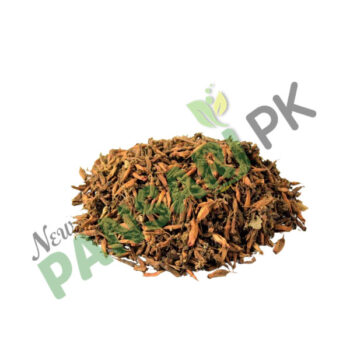
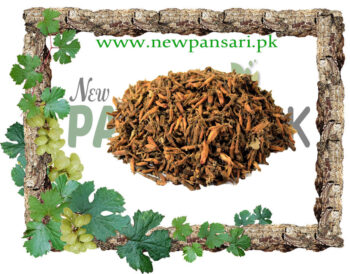
Axle Wood Flower (Gul-e-Dhawa) Anogeissus latifolia 100% Pure
Price range: ₨150.00 through ₨600.00
- Helps breathing – may ease cough and mild asthma.
- Aids digestion – can reduce bloating and stomach discomfort.
- Good for skin – soothes minor skin irritations.
- Relaxing aroma – used in incense or oils for stress relief.
- Anti-inflammatory – may reduce minor inflammation.


Black Mica (Abrak Siyah) Biotite 100% Pure
Price range: ₨50.00 through ₨650.00
- Skin Health
- Energy Balance
- Improves Fertility and Libido
- Prevents Intestinal Problems
- Remedy for Respiratory
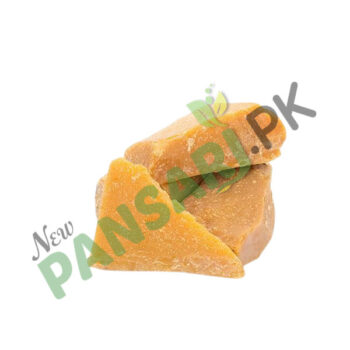

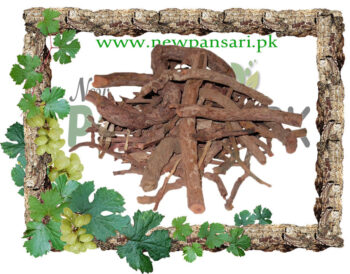
Manjistha roots || Majeeth مجیٹھ Alkanna tinctoria 100% Pure
Price range: ₨150.00 through ₨700.00
- Helps skin heal – good for cuts, burns, and wounds.
- Reduces skin inflammation – soothes redness and irritation.
- Fights microbes – can help prevent minor infections.
- Rich in antioxidants – protects skin from damage.
- Natural dye – used to color cosmetics and soaps.
Reviews
There are no reviews yet.