High blood pressure, also known as hypertension, is a common health condition that affects millions of people worldwide. If left uncontrolled, it can increase the risk of heart disease, stroke, kidney problems, and other serious complications. Many people are interested in natural approaches, including herbs, herbal teas, and plant-based foods, to support healthy blood pressure.
Some herbs contain natural compounds that may have a beneficial effect on cardiovascular health. However, scientific evidence varies, and no herbal supplement has been proven to replace standard blood pressure medication.
In this guide, we explore the potential benefits of herbs for blood pressure, how they may support heart health, which herbs require caution, and how to use natural products more safely.
What Is High Blood Pressure?
Blood pressure is the force exerted by circulating blood against the walls of the arteries. It is measured using two numbers.
- Systolic blood pressure: The pressure when the heart contracts and pumps blood.
- Diastolic blood pressure: The pressure when the heart relaxes between beats.
High blood pressure develops when the pressure in the arteries remains elevated over time. It often has no noticeable symptoms, which is why regular monitoring is important.
Several factors can contribute to hypertension, including excessive sodium intake, physical inactivity, excess body weight, family history, aging, chronic kidney disease, and certain medications.
Healthy eating, regular exercise, limiting salt, and following an appropriate medical treatment plan can help manage blood pressure and reduce cardiovascular risk.
Can Herbs Help Lower Blood Pressure Naturally?
Some herbs and plant-based foods have been studied for their potential effects on blood pressure. Researchers have investigated compounds that may influence blood vessel function, inflammation, and other processes involved in cardiovascular health.
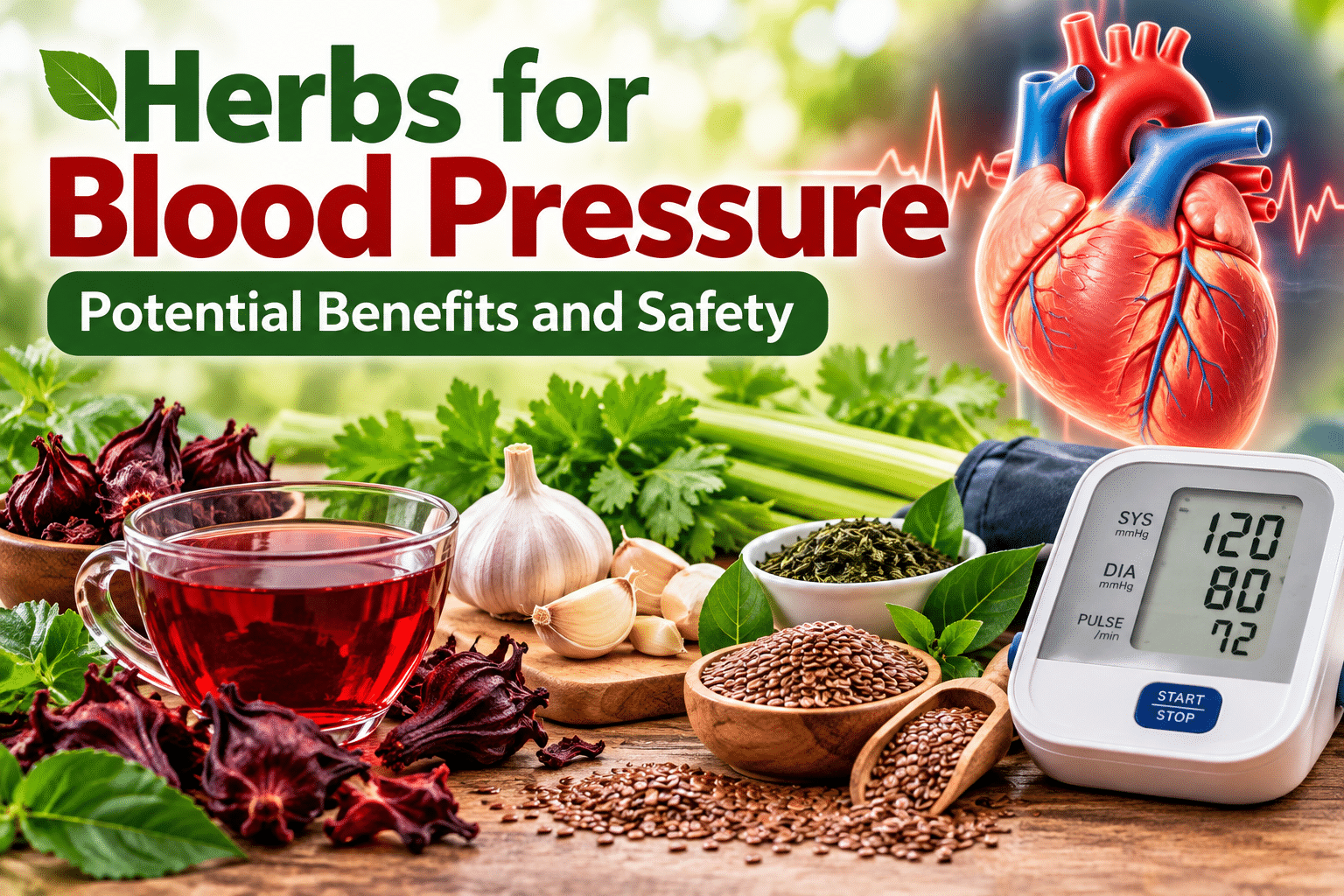
Hibiscus, garlic, green tea, and flaxseed are among the options that have attracted scientific interest. Nevertheless, results vary between studies, and the effects may be modest.
The National Center for Complementary and Integrative Health notes that evidence for several dietary supplements is limited and that no supplement has demonstrated effects comparable to blood pressure medications.
Herbs should therefore be considered possible additions to a heart-healthy lifestyle, not proven cures for hypertension.
1. Hibiscus (Roselle) for Blood Pressure
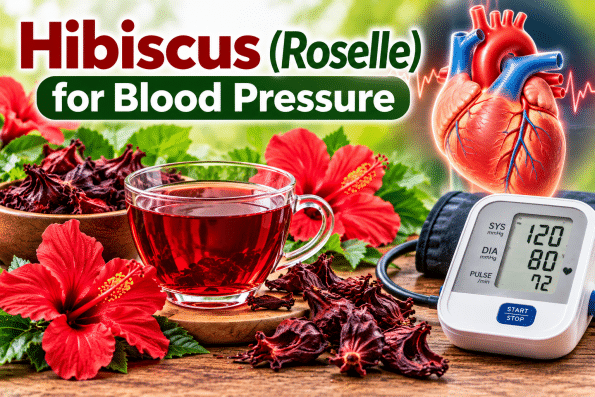
Hibiscus, scientifically known as Hibiscus sabdariffa, is a flowering plant commonly used to prepare a deep-red herbal tea. In some traditional wellness practices, hibiscus tea is consumed as a refreshing beverage.
Potential benefits of hibiscus
Hibiscus contains anthocyanins and other plant compounds with antioxidant properties. Researchers have investigated whether these compounds may support normal blood vessel function and influence blood pressure.
Some clinical studies suggest that hibiscus preparations may modestly reduce systolic and diastolic blood pressure in adults with elevated readings. However, study results differ, and more research is needed to establish long-term effectiveness and appropriate preparations.
How is hibiscus used?
Hibiscus is commonly consumed as a tea made from dried calyces, the colorful structures surrounding the flower.
Choose unsweetened tea when possible, and do not assume that concentrated extracts provide the same effects as a regular beverage.
Safety precautions
Hibiscus may contribute to lower blood pressure and could increase the effect of blood pressure medication. People taking antihypertensive medicines should consult a healthcare professional before using it regularly for this purpose.
2. Garlic (Lehsan) for Heart Health
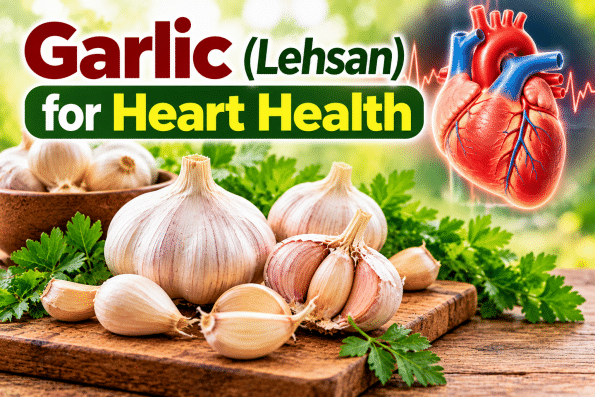
Garlic, or Allium sativum, is a widely used culinary ingredient. It contains sulfur-containing compounds, including allicin, which have been investigated for potential cardiovascular effects.
Potential benefits of garlic
Some research suggests that garlic supplements may modestly lower blood pressure in people with hypertension. Garlic may also help improve certain cholesterol measurements in some individuals, although findings vary according to the preparation and study.
Using garlic in everyday cooking can add flavor to meals and may help reduce reliance on excessive salt.
However, eating garlic is not a substitute for a prescribed treatment plan, and the benefits observed in supplement studies cannot automatically be applied to every form of garlic.
How to include garlic in your diet
Garlic can be added to vegetable dishes, lentils, soups, sauces, and other balanced meals. Ordinary food quantities are generally suitable for many adults.
Safety precautions
Concentrated garlic supplements may cause stomach discomfort, nausea, or an increased risk of bleeding. People taking anticoagulants, aspirin, or other medicines that affect bleeding should seek medical advice before using supplements.
3. Green Tea for Cardiovascular Wellness
Green tea is prepared from the leaves of Camellia sinensis. It contains catechins, a group of plant compounds studied for their antioxidant properties.
Potential benefits of green tea
Some studies suggest that green tea or green tea extracts may produce a small reduction in blood pressure. However, the quality of evidence and the results differ among studies.
Unsweetened green tea can be part of a balanced diet. It is important to remember that green tea contains caffeine, which may temporarily raise blood pressure in sensitive individuals.
How to consume green tea
Green tea can be prepared as a regular beverage without excessive added sugar. People who experience palpitations, sleep problems, or a rise in blood pressure after caffeine may need to reduce their intake or choose a caffeine-free alternative.
Safety precautions
Concentrated green tea extracts are not equivalent to ordinary brewed tea. Supplements containing these extracts have occasionally been associated with liver injury and may interact with medicines.
Consult a healthcare professional before taking concentrated green tea supplements to manage blood pressure.
4. Flaxseed (Alsi) for Heart Health
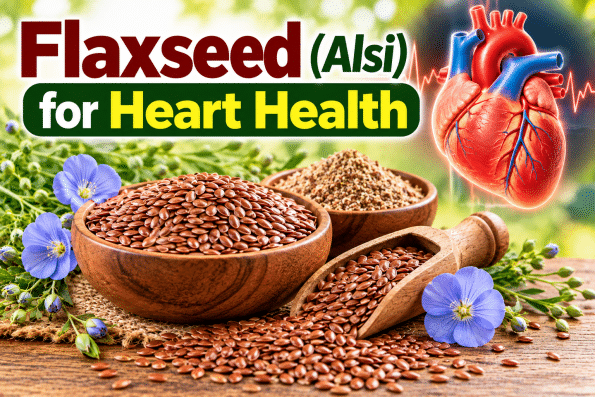
Flaxseed, also known as alsi, comes from the plant Linum usitatissimum. It provides dietary fiber, alpha-linolenic acid, and other plant compounds.
Potential benefits of flaxseed
Some research suggests that regular flaxseed consumption may help support cardiovascular health and modestly reduce blood pressure. Its fiber content can also contribute to a healthy diet.
Flaxseed should be viewed as a nutritious food rather than a treatment for hypertension. Its effects may depend on the amount consumed, the form used, and the individual’s overall diet.
How to include flaxseed in your diet
Ground flaxseed can be added to oatmeal, yogurt, or other foods. Introduce fiber gradually and drink adequate fluids.
Safety precautions
Flaxseed may cause bloating or changes in bowel movements, particularly when intake increases suddenly. It may also affect the absorption of oral medicines, so ask a pharmacist whether timing adjustments are needed.
People with swallowing difficulties or certain digestive conditions should seek appropriate advice before increasing their fiber intake substantially.
5. Celery (Ajmod) and Blood Pressure
Celery, or Apium graveolens, is a vegetable that can be included in a balanced, heart-conscious eating pattern.
Potential benefits of celery
Celery contains water, fiber, and various plant compounds. Researchers have also investigated celery seed extracts for potential effects on blood pressure.
However, evidence for concentrated celery preparations remains limited. Findings from laboratory studies or small clinical studies do not establish that celery supplements can reliably control hypertension.
How to use celery
Fresh celery can be added to salads, soups, vegetable dishes, and other meals. Whole celery is a useful food choice, but it should not be considered a proven blood pressure treatment.
Safety precautions
Celery seed supplements may not be appropriate for everyone, particularly people who take blood pressure medication or have allergies to celery. Consult a healthcare professional before using concentrated products.
6. Turmeric (Haldi) and Cardiovascular Health
Turmeric, or Curcuma longa, is a popular culinary spice used in South Asian cooking. It contains curcumin and other compounds that have been investigated for their antioxidant and anti-inflammatory properties.
Potential benefits of turmeric
Turmeric is widely studied for its possible effects on inflammation and metabolic health. However, evidence that turmeric or curcumin supplements directly and reliably lower blood pressure remains insufficient.
Turmeric can add flavor to vegetables, lentils, and other dishes without requiring excessive salt. Its role should primarily be considered part of a varied diet.
Safety precautions
High-dose curcumin supplements can cause digestive side effects and may interact with medicines. Some enhanced-absorption formulations have been associated with liver injury.
People taking anticoagulants or multiple prescription medicines should consult a healthcare professional before using concentrated turmeric products.
Herbs That May Increase Blood Pressure
Not every herb is suitable for people with hypertension. Some natural products can raise blood pressure, affect heart rate, or interfere with prescribed treatment.
Licorice Root (Mulethi)
Licorice root contains glycyrrhizin, a compound that can cause the body to retain sodium and fluid while lowering potassium levels. This can increase blood pressure and, in some cases, cause serious complications.
People with hypertension should avoid medicinal use of licorice containing glycyrrhizin unless a qualified healthcare professional specifically advises otherwise.
Ephedra (Ma Huang)
Ephedra contains stimulant compounds that can increase blood pressure and heart rate. It has been associated with serious cardiovascular complications.
People with high blood pressure should avoid ephedra-containing supplements and stimulant-based herbal weight-loss products.
Bitter Orange
Certain bitter orange extracts contain synephrine, a stimulant that may affect blood pressure and heart rate. Products combining bitter orange with caffeine or other stimulants may pose additional risks.
People with hypertension should avoid these products unless a healthcare professional has assessed their suitability.
Natural Ways to Support Healthy Blood Pressure
Herbs alone are unlikely to provide reliable blood pressure control. Evidence-based lifestyle changes are essential for preventing and managing hypertension.
1. Reduce Sodium Intake
Excessive sodium can contribute to elevated blood pressure. Limit the use of table salt and reduce highly salted foods, packaged snacks, instant noodles, processed meats, and salty sauces.
The 2025 American Heart Association and American College of Cardiology guideline recommends reducing sodium intake to less than 2,300 milligrams per day, moving toward an ideal limit of less than 1,500 milligrams for most adults where appropriate.
People with kidney disease or those taking certain medicines should consult their healthcare professional before using potassium-based salt substitutes.
2. Follow a Heart-Healthy Diet
A DASH-style eating pattern emphasizes vegetables, fruits, whole grains, beans, nuts, and suitable sources of protein. It also encourages limiting excess sodium and foods high in saturated fat.
In Pakistan, practical choices may include fresh vegetables, seasonal fruit, lentils, beans, whole-wheat roti, and home-cooked meals prepared with moderate amounts of salt and oil.
3. Exercise Regularly
Physical activity supports cardiovascular health and can help manage blood pressure. Many adults can aim for at least 150 minutes of moderate-intensity activity per week, alongside muscle-strengthening activities when appropriate.
Walking, cycling, and other suitable activities can be helpful. People with significant heart problems or severely uncontrolled hypertension should seek medical advice about safe exercise.
4. Maintain a Healthy Weight
For people who are overweight or have obesity, gradual and sustainable weight loss can help improve blood pressure. A balanced diet, regular physical activity, and appropriate professional support can make weight management more achievable.
Avoid relying on stimulant-based herbal weight-loss products, which may raise blood pressure.
5. Manage Stress and Sleep
Chronic stress and inadequate sleep can affect overall health and make healthy habits more difficult to maintain.
Consider a consistent sleep schedule, relaxing activities, gentle breathing exercises, and regular breaks. People who snore heavily or experience persistent daytime sleepiness should ask a healthcare professional whether sleep apnea could be contributing to hypertension.
6. Monitor Blood Pressure at Home
A validated automatic upper-arm blood pressure monitor can help you track your readings. Sit quietly before measuring, support your arm at heart level, and follow the device instructions.
Record your results and discuss them with your healthcare professional. A single reading does not always establish a diagnosis, and treatment decisions should consider repeated measurements and your medical history.
Are Herbal Teas Safe for High Blood Pressure?
Herbal teas are not all the same. Their effects depend on the plant, preparation, amount consumed, and any medicines a person takes.
Unsweetened hibiscus tea has some evidence suggesting a possible modest blood pressure-lowering effect. Green tea has also been studied, but its caffeine content may be unsuitable for some people.
Teas made from licorice root may raise blood pressure. Blended products may also contain stimulants or ingredients that interact with medicines.
Before drinking herbal tea regularly to manage hypertension, check the ingredients and ask a qualified healthcare professional whether it is appropriate for you.
Can Herbs Replace Blood Pressure Medication?
No. Herbs should not replace prescribed blood pressure medication.
Hypertension can increase the risk of heart attack, stroke, heart failure, and kidney disease. Many people need medication in addition to lifestyle changes to maintain safe blood pressure levels.
If you are interested in an herbal supplement, discuss the specific product with your doctor or pharmacist. Share its full ingredient list and explain how often you plan to use it.
Do not reduce, skip, or stop prescribed medication because your blood pressure improves after making dietary changes.
Who Should Be Careful With Herbal Supplements?
Extra caution is important for:
- People taking blood pressure medication or diuretics.
- People taking anticoagulants or antiplatelet medicines.
- People with kidney or liver disease.
- Pregnant or breastfeeding individuals.
- Older adults taking several medicines.
- People preparing for surgery.
- Anyone with a history of allergic reactions to herbs or plants.
Natural does not automatically mean safe. Supplements may vary in quality, concentration, and purity. Choose products from reputable sources and avoid unsupported claims that an herbal remedy can cure hypertension.
When Is High Blood Pressure an Emergency?
Very high blood pressure can require urgent medical attention.
If your reading is higher than 180 systolic and/or 120 diastolic, wait at least one minute and measure again.
If the repeat reading remains that high and you experience chest pain, shortness of breath, weakness, numbness, changes in vision, or difficulty speaking, seek emergency medical care immediately.
If the reading remains above this threshold without these symptoms, contact a healthcare professional urgently for instructions. Do not delay necessary care to try a herbal remedy.
Frequently Asked Questions
Which herbs are best for blood pressure?
Hibiscus and garlic have some promising research, while green tea and flaxseed have also been studied. The evidence is limited, and none is a proven substitute for prescribed treatment.
Does hibiscus tea lower blood pressure?
Some clinical studies suggest that hibiscus tea preparations may modestly lower blood pressure in certain adults. The ideal preparation, dose, and long-term effects are not firmly established.
Is garlic good for high blood pressure?
Garlic supplements may provide a small reduction in blood pressure for some people. Garlic used in ordinary cooking can be part of a balanced diet, but supplements may interact with medicines and increase bleeding risk.
Can green tea raise blood pressure?
Green tea contains caffeine, which may temporarily increase blood pressure in some individuals. Concentrated green tea extracts have additional safety concerns.
Is licorice root safe for people with hypertension?
Licorice containing glycyrrhizin can raise blood pressure and lower potassium levels. People with hypertension should avoid medicinal use unless specifically advised by a healthcare professional.
How can I lower blood pressure naturally?
A heart-healthy diet, reduced sodium intake, regular physical activity, maintaining a healthy weight, adequate sleep, and regular monitoring can help. Some people also require medication.
Can natural remedies cure hypertension permanently?
There is no reliable evidence that herbal remedies cure hypertension. Blood pressure may improve with lifestyle changes and treatment, but continued monitoring is important even when readings become normal.
Should I consult a doctor before taking herbal supplements?
Yes. A doctor or pharmacist can assess possible interactions, side effects, and whether a product is suitable for your health condition and existing medication.
Conclusion
Herbs for blood pressure have attracted interest because some contain plant compounds that may support cardiovascular health. Hibiscus, garlic, green tea, and flaxseed are among the options studied, but their effects vary and the available evidence has important limitations.
Licorice root, ephedra, and certain stimulant-containing products may worsen hypertension and should be approached with particular caution.
For the best results, prioritize a balanced diet, lower sodium intake, regular physical activity, healthy sleep, and blood pressure monitoring. Use herbal supplements only after discussing them with a qualified healthcare professional, and never replace prescribed treatment with an unproven remedy.
Medical disclaimer: This article is for educational purposes only and is not a substitute for professional medical advice, diagnosis, or treatment.