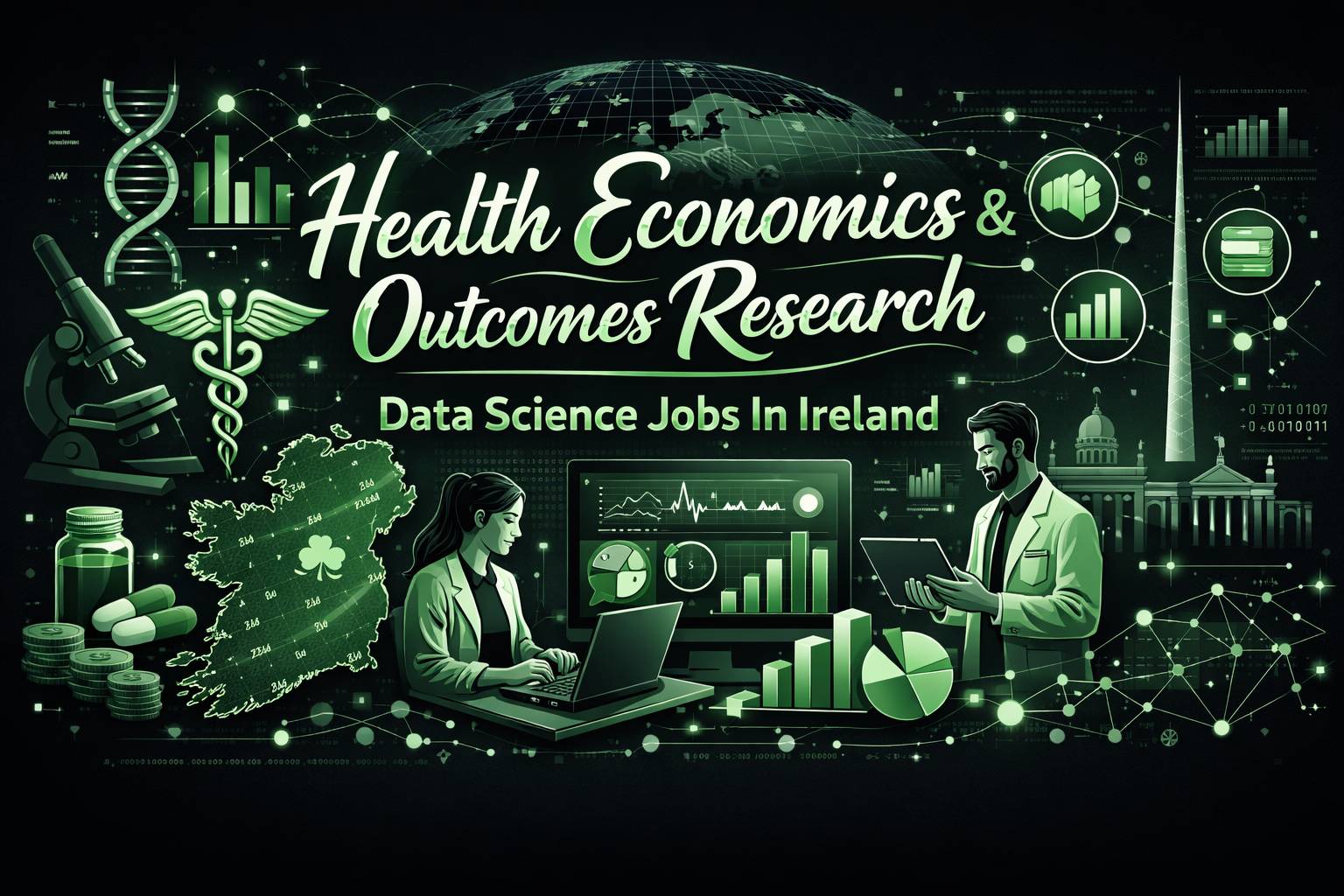
In recent years, Ireland has rapidly emerged as a hub for healthcare analytics, life sciences innovation, and health economics research. Within this ecosystem, Health Economics and Outcomes Research (HEOR) Data Science jobs have become increasingly important. These roles bridge healthcare, economics, statistics, and cutting-edge data science to support better decision-making in public health, pharmaceutical development, policy, and patient care.
In this article, we explore what HEOR is, why these jobs matter, the Irish context, the types of roles available, key skills required, educational pathways, industry demand, salary expectations, future prospects, and tips for job seekers looking to enter this exciting field.
What is Health Economics and Outcomes Research (HEOR)?
Health Economics and Outcomes Research (HEOR) is a multidisciplinary field focused on understanding the value of health interventions, including medications, medical devices, surgical procedures, and public health programs. HEOR combines:
- Health economics – economic evaluation of healthcare costs, benefits, and value
- Outcomes research – measuring patient outcomes, quality of life, effectiveness, and safety
- Real-world evidence (RWE) – using data outside clinical trials such as claims databases, electronic health records (EHRs), surveys, registries
- Epidemiology and biostatistics – understanding disease patterns and health outcomes
- Data science and analytics – applying advanced statistical and computational methods to answer complex health questions
The aim of HEOR is to provide evidence that helps healthcare systems, payers, providers, and policymakers decide which interventions offer meaningful value for patients and health budgets.
In recent decades, the field has grown alongside the digitization of health data, rising healthcare costs, and global demand for evidence-based health policy and reimbursement decisions.
Why HEOR Data Science Jobs Matter
HEOR Data Scientists and analysts play a strategic role in modern healthcare systems by:
1. Supporting Evidence-Based Decision Making
Healthcare stakeholders need reliable evidence not only about safety and efficacy, but also about cost effectiveness, comparative effectiveness, and long-term outcomes. HEOR professionals analyze real-world data to produce that evidence.
2. Informing Pricing and Reimbursement
Pharmaceutical companies use HEOR analyses to justify pricing strategies and negotiate reimbursement with insurers or national health agencies. In countries with state-funded healthcare, these decisions can shape market access.
3. Improving Patient Outcomes
HEOR goes beyond clinical trial efficacy by focusing on actual patient experience in everyday settings. By identifying which treatments work best for specific populations, these analyses contribute to better health outcomes.
4. Controlling Healthcare Costs
With rising global healthcare expenses, payers and governments need data-driven strategies to allocate resources efficiently. HEOR helps identify cost-effective interventions and avoid unnecessary spending.
5. Driving Innovation
Data-driven insights influence future research, clinical trials, and health policy initiatives. HEOR professionals help align scientific innovation with economic value.
The Irish Healthcare Landscape: Opportunities for HEOR Data Scientists
Ireland’s healthcare and life sciences sector is strong and growing, powered by innovation, foreign direct investment, and advanced research. Key facts about Ireland’s health and data ecosystem include:
1. Strategic Life Sciences Hub
Ireland is home to major global pharmaceutical and medical device companies such as Pfizer, Johnson & Johnson, Novartis, and Medtronic, many of which have research centers in the country. These companies frequently hire HEOR professionals.
2. Strong Health Data Infrastructure
Ireland has invested in health information systems and national health datasets. Linked administrative and clinical data sources are increasingly used for health analytics and outcomes research.
3. Academic and Research Excellence
Irish universities and research institutions (e.g., Trinity College Dublin, University College Dublin, Royal College of Surgeons in Ireland) host strong health economics, epidemiology, and data science programs that feed skilled talent into industry and government.
4. Public Sector Agencies
Ireland’s Health Service Executive (HSE) and government bodies engage in outcomes research to improve population health and manage health expenditures, creating opportunities for HEOR roles in public health analytics.
5. RWE and Regulatory Demand
As regulatory bodies worldwide emphasize real-world evidence, Ireland’s skilled data professionals are increasingly recruited to support submissions and post-market analyses.
Types of HEOR Data Science Jobs in Ireland
HEOR Data Science roles can vary widely depending on the organization’s size, focus, and data maturity. Some of the most common job titles include:
1. HEOR Analyst
- Focuses on cost-effectiveness models, budget impact analyses, literature reviews, and systematic evidence synthesis.
- Works with economic models and comparative outcomes research.
2. Health Data Scientist
- Applies statistical methods, machine learning, and predictive modeling to real-world health data.
- Works with EHRs, claims data, and registries to generate insights.
3. HEOR Manager / Associate Director
- Leads HEOR strategy and program execution.
- Liaises with cross-functional teams (medical affairs, market access, pharmacovigilance).
- Often involved in communicating HEOR findings to stakeholders.
4. Real-World Evidence (RWE) Scientist
- Specializes in generating evidence from non-trial datasets.
- Uses advanced analytics and causal inference techniques.
5. Health Economist
- Builds economic simulation models (e.g., Markov models, decision trees).
- Conducts cost-utility analysis, cost-benefit analysis, and health technology assessment.
6. Biostatistician
- Provides statistical support for study design, data analysis, and interpretation in outcomes research.
7. Data Engineer (with HEOR focus)
- Ensures data pipelines and infrastructure support large-scale health data analysis.
8. Epidemiologist
- Analyzes disease patterns, risk factors, treatment outcomes and designs observational studies.
Key Skills and Competencies for HEOR Data Science Jobs
HEOR professionals need a blend of technical, analytical, and domain-specific skills:
Technical and Analytical Skills
- Statistical Analysis: regression models, survival analysis, multilevel modeling
- Econometric Methods: cost effectiveness, budget impact modeling
- Programming: R, Python, SAS
- Database Skills: SQL, NoSQL, working with large datasets
- Machine Learning: supervised/unsupervised learning, predictive modeling
- Data Visualization: Tableau, Power BI, ggplot2, matplotlib
- Modeling Tools: TreeAge, Excel (advanced), specialized health economic modeling packages
Domain Knowledge
- Health Economics Principles
- Epidemiology
- Health Technology Assessment (HTA)
- Real-World Evidence methodology
- Regulatory and reimbursement environments
Soft Skills
- Critical Thinking
- Communication and Storytelling with Data
- Project Management
- Collaboration with multi-disciplinary teams
Certifications (Helpful but Not Mandatory)
- Certified Health Data Analyst (CHDA)
- Certifications in R/Python Data Science
- Health economics or outcomes research certificates from recognized institutes
Educational Pathways for HEOR Data Science Careers
Most HEOR positions require at least a bachelor’s degree, and many now require a master’s or PhD in related areas. Typical educational pathways include:
Undergraduate Education
- Statistics
- Economics
- Data Science
- Biology / Public Health / Health Sciences
- Computer Science
Graduate Education
For competitive roles, advanced degrees often favored:
Master’s Degrees
- Health Economics and Outcomes Research
- Public Health (MPH or MSc)
- Biostatistics
- Epidemiology
- Health Informatics
- Data Science / Analytics
PhD or Doctoral Programs
- PhD in Health Economics, Biostatistics, or Epidemiology
- Often useful for advanced research or leadership positions
Short Courses and Bootcamps
Specialized short programs focusing on:
- Advanced statistical modeling
- R or Python for health research
- HEOR methodologies
- Data management and visualization
Industry Demand and Job Market in Ireland
Ireland’s demand for HEOR professionals has grown due to several factors:
1. Life Sciences Manufacturing Base
Many multinational pharma companies use Ireland as a center for HEOR and market access analytics, driving job openings in multinational and local firms.
2. Growing Real-World Data Analytics
As real-world evidence becomes central to regulatory submissions and payer negotiations, the need for skilled analysts has risen.
3. Public Sector and Health Agencies
Irish public health agencies increasingly rely on data scientists to interpret health trends and aid planning.
4. Healthcare Consulting Firms
Consultancies specializing in life sciences and health policy often hire HEOR specialists to support clients internationally.
5. Emerging Health Tech Startups
Health tech companies focusing on analytics, personalized medicine, and digital health use HEOR insights to validate solutions and demonstrate value.
Salary Expectations for HEOR Data Science Jobs in Ireland
Salaries vary by role, experience, and company size. General trends in Ireland (approximate figures):
| Role | Annual Salary Range (EUR) |
| HEOR Analyst | €40,000 – €60,000 |
| Health Data Scientist | €50,000 – €75,000 |
| Real-World Evidence Scientist | €55,000 – €80,000 |
| HEOR Manager | €70,000 – €100,000+ |
| Senior Health Economist | €80,000 – €115,000+ |
| Data Engineer (HEOR) | €60,000 – €90,000 |
These figures can vary based on qualifications (master’s/PhD), experience, and specific employer. Industry roles in multinational pharma or premium consultancies often sit at the higher end of these ranges.
Where to Find HEOR Jobs in Ireland
Prospective candidates can use multiple channels:
1. Company Career Pages
International pharmaceutical and biotech firms list opportunities on their websites.
2. Job Portals
Irish and international job portals such as LinkedIn, Indeed, Glassdoor, Monster, and specialised analytics or life sciences job boards.
3. University Career Services
Many Irish universities host career fairs and job listings.
4. Professional Networks
Networking on LinkedIn and professional organizations such as ISPOR (International Society for Pharmacoeconomics and Outcomes Research).
5. Healthcare and Life Sciences Conferences
Events like health economics and biostatistics conferences often feature job boards or recruitment sessions.
Challenges and Considerations for Job Seekers
While the HEOR field offers strong prospects, job seekers may face challenges such as:
1. Competition
As interest grows, competition for top roles increases, especially for data science positions that combine multiple skills.
2. Continuous Learning
The field evolves rapidly with new data sources (genomics, wearables), analytic methods (AI), and regulatory shifts — requiring ongoing education.
3. Domain Integration
HEOR professionals must balance technical data skills with domain knowledge — a dual competency not all candidates possess initially.
4. Communication Skills
Translating complex analytical findings into strategic decisions for non-technical audiences is essential but demanding.
Future Outlook: Growth and Trends
The future looks promising for HEOR data science jobs in Ireland:
1. Rise of Personalized Healthcare
Data-driven insights will increasingly support customized treatments and value frameworks.
2. Integration of AI and Machine Learning
Advanced algorithms will enhance causal inference, predictive modeling, and high-dimensional data analysis.
3. More Open Health Data Initiatives
Improved availability of de-identified health datasets will fuel research and innovation.
4. Global Demand for Real-World Evidence
With regulatory emphasis worldwide on real-world outcomes, demand for HEOR professionals in Ireland and internationally will continue rising.
5. Cross-Sector Growth
Opportunities will expand beyond pharmaceuticals into public health analytics, insurance, digital health, and health policy think tanks.
Conclusion
Health Economics and Outcomes Research Data Science jobs represent a strategic, rapidly growing career path in Ireland at the intersection of data science, healthcare, economics, and policy. With Ireland’s strong life sciences ecosystem, robust university programs, demand for real-world evidence, and innovation culture, the country offers exciting opportunities for analysts, data scientists, health economists, and researchers.
For students and professionals alike, building strong analytical skills, combined with relevant health economics and research expertise, will open doors to impactful work that improves healthcare value, patient outcomes, and evidence-based decision making across organizations.
If you’re passionate about data, health, and making a difference, HEOR in Ireland may be the perfect career frontier.